

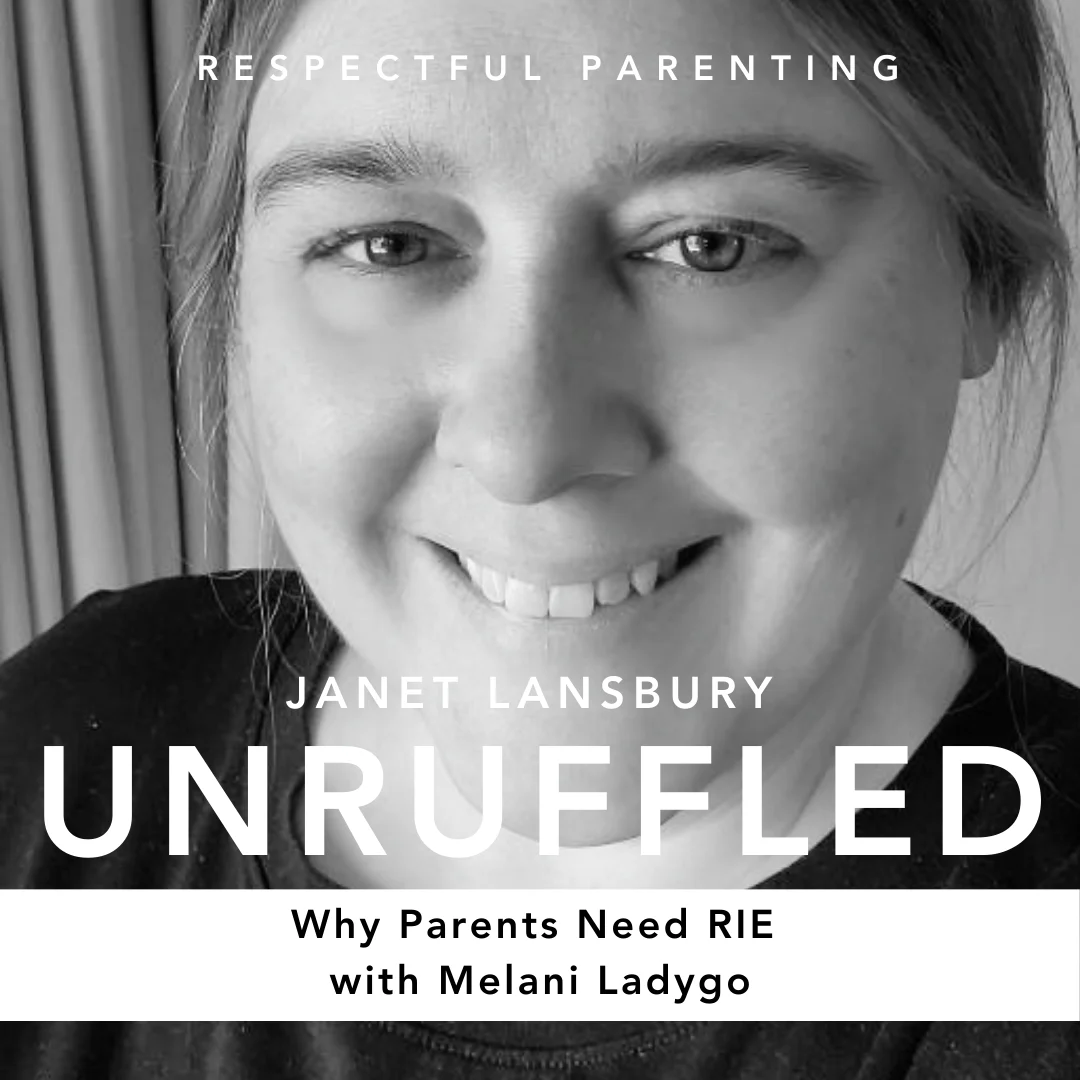
The realm of early childhood development and parenting philosophies is vast and often complex, with many approaches sparking fervent discussion and occasional controversy. Among these, Resources for Infant Educarers, commonly known as RIE, stands out for its profound emphasis on respectful, reciprocal relationships between infants and their caregivers. In a recent episode of the "Unruffled" podcast, host Janet Lansbury, a prominent advocate and practitioner of RIE principles, engaged in a comprehensive discussion with Melani Ladygo, the Executive Director of RIE. The conversation aimed to demystify the RIE approach, address common misconceptions, and illuminate its practical benefits for parents and professionals alike.
Understanding the Core of RIE: Respect and Reciprocity
Janet Lansbury, whose own journey into RIE began over three decades ago with her firstborn, introduced the topic by acknowledging that RIE can evoke strong reactions. Some find it "profound and life-changing," while others dismiss elements as "odd or controversial." This very spectrum of perception underscores the need for a clearer understanding of what RIE truly entails. Lansbury, a long-time associate and trainee of RIE founder Magda Gerber, highlighted the challenge of encapsulating RIE’s nuanced philosophy into a simple "elevator pitch."
Melani Ladygo, who has dedicated years to fostering RIE’s principles, shared her own initial struggle to articulate the approach. "I really think it was the years that I spent working in the office as the person who would answer the phone… And I really got practice in talking to people about it and saying what it is," Ladygo explained. She defined RIE as an organization that "teaches parents and professionals how to have respectful, reciprocal relationships with babies and toddlers, children zero to two." The very name, "Resources for Infant Educarers," encapsulates its essence: a resource for those who "care while we educate and we educate while we care."
Lansbury elaborated on this, emphasizing that RIE is about fostering a "lifelong relationship that begins at birth," built on trust and respect. She recalled her own revelation during an RIE class with her three-month-old: the realization that her baby possessed an inner world of thoughts and ideas, a distinct personhood that existed independently of her own input. This fundamental shift in perception—from seeing a baby as a passive recipient of care to recognizing an active, thinking individual—is a cornerstone of the RIE philosophy.
The Genesis of RIE: A Philosophy Born from Observation
The RIE approach traces its origins to Magda Gerber, a Hungarian-born child development expert who, alongside Dr. Emmi Pikler, pioneered a philosophy centered on respecting infants as whole individuals from birth. Gerber’s work, deeply influenced by Pikler’s emphasis on infant autonomy and the importance of the caregiver-child relationship, began to gain traction in the United States in the latter half of the 20th century. RIE, founded in 1970, serves as the organizational hub for disseminating these principles through training, conferences, and educational materials.
Ladygo’s personal journey into RIE was sparked by her fascination with child development and brain science. "I learned about brain development… when I realized how much their brains change and how that impacts their behavior and how that could impact a parent’s relationship with their child, I thought, This is what I want to do. I want to teach parents about this," she recounted. Her early experiences in a RIE-influenced childcare center provided a practical foundation. She described observing a profound sense of peace in a classroom of twelve babies, a stark contrast to her previous expectations of chaos.
A pivotal moment for Ladygo involved a teacher’s gentle guidance after she had instinctively assisted a baby climbing a slide. The teacher’s question, "how do you think she’s going to feel the next time she tries to go up that slide and you aren’t there? She didn’t know you were helping her, so she thought she did it by herself, but she really did it with you," illuminated the RIE principle of allowing children to experience challenges and discover their own capabilities. This experience ignited her curiosity about the RIE approach and its underlying tenets.
RIE in Practice: Cultivating Trust and Independence
A key aspect of RIE that often elicits questions is its emphasis on allowing children to struggle and figure things out independently. Lansbury illustrated this with her own experience, realizing her baby had "all these thoughts and all of these ideas and all this stuff going on inside her that I had not realized could possibly exist in a baby." This understanding fostered a desire to "discover that person and get to know her and bond with her."
Ladygo echoed this sentiment, explaining that RIE promotes "respectful, reciprocal relationships" where curiosity about the child is paramount. It’s about "letting things flow" and allowing the child to "unfold and share themselves." This approach, she noted, can begin "at the very, very beginning."
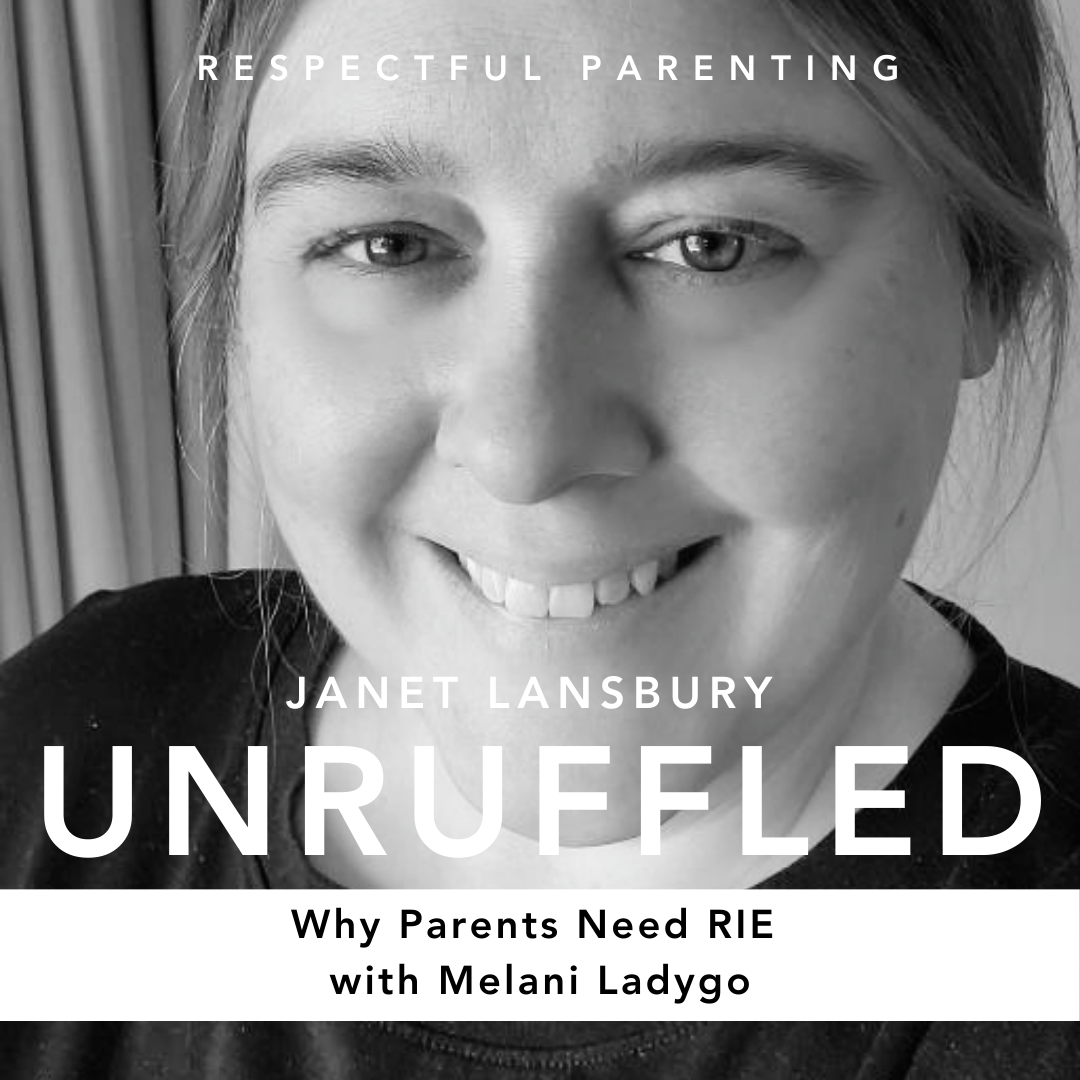
The podcast delved into the practical implications of RIE for parents, particularly in navigating everyday challenges. Lansbury articulated a core benefit: RIE shifts the focus from the parent’s performance to their authentic presence. "We get to be ourselves. We don’t have to say the right things and do the right things and be this perfect parent," she stated. This allows parents to engage with their children more comfortably and easily, reducing the perceived burden of constantly needing to "stimulate" or "entertain."
Ladygo shared an anecdote about a RIE parent-infant class held outdoors during the COVID-19 pandemic. Despite the confined space due to rain, the class was "busy" with active toddlers, yet "not stressful." The parents were able to "sit back and simply watch," a testament to their developing "muscle of trust" in their children’s abilities. This observation, she explained, is a gradual process of witnessing children navigate challenges and build confidence, leading to a more relaxed and trusting parent-child dynamic.
The Broader Impact: Building Resilient Individuals
The RIE philosophy extends beyond infancy, influencing how children develop social intelligence and resilience throughout their lives. Lansbury highlighted how this approach prepares children for future challenges, including "college applications and the career decisions and the disappointments and the heartbreak of relationships." The ability to experience difficulties, know they are seen, and understand that "life isn’t always easy and sometimes it’s very hard" but they "are going to be okay" is a crucial life skill cultivated through RIE.
Ladygo emphasized the importance of being "seen in your struggle." She recounted an adult experience where acknowledging her own struggles and receiving the simple affirmation, "It’s okay," opened a "little crack" in her heart, reminding her that she "don’t have to have it all figured out." This mirrors the RIE approach with infants, where allowing them to grapple with tasks without immediate intervention teaches them self-reliance and resilience.
The podcast also addressed the common parental struggle of maintaining neutrality in conflicts between children. Lansbury and Ladygo discussed how RIE encourages parents to step back, observe, and allow children to work through their disagreements, rather than immediately stepping in to arbitrate. This approach, while challenging, teaches children valuable lessons in empathy, negotiation, and problem-solving, fostering genuine sharing that arises from understanding another’s perspective. As Ladygo put it, "teaching children to be RIE with other children."
Community and Continued Learning
The conversation concluded with a discussion about opportunities for further engagement with the RIE philosophy. Lansbury promoted the upcoming RIE Conference, highlighting its value for both parents and early childhood professionals. The conference, with its theme of "Play and Nurturing Natural Development," features prominent speakers like Peter Gray, whose work on the importance of free play aligns closely with RIE principles.
Ladygo described the conference as a "smorgasbord" or "banquet" offering diverse applications of RIE. She noted how speakers demonstrate how RIE principles can be integrated into various settings, from classrooms to family life, and how they connect with the development of social intelligence in children of all ages. The emphasis on community and shared learning was underscored, particularly for those who may not have access to local RIE classes.
The RIE organization, through its conferences, workshops, and online resources, continues to foster a global community of educators and parents committed to raising children with respect, trust, and a deep understanding of their inherent capabilities. The enduring legacy of Magda Gerber’s work, as articulated by Lansbury and Ladygo, lies in its profound ability to transform the parent-child relationship, nurturing not only resilient children but also more authentic and fulfilled adults.
The core message of RIE, as conveyed in this discussion, is that by truly seeing and respecting the infant as a capable, thinking individual, parents unlock a more genuine, less pressured, and ultimately more rewarding journey of raising a child. It is an invitation to embrace a philosophy that benefits not just the child, but the entire family unit, fostering a foundation of trust and mutual understanding that can last a lifetime.
