

Black Breastfeeding Week, observed annually during the last week of August, stands as a crucial initiative dedicated to elevating the voices and lived experiences of Black women, which have historically been marginalized and underrepresented within the broader narrative of infant feeding. This dedicated week is more than just a celebration; it is a vital platform for advocacy, education, and community building, addressing the profound racial disparities and systemic inequities that have long impacted breastfeeding rates and support systems for Black families. The movement highlights the unique challenges and triumphs faced by Black mothers, advocating for culturally competent care, increased representation, and a dismantling of barriers that impede their breastfeeding journeys.
The origins of Black Breastfeeding Week are rooted in a deep understanding of historical injustices and contemporary health disparities. Founded in 2012 by Kiddada Green and Kimberly Seals Allers, the week emerged from a recognized need to create a space where Black women’s specific experiences with breastfeeding could be acknowledged, validated, and celebrated. For centuries, the history of Black women in America has been intertwined with traumatic experiences related to infant feeding, from forced wet-nursing during slavery to the ongoing impacts of medical racism, economic disadvantages, and a lack of culturally sensitive support. These historical factors have contributed to lower breastfeeding initiation and duration rates among Black women compared to their white counterparts, despite evidence demonstrating the significant health benefits for both mother and child. Data from the Centers for Disease Control and Prevention (CDC) consistently show that while breastfeeding rates have improved across all racial and ethnic groups, persistent gaps remain. For instance, in the United States, Black mothers often have lower rates of exclusive breastfeeding at six months compared to white mothers, underscoring the urgent need for targeted interventions and support.
Organisations like La Leche League International, with its global network of peer support, recognize the profound power of personal narratives in fostering connection and empowerment. The ethos of La Leche League (LLL) is built upon the principle that sharing stories creates a collective wisdom, allowing individuals to learn from and support each other, bridging geographical and cultural divides. This communal approach is particularly potent in addressing the isolation that many new mothers, especially those from underserved communities, can experience. By providing forums for open discussion and mutual encouragement, LLL aims to build resilient communities where every mother feels seen, heard, and valued.
Melissa, a mother from London, recently shared her breastfeeding journey through a series of audio notes, offering a poignant glimpse into the realities of navigating infant feeding while caring for her five-month-old. Her candid reflections, recorded amidst the everyday rhythm of getting her baby to sleep, underscore the universal yet uniquely personal challenges and triumphs inherent in the experience. Her story, like countless others shared within the La Leche League community, serves as a testament to the resilience of mothers and the critical importance of a supportive network.
The Personal Significance of Breastfeeding
For Melissa, breastfeeding transcends mere infant nutrition; it embodies a profound connection and an act of self-empowerment. Her decision to breastfeed was driven by a desire to provide the best possible start for her child, informed by an understanding of the extensive health benefits that breast milk offers. Beyond the immunological and nutritional advantages for the baby, Melissa likely found immense personal satisfaction in the unique bond it fostered. This intimate connection became a cornerstone of her early motherhood experience, offering moments of quiet solace and deep communion amidst the demanding schedule of caring for an infant. The act of breastfeeding became a source of strength, reinforcing her maternal instincts and her capacity to nurture.
Pre-Conceptions and Family Influence
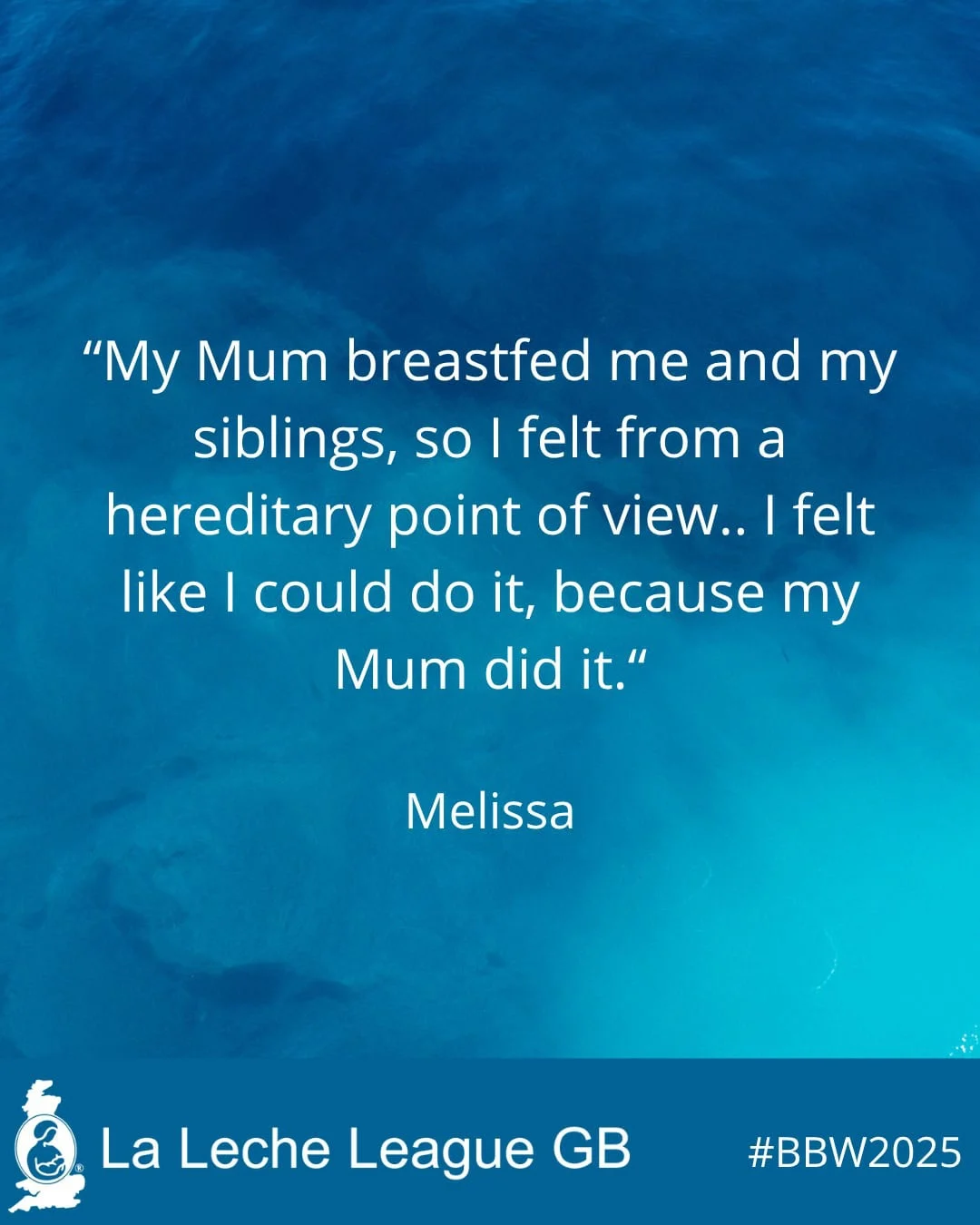
Prior to having her own children, Melissa’s perception of breastfeeding was shaped by her personal environment, which, for many Black women, can be complex. In many communities, the visible practice of breastfeeding has declined over generations due to various socio-economic factors and cultural shifts. It is plausible that Melissa had limited direct exposure to breastfeeding within her immediate family or social circle, leading to a perception that might have been more theoretical than practical. If family members had breastfed, their experiences, whether positive or negative, would have subtly influenced her initial outlook. Conversely, a lack of visible role models might have left her feeling somewhat unprepared or isolated when she embarked on her own journey. This absence of a familial "blueprint" often places an increased burden on new mothers to seek information and support externally.
Navigating Social Attitudes and Family Support
The attitudes of friends and family can significantly impact a mother’s breastfeeding journey, acting as either a powerful source of encouragement or a subtle form of discouragement. Melissa’s experience likely reflects the spectrum of these reactions. While some friends and family members may have offered unwavering support, others might have held outdated beliefs or expressed discomfort, particularly concerning public breastfeeding. Misinformation about the duration of breastfeeding, the perceived "convenience" of formula, or even cultural taboos can create an environment where a mother feels judged or misunderstood. For Black mothers, these societal pressures can be amplified by a historical narrative that has often undermined their agency in infant feeding choices, making it even more critical to find allies who validate and uplift their decisions.
Overcoming Obstacles and Seeking Knowledge
Melissa’s journey was not without its hurdles, a common reality for many new mothers. The original article’s prompt asks what she wished she had known and what barriers she faced. These barriers could range from the common physiological challenges such as latch difficulties, pain, and engorgement, to more systemic issues like lack of adequate postpartum support from healthcare providers, insufficient parental leave, or the stress of returning to work while maintaining a breastfeeding routine. Many mothers also grapple with feelings of self-doubt, exhaustion, and the immense pressure to "get it right." For Black mothers, these challenges can be exacerbated by implicit bias in healthcare settings, leading to delayed or inadequate support, or a feeling that their concerns are not being taken seriously. Melissa likely wished she had possessed more comprehensive knowledge about the practicalities of breastfeeding, the importance of early intervention for issues, and perhaps more importantly, the emotional and psychological toll it can take.
The Lifeline of Support
In overcoming these barriers, Melissa found invaluable help and support from various sources. These often include lactation consultants who provide expert clinical guidance, peer support groups like those offered by La Leche League, online communities that offer 24/7 encouragement, and supportive partners or friends. The ability to connect with others who have navigated similar challenges is often a powerful antidote to feelings of isolation and inadequacy. For Melissa, accessing culturally sensitive support would have been particularly beneficial, ensuring that advice and encouragement resonated with her unique background and experiences. These sources of help become crucial lifelines, offering practical advice, emotional validation, and a sense of shared purpose that empowers mothers to continue their breastfeeding journey.
Forging a Likeminded Community
The core message embedded in Melissa’s story, as indicated by the original article’s title "I needed a likeminded community," highlights the profound necessity of belonging. Melissa actively built her supportive community by seeking out spaces and individuals who understood and championed her breastfeeding goals. This might have involved attending local La Leche League meetings, joining online forums dedicated to Black mothers and breastfeeding, or connecting with other parents in her neighbourhood who shared similar values. Finding a "likeminded community" provides not just practical advice but also crucial emotional sustenance—a sense of belonging, validation, and collective strength. It is within these communities that mothers can openly discuss their struggles without fear of judgment, celebrate their successes, and find the encouragement needed to persevere. This community acts as a buffer against societal pressures and a source of empowerment, transforming a potentially isolating experience into a shared journey of growth and connection.
Broader Implications and Calls to Action
Melissa’s story, and countless others like hers, vividly illustrate the ongoing need for initiatives like Black Breastfeeding Week. By amplifying individual experiences, these platforms collectively contribute to a larger movement for health equity and social justice. The disparities in breastfeeding rates among Black women are not merely statistical anomalies; they are indicators of deeper systemic issues, including racial bias in healthcare, lack of access to culturally competent lactation support, and socio-economic inequalities that disproportionately affect Black families.
Organisations like La Leche League continue to play a critical role in addressing these disparities by fostering inclusive communities and providing evidence-based information and peer support. Their commitment to storytelling ensures that diverse voices are heard, challenging prevailing narratives and creating spaces for genuine connection. The call for mothers to share their stories, whether through publications like "Breastfeeding Matters" or in person at meetings, is a direct acknowledgement of the transformative power of narrative. Each story shared chips away at the isolation and stigma, building a tapestry of collective experience that informs, inspires, and empowers.
Ultimately, the goal is to create an environment where every Black mother feels fully supported, respected, and empowered in her infant feeding choices. This requires not only individual acts of advocacy and community building but also systemic changes within healthcare, workplace policies, and broader societal attitudes. By continuing to celebrate Black Breastfeeding Week and elevating stories like Melissa’s, we move closer to a future where breastfeeding equity is not just an aspiration but a lived reality for all. The ongoing efforts of individuals and organizations to nurture these "likeminded communities" are fundamental to ensuring that Black women’s breastfeeding journeys are acknowledged, honored, and supported every step of the way.
