

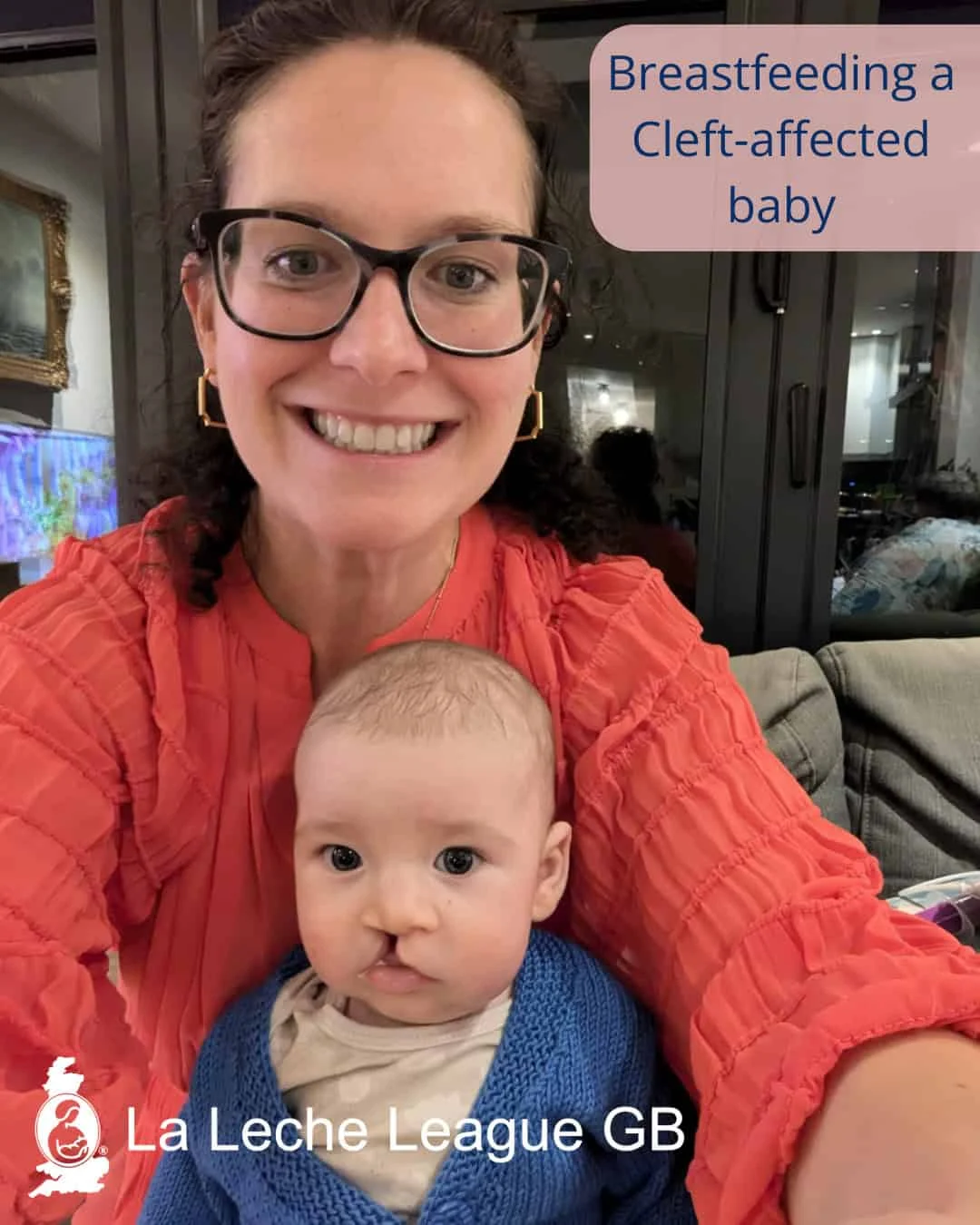
A cleft lip or palate occurs when the facial structures that form a baby’s upper lip or the roof of their mouth (palate) fail to fuse completely during early fetal development. This congenital condition affects approximately 1 in 700 live births globally, though prevalence can vary slightly by geographical region and ethnic background. While many babies born with a cleft lip can successfully breastfeed with some adaptations, those with a cleft palate face a more significant challenge, often unable to generate the necessary suction pressure to effectively draw milk from the breast until surgical intervention corrects the structural discontinuity. This reality often leaves expectant and new parents feeling uncertain about their breastfeeding journey, yet experts and families alike affirm that breastfeeding, or providing human milk, remains a viable and highly beneficial option, albeit one that frequently demands perseverance and robust support.
Understanding Cleft Lip and Palate: A Medical Overview
Cleft lip and palate are among the most common birth anomalies. A cleft lip can range from a small notch in the lip to a complete separation extending into the nose, and it can occur on one side (unilateral) or both sides (bilateral). A cleft palate involves an opening in the roof of the mouth, which can affect the hard palate (bony front part), the soft palate (fleshy back part), or both. In some cases, a baby may have both a cleft lip and a cleft palate.
The precise causes are often multifactorial, stemming from a complex interplay of genetic predispositions and environmental factors during pregnancy, such as certain medications, nutrient deficiencies (like folic acid), maternal smoking, or infections. Diagnosis often occurs during routine prenatal ultrasounds, typically between 18 and 21 weeks of gestation, allowing families and medical teams crucial time for preparation and counseling. For those not diagnosed prenatally, the condition is immediately apparent at birth, prompting an urgent need for feeding strategies and comprehensive care planning.
The Unique Challenges of Feeding and the Value of Human Milk

For infants with a cleft lip, the primary challenge may involve achieving an effective seal around the nipple, which can often be mitigated through specialized positioning and latch techniques. However, a cleft palate profoundly impacts a baby’s ability to create the negative pressure (suction) essential for milk extraction from the breast or a standard bottle. The opening in the palate means that air escapes into the nasal cavity, making suction nearly impossible. This structural issue also increases the risk of milk entering the nasal passages during feeding, which can be distressing for the baby and parent.
Despite these obstacles, the benefits of human milk for any infant are undeniable, and they are particularly pronounced for babies requiring surgical procedures. Breast milk provides an unparalleled source of nutrition, perfectly adapted to the infant’s needs. Critically, it contains a rich array of antibodies, enzymes, and living cells that bolster the baby’s developing immune system, offering vital protection against infections, which is especially crucial for infants who will undergo surgery. Furthermore, breast milk is easier to digest than formula, reducing the likelihood of gastrointestinal issues and contributing to healthier weight gain. For babies with clefts, this protective and nourishing fluid can significantly aid in their recovery and overall development.
Navigating the Journey: A Chronology of Care and Feeding Strategies
The feeding journey for a cleft-affected baby is typically a multi-stage process, often beginning immediately after birth and continuing through various surgical interventions.
Phase 1: Immediate Post-Natal to Pre-Surgery (Lip Repair)
Upon diagnosis, either prenatally or at birth, parents are introduced to a multidisciplinary cleft care team. This team typically includes plastic surgeons, ENT specialists, speech and language therapists, orthodontists, pediatricians, and, crucially, specialist cleft nurses and lactation consultants. Their collective expertise guides families through the initial feeding challenges and prepares them for the surgical path ahead.

-
Establishing and Maintaining Milk Production: The paramount priority in the early days and weeks is to establish and maintain a robust maternal milk supply, regardless of whether the baby can directly breastfeed. This foundational step keeps the door open for direct breastfeeding later and ensures a plentiful supply of expressed milk for alternative feeding methods. Medical professionals and lactation experts universally recommend initiating milk expression within the first few hours after birth.
- Frequency and Volume: To signal the body to produce a full milk supply, mothers typically need to express milk 8-12 times within a 24-hour period during the initial month. This frequency is more critical than the duration of each session. The principle is "supply and demand": the more milk removed, the more milk produced. When breasts feel full, milk production slows down, so consistent and complete emptying is key.
- Tools for Expression: A hospital-grade double electric breast pump is generally the most efficient tool for mothers needing to express all or most of their milk. Cleft specialist nurses can often facilitate access to these pumps, either through loan programs or rental services. Some mothers may find success with smaller, personal pumps or even hand expression, but for establishing a full supply, a powerful pump is often indispensable. Resources like La Leche League offer comprehensive guides on expressing and storing human milk.
- The Demands of Expression: Bringing in a full milk supply for a baby who cannot breastfeed efficiently is intensely demanding. Parents are strongly encouraged to seek and accept as much practical support as possible from family, friends, and healthcare providers to manage the rigorous pumping schedule. While challenging in the initial weeks, many mothers find that they can gradually reduce the frequency of expression while maintaining their supply as their bodies adapt.
-
Early Feeding Methods: In the first days after birth, babies consume small amounts of colostrum. If a baby cannot take sufficient milk directly from the breast, various methods can deliver expressed breast milk:
- Spoon or Syringe Feeding: These are suitable for very small volumes in the immediate postnatal period.
- Special Bottles: Numerous bottles and teats are specifically designed for cleft-affected babies. These often feature softer, longer teats, or one-way valves that facilitate milk flow without requiring strong suction. The cleft specialist nurse is the best resource for guidance on selecting the most appropriate type for an individual baby. Brands like Haberman or Dr. Brown’s Specialty Feeding System are commonly recommended.
- Cup Feeding: This method involves feeding milk from a small cup, requiring the baby to lap the milk rather than suck.
- Nursing Supplementers (Supplemental Nursing Systems – SNS): These devices allow a baby to latch onto the breast while simultaneously receiving extra milk through a thin tube positioned alongside the nipple. This method offers significant benefits, including maintaining skin-to-skin contact, stimulating the mother’s milk supply through direct breast stimulation, and allowing the baby to practice latching and feeding at the breast. As Sarah, a mother who successfully used an SNS for her son, Russell, noted, "I was already breastfeeding."
Phase 2: Utilizing Nursing Supplementers for At-Breast Feeding
Nursing supplementers are invaluable for maintaining the breastfeeding relationship when a baby cannot effectively extract milk. They bridge the gap, allowing babies to experience the breast while receiving adequate nutrition.
-
Types of Supplementers:
- Bag or Bottle System: These typically consist of a container for milk that hangs around the mother’s neck or clips to her bra, connected to a thin tube that is taped to the breast beside the nipple.
- Syringe System: For precise control, a syringe can be attached to the feeding tube, allowing a caregiver to gently push milk into the baby’s mouth as they latch and suckle. This method offers greater control over flow rate.
- Commercial Systems: Several brands offer ready-made nursing supplementer kits with varying features.
-
Delivering Milk: Babies with a cleft palate often cannot generate enough suction. With a supplementer, the milk may need to be delivered rather than solely relying on suction. Gently squeezing the bag or bottle, or making a small air hole in the container, can facilitate flow. When using a syringe, a caregiver slowly depresses the plunger to deliver milk in sync with the baby’s suckling.

-
Tips for Using a Nursing Supplementer:
- Preparation: Prepare the supplementer with expressed milk before starting the feed.
- Positioning the Tube: The tube should be taped securely to the breast so that its tip is level with or slightly past the nipple when the baby latches.
- Latching: Encourage a wide, deep latch, ensuring the baby’s mouth covers both the nipple and the areola, as well as the feeding tube.
- Flow Control: Observe the baby’s swallowing and breathing. Adjust the flow rate by gently squeezing the bag/bottle or depressing the syringe plunger slowly to prevent overwhelming the baby.
- Patience and Perseverance: Using a supplementer can be challenging initially, requiring coordination and practice. Many mothers report that it takes several weeks to become proficient, but the reward of at-breast feeding and providing human milk is immense.
Phase 3: Optimizing Feeding Positions
Finding a comfortable and effective feeding position is crucial for both mother and baby. There is no single "right" position; what works best is highly individual. For cleft-affected babies, positions that offer good head and neck support, and allow gravity to assist milk flow while minimizing nasal regurgitation, are often preferred.
- Upright Positions: Holding the baby in a more upright or semi-upright position can help control milk flow and reduce the likelihood of milk entering the nasal cavity.
- Football Hold (Clutch Hold): This position allows the mother to support the baby’s head and neck firmly, providing good control over the baby’s latch and body alignment.
- Cradle Hold: A classic position, but may require extra pillows or support to keep the baby sufficiently upright and ensure a deep latch.
- Dancer Hand Hold: A technique where the mother supports the baby’s jaw and chin with her hand, providing additional stability for the baby’s mouth to maintain a latch.
- Cross-Cradle Hold: Similar to the cradle hold but with the mother’s opposite arm supporting the baby’s head, freeing up the other hand to guide the breast.
The goal is to achieve a deep latch that encompasses as much of the breast tissue as possible, helping to create a seal despite the cleft. Lactation consultants specializing in cleft care can provide invaluable hands-on guidance for positioning.
Phase 4: Feeding After Surgery
Cleft lip repair typically occurs around 3-6 months of age, while palate repair is usually performed between 6-12 months. These surgeries mark significant milestones in the baby’s development and feeding journey.

- Pre-Surgery Preparation: If direct breastfeeding is a goal post-surgery, maintaining some level of at-breast feeding (even with supplementation) is helpful. This helps the baby "remember" how to latch and associate the breast with milk, making the transition smoother.
- Immediate Post-Surgery: After lip repair, babies may experience discomfort and swelling, temporarily affecting their latch. After palate repair, the mouth anatomy is significantly altered, and the baby needs to relearn how to use their mouth for feeding. This period requires immense patience.
- Re-establishing Breastfeeding: Many babies struggle to feed directly at the breast for several weeks or even months post-surgery as they heal, build oral muscle strength, and adapt to their new anatomy. During this time, it is vital to continue expressing milk regularly to maintain supply. Breast milk’s healing properties are particularly beneficial for post-surgical recovery, reducing infection risk and promoting tissue repair.
- Long-Term Support: Ongoing support from the cleft team, lactation consultants, and peer groups is essential throughout the post-surgical period. Speech and language therapists often work with children to address any residual feeding or speech difficulties that may arise.
The Indispensable Role of Support Networks
The journey of breastfeeding a cleft-affected baby is rarely undertaken alone. It is physically and emotionally demanding, and access to comprehensive support is a critical determinant of success and maternal well-being.
- Multidisciplinary Cleft Teams: These specialized teams provide holistic care, coordinating surgical, medical, and therapeutic interventions. Their expertise is paramount in developing individualized feeding plans.
- Lactation Consultants: International Board Certified Lactation Consultants (IBCLCs), especially those with experience in cleft care, are invaluable. They offer practical, evidence-based advice on latch, positioning, milk supply management, and alternative feeding methods. Organizations like La Leche League (LLL) offer peer-to-peer support through trained volunteer Leaders who can provide empathetic guidance and practical tips from their own experiences or those of other mothers.
- Peer Support: Connecting with other parents who have breastfed cleft-affected babies can provide profound emotional support, practical tips, and a sense of community. Shared experiences help normalize challenges and celebrate triumphs.
- Mental Health Support: The emotional toll on parents, particularly mothers, can be significant. Feelings of anxiety, frustration, guilt, and isolation are common. Access to mental health professionals or support groups is crucial for processing these emotions and maintaining resilience.
Broader Implications and Long-Term Outlook
The commitment to providing breast milk to a cleft-affected baby has far-reaching implications. Beyond the immediate nutritional and immunological benefits, successful breastfeeding or provision of human milk can foster a unique bonding experience, contribute to a mother’s sense of empowerment, and positively impact the baby’s long-term health and development. Studies have indicated that breastfed infants, including those with clefts, often experience fewer ear infections and respiratory illnesses, which are particularly relevant for babies whose oral structures are compromised.
From a healthcare systems perspective, the emphasis on comprehensive cleft care, including dedicated lactation support, highlights the need for integrated and patient-centered services. Ensuring equitable access to specialist nurses, lactation consultants, and advanced feeding equipment is vital for optimizing outcomes for these vulnerable infants and their families. The success stories of mothers like Sarah and Russell underscore the profound impact of perseverance, expert guidance, and unwavering support in overcoming significant feeding challenges. While the path may be arduous, the possibility of providing breast milk and maintaining an at-breast relationship for cleft-affected babies is a testament to the power of human connection and medical innovation.
