

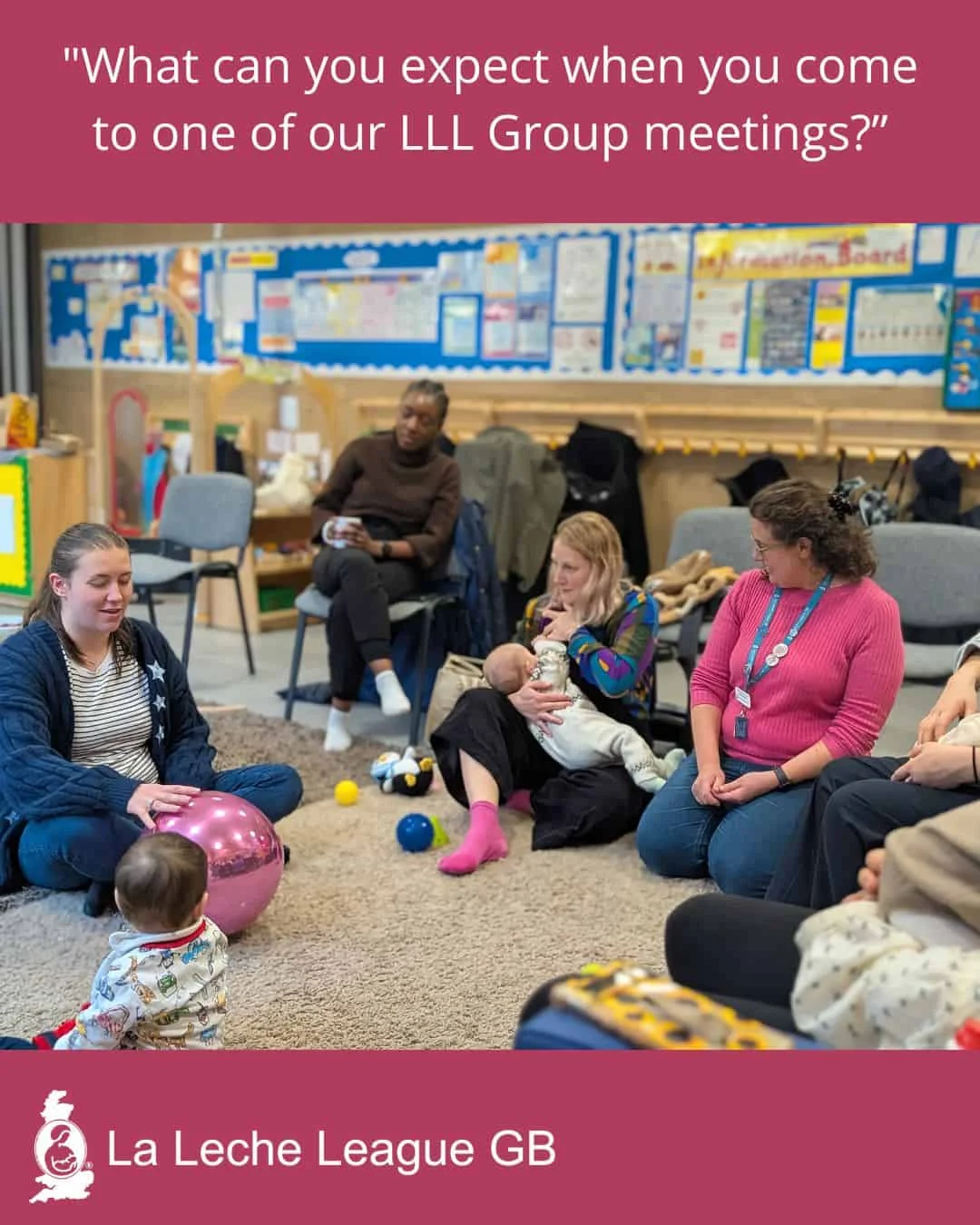
A recent La Leche League (LLL) Barnet circle convened to address the multifaceted challenges faced by breastfeeding mothers contemplating or undergoing the transition back to work. The gathering, which included mothers with infants ranging from three to 20 months, solo mothers, and those with older children at home, offered a rich tapestry of experiences, highlighting both the diversity and profound commonality of maternal journeys. The discussions provided a grounding platform for participants to share anxieties, exchange practical strategies, and find solidarity in their shared experiences of balancing infant care with professional responsibilities.
The Emotional Landscape of Maternal Separation
At the heart of the discussion was the intense emotional journey associated with a mother’s return to work. For many, this transition is not merely a logistical shift but a profound psychological event, deeply rooted in biological wiring. Human mothers, like many mammalian species, are biologically predisposed to maintain close physical proximity and provide constant care for their offspring, particularly during infancy. This innate drive is underpinned by hormonal responses, such as the release of oxytocin, which strengthens maternal-infant bonding and fosters nurturing behaviors. Imagining time apart from their babies, and anticipating the potential distress their absence might cause, can evoke significant anxiety, regardless of whether the return is part-time or full-time.
Research consistently underscores the emotional toll on mothers. A 2022 study published in The Journal of Maternal-Fetal & Neonatal Medicine found that maternal separation anxiety, particularly in breastfeeding mothers, is a significant predictor of postpartum mood disorders. The emotional preparation often precedes the practical steps, creating an internal conflict between the biological imperative to nurture and the societal or economic pressures to return to the workforce. In the United Kingdom, for instance, a 2023 report by the Office for National Statistics indicated that approximately 75% of mothers with dependent children are in employment, with a significant proportion returning to work within the first year postpartum. This statistic highlights the widespread nature of this challenge, underscoring the urgent need for robust support systems.
Logistical Complexities: Breastfeeding and the Workplace
The circle delved into the intricate logistics of maintaining exclusive breastfeeding (EBF) alongside professional commitments. For mothers planning nursery days, often three days a week, the primary concern revolved around milk expression and storage. Pumping at work presents numerous hurdles, including finding adequate time, securing private and hygienic spaces, and ensuring proper storage of expressed milk.
UK employment law offers some provisions, with the Health and Safety Executive (HSE) recommending that employers provide suitable facilities for pregnant and breastfeeding employees to rest and lie down. While there is no specific legal right to paid breaks for pumping, employers are encouraged to accommodate breastfeeding mothers by providing appropriate facilities and flexible working arrangements. However, the reality often falls short, with many mothers reporting inadequate facilities or a lack of understanding from employers. This often leads to increased stress, which can negatively impact milk supply, creating a vicious cycle of anxiety and perceived inadequacy. One mother shared her experience of the immense stress associated with pumping, ultimately finding that her baby adapted well without it, underscoring that there are indeed "many paths through this season" and that flexibility and individual adaptation are key.
Beyond pumping, alternative strategies were discussed. Some mothers opt for "dry nursing" during the day, where the baby may not take milk from a bottle or cup but makes up for feeds by nursing more frequently during evenings and nights—a phenomenon known as "reverse cycling." This approach maintains milk supply and allows for continued bonding. For feeding in the mother’s absence, the introduction of bottles or, alternatively, cups, was a key point of discussion. The developmental stage of the baby plays a crucial role here; while bottles are common, some families successfully bypass them entirely, introducing a cup from around six months when complementary solids are also being introduced. The World Health Organization (WHO) and the NHS recommend breast milk as a central source of nourishment up to two years and beyond, emphasizing the importance of continued milk intake even as solids become more established. This necessitates a degree of "grace" and patience if a child continues to heavily rely on breast milk for comfort and nutrition.
Infant Adaptability and Developmental Milestones
A recurring theme was the rapid and often unpredictable nature of infant development. Babies undergo radical growth and developmental leaps, particularly between two and four months of age, which can make it feel as though one has a "different child" within a short period. This dynamic nature means that planning for transitions, such as starting nursery or adjusting to a mother’s return to work, can be challenging. However, the inherent adaptability and resilience of infants were also highlighted. Many transitions, while initially daunting, frequently unfold more smoothly than anticipated, with babies often settling into new routines with surprising ease.
The concept of "reverse cycling" received particular attention. This natural compensatory behavior, where babies increase their milk intake during the night when reunited with their mothers, is a common and normal response for breastfed infants whose mothers are separated from them during the day. It serves to maintain the mother’s milk supply and ensures the baby receives adequate nutrition and comfort. This behavior, while potentially disruptive to parental sleep, is a testament to the baby’s biological intelligence and the intricate mother-baby dyad. Educating mothers about reverse cycling helps to normalize it, reducing anxiety and allowing them to embrace it as a vital part of their breastfeeding journey.
Entrusting Care: Navigating Childcare and External Support
One of the most profound concerns articulated by mothers was the vulnerability associated with entrusting their intimately known babies to the care of others. As primary caregivers, mothers develop an unparalleled understanding of their infants’ cues, needs, and temperaments. Relinquishing this primary care role, even temporarily, can feel deeply unsettling.
However, positive experiences were also shared. One mother recounted her pleasant surprise at the knowledge, attunement, and professionalism of nursery staff, which significantly eased her anxieties. This highlights the critical importance of selecting high-quality childcare providers and fostering open communication with them. Checking in regularly, asking questions, and seeking reassurance are not only beneficial for the baby’s well-being but also crucial for the mother’s own "nervous system," helping to manage stress and build trust.
To prepare for separation, mothers discussed various strategies. One mother shared her plan to have her partner and a grandparent manage bedtime during an evening out, allowing the baby to experience care from others in a familiar environment. Such gradual introductions and "practice runs" can help both parents and babies adjust. The shared sentiment was one of letting go of some anxiety and trusting the experience, acknowledging that while a baby might play longer or sleep later, the ultimate outcome is typically that "everyone survives." Moreover, mothers recognized the vital importance of carving out time for themselves and their partners, which contributes to overall parental well-being and strengthens family dynamics.
The Broader Implications: Support Systems and Policy
The LLL Barnet circle served as a microcosm of a much broader societal challenge: how to effectively support breastfeeding mothers in their return to work. The discussions underscored the invaluable role of community groups like La Leche League International, which, since its inception in 1956, has been dedicated to providing mother-to-mother breastfeeding support and education worldwide. These groups create safe spaces for sharing experiences, offering evidence-based information, and building a sense of collective resilience.
Beyond community support, the broader implications extend to workplace policies and societal attitudes. A truly supportive environment for breastfeeding mothers returning to work requires:
- Flexible Working Arrangements: Allowing for reduced hours, compressed workweeks, or remote work options.
- Dedicated Pumping Facilities: Private, clean, and equipped spaces for milk expression, along with adequate break times.
- Employer Education: Raising awareness among employers and colleagues about the benefits of breastfeeding and the practical needs of breastfeeding employees.
- Paternity/Partner Leave: Encouraging greater involvement of partners in early childcare to alleviate some of the primary care burden on mothers.
The economic benefits of supporting breastfeeding are substantial. Studies have shown that increased breastfeeding rates lead to reduced healthcare costs due to lower incidence of infant and maternal illnesses, decreased absenteeism from work for parents, and improved long-term public health outcomes. A 2016 report by the UK’s National Centre for Social Research estimated that increasing breastfeeding rates could save the NHS millions of pounds annually.
Ultimately, the conversations at the LLL Barnet circle highlighted that navigating these transitions is a journey unique to each mother and baby, yet universally shared in its emotional weight. The honesty and tenderness in the room underscored that while transitions can feel immense, mothers are not alone in them. The collective experience reinforces the profound message that with adequate information, flexible strategies, robust community support, and progressive policy frameworks, mothers can confidently navigate the return to work, continuing their breastfeeding journeys while fostering their own well-being and that of their children. The shared understanding and open-hearted exchanges provide a powerful reminder of the resilience of both mothers and infants in adapting to the dynamic demands of modern life.
