

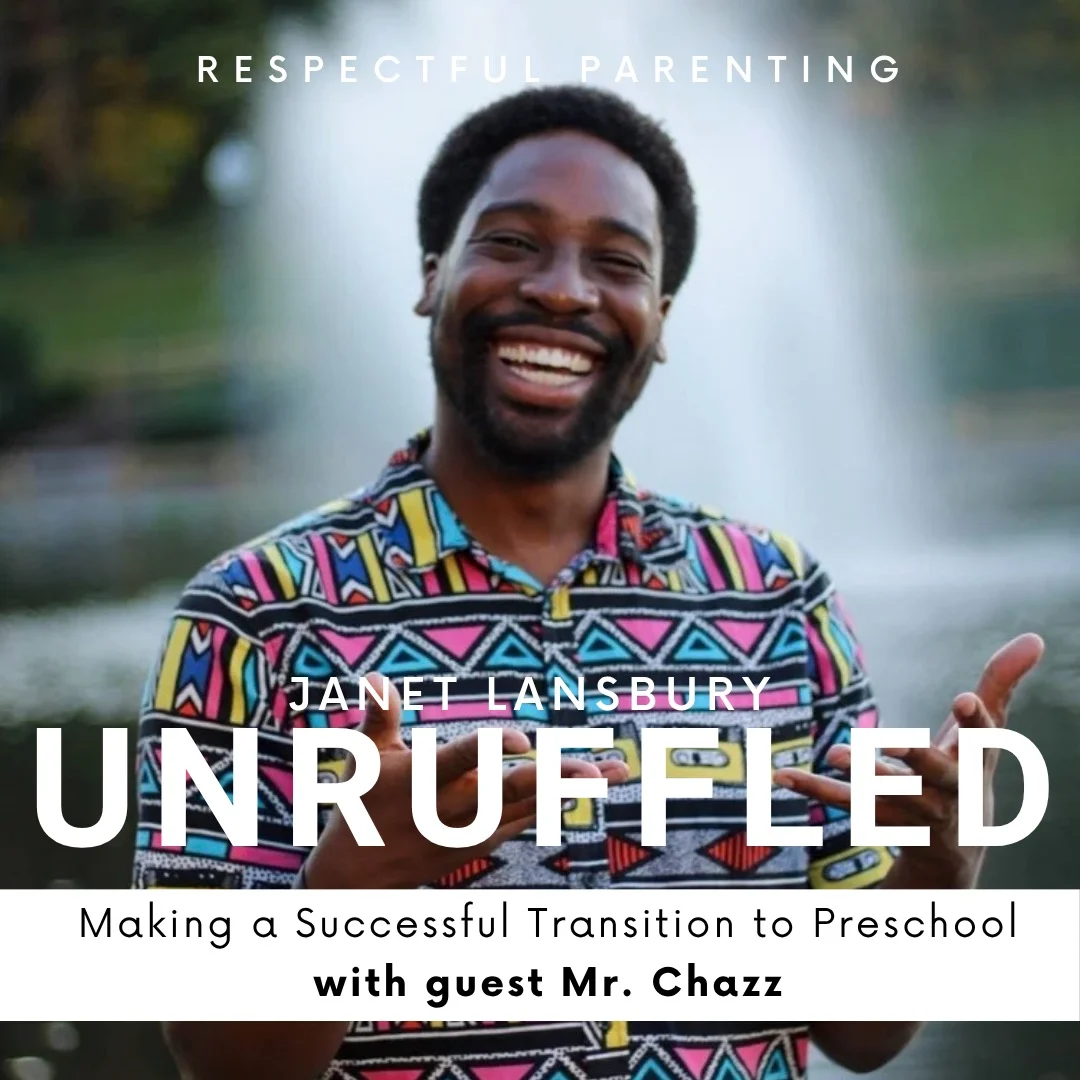
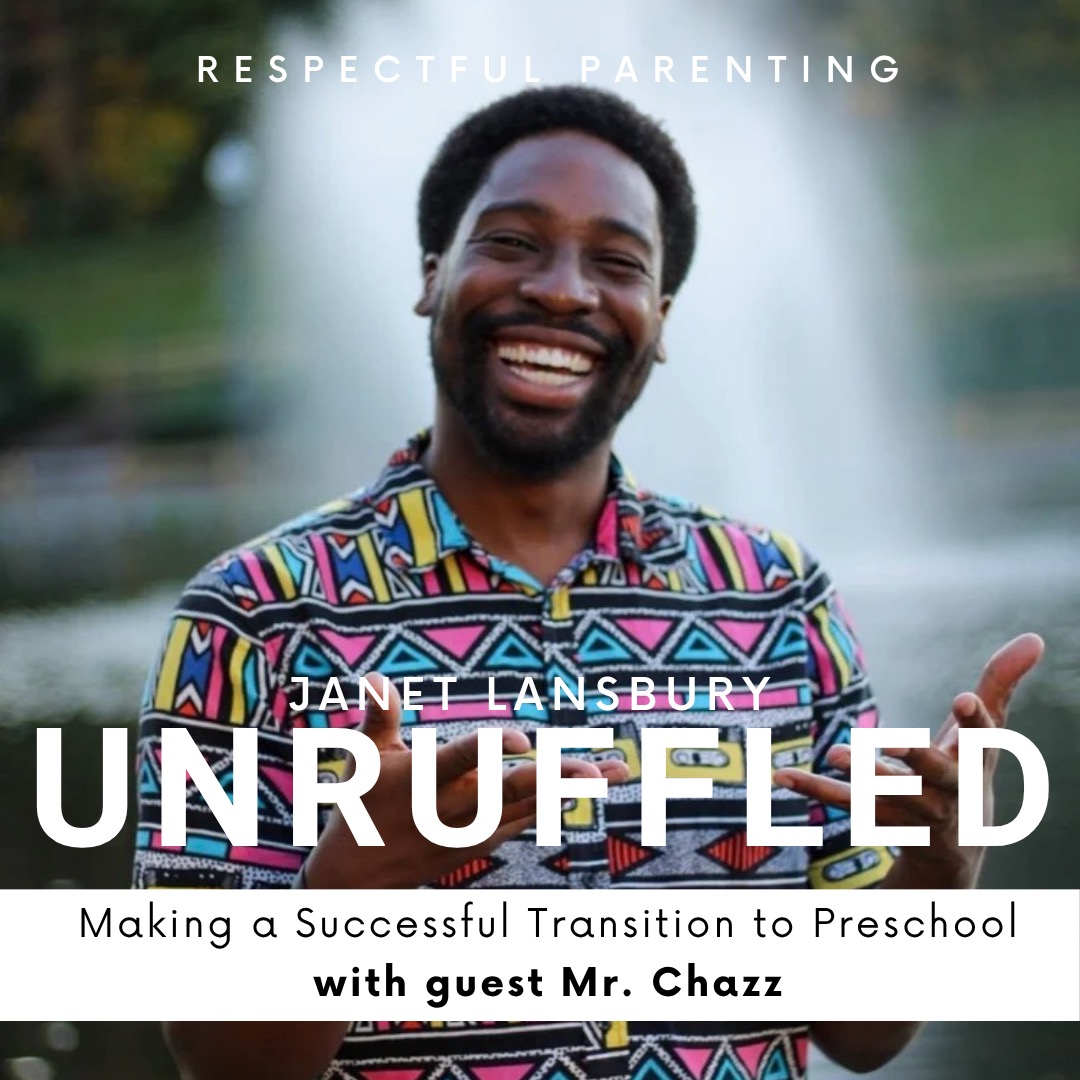
Renowned educator Mr. Chazz, celebrated for his insightful approach to child development and his engaging presence across social media platforms, recently shared his expertise on facilitating a smooth transition for children entering preschool or childcare settings. In an interview with Janet Lansbury, a prominent advocate for respectful parenting and early childhood education, Mr. Chazz detailed innovative strategies designed to foster trust, maintain crucial parent-child connections, and empower both children and caregivers during this significant developmental milestone.
The conversation, originally published on October 5, 2025, highlighted Mr. Chazz’s deep commitment to understanding and supporting children’s emotional needs. His work, which has garnered a substantial following on platforms like TikTok and Instagram, culminates in his latest venture: Birdhouse, a new learning and childcare center in Brooklyn. This initiative, according to Mr. Chazz, aims to serve as a model for early childhood education, addressing common challenges faced by children, parents, and educators during the crucial period of separation and adjustment to a new environment.
The Evolution of Early Childhood Transitions
Mr. Chazz, often referred to as "America’s Favorite Teacher," articulated a critical perspective on the prevailing methods of preschool and childcare transitions. He asserted that a significant majority of existing childcare facilities often prioritize adult convenience over the developmental needs of children and the well-being of educators. This approach, he explained, can inadvertently create an environment of anxiety and insecurity for young learners.
"We often do things for the convenience of the adult rather than what’s best for the child or the teachers or even the family unit," Mr. Chazz stated, underscoring a sentiment shared by many in the early childhood education field who advocate for more child-centered practices. He elaborated that these "not-so-ideal situations" are frequently dictated by the practical demands and responsibilities faced by adults, leading to rushed or superficial transitions.
The interview provided a platform for Mr. Chazz to contrast these traditional approaches with the philosophy underpinning Birdhouse. His vision for the center is rooted in creating an "ideal world" for early childhood education, one that actively addresses the shortcomings he has observed throughout his extensive career. This includes a re-evaluation of the very terminology used to describe the process, shifting from "drop-off" and "pick-up" to "arrival" and "reunion" to better reflect the importance of connection and belonging.
Birdhouse: A Model for Supportive Childcare
A cornerstone of Mr. Chazz’s approach at Birdhouse is the proactive support and well-being of his teaching staff. He highlighted a unique operational model where the head teacher lives on-site, offering a significant reduction in personal living expenses. This strategy aims to alleviate the financial pressures that often contribute to high turnover rates in the early childhood education sector.
"Teachers don’t feel like they’re in their own survival state. They can really lend their prefrontal lobes and really care for the children because they feel cared for and they’re not in a survival state," Mr. Chazz explained. This emphasis on educator well-being is not merely altruistic; it is strategically designed to enhance the quality of care children receive. Research consistently shows a strong correlation between supported and stable teaching staff and positive child outcomes, including improved emotional regulation and academic readiness. A 2023 report by the National Association for the Education of Young Children (NAEYC) noted that centers with lower staff turnover rates consistently demonstrate higher quality environments.
The concept of "arrival" at Birdhouse involves a structured, yet gentle, integration process. Parents are encouraged to spend time with their children upon entering the center, engaging in activities like handwashing and brief moments of connection. This is facilitated by visual cues and routines, such as a personalized greeting from Mr. Chazz or a designated "safekeeper" (a term he prefers over "teacher" to emphasize their role as protectors and nurturers). These visual aids, often presented as simple cards with step-by-step illustrations, help children and parents navigate the initial stages of the day, reducing uncertainty and anxiety.
Navigating the Emotional Landscape of Separation
Mr. Chazz stressed the importance of acknowledging and validating the emotional experience of separation for both children and parents. Instead of the often abrupt "Amazon package" style drop-offs, Birdhouse prioritizes a period of connection. This might involve a hug, a high-five, or a brief game tailored to the child’s preference. This deliberate approach aims to build a sense of security, allowing children to transition more readily into play and learning activities.
The center also offers opportunities for parents to visit with their children for extended periods, even participating in circle time, before the actual separation. This gradual introduction helps children build trust with the educators, referred to as "safekeepers," establishing a "safe person to go to" should they experience distress when the parent departs. This proactive measure is crucial, as research from the Harvard Center on the Developing Child indicates that strong relationships are fundamental to children’s resilience and ability to navigate challenging experiences.
Strategies for Traditional Childcare Settings
Recognizing that not all parents have access to innovative centers like Birdhouse, Mr. Chazz offered practical advice for navigating more traditional childcare environments. He emphasized the power of preparation and consistency.
Visual Routines and Role-Playing
For parents in settings with less flexibility, Mr. Chazz suggested creating visual routine cards at home. These can outline the steps involved in arriving at school, from greeting the teacher to putting away belongings. This visual support can empower children by giving them a predictable framework for the transition.
Role-playing these routines at home is another powerful strategy. By acting out the arrival and separation process in a playful manner, children can practice the sequence of events and become more familiar with the experience. This can include simulating goodbyes and the subsequent engagement in classroom activities. This preparatory work can significantly reduce friction and anxiety on the actual day of school.
Creating a Home Connection Book
Parents can also create a "connection book" for their child, filled with photographs of family members, the school environment, and familiar teachers. This tangible reminder of home and loved ones can serve as a comforting presence during moments of separation. Discussing the school’s schedule and the activities that will take place can also help children visualize their day and build anticipation for positive experiences.
Open Communication with Educators
Mr. Chazz also advocated for open and detailed communication between parents and educators. He encourages parents to share comprehensive information about their child’s preferences, routines, and any potential challenges, particularly regarding nap times or specific comfort objects. This detailed insight allows educators to better understand and cater to each child’s unique needs, fostering a more attuned and responsive caregiving environment. He notes that in group settings, educators are often in the process of learning about each child’s individual "codes," and detailed parent input is invaluable.
Understanding and Managing Big Emotions
A significant portion of the discussion revolved around handling the inevitable "big emotions" that arise during separation. Mr. Chazz shared an anecdote from Birdhouse where a child experienced prolonged distress during arrival. Rather than attempting to suppress the child’s crying, the educators acknowledged the child’s feelings, offering a supportive presence without forcing physical contact.
This approach is grounded in the understanding that emotions are a natural part of development and that allowing children to express them, with appropriate support, is crucial for their emotional regulation. The incident also highlighted a powerful learning opportunity for the other children, who collectively took a deep breath for their upset peer, demonstrating empathy and a shared understanding of emotional experiences. This mirrors principles of emotional intelligence education, which emphasizes the recognition and management of emotions in oneself and others.
Mr. Chazz stressed that these challenging moments are not failures but rather "powerful learning opportunities." He encourages caregivers and educators to adopt a "helpful mindset" and to view these situations as chances to deepen their understanding of the child and refine their support strategies. He also noted that children’s extended crying can be an indicator of exhaustion, underscoring the importance of ensuring children are well-rested.
The Importance of Educator Well-being and Continuous Learning
The conversation underscored the immense emotional labor involved in early childhood education. Mr. Chazz spoke passionately about his personal commitment to remaining in the classroom, despite opportunities for extensive travel and speaking engagements. He described the profound rewards of direct engagement with children and families, emphasizing a "mile deep" approach to teaching over a "mile wide" dissemination of information.
He also offered words of encouragement to fellow educators, acknowledging the difficulty of the profession and the importance of self-care. He advised them to "appreciate the little moments" of success and connection, as these can provide the energy and motivation to navigate the demanding aspects of the job.
Similarly, for parents, Mr. Chazz highlighted the importance of self-compassion. He encouraged parents to release blame, whether directed at themselves, their child, or the situation, and to accept that challenging moments "just are." By approaching these moments with intentionality and a belief in their child’s capacity to cope, parents can transform potentially negative experiences into valuable learning opportunities.
Broader Implications for Early Childhood Policy
The insights shared by Mr. Chazz and Janet Lansbury offer a compelling argument for a broader shift in how early childhood transitions are conceptualized and implemented. The emphasis on building trust, fostering secure attachments, and supporting the emotional well-being of both children and educators points towards a need for policy changes that prioritize these aspects.
Investment in professional development for educators, focusing on responsive caregiving and emotional regulation strategies, is crucial. Furthermore, promoting models of childcare that prioritize low staff turnover and create supportive working environments for teachers can have a cascading positive effect on the quality of care children receive. The success of Birdhouse suggests that innovative approaches, while requiring initial investment and thoughtful planning, can yield significant benefits for children’s developmental trajectories and overall well-being.
The conversation served as a potent reminder that the transition to preschool is not merely an logistical step but a complex emotional and relational journey. By prioritizing connection, understanding, and consistent support, parents and educators can collectively create an environment where young children can thrive, fostering confidence and a lifelong love of learning.
