

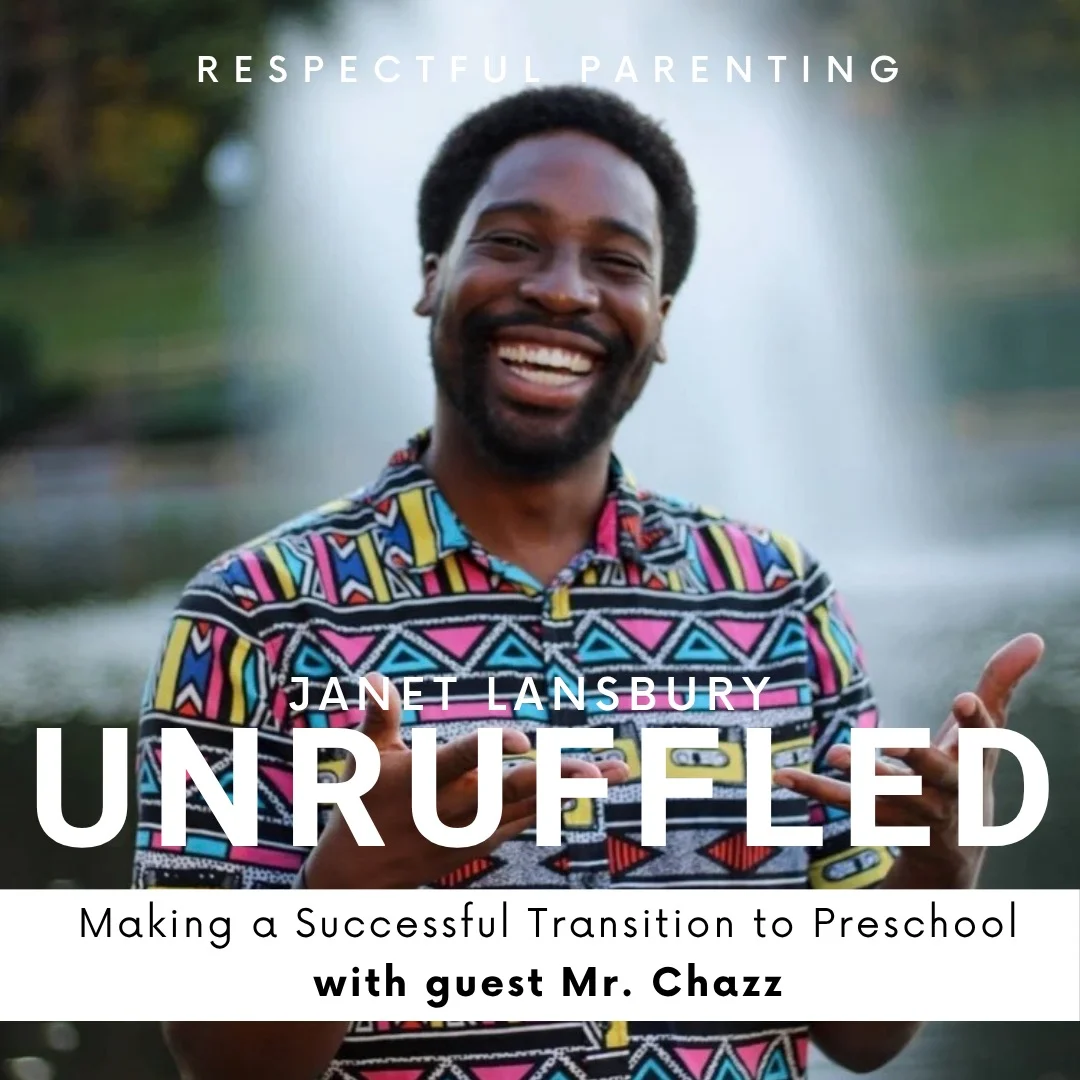
Esteemed educator Mr. Chazz, known for his insightful approach to early childhood development, recently joined Janet Lansbury on her podcast to discuss the critical process of transitioning children into preschool or new childcare settings. The conversation, recorded on October 5, 2025, highlighted Mr. Chazz’s innovative methods at his Brooklyn-based childcare center, Birdhouse, and offered practical advice for parents and educators navigating this often-challenging phase.
Mr. Chazz, widely recognized as "America’s favorite teacher," brings a wealth of experience and a deeply empathetic perspective to early childhood education. His philosophy centers on fostering trust and maintaining strong connections, enabling children to separate from their caregivers with confidence and security. Lansbury, a respected voice in parenting and early childhood education, expressed admiration for Mr. Chazz’s dedication to understanding and nurturing children, noting his significant influence across social media platforms like TikTok and Instagram, as well as through his podcast, "Learning Curve with Mr. Chazz."
The discussion delved into the intricacies of creating positive transitions, contrasting Mr. Chazz’s model at Birdhouse with more traditional childcare approaches. "Ninety-nine percent of childcare centers, the way they do the transition is not ideal," Mr. Chazz stated, emphasizing that many practices prioritize adult convenience over the developmental needs of children, teachers, and families. This candid assessment sets the stage for understanding the systemic issues within early childhood education and the potential for transformative change.
The Birdhouse Model: Prioritizing Educator Well-being
A cornerstone of Mr. Chazz’s approach at Birdhouse is the innovative housing arrangement for his head teacher, who lives in the space above the childcare center. This initiative directly addresses the pervasive issue of teacher burnout and high turnover in the early childhood sector. By alleviating the financial burden of rent, teachers are freed from a state of survival, allowing them to fully engage their pedagogical skills and emotional resources in caring for the children.
"Any parent can very much relate that it is much harder to care for children when you are not cared for yourself," Mr. Chazz explained. This principle underscores the interconnectedness of educator well-being and the quality of childcare provided. Lansbury echoed this sentiment, highlighting how supporting teachers fosters commitment and consistency, crucial elements for children and families seeking stability in their caregiving relationships. The early childhood education field has historically grappled with significant turnover rates, often attributed to low wages and demanding work conditions. Data from the National Association for the Education of Young Children (NAEYC) consistently points to high attrition rates among early childhood educators, with many leaving the profession within their first few years. Mr. Chazz’s model offers a tangible solution by investing in the well-being and professional longevity of his staff.
Redefining Arrival and Reunion: Fostering Connection
Mr. Chazz introduced a paradigm shift in how transitions are perceived and managed, reframing the terms "drop-off" and "pick-up" to "arrival" and "reunion." This linguistic change reflects a fundamental reorientation towards prioritizing connection and integration. Instead of a hurried departure, Birdhouse emphasizes a deliberate "arrival" period where parents and children engage in a ritualistic sequence designed to foster a sense of belonging and security.
This process begins with a moment of connection, often a high-five, hug, or fist bump, individualized to each child’s preference. Visual aids, such as a routine card, guide both children and parents through subsequent steps: storing belongings, removing shoes, and washing hands. These visual cues provide structure and predictability, reducing anxiety for young children. The emphasis on handwashing, a crucial hygiene practice, is integrated into the arrival ritual, making it a shared activity between parent and child.
A pivotal element of the arrival process is the encouragement of a final, meaningful connection between parent and child before separation. This can range from a brief hug to a short, playful game. While parents are not compelled to stay for extended periods, they are invited to participate in the initial integration into the classroom environment, including circle time. This extended welcome contrasts sharply with the common practice in many traditional centers where parents are expected to make a swift exit, sometimes leaving children in distress.
The Power of Pre-Visit and Gradual Integration
Birdhouse further facilitates a smoother transition by offering a "pre-visit" period, typically one to two weeks before a child’s official start. During these visits, children and parents can engage with the space, the schedule, and the "safekeepers" (as Mr. Chazz refers to his teachers). This gradual introduction allows children to develop familiarity and build trust with the educators, ensuring they have a "safe person to go to" when their parent departs.
This proactive approach is crucial for helping children navigate the emotional complexities of separation. Mr. Chazz argues that without pre-existing connections, it is significantly harder for educators to support a child through the intense emotions that can arise. By building these foundational relationships beforehand, the likelihood of a child feeling secure and supported during the separation process increases dramatically. This aligns with developmental psychology principles that emphasize secure attachment as a prerequisite for emotional regulation and exploration.
Navigating Difficult Emotions: A Learning Opportunity
Even with robust preparation, Mr. Chazz acknowledges that some children will still experience distress upon their parent’s departure. However, the Birdhouse approach emphasizes that these moments are not failures but rather "powerful learning opportunities." When a child cries, the safekeepers are equipped to offer comfort and support because a connection has already been established.
The center utilizes strategies to help children co-regulate and transition into play and social interaction. Mr. Chazz shared a poignant anecdote about a child who experienced prolonged crying during circle time. Instead of attempting to silence the child or dismiss their feelings, the educators acknowledged the child’s sadness, explaining to the other children that their peer was missing their mom. The group then collectively took a deep breath for the child, a practice that not only supported the distressed child but also taught the other children valuable self-regulation skills. This approach demonstrates how even challenging emotional moments can become pedagogical tools, fostering empathy and resilience within the classroom community.
The Role of Observation and Reflection in Educator Development
Mr. Chazz highlighted the use of cameras in classrooms not for surveillance, but as a powerful tool for reflection and professional development. These recordings allow educators to analyze interactions, identify areas for growth, and share insights with colleagues. This collaborative approach to learning fosters a culture of continuous improvement and ensures that educators are constantly refining their skills in attuning to children’s needs.
"We use cameras as reflection, as really powerful learning opportunities," Mr. Chazz explained. This methodology empowers educators to learn from their experiences, including mistakes. By openly discussing and analyzing challenging moments, such as misinterpreting a child’s cues or reacting too quickly, the entire team benefits, fostering a supportive environment where learning and growth are paramount. This is particularly vital in a profession that demands high levels of emotional intelligence and responsiveness.
The Art of Connection: Being Receptive, Not Proactive
A recurring theme throughout the conversation was the importance of being receptive to a child’s cues rather than imposing one’s own agenda. Mr. Chazz stressed that true connection stems from noticing what a child is interested in and reflecting that back to them. This can involve simply observing their focus, mirroring their actions, or handing them a toy that aligns with their current play.
"Mostly because we underestimate little kids and babies, what they have going on inside," Lansbury observed. This underestimation often leads adults to proactively "do something" to entertain or engage children, rather than allowing the child to lead the interaction. Mr. Chazz agreed, noting that this receptiveness creates a powerful bridge to feeling seen and understood, leading to genuine connection. This principle of attunement is central to attachment theory and is recognized as fundamental for healthy emotional and social development.
Practical Strategies for Parents and Educators
For parents whose children are transitioning to traditional childcare settings where extended stays may not be possible, Mr. Chazz offered several practical strategies:
- Visual Routine Cards: Creating a simple visual sequence of the arrival process can help children understand and anticipate the steps involved, reducing anxiety. This can be a card with pictures depicting greeting, storing belongings, removing shoes, and washing hands.
- Photo Books and Schedules: Parents can create a personalized book with pictures of the school, teachers, and classmates, along with a simplified daily schedule. This allows children to visualize their day and build excitement for the experience.
- Role-Playing: Practicing the entire transition routine at home through play can help children become familiar with the sequence of events and the process of saying goodbye. This "rehearsal" can significantly reduce friction on the actual day.
- Open Communication with Teachers: Providing detailed information about a child’s personality, preferences, and routines to their teachers is invaluable. This includes insights into naptime rituals, favorite toys, and any specific anxieties or comfort strategies.
Mr. Chazz emphasized that this detailed communication is not burdensome but essential for educators to effectively attune to each child, especially in larger group settings. He noted that the first month in a new program is a critical period for teachers to learn each child’s unique "codes" and needs.
The Enduring Reward of Early Childhood Education
The conversation concluded with a reflection on the profound rewards and challenges of working in early childhood education. Mr. Chazz articulated his personal commitment to remaining in the classroom, finding it more fulfilling than extensive travel and speaking engagements. He described his work as a "mile deep" rather than "a mile wide," emphasizing the depth of connection and impact achieved through consistent, hands-on engagement with children and families.
"There’s absolutely nothing more rewarding than being with my kids day in and day out and supporting them and practicing my skills and supporting the parents and teaching the parents," he stated. Lansbury resonated with this sentiment, acknowledging the deep learning and emotional richness that comes from working closely with young children and their families.
Mr. Chazz offered a message of encouragement to fellow educators, acknowledging the emotional labor involved in their profession. He urged them to appreciate the "little moments" of success and connection, which can serve as a vital source of energy and motivation. Similarly, he encouraged parents to celebrate their own successes in navigating challenging moments, recognizing that their resilience and belief in their child’s capacity to handle separation are powerful forces.
Ultimately, the discussion with Mr. Chazz provided a comprehensive and compassionate framework for understanding and facilitating successful preschool transitions. His emphasis on educator well-being, intentional connection, and viewing challenges as learning opportunities offers a vital roadmap for creating more supportive and nurturing environments for young children as they embark on their educational journeys. The implications of his approach extend beyond individual children and families, suggesting a potential model for systemic improvements within the early childhood education landscape.
