

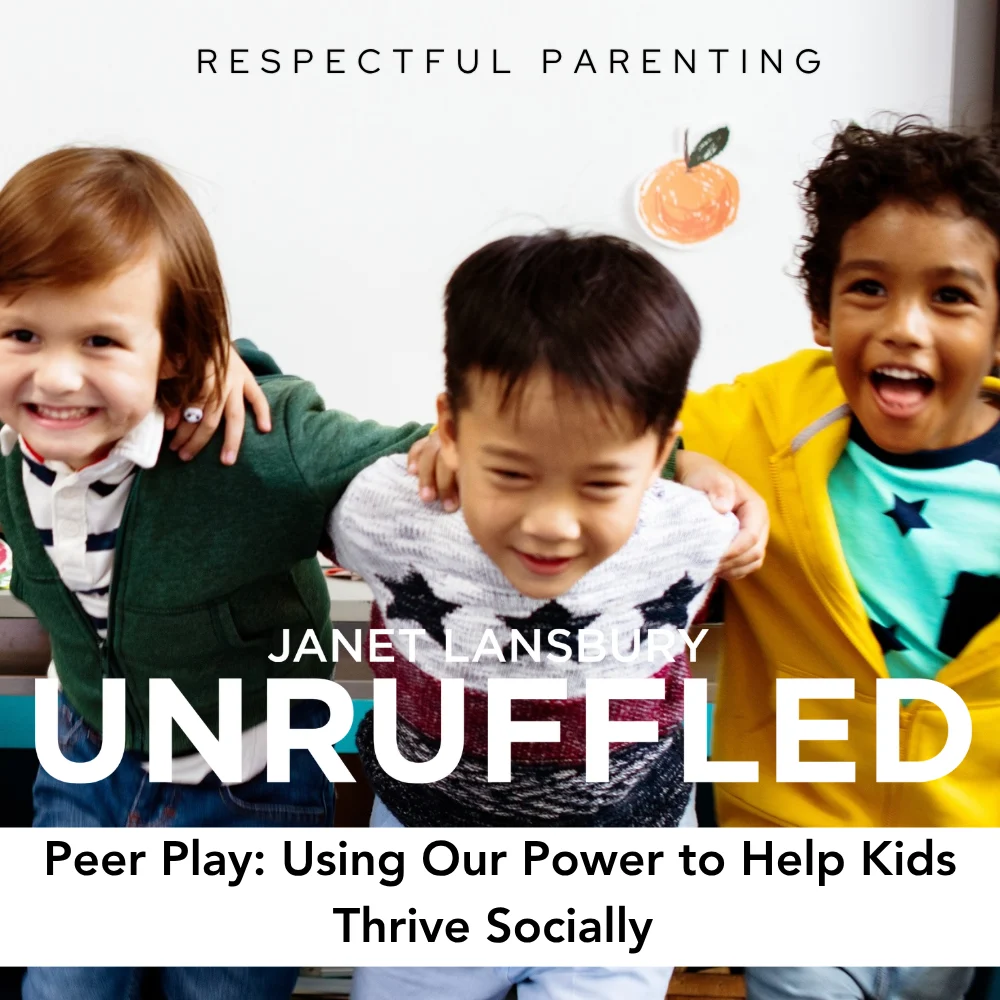
In an era where early childhood social development is increasingly scrutinized, child development expert Janet Lansbury offers a nuanced perspective on how parents can effectively guide their children through the complexities of peer interactions. Lansbury, drawing on her experience and insights from listener submissions to her podcast "Unruffled," emphasizes the significant, yet often overlooked, role parents play in fostering social confidence, resilience, and healthy relationship skills in young children. Her approach highlights the power of parental boundaries and trust in a child’s natural developmental process, suggesting that direct intervention is not always the most beneficial path.
Lansbury’s recent discourse, stemming from listener questions posed in June 2026, addresses common childhood social challenges, including rigid play styles, social anxieties, and group exclusion. She posits that many parental responses, while well-intentioned, may inadvertently hinder a child’s ability to learn essential social navigation skills. The core of her message centers on understanding the profound influence parents have through their own modeling, the establishment of firm yet respectful boundaries, and a deep-seated trust in their child’s innate capacity to learn and grow.
Navigating the Dynamics of Play: A Parent’s Influence
The podcast episode "Peer Play. Using Our Power to Help Kids Thrive Socially" tackles three distinct parental concerns, revealing a common thread: the desire to help children succeed socially. Lansbury argues that while direct modeling of kindness, generosity, and grace can teach children these virtues, the acquisition of nuanced social skills is not as straightforward as direct instruction. Instead, these skills are learned experientially.
One of the most compelling cases presented involves a four-year-old who deeply immerses herself in imaginative play, often dictating the roles and dialogue for others. When playmates deviate even slightly from her script, she becomes distressed, halting the game and restarting. This rigidity, while a testament to her vivid imagination, presents a significant challenge when interacting with peers. The parent notes that this has been an ongoing issue for a year, impacting her friendships, leading to tears and frustration for all involved.
Lansbury identifies this scenario as a prime example of a situation where parental boundaries are crucial. She suggests that parents, in their eagerness to engage with their child’s imaginative world, can sometimes grant the child too much power, becoming overly compliant with their exacting demands. This, Lansbury explains, can lead children to believe that their parents—and by extension, others—should always cater to their specific needs and directions.
"It can be easy to get kind of lost in this as parents, especially if we do have an approach where we respect and trust our child and we want to encourage them, of course," Lansbury states. "But when we’re trying to participate with them and then they’re being so exacting and it seems impossible to please them even though we’re playing with them, that’s something to look at."
The implication here is that a child’s insistence on rigid play might stem from an underlying need for structure and predictability, or perhaps a way to process and express feelings of powerlessness in other areas of their life. By allowing the child to control the parent’s participation, the parent misses an opportunity to model healthy self-advocacy and boundary-setting.
The Power of Boundaries in Social Development
Lansbury’s analysis of the four-year-old’s play challenges suggests that the child is not necessarily seeking a more elaborate game, but rather seeking boundaries. When parents consistently adhere to a child’s hyper-specific demands, the child learns that this is the expected mode of interaction. This can then spill over into peer relationships, where other children are less likely to comply with such rigid directives.
"This is one we can help this child with," Lansbury asserts. "We don’t let her control us and the way we’re talking and the way we’re playing with her, if we’re nice enough to want to play with her. And I would not make that my job, to play with my child. My job is to give focused attention in spurts throughout the day, to create a safe home where my child can flourish and do the play that she’s doing, which is wonderful play in itself."
This perspective shifts the focus from "fixing" the child’s play to adjusting the parent’s role within it. By setting reasonable boundaries—for instance, by saying, "I’m not going to play Anna today, but I’m happy to join you in [another activity]"—parents can teach children that others have their own preferences and that not every interaction will conform to their desires. This, Lansbury argues, is crucial for building resilience and understanding in social contexts.
The parent’s observation that this dynamic has persisted for a year and has negatively impacted friendships underscores the long-term consequences of unaddressed rigid play. Lansbury implies that while peer rejection might eventually teach the child, parental guidance through boundary-setting can accelerate this learning process and mitigate unnecessary distress.
Addressing Exclusion and the Misconception of "Bullying"
Another significant concern raised by a listener involves a four-and-a-half-year-old who is frequently excluded by her peers at the playground. The other girls, who are a year older and perceived to be at a different developmental stage, engage in activities like pretending she is a monster or leaving her out of their games. The parent, while generally in favor of children resolving their own conflicts, feels uncertain about the best approach, especially as other parents are also intervening.
Lansbury cautions against labeling such instances as "bullying" at this age. She defines bullying as a more pervasive and targeted form of aggression, distinct from the typical social dynamics of exclusion that can occur among preschoolers.
"This word gets thrown around a lot these days, ‘bullying,’ and I don’t think it applies to children this age at all," Lansbury explains. "It’s quite different from children excluding another child like this."
Instead, she frames the situation as a natural consequence of developmental differences. The older girls, operating at a different social-emotional level, are simply engaging in play that naturally excludes younger children. Lansbury suggests that the parent’s role is not to force inclusion but to help her daughter understand the dynamic and build confidence in navigating it.
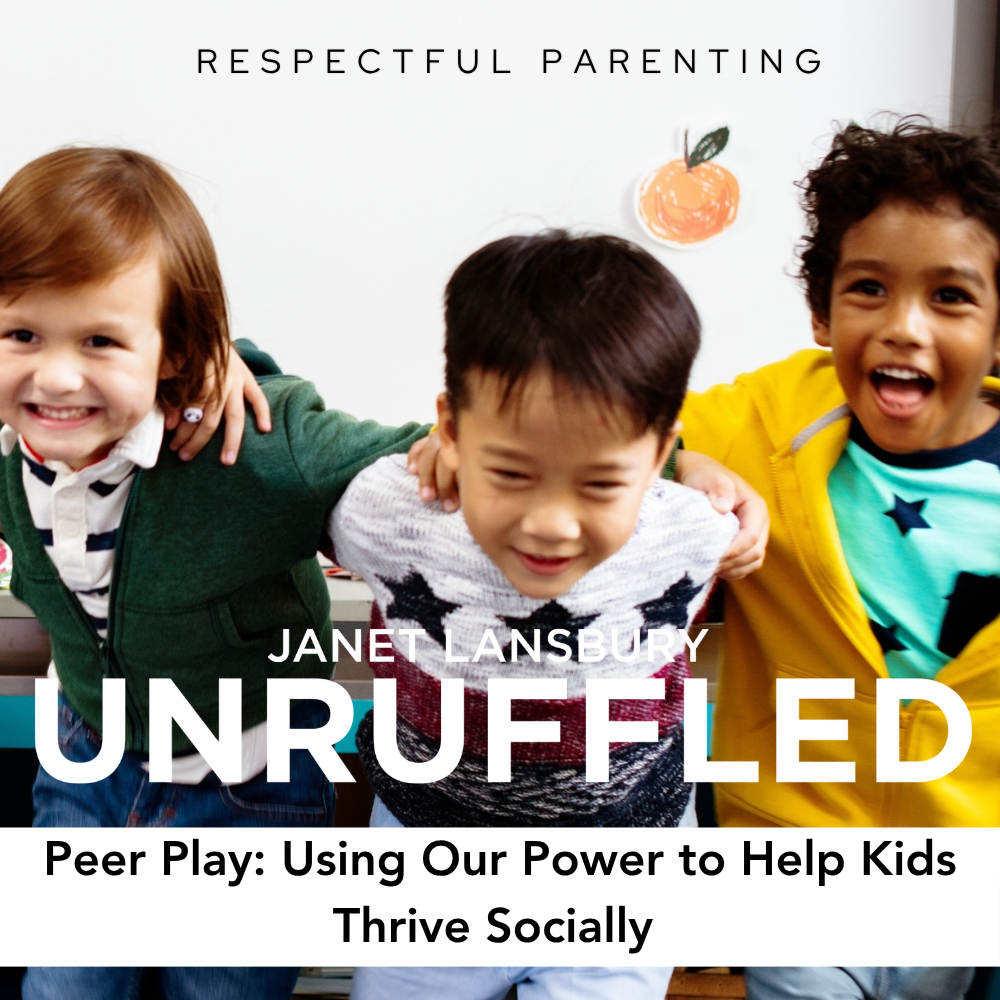
"I would also look at that they’re in the grade ahead of her in preschool," Lansbury advises. "As children get older that maybe isn’t such a huge difference, but in preschool, a spread of a year of age is a big difference. And as this parent said, their social-emotional development is at a different place than this little girl’s is."
The parent’s account of one father intervening by mandating his daughter play with the excluded child highlights a common parental impulse to "fix" social situations. While well-meaning, Lansbury argues that such interventions, though seemingly effective in the short term, do not equip the child with the skills to navigate these challenges independently.
"What’s aligned with respectful parenting is maybe just the intervention of helping my child have reasonable expectations and then not intervening further, trusting my child to have their own process," Lansbury states. This involves preparing the child for potential exclusion and trusting their ability to cope with the feelings that arise, rather than orchestrating their inclusion.
Fostering Comfort in Reserved Children: The Role of Trust
The third scenario presented is a brief but common question from Instagram: "Helping a reserved three-year-old be comfortable around other people?" Lansbury’s response reiterates her central theme: trust in the child’s individual pace.
She firmly advises against pushing, coaxing, or trying to "fix" a child’s reserved nature. Instead, she advocates for providing a secure base from which the child can explore social situations at their own speed. This means allowing a reserved child to stay close to a parent, but also setting a boundary by not allowing the parent to be constantly tethered to the child’s activities.
"I’ll be here. I’ll be comfortable. I’ll have a boundary. I’ll take care of myself, and I trust you to do what you’re ready to do," Lansbury suggests as a parental stance. This approach empowers the child, signaling confidence in their ability to manage their social interactions and gradually expand their comfort zone.
The underlying principle across all three scenarios is that children learn best when allowed to experience social interactions authentically, with parents acting as guides and support systems rather than as active managers of social outcomes. This trust-building approach, Lansbury contends, is the most effective way to foster genuine social competence, resilience, and self-assurance in young children.
Broader Implications for Early Childhood Socialization
The insights shared by Janet Lansbury offer a significant counterpoint to prevailing trends that often emphasize direct intervention and immediate resolution of social difficulties in young children. Her emphasis on parental boundaries and trust in a child’s natural developmental timeline is supported by a growing body of research in developmental psychology that highlights the importance of self-regulation and resilience, skills that are cultivated through facing and processing challenges.
For instance, studies on executive functions in children, such as those published in journals like Child Development, indicate that the ability to manage impulses, adapt to changing circumstances, and persist through difficulties are foundational for social success. Lansbury’s approach directly nurtures these capacities by allowing children to experience the natural consequences of their social interactions and by providing a secure, non-judgmental environment for them to process these experiences.
The concept of "respectful parenting" that Lansbury advocates for aligns with authoritative parenting styles, which are characterized by high responsiveness and high demandingness. This means being attuned to a child’s needs while also setting clear limits and expectations. The data suggests that children raised in authoritative households tend to exhibit higher levels of social competence and emotional well-being.
Timeline of Discussion:
- June 2026: Janet Lansbury receives listener submissions for her "Unruffled" podcast addressing peer play and social dynamics.
- June 2026: Lansbury records and releases the episode "Peer Play. Using Our Power to Help Kids Thrive Socially," discussing the three submitted scenarios.
- Ongoing: The principles discussed in the episode are intended to guide parents in their daily interactions with young children, fostering long-term social development.
Fact-Based Analysis:
The scenarios presented by parents reflect common anxieties about childhood socialization. Data from the American Academy of Pediatrics indicates that social skills are a critical component of healthy child development, influencing academic success and mental health throughout life. However, the methods by which these skills are best cultivated remain a subject of ongoing discussion among educators and psychologists. Lansbury’s perspective offers a valuable framework for understanding how parental actions, particularly in setting boundaries and exercising trust, can profoundly shape a child’s social trajectory.
The implications of Lansbury’s advice extend to early childhood education settings as well. Educators often face similar challenges with group dynamics, imaginative play, and social exclusion. Her emphasis on observing children’s natural processes and intervening minimally, while providing a secure environment, could inform pedagogical approaches.
Ultimately, Lansbury’s message is one of empowerment for parents. By understanding their own influence and the power of trusting their child’s process, parents can move beyond the impulse to fix every social hiccup and instead foster deeper, more resilient social competence in their children. This approach, while challenging at times, holds the promise of nurturing children who are not only socially adept but also emotionally secure and confident in their ability to navigate the world.
