

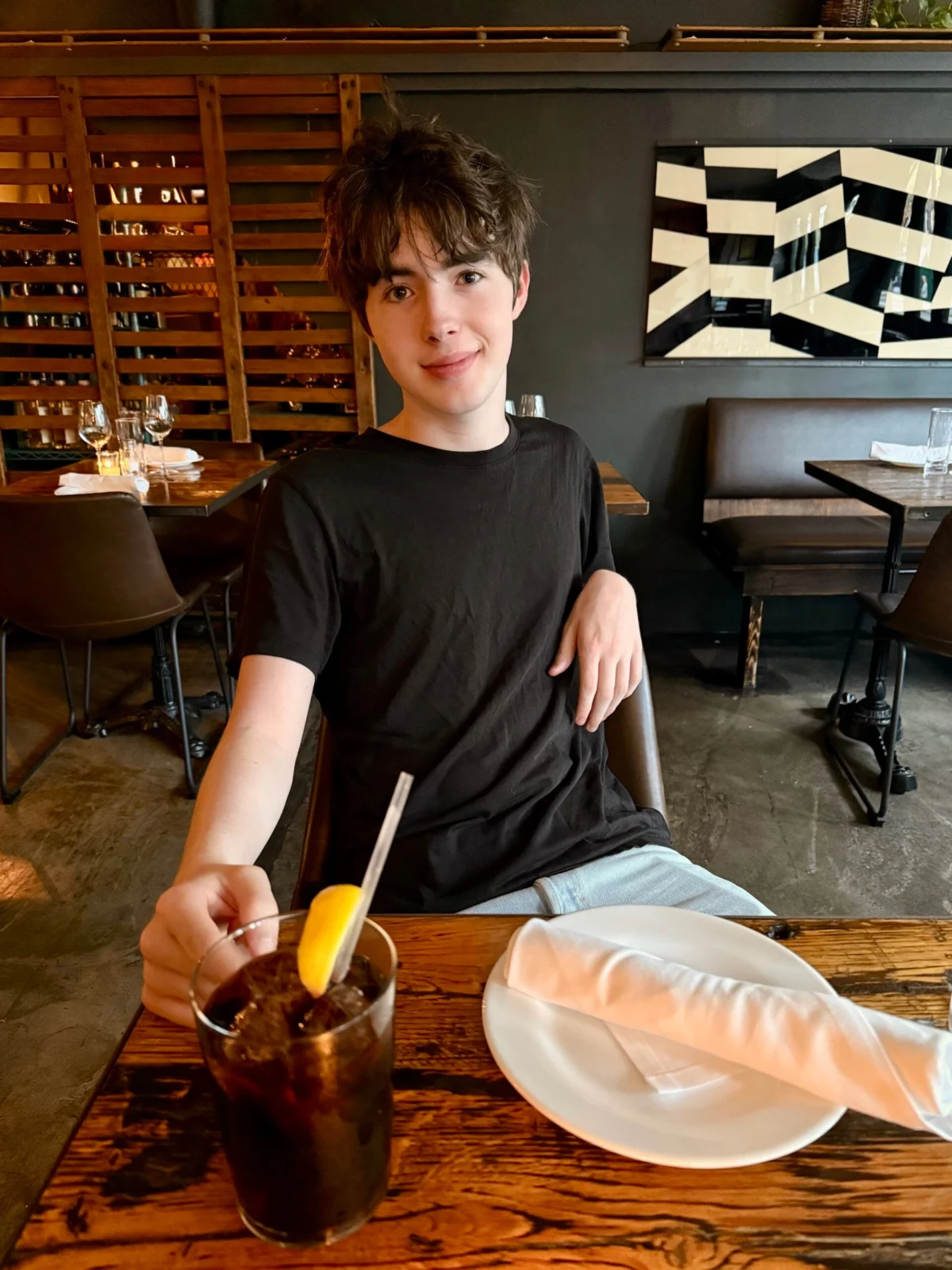
The landscape of the American beverage industry is witnessing a notable shift as classic non-alcoholic preparations, once relegated to the "children’s menu" of the mid-20th century, find a renewed following among a more discerning demographic of preteen and teenage consumers. During a recent dining engagement at a neighborhood establishment, a youth consumer identified as Toby highlighted this trend by opting for a Roy Rogers—a traditional mocktail comprising Coca-Cola and grenadine, garnished with a maraschino cherry. This choice, while seemingly simple, reflects a broader cultural movement toward "elevated" non-alcoholic options that provide a sense of sophistication and cinematic nostalgia, distinguishing themselves from the ubiquitous lemon-lime soda alternatives that have dominated the market for decades.
The Anatomy of a Classic: Roy Rogers vs. Shirley Temple
To understand the current appeal of the Roy Rogers, one must first examine its composition and its historical counterpart, the Shirley Temple. While the Shirley Temple utilizes a base of ginger ale or lemon-lime soda (such as Sprite or 7-Up) mixed with grenadine, the Roy Rogers swaps the clear soda for Coca-Cola. The result is a deeper, more robust flavor profile that balances the caramel notes of the cola with the tart sweetness of the pomegranate-flavored syrup.
According to Toby, the distinction is significant for the modern palate. "A Roy Rogers is so much more exciting than a Shirley Temple," he observed, noting that the beverage allows for a distinct "cherry" taste while remaining "Coke-y." This nuance is indicative of a growing trend among younger consumers who are moving away from overly saccharine "kiddie cocktails" in favor of drinks that offer a more complex flavor experience. The Roy Rogers, with its darker hue and more aggressive carbonation, provides a visual and sensory experience that many adolescents associate with a more mature dining atmosphere.
Historical Context and the "King of the Cowboys"
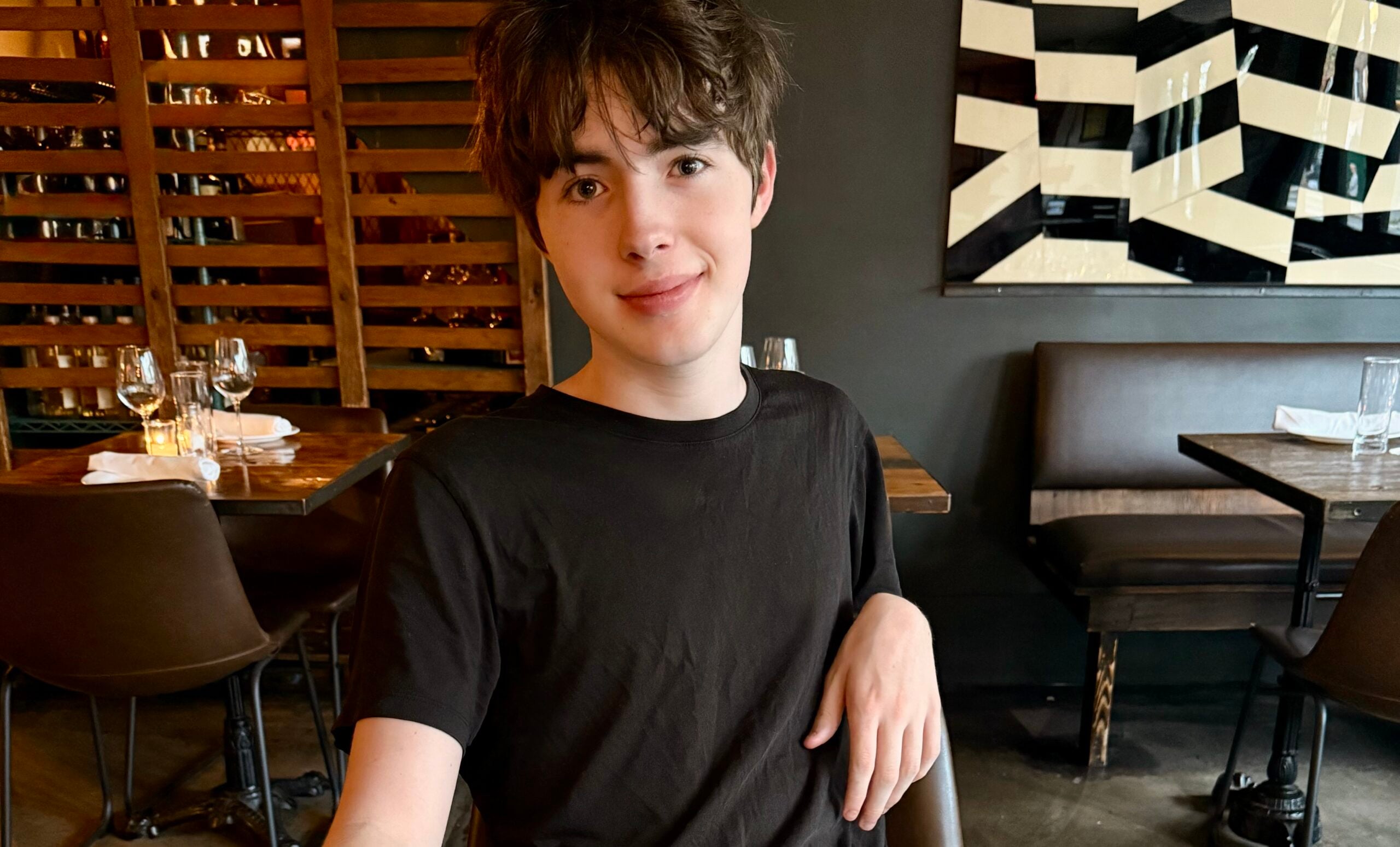
The drink is named after Roy Rogers (1911–1998), the iconic American singer and actor known as the "King of the Cowboys." Rogers, a prominent figure in Western films and television, was a teetotaler, which led to the naming of this non-alcoholic "highball" in his honor. The beverage rose to prominence in the mid-20th century, serving as a masculine alternative to the Shirley Temple during an era when gender-coded marketing was prevalent in the hospitality industry.
Historically, the Roy Rogers was a staple in American diners and upscale restaurants alike, providing a way for minors to participate in the social ritual of "ordering a drink" alongside adults. However, as the late 20th century saw a rise in the consumption of standardized fountain sodas, the specific art of the Roy Rogers began to fade from the collective memory of the service industry, leading to the "knowledge gap" frequently encountered by contemporary diners.
The Musso & Frank Connection: Atmosphere and Influence
The resurgence of interest in these classic preparations is often tied to specific "legacy" establishments that maintain high standards of traditional mixology. One such venue is the Musso & Frank Grill in Los Angeles, the oldest restaurant in Hollywood. Toby identified the establishment as a pinnacle of the Roy Rogers experience, citing the professional demeanor of the staff and the unique ambiance of the bar.
"My favorite bartender is the guy at Musso & Frank in L.A.," Toby stated, drawing a comparison between the professional aesthetic of the staff and the classic cinematic imagery found in Stanley Kubrick’s The Shining. The atmosphere of such establishments—characterized by dim lighting, dark wood paneling, and a sense of historical weight—plays a crucial role in how the beverage is perceived. For a preteen or teenager, the Roy Rogers is not merely a drink but a prop in a larger experience of "sophisticated" dining. Toby noted that the experience "makes you feel like you’re in Top Gun: Maverick," suggesting that the beverage serves as a bridge between childhood and the aspirational world of adult cinema and culture.
The Challenge of the Modern Service Industry
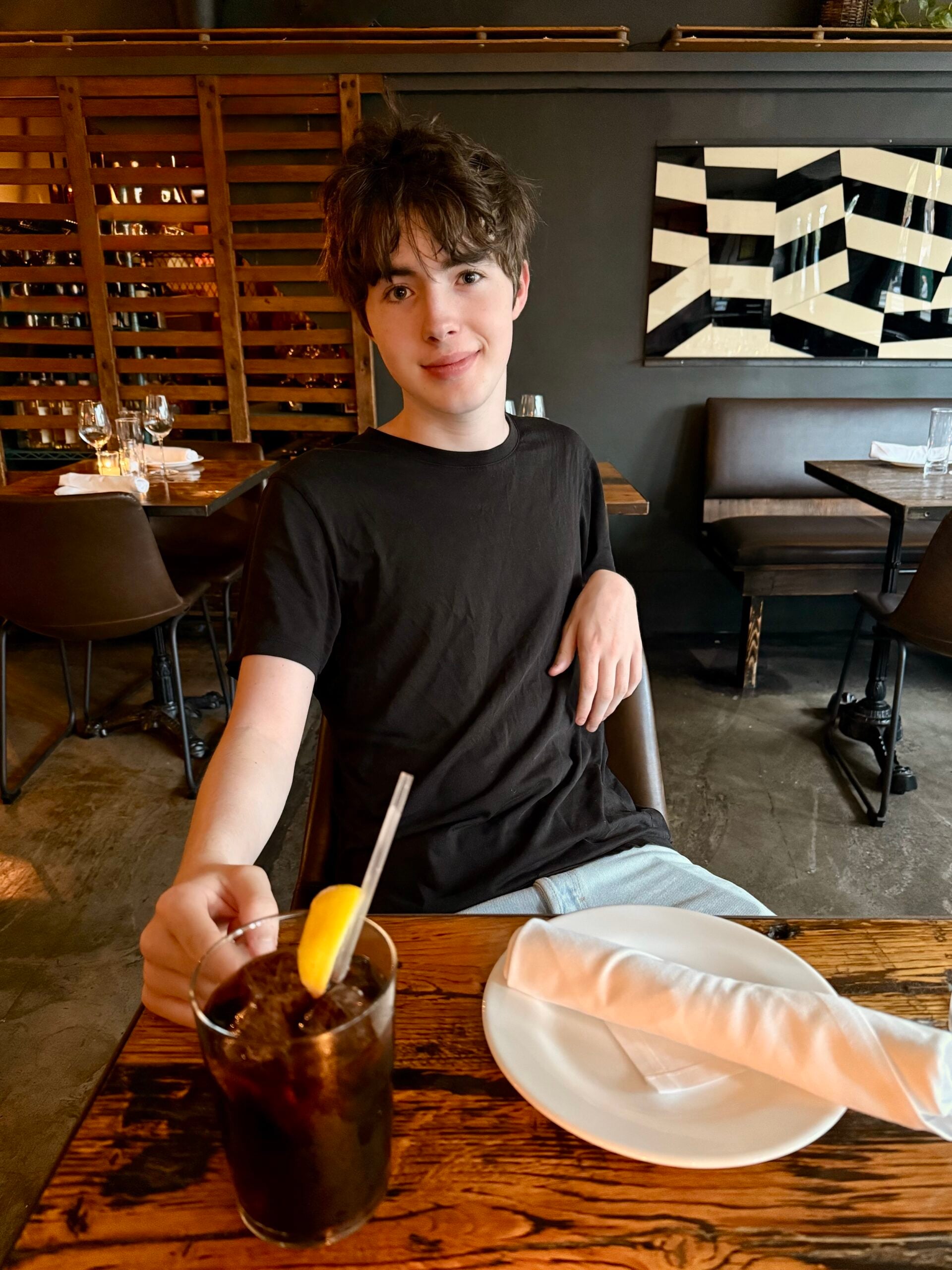
Despite its status as a classic, the Roy Rogers faces a hurdle in the modern era: a lack of recognition among younger waitstaff. In many contemporary casual dining environments, the nuances of mid-century mocktails have been lost. Toby warned that "waiters don’t always know it," necessitating a more descriptive approach to ordering.
In instances where the name fails to register, the consumer must specify the ingredients: grenadine mixed with Coca-Cola. This shift from "name-brand" ordering to "ingredient-based" ordering highlights a disconnect between the historical repertoire of the hospitality industry and the training of modern servers. Toby’s observation that "if it was the 1980s, I would just ask for a Roy Rogers" underscores a nostalgic longing for a time when these non-alcoholic staples were a universal language in American restaurants.
Furthermore, the "social etiquette" of the Roy Rogers suggests a situational awareness. Toby advises that while a standard soda suffices for casual dining, a "fancy restaurant" demands a more sophisticated order. This indicates a high level of consumer consciousness regarding the relationship between beverage choice and the prestige of the environment.
Market Trends: The Rise of the Sophisticated Mocktail
The anecdotal popularity of the Roy Rogers is supported by broader market data. The non-alcoholic beverage sector has seen explosive growth over the last five years. According to reports from IWSR Drinks Market Analysis, the "No-Lo" (No and Low Alcohol) category is expected to grow by a compound annual growth rate (CAGR) of 7% through 2026. While much of this growth is driven by adults participating in "Dry January" or the "Sober Curious" movement, a significant portion is fueled by Gen Z and Gen Alpha consumers who are entering the dining market with different priorities than their predecessors.

Several factors contribute to this shift:
- Health Consciousness: Younger demographics are increasingly aware of the health impacts of alcohol and high-fructose corn syrup, leading them to seek "treat" drinks that feel intentional rather than habitual.
- Social Media Aesthetic: The visual appeal of a well-garnished Roy Rogers—served in a highball glass with multiple cherries—is highly "shareable," fitting the aesthetic requirements of modern social platforms.
- Inclusivity in Fine Dining: Restaurants are increasingly recognizing that the "children’s menu" is an outdated concept. By offering sophisticated mocktails, establishments can provide a premium experience to minors, thereby increasing the overall check average for family dining.
Broader Implications for the Hospitality Industry
The "Toby Effect"—referring to the informed, discerning young diner—presents both a challenge and an opportunity for restaurant owners. To cater to this demographic, establishments must ensure that their bar staff is well-versed in classic non-alcoholic preparations. This goes beyond the Roy Rogers and Shirley Temple to include drinks like the Arnold Palmer, the Virgin Mary, and modern "botanical" mocktails.
The integration of youth-focused but sophisticated options is a key component of what industry analysts call "Family-Inclusive Premium Dining." As documented in previous reports on youth dining habits—such as Toby and Anton’s "Nine Tips for Bringing Kids to Restaurants"—the success of a family outing often hinges on the child’s ability to feel like a respected participant in the meal. When a restaurant can successfully execute a Roy Rogers without confusion, it signals a level of service that appeals to the parents’ desire for a seamless, high-quality experience.
Conclusion: The Future of the Roy Rogers
As we move toward the mid-2020s, the Roy Rogers stands as a symbol of the enduring power of classic American culture. It is a beverage that bridges the gap between the "King of the Cowboys" and the "Top Gun" generation, proving that flavor profiles rooted in balance and tradition can transcend age gaps.
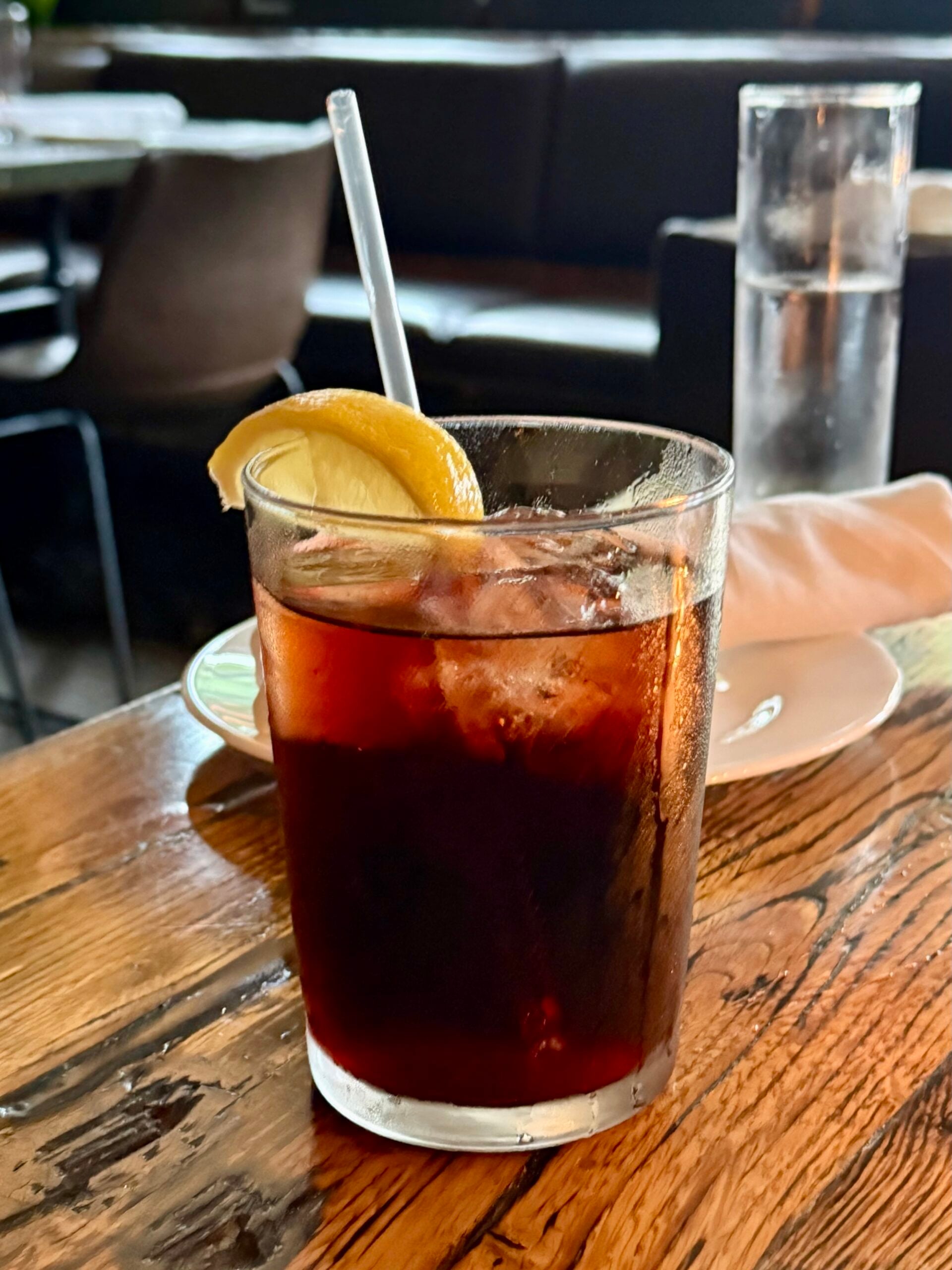
For the hospitality industry, the lesson is clear: do not underestimate the sophistication of the younger diner. Whether it is navigating the complexities of New York City, surviving the rigors of family travel, or mastering the art of the perfect chocolate chip cookie, consumers like Toby are demonstrating a preference for quality and history over convenience. The Roy Rogers is not just a soda with syrup; it is a testament to the fact that even in a world of rapidly changing trends, there is always room for a classic—provided you know how to ask for it.
