

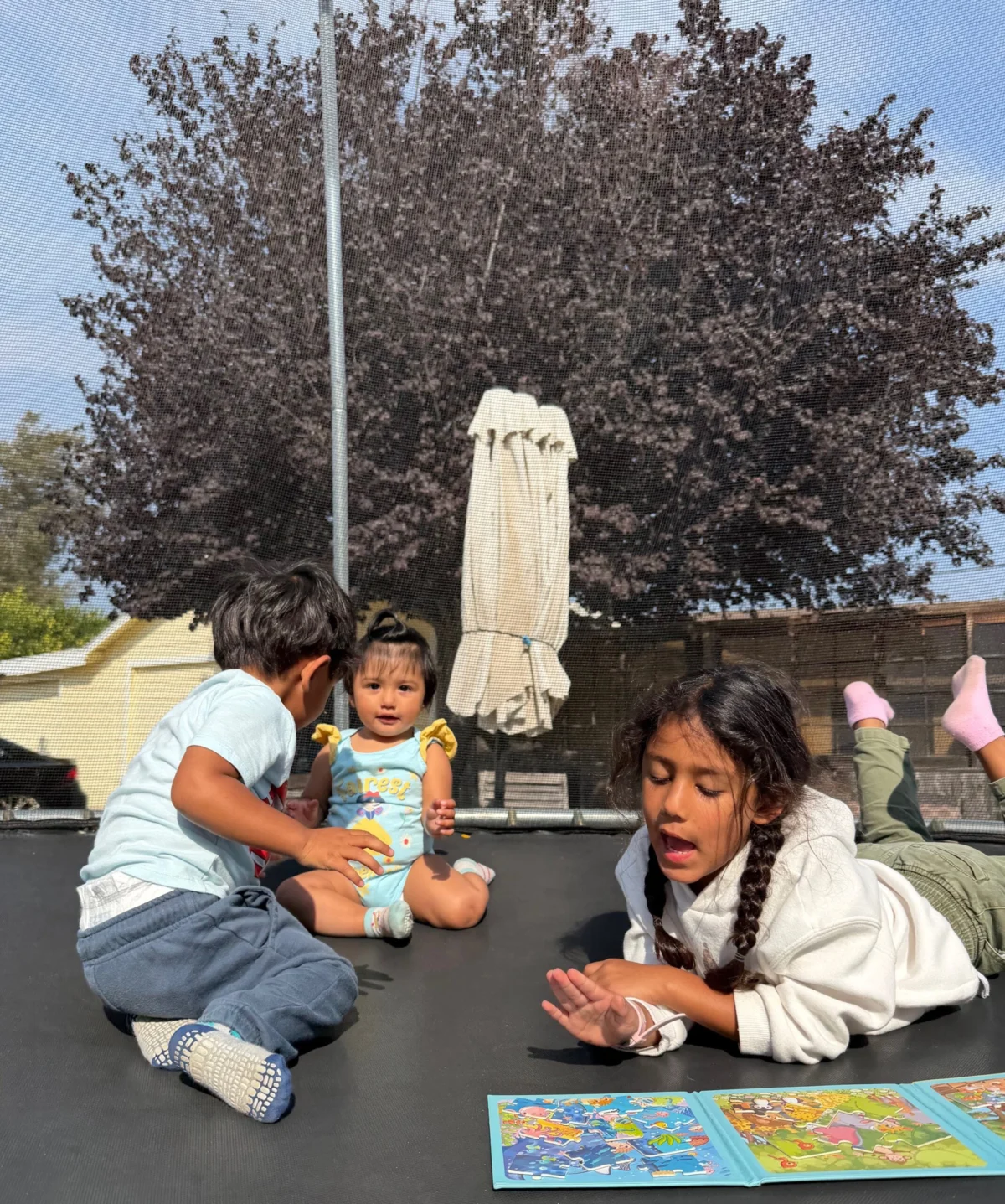
The Role of Generational Storytelling in Child Development and Family Cohesion represents a critical intersection between oral tradition, cognitive development, and the formation of familial identity. Recent observations within domestic environments highlight a growing trend where parents utilize personal childhood anecdotes—often referred to as "childhood lore"—to bridge the generational gap and instill a sense of resilience and relatability in their offspring. A primary example of this phenomenon was documented during a recent interaction between a mother, identified as Jannelley, and her three children, including her five-year-old daughter, Ella. This exchange, which occurred in a private residential setting, underscores the profound impact that humorous, vulnerability-centered narratives have on adolescent engagement and emotional bonding.
The Narrative Case Study: The "Bathing Suit Incident"
The specific anecdote that has gained traction within this family unit involves a sequence of events dating back approximately three decades. During a family gathering at a residential property featuring an outdoor swimming pool, the subject, then aged four, experienced a recurring logistical challenge common to early childhood: the interruption of recreational play by physiological needs. According to the documented account, the subject was participating in communal activities with cousins, including diving and imaginative aquatic games, when the necessity of frequent restroom visits became a point of frustration.
In an act of rudimentary problem-solving and burgeoning autonomy, the subject sought to eliminate the "cumbersome" task of manipulating a cold, wet, sequined one-piece swimsuit. Upon completing her fifth visit to the restroom, the subject elected to discard the garment entirely, depositing it into the toilet bowl before exiting the facility in a state of nudity. The subject’s subsequent attempt to reintegrate into the social gathering without attire was immediately intercepted by family members, including a teenage cousin and the subject’s mother.
While the immediate consequence of the action was the termination of the subject’s swimming privileges for the afternoon, the long-term psychological outcome was noted as a sense of "pride and fascination." The subject perceived the event not as a failure of social etiquette, but as a successful, self-directed resolution to a complex physical inconvenience.
Chronology of Narrative Retelling and Modern Reception
The timeline of this narrative spans several decades, transitioning from a lived experience to a cornerstone of family history.
- Late 20th Century (The Event): The original incident occurs during a multi-generational family barbecue. The immediate reaction is one of parental discipline and adolescent amusement.
- Intervening Decades (The Preservation): The story is preserved within the subject’s memory, categorized as a formative moment of "big girl" independence, despite its humorous external appearance.
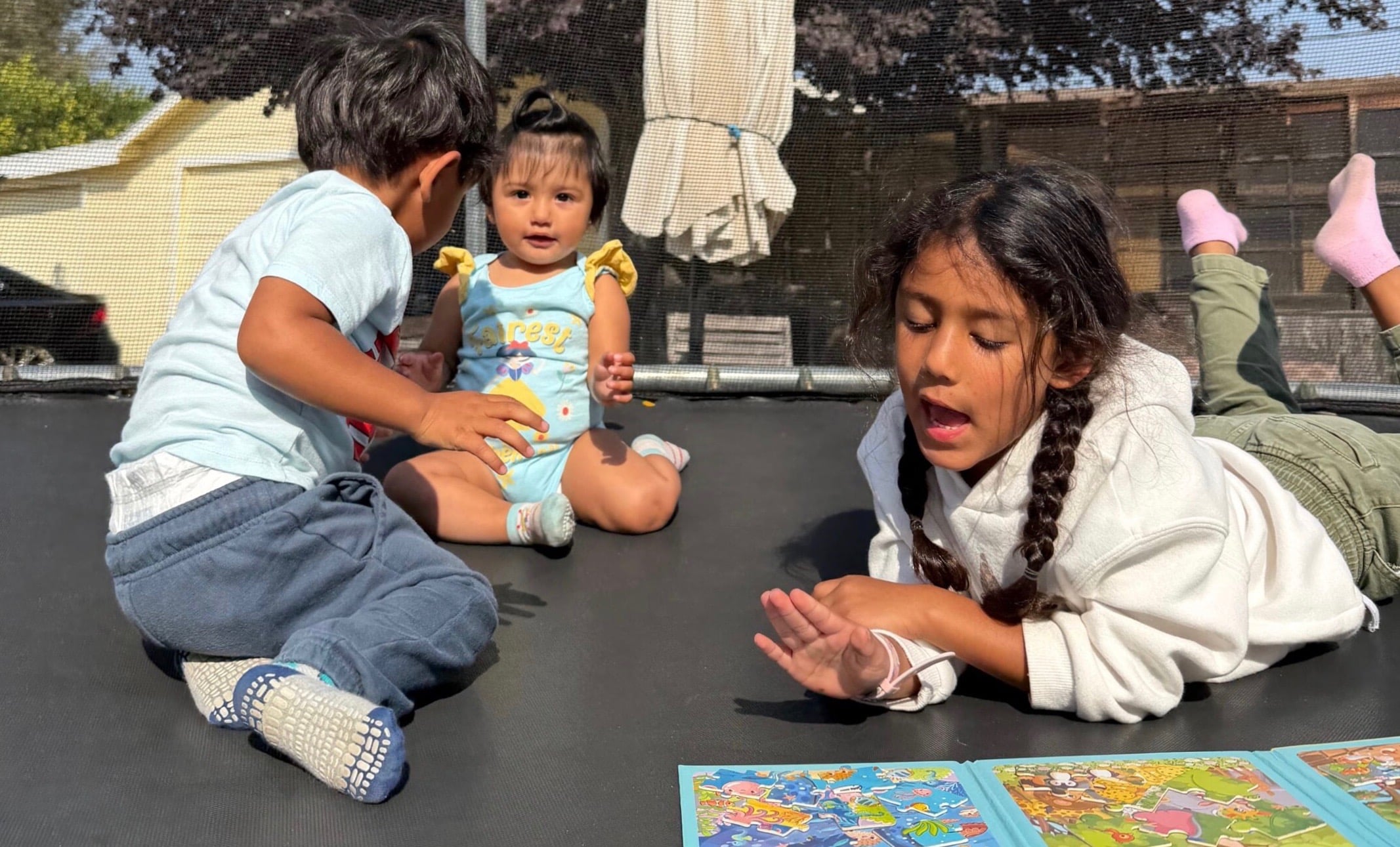
- September 2026 (The Current Transmission): The subject, now a mother of three, shares the story with her five-year-old daughter during a period of recreational play on a backyard trampoline.
- Post-Transmission (The Ritualization): The narrative is elevated to the status of "requested lore," with the child demanding nightly repetitions of the "bathing suit down the toilet story."
This chronology illustrates the lifecycle of a family mythos, where a moment of childhood indiscretion is transformed into a tool for contemporary parenting and child entertainment.
Psychological Framework: Why Children Crave Parental Lore
Developmental psychologists suggest that the demand for stories about a parent’s childhood, such as the one shared by Jannelley, serves several vital functions in a child’s growth. According to research in the field of narrative psychology, children who are exposed to "intergenerational narratives" demonstrate higher levels of self-esteem and stronger "intergenerational selves."
By hearing stories where their parents were small, vulnerable, or even prone to making humorous mistakes, children find a sense of security. It humanizes the parental figure, transforming them from an absolute authority into a relatable guide who once navigated the same complexities of childhood. The "bathing suit incident" specifically highlights a child’s attempt at logic, which resonates with a five-year-old’s current cognitive stage where they are also seeking autonomy.
Furthermore, humor serves as a social lubricant within the family unit. The laughter elicited from Ella during the retelling on the trampoline facilitates a dopamine release that reinforces the bond between mother and child. This creates a positive feedback loop where the child seeks the story to replicate the emotional high of the shared laughter.
Supporting Data: The "Do You Know?" Scale
The importance of these stories is backed by quantitative data. In a landmark study conducted by Dr. Marshall Duke and Dr. Robyn Fivush at Emory University, researchers developed the "Do You Know?" scale. This scale consisted of 20 questions regarding family history, such as "Do you know where your parents met?" or "Do you know an illness or something really terrible that happened in your family?"
The study’s findings were significant:
- Resilience Correlation: Children who scored higher on the "Do You Know?" scale showed significantly higher levels of resilience and were better able to handle stress.
- Self-Esteem: There was a direct correlation between knowledge of family lore and a child’s sense of self-worth.
- Family Functioning: Families that frequently shared "oscillating narratives"—stories that include both successes and humorous or difficult failures—were found to be more cohesive than those that only shared "ascending" (purely successful) narratives.
The "bathing suit down the toilet" story fits perfectly into the category of a "humorous failure" that contributes to this documented psychological resilience.
Expert Perspectives and Inferred Reactions
While direct statements from the parties involved in the original 1980s/90s event are unavailable, sociological analysis suggests that the reactions of the extended family (the cousins and grandparents) played a crucial role in the story’s longevity. The "teenage cousin Lupe" serves as the witness, a common fixture in family lore who validates the reality of the event.
Educational specialists point out that the ritual of "storytime" in non-traditional settings, such as on a trampoline, enhances the child’s receptive language skills. Unlike structured reading from a book, oral storytelling requires the child to visualize the sequence of events—the pool, the sequined suit, the toilet—which stimulates the prefrontal cortex and improves narrative comprehension.
From a pedagogical standpoint, the subject’s mother’s original reaction—wrapping the child in a towel and ending the pool session—represents a standard "logical consequence" model of parenting. However, the subject’s internal interpretation of the event as a "big girl" moment highlights the divergence between parental intent and child perception, a common theme in developmental studies.
Broader Implications for Modern Parenting
In an era dominated by digital entertainment and rapid-fire media consumption, the persistence of simple, oral family stories suggests a fundamental human need for connection through shared history. The transition of this story from a private memory to a public discourse (via the Cup of Jo platform) indicates a broader societal interest in authentic, unpolished parenting experiences.
There are also implications for "narrative therapy" within families. By sharing stories of their own childhood "troubles," parents can help children navigate their own anxieties. If a parent can survive the social embarrassment of being nude at a family pool party, a child can feel more confident surviving a minor mishap at school.
Conclusion: The Longevity of Family Lore
The case of Jannelley and her daughter Ella illustrates that the most effective tools for child development are often free, accessible, and deeply personal. The "bathing suit down the toilet" story has evolved from a moment of childhood frustration into a multi-generational asset that provides entertainment, fosters emotional intelligence, and strengthens the familial structure.
As children grow, these stories become the bedrock of their identity. They are not merely "funny stories" but are the threads that weave the fabric of a family’s unique culture. The ongoing request for the retelling of this specific childhood lore suggests that for the modern child, the history of their parents is as compelling and instructive as any fictional narrative. Moving forward, the practice of documenting and sharing these "oscillating narratives" remains a recommended strategy for parents seeking to build resilient, connected, and emotionally healthy households.
