

The intersection of domestic logistics and early childhood development has increasingly become a focal point of sociological study, particularly as parents of multiple-birth children—twins, triplets, and higher-order multiples—navigate the complexities of the modern retail environment. For many families, the simple act of grocery shopping serves as a primary stress test for parental patience, physical stamina, and psychological resilience. Recent discourse among parenting communities highlights a significant shift in how these "micro-challenges" are perceived, moving from a sense of private struggle to a shared, communal narrative that emphasizes the profound difference between managing "singletons" and managing multiples in public spaces.
The Logistics of Multiple-Birth Errands: A "Hero’s Journey"
For parents of twins or triplets, the physical environment of a standard grocery store often presents immediate structural barriers. The traditional shopping cart, designed for one child or a small amount of groceries, becomes a central point of contention. Anecdotal evidence from parents of triplets suggests that during the toddler years, the "two-cart system" is frequently the only viable solution: one cart dedicated entirely to the children and a second for the actual food. This requires the presence of two adults, effectively turning a routine chore into a coordinated tactical operation.
The physical demands extend beyond cart space. Parents report the "six-hand reach" phenomenon, where multiple children simultaneously interact with shelf displays, leading to property damage or safety concerns. In many cases, the sensory overload of a supermarket environment triggers simultaneous crying fits among multiples, often resulting in "emergency evacuations" where one parent must exit the store with the children while the other completes the transaction. This logistical "survival mode" often persists until the children reach the age of eight or nine, at which point their impulse control and physical independence allow for a more conventional shopping experience.
The "Singleton Vacation" and the Psychology of 1:1 Time
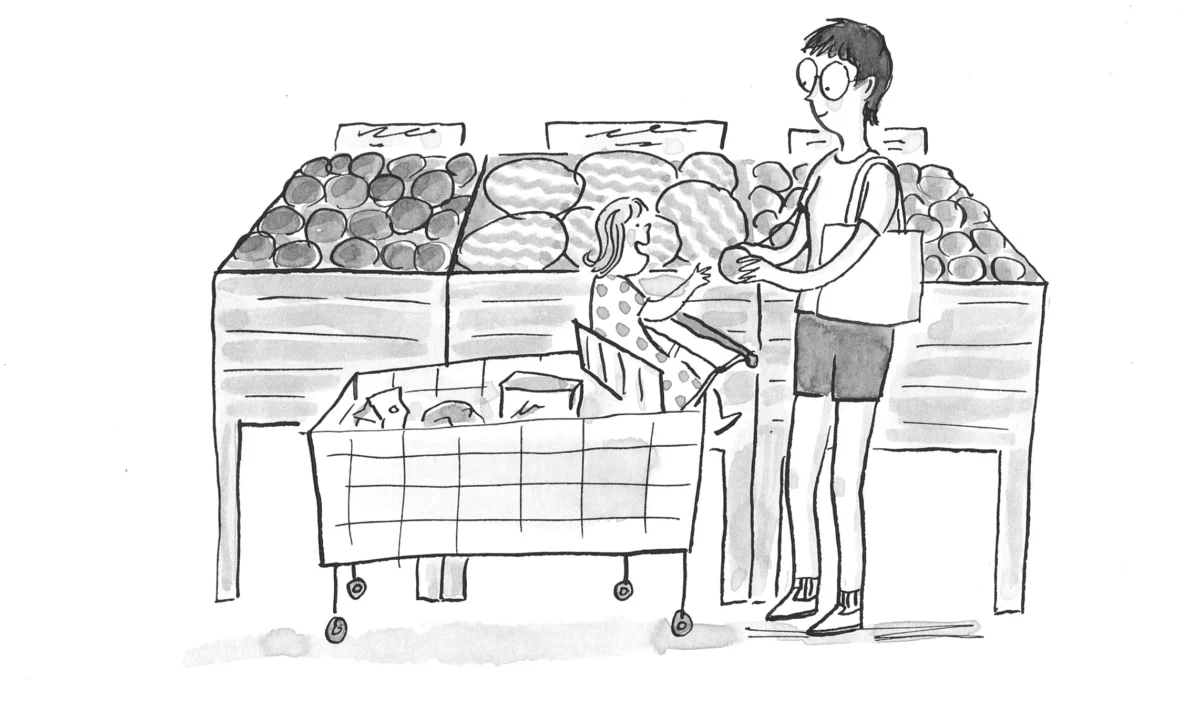
A recurring theme in the evolution of multi-child parenting is the psychological phenomenon known as the "singleton vacation." This occurs when a parent of multiples takes only one child on an outing. Parents describe these experiences as "easy, breezy, and beautiful," noting a stark contrast in stress levels. The ability to focus on a single child’s needs, engage in uninterrupted conversation, and move through a store without managing a "circus" atmosphere provides a mental reprieve that parents of single children may take for granted.
Psychologists suggest that these 1:1 outings, often referred to as "splits" or "dates," are essential for both parental mental health and the individual development of the children. In a multiple-birth household, children often "feed off" each other’s energy, leading to escalated behaviors. By separating the siblings for routine errands, parents can foster individual identities and reduce the "attention competition" that naturally occurs in large families. This practice has become a cornerstone of survival for parents navigating the "terrible threes," a developmental stage that many multiples parents describe as the most taxing period of early childhood.
Postpartum Anxiety and the "Phantom Limb" Phenomenon
While many parents find relief in solo outings, a significant subset of the parenting population experiences a contrary psychological effect: intense separation anxiety. For some, being in a grocery store without their child triggers a sense of "alienation" or "fog brain." This condition, often linked to Postpartum Anxiety (PPA), can manifest as an inability to make simple decisions or a physical sensation of missing a "phantom limb."
Clinical observations indicate that the biological and psychological "intertwining" between a mother and her infant can be so profound that the nervous system remains in a state of high alert even during brief separations. In digital parenting communities, the disclosure of these feelings has led to a broader normalization of PPA, which is often overshadowed by discussions regarding Postpartum Depression (PPD). The "outpouring of love" and shared experiences in these forums suggest that acknowledging the difficulty of separation is a vital step in parental recovery and mental health maintenance.
The Role of Retail Infrastructure and Economic Adaptations
The retail industry has seen varying levels of adaptation to the needs of multi-child families. Costco, the warehouse giant, is frequently cited as the gold standard for multiple-birth logistics due to its oversized carts that feature two child seats side-by-side. Furthermore, the "Costco experience" is noted for its wider aisles and a checkout process that allows children to remain in the cart while employees handle the items—a brief but meaningful "babysitting break" for the parent.
Conversely, the rise of the "delivery economy" has fundamentally altered the timeline of when children are introduced to the grocery store environment. The COVID-19 pandemic accelerated the adoption of curbside pickup and delivery services like Instacart, allowing parents of multiples to bypass the physical and psychological toll of in-store shopping during the most difficult developmental years. Some parents report that their children did not enter a physical grocery store until they were nearly three years old, leading to a "delayed wonder" where the child perceives the supermarket as a novel, almost magical environment rather than a routine chore.
Developmental Impact: The Grocery Store as a Classroom
Despite the challenges, many parents and developmental experts advocate for "errand-based learning." Shopping without tablets or phones allows children to observe social cues, learn about food origins, and understand the concept of currency and cost. The "chatter" between a parent and a child in the grocery store serves as a critical language development tool. Parents who narrate their shopping list or discuss the textures and colors of produce are providing their children with a rich, real-world vocabulary.
Furthermore, these outings serve as a primary site for community interaction. The "Oh Honey" demographic—older women who offer words of encouragement like "it gets easier"—provides a form of social capital that helps young parents feel seen and supported. These interactions, ranging from a stranger’s "superhero" comment at a checkout line to the dry wit of a fellow shopper, help mitigate the isolation that often accompanies early parenthood.
Chronology of the Parenting Errand Experience
- The Infancy Stage (0-12 Months): Characterized by high anxiety and logistical hurdles. Many parents rely on baby-wearing (ring slings or wraps) to keep hands free, or they avoid the store entirely in favor of delivery services.
- The Toddler Era (1-4 Years): Often described as "survival mode." This is the peak of the two-cart system and the "singleton vacation" strategy. Behavior is unpredictable, and social anxiety regarding public meltdowns is at its highest.
- The Early School Years (5-8 Years): A transition period where children begin to assist with tasks. The "circus" atmosphere begins to subside as children develop better impulse control.
- The Pre-Teen and Beyond (9+ Years): The "Easy Breezy" phase. Shopping becomes a shared activity or a routine task that no longer requires tactical planning.
Analysis of Societal and Individual Implications
The narratives shared by modern parents reveal a profound shift in the "invisible labor" of motherhood. The act of grocery shopping is no longer just about food procurement; it is a complex navigation of mental health, child development, and social performance. The "hero’s journey" of a mother of four in Costco, or the "spa day" of a twin mom at Target with only one child, reflects a broader cultural acknowledgment that the difficulty of parenting is not a personal failure but a systemic and biological reality.
The move toward "splitting" children for 1:1 time also suggests a shift in parenting philosophy—prioritizing the individual psyche of the child over the convenience of keeping the family unit together at all times. While this requires more time and coordination, the long-term benefits of reduced sibling rivalry and strengthened parent-child bonds are increasingly recognized.
In conclusion, the grocery store remains one of the few remaining "public squares" where the reality of modern parenting is on full display. Whether it is through the defiance of a toddler touching a germ-covered cart handle or the silent camaraderie of a 25-year-old stranger giving a "superhero" nod to a struggling mother, these spaces continue to be the primary theater for the evolution of the American family. As retail technology continues to evolve, the balance between the convenience of delivery and the developmental necessity of the "real world" errand will remain a central theme in the lives of parents everywhere.
