

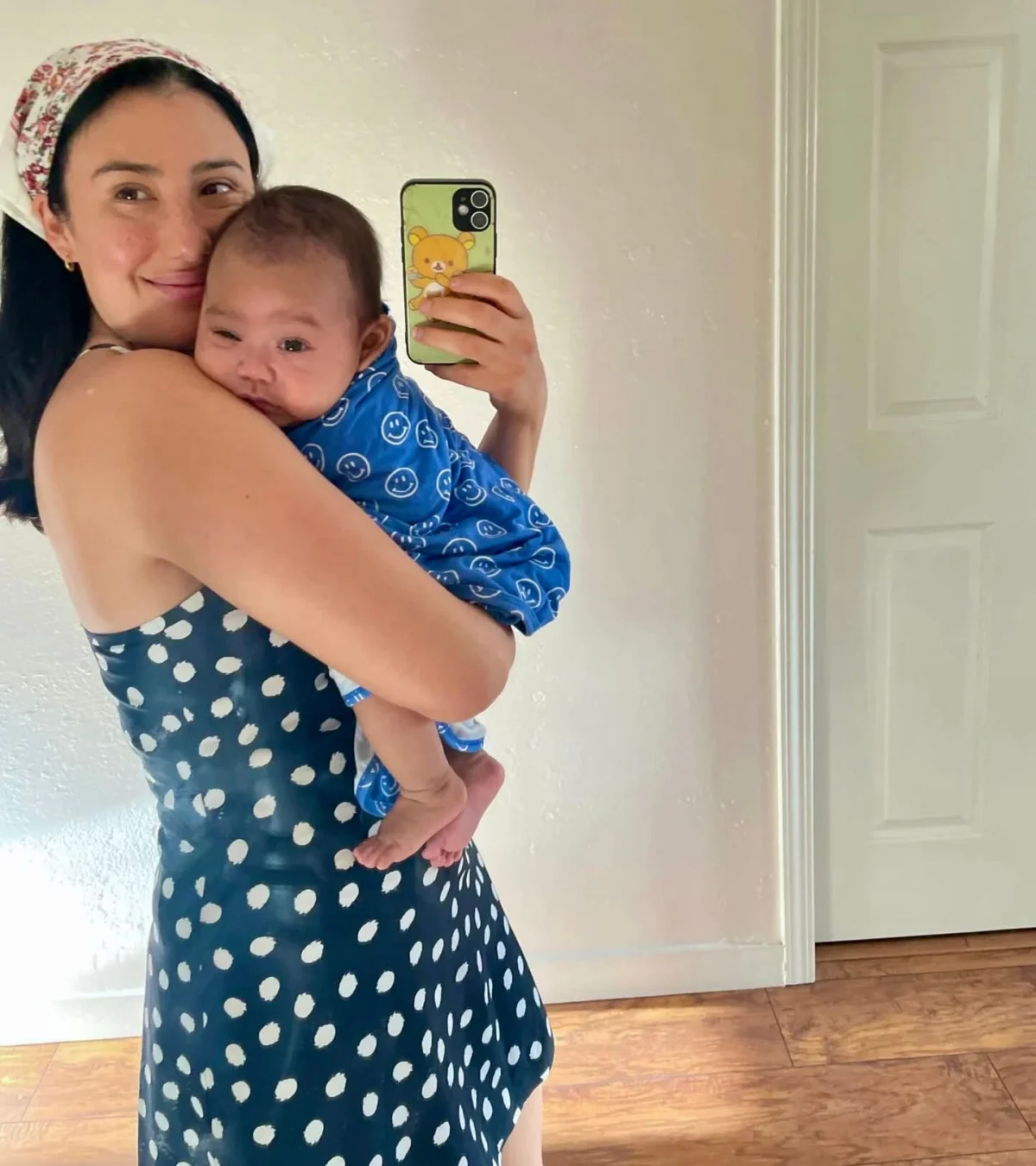
The transition into motherhood, particularly during the first twelve months following childbirth, represents one of the most significant physiological and psychological shifts in the human experience. As 2026 marks a period of heightened awareness regarding maternal mental health and the "fourth trimester," the focus of communal support has shifted from purely infant-centric gifting to a more holistic approach that prioritizes the well-being of the mother. Recent longitudinal data suggests that while the immediate postnatal period is characterized by intense biological demands, the recovery process often extends well beyond the traditional six-week medical checkup. For many mothers, the milestone of a child’s first birthday serves as a definitive turning point, signaling a return to a sense of self-identity and physical normalcy.
The Biological and Psychological Reality of the Fourth Trimester
The "fourth trimester" is a term used by developmental pediatricians and maternal health experts to describe the three-month period following birth. During this time, the maternal body undergoes a rapid hormonal withdrawal, specifically in estrogen and progesterone levels, which can lead to significant mood fluctuations and physical exhaustion. Clinical studies indicate that approximately 1 in 7 women experience postpartum depression (PPD), while a larger percentage navigate the "baby blues," characterized by anxiety, tearfulness, and sleep deprivation.
Reflecting on this period, many mothers report a dichotomy of experience: the "highs" of bonding—such as the sensory experience of a newborn’s scent—contrasted with the "lows" of physical recovery and the anxiety associated with infant health milestones. A common stressor identified in clinical settings is the "first pediatric appointment," where infant weight fluctuations can trigger intense feelings of parental guilt and inadequacy. In this fragile ecosystem, the role of the social support network—comprising family, friends, and neighbors—becomes a critical factor in mitigating the risks of maternal burnout and isolation.
The Evolution of Modern Gift-Giving for New Parents
In the current economic and social climate, the etiquette of supporting new parents has evolved. While traditional baby showers focus on the immediate needs of the neonate—diapers, clothing, and nursery gear—there is a growing movement toward "mother-centric" gifting. This trend acknowledges that a supported mother is better equipped to care for her child. Analysis of consumer behavior in 2026 shows a marked increase in the purchase of items that facilitate maternal "self-actualization" and comfort during the first year.
Expert analysis suggests that the most effective gifts are those that provide either emotional resonance or practical utility that reduces the mother’s daily cognitive load. The following five categories represent the current gold standard in postpartum support, as evidenced by maternal testimonials and psychological studies on social bonding.
1. Aesthetic Continuity and Environmental Well-being
Psychologists specializing in environmental therapy emphasize the importance of the home atmosphere during the postpartum period. A common recommendation is the provision of high-quality home goods, such as an artisanal vase, which serves a dual purpose. First, it provides a dedicated space for the floral arrangements frequently brought by visitors, preventing the "clutter stress" that can occur when a home is overwhelmed by disorganized gifts. Second, it acts as a permanent memento of the period. Long-term studies on memory and objects suggest that functional items used during significant life transitions can trigger positive "reminiscence bumps" years later, reinforcing a mother’s sense of community and support.
2. Dermatological Health and the ‘Self-Care’ Ritual
The physiological changes of pregnancy do not end at delivery. Fluctuating hormones often result in significant skin changes, including melasma, hormonal acne, and extreme dryness. In 2026, the "skincare as healthcare" movement has gained traction among new mothers who may not have the time or inclination for decorative cosmetics but find psychological relief in a simplified skincare routine.
Products such as Korean-inspired "glow pads" or hydrating masks offer a sensory "pick-me-up" that requires minimal effort. According to dermatological surveys, these products provide a necessary cooling effect and hydration for skin sensitized by the postpartum hormonal shift. Beyond the physical benefits, the act of spending five minutes on a personal ritual is cited by mental health professionals as a vital tool for maintaining a sense of autonomy in a period otherwise dominated by the needs of an infant.
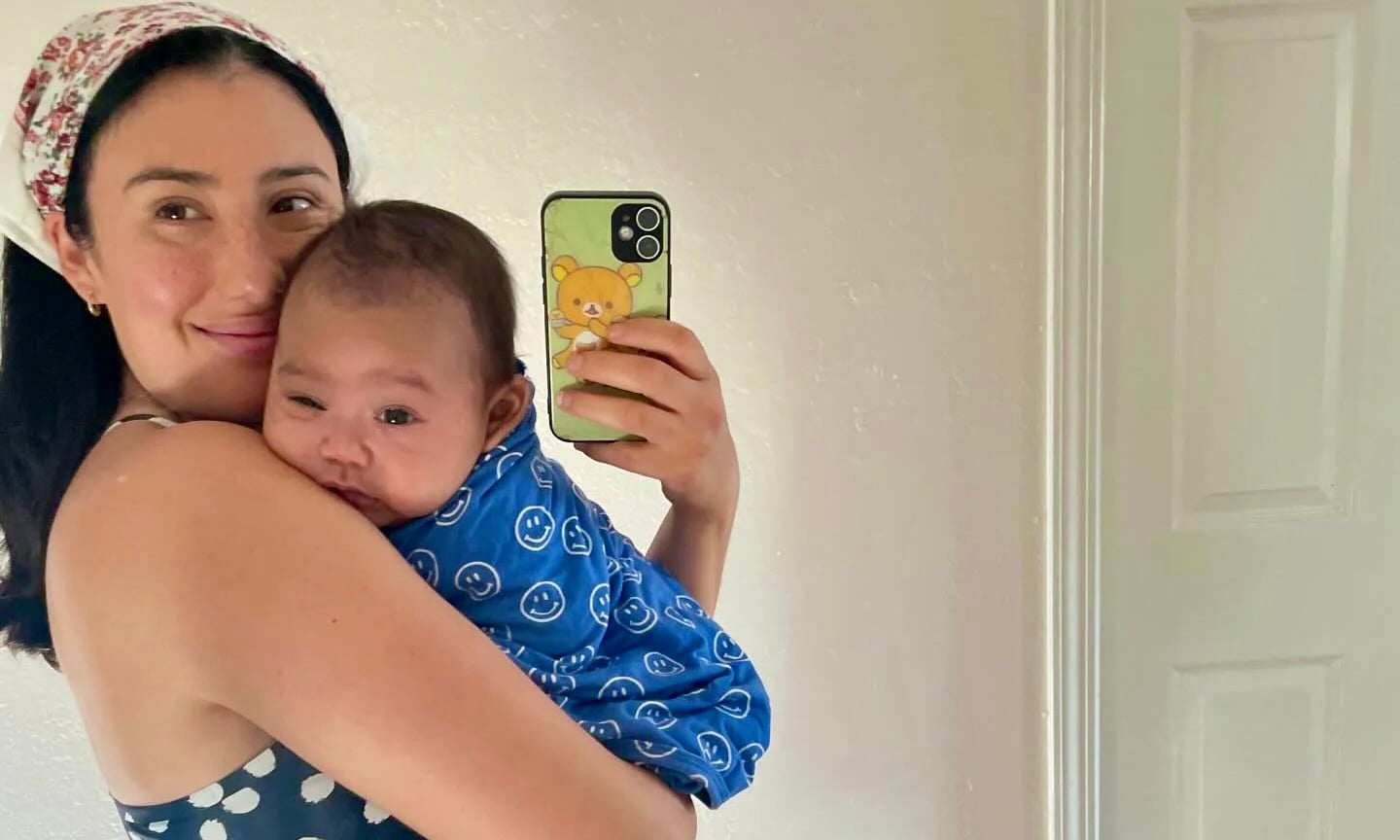
3. Ergonomic Apparel for Unpredictable Timelines
The postpartum period is often characterized by a lack of predictability, particularly for families navigating the Neonatal Intensive Care Unit (NICU). Data from the March of Dimes indicates that approximately 1 in 10 infants is born preterm, a situation that drastically alters the expected postpartum trajectory. For mothers in these circumstances, the traditional "pajama-clad" recovery is replaced by frequent hospital commutes and medical consultations.
In these scenarios, functional footwear becomes a necessity rather than a luxury. Slip-on shoes, such as clogs or high-quality sandals, have become a staple of the postpartum wardrobe. The utility lies in their ease of use—requiring no bending over to tie laces, which is particularly beneficial for those recovering from C-sections or dealing with lingering edema (swelling). The durability of these items often leads to them becoming "most-worn" pieces for years, symbolizing the transition from the emergency of early labor to the stability of toddlerhood.
4. Nutritional Intervention: The ‘Non-Dinner’ Strategy
While the "meal train" is a long-standing tradition in many communities, nutritional experts and veteran parents are advocating for a shift in the menu. Traditionally, neighbors provide heavy dinners; however, the nutritional needs of a nursing or sleep-deprived mother are constant and not limited to the evening hours.
Current trends in postpartum nutrition emphasize high-protein, "grab-and-go" options. Items such as peanut butter energy balls, breakfast casseroles (stratas), and nutrient-dense muffins are increasingly preferred. These snacks provide immediate caloric support during middle-of-the-night nursing sessions or during the transit to pediatric appointments. Providing meals that are specifically designed for lunch or breakfast fills a common gap in the "support cycle," ensuring the mother is fueled throughout the day, not just at the end of it.
5. The Preservation of Community Through Written Word
Perhaps the most significant emotional gift identified by modern mothers is the handwritten letter. In an era of digital communication, the physical artifact of a letter addressed to the baby—sharing hopes, dreams, and affirmations—carries immense weight. Sociological research indicates that these letters serve as "social proof" of the child’s place within a wider community. For the mother, re-reading these letters during difficult parenting moments acts as a powerful antidote to the isolation often felt in the first year. It reinforces the message that they are not alone in the task of child-rearing and that their offspring is "deeply and profoundly loved."
Chronology of Postpartum Recovery: A Twelve-Month Timeline
To understand the impact of these gifts, it is necessary to view them through the timeline of the first year:
- Months 0–3 (The Hazy Days): High demand for nutritional support (snacks) and functional comfort (slip-ons). The focus is on survival and establishing a routine.
- Months 4–6 (The Transition): The "return to self" begins. Skincare and small aesthetic improvements (the vase) become more meaningful as the mother begins to re-engage with her environment.
- Months 7–12 (The Integration): Physical recovery is largely complete, but emotional support remains vital. The handwritten letters become cherished items as the child’s personality emerges.
- The One-Year Milestone: Often the point where mothers report "feeling like themselves again," yet the memories of the early "raw" months remain vivid.
Broader Implications for Maternal Support Systems
The shift toward more thoughtful, mother-focused support has broader implications for public health. When a community rallies around a new parent with practical and emotional resources, it reduces the burden on formal healthcare systems by potentially lowering the incidence of severe PPD and parental burnout.
Furthermore, the "postpartum economy" is responding to these needs. Market analysts predict that the maternal wellness sector will continue to expand, with a focus on products that bridge the gap between medical necessity and lifestyle comfort. However, as experts point out, the most valuable "gift" remains the presence of a support network—whether through a text message, a visit from a grandparent, or the delivery of a simple meal.
As we move through 2026, the narrative of the "struggling new mom" is being replaced by a narrative of the "supported new mother." By prioritizing the physical and emotional needs of the parent alongside the infant, society fosters a healthier environment for the next generation to thrive. The gestures made during those "hazy early days" are not merely temporary fixes; they are the foundation of a resilient family unit and a testament to the power of community in the modern age.
