

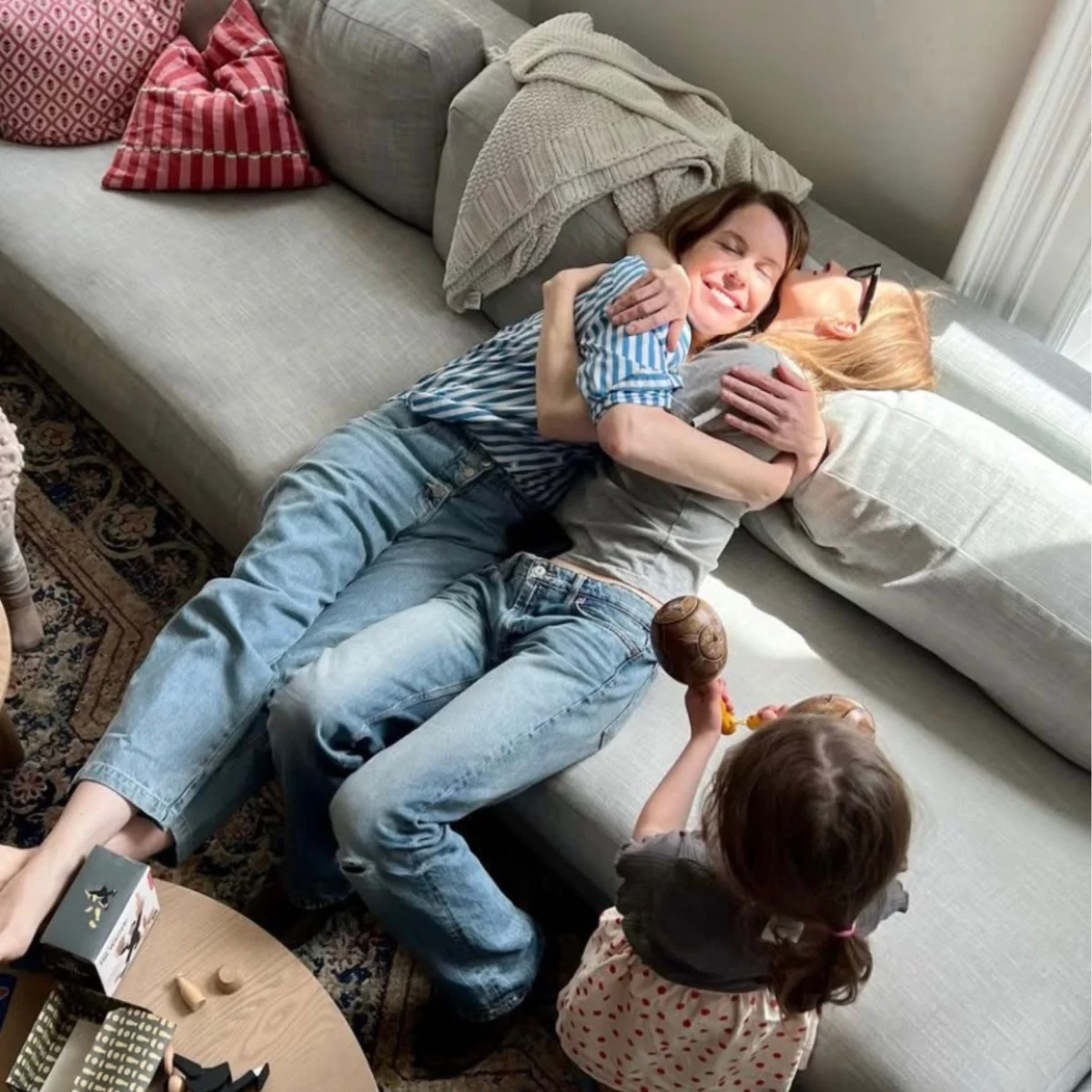
The annual transition from summer recess to the academic calendar represents one of the most significant psychological and logistical shifts for families across the United States. With more than 50 million students enrolled in public elementary and secondary schools nationwide, the "back-to-school" season is not merely a date on the calendar but a complex period of adjustment involving economic expenditure, emotional recalibration, and the establishment of new household routines. As families prepare for the upcoming 2024-2025 academic year, experts in child development and experienced caregivers are emphasizing the role of positive reinforcement and intentional rituals in mitigating the "transition anxiety" that affects both children and parents.
The Psychological Framework of Academic Transitions
The return to the classroom often triggers a biological stress response in children, characterized by increased cortisol levels and sleep disturbances. Educational psychologists note that the move from the unstructured environment of summer to the rigid hierarchy of a school day requires significant "executive function" effort. To counter this, many families have adopted a series of festive traditions designed to reframe the end of summer not as a loss of freedom, but as a celebratory milestone. These interventions range from culinary traditions to strategic consumer choices, all aimed at fostering a sense of agency and excitement in students of all ages.
Chronology of a Successful Transition Period
A successful transition typically follows a three-phase chronology: the preparatory phase (two weeks prior), the eve of the transition, and the stabilization phase (the first week of classes).
During the preparatory phase, the focus remains on logistical readiness. This includes the acquisition of necessary supplies and the gradual adjustment of circadian rhythms. According to the National Retail Federation (NRF), back-to-school spending has reached record highs, with families spending an average of $890.07 on electronics, apparel, and basic supplies. However, the psychological value of these purchases often outweighs their utility. Allowing children to participate in the selection of their "school uniform"—whether through traditional brick-and-mortar outlets or modern direct-to-consumer platforms like Quince—provides a sense of autonomy that can decrease school-related resistance.
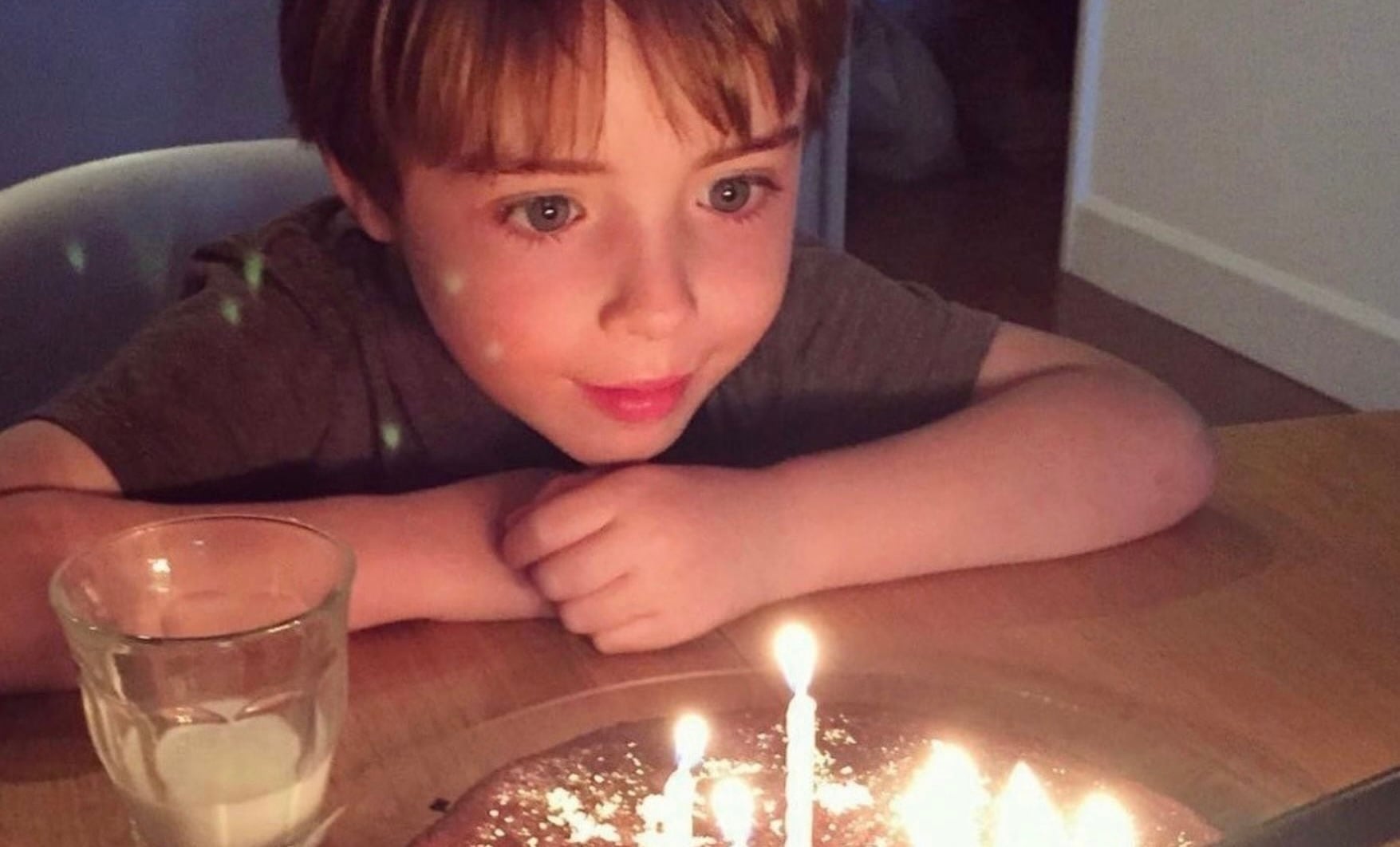
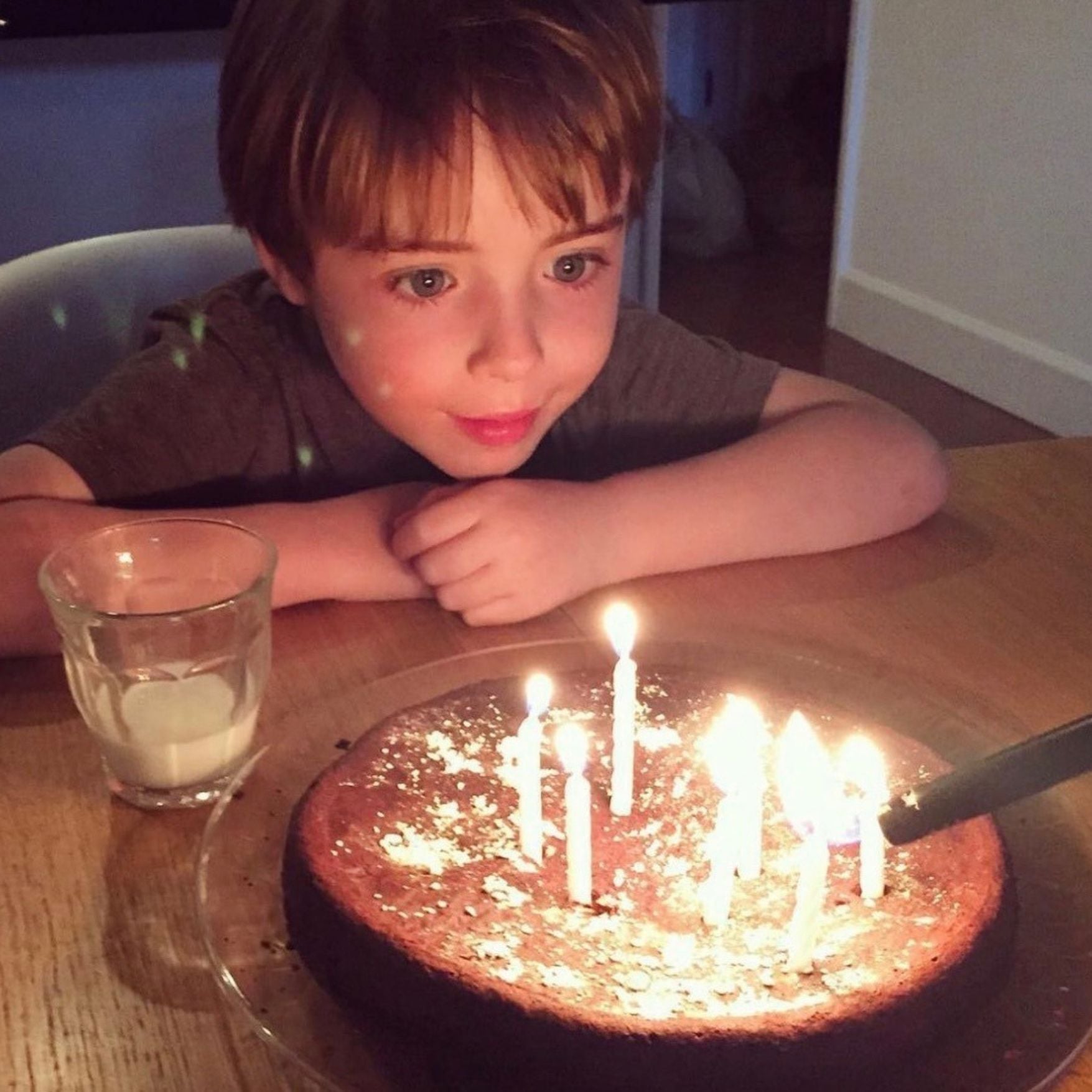
The "eve" of the first day represents the peak of anticipatory anxiety. Rituals such as a "First Day Eve" cake have emerged as a popular method for neutralizing nervous energy. By lighting candles and making wishes for the coming year, families transform a potentially sleepless night into a commemorative event. This ritual serves as a psychological "anchor," providing a predictable and joyous conclusion to the summer.
Culinary Interventions and Cognitive Readiness
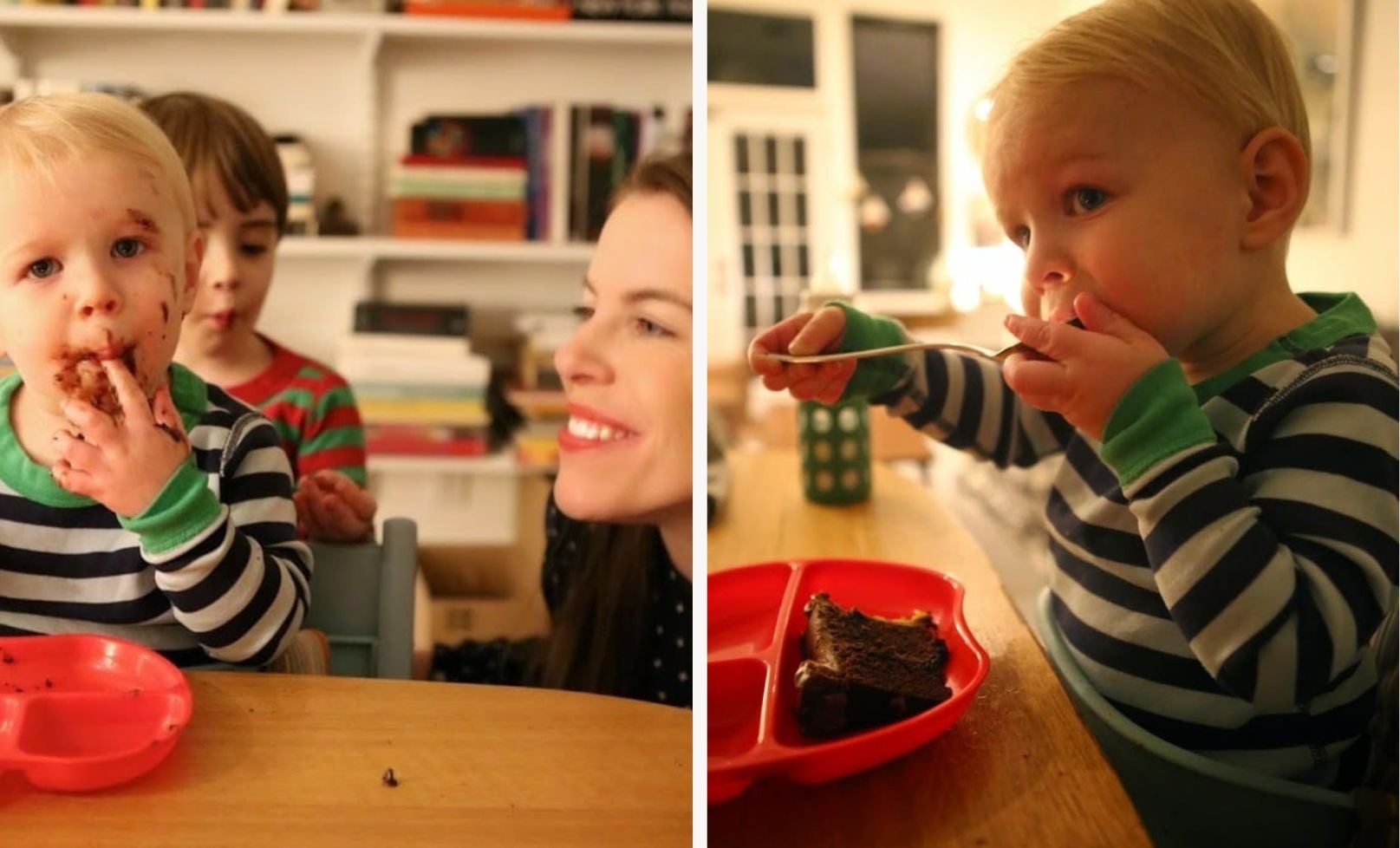
Nutrition plays a critical role in academic performance and mood regulation. Research published in the Journal of School Health indicates that students who consume a high-quality breakfast exhibit better concentration and higher test scores. In the context of back-to-school fun, the introduction of "morning muffins" or special baked goods serves a dual purpose.
Warm, home-baked items such as zucchini chocolate chip or apple cider muffins provide a sensory comfort that cold cereal cannot replicate. These items are often nutrient-dense, incorporating vegetables or fruit, which helps stabilize blood sugar throughout the morning. For parents, preparing these items in advance reduces the morning "rush," a primary source of family conflict during the first week of school. By streamlining the breakfast process through festive, pre-prepared options, the household atmosphere remains calm, allowing for the "squeezy hand-holds" and supportive conversations necessary for emotional grounding.
Strategic Logistics and Executive Function
One of the most overlooked aspects of a smooth school transition is the management of daily logistics. For families with multiple children, the "missing sock" phenomenon is a frequent morning bottleneck. Experienced caregivers have found that color-coding basic necessities—such as black socks for older siblings and white for younger ones—can drastically reduce laundry sorting time and morning frustration.

This focus on organization is more than a convenience; it is a lesson in executive function. By creating systems that children can navigate independently, parents foster self-efficacy. When a student knows exactly where their colorful backpack and specific socks are located, they begin the day with a sense of mastery rather than chaos.
Bibliotherapy and Early Childhood Support
For the youngest students entering preschool or kindergarten, separation anxiety is a primary hurdle. Educational professionals often recommend "bibliotherapy"—the use of literature to help children process complex emotions. A staple in this category is The Kissing Hand by Audrey Penn. The story, which features a mother raccoon kissing her cub’s paw so he can carry her love with him to school, provides a tangible coping mechanism for children.
Implementing the "kissing hand" ritual in real life allows children to feel a physical connection to their guardians during the hours of separation. This practice aligns with attachment theory, which suggests that a "transitional object" or ritual can help a child maintain a sense of security when away from their primary caregiver.
Adolescent Autonomy and the Digital Landscape
As students transition into middle and high school, the nature of "fun" and support shifts from physical comfort to digital autonomy. Adolescents (ages 13-17) are in a developmental stage where peer connection and independence are paramount. In this context, providing teens with tools for their digital lives—such as Apple Gift Cards—serves as a modern rite of passage.
These gift cards allow students to customize their educational and social environments. Whether purchasing AirPods for focused study, subscribing to music services for the commute, or buying apps that aid in organization, this gesture acknowledges the teen’s growing need for self-direction. It also provides a "safe" way for parents to grant freedom, allowing the student to manage a small budget for their digital entertainment and productivity needs. This approach respects the adolescent’s dual existence: their need for independence and their lingering, if sometimes hidden, desire for parental support.
The Parental Support Network
The first day of school is often as emotionally taxing for parents as it is for students. The sight of "parents at the gate," watching their children enter the school building, is a universal symbol of the bittersweet nature of child-rearing. Sociologists refer to this as a "ritual of release."

To manage the emotional weight of this transition, mental health experts suggest that parents establish their own support systems. Engaging a friend—particularly one who has navigated these transitions with older children—can provide necessary perspective. This "speed dial" support helps parents process their own feelings of loss or anxiety, ensuring they can remain a "non-anxious presence" for their children.
Economic Impact and Retail Trends
The shift toward making back-to-school "fun" has not gone unnoticed by the retail sector. The market for school-related goods has evolved to include more than just pencils and notebooks. Companies like Quince have capitalized on the demand for high-quality, sustainably made children’s apparel, such as piqué polos and cotton sweaters, which appeal to the aesthetic preferences of modern parents while remaining functional for students.
Furthermore, the integration of "sponsored mentions" and affiliate marketing in parenting media highlights the commercialization of the transition. While this provides parents with curated recommendations, it also reflects a broader trend where consumer choices are deeply intertwined with parenting philosophies. The "back-to-school" economy is now a multi-billion dollar industry that thrives on the intersection of necessity and emotional celebration.

Conclusion: The Long-term Impact of Positive Transitions
While a muffin or a gift card may seem like a minor detail in the grand scheme of an academic career, the cumulative effect of these small "fun" interventions is significant. By intentionally designing the back-to-school experience, parents do more than just survive a stressful week; they build a family culture of resilience and optimism.
Data suggests that students who feel supported and excited during school transitions are more likely to engage in extracurricular activities and maintain higher levels of school spirit. Moreover, these rituals provide a sense of continuity in an increasingly fast-paced world. As Toby and Anton—and millions of students like them—grow from toddlers needing a "kissing hand" to teenagers slamming doors and requesting cuddles, the consistency of these annual traditions provides a bridge between childhood and adulthood.
In summary, the transition back to school is a complex event that requires a multi-faceted approach. By combining nutritional planning, logistical efficiency, literary support, and a healthy dose of celebration, families can transform an annual hurdle into a cherished tradition. As the school gates open this fall, the goal for many is not just to get through the day, but to do so with a sense of joy and a warm muffin in hand.
