

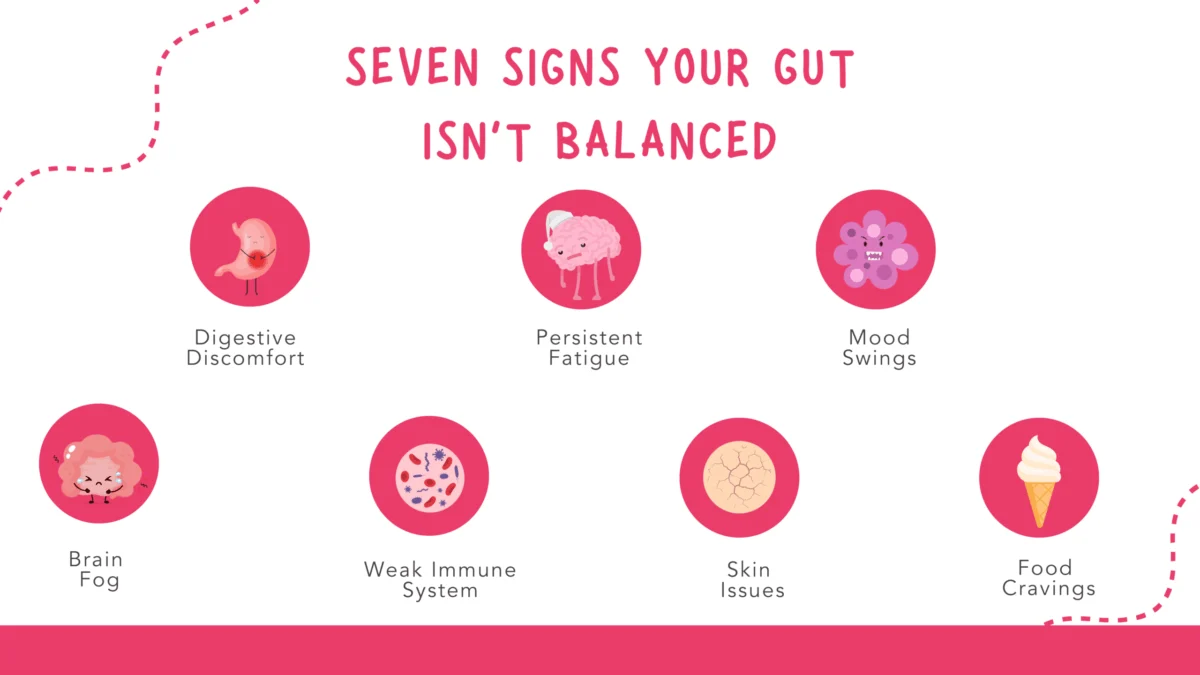
The human gastrointestinal tract, home to trillions of microorganisms collectively known as the gut microbiome, is increasingly recognized by the medical community as a cornerstone of systemic health. Recent advancements in gastroenterology and nutritional science have transitioned the understanding of the "gut" from a simple digestive tube to a complex endocrine organ that influences everything from neurological function to dermatological health. As researchers uncover the profound links between microbial diversity and chronic disease, identifying the subtle clinical markers of dysbiosis—an imbalance in gut bacteria—has become a priority for both clinicians and public health advocates.
The Clinical Indicators of Microbiome Dysbiosis
While the symptoms of an imbalanced gut can be diverse, clinical observations typically categorize them into seven primary indicators. These signs often serve as the body’s early warning system that the delicate ecosystem of the microbiome has been compromised by diet, stress, or environmental factors.
1. Chronic Gastrointestinal Distress
The most immediate indicators of gut imbalance are functional digestive issues. Frequent bloating, flatulence, constipation, and diarrhea are not merely inconveniences but are often the result of bacterial fermentation occurring in the wrong parts of the digestive tract or an overgrowth of pathogenic bacteria. When the microbiome is in a state of dysbiosis, the body struggles to process macronutrients and eliminate metabolic waste efficiently. This can lead to increased intestinal permeability, often referred to in clinical literature as "leaky gut," where the lining of the small intestine becomes damaged, allowing undigested food particles and toxins to enter the bloodstream.
2. Persistent Fatigue and Sleep Disturbances
Emerging research has established a significant correlation between chronic fatigue and gut health. A study published in the journal Microbiome indicated that a substantial percentage of individuals suffering from Chronic Fatigue Syndrome (CFS) also exhibit markers of Irritable Bowel Syndrome (IBS). Specifically, data suggests that up to 60% of patients with chronic fatigue present with concurrent gastrointestinal imbalances. The gut is responsible for the absorption of essential B vitamins and minerals required for cellular energy production; thus, a compromised gut often results in systemic lethargy despite adequate rest.
3. Neurological and Mood Fluctuations
The "gut-brain axis" represents the bidirectional communication between the central nervous system and the enteric nervous system. It is a biological reality that the gut produces approximately 95% of the body’s serotonin, a neurotransmitter critical for mood regulation, sleep, and appetite. Consequently, an imbalance in gut flora can lead to significant fluctuations in mental health, including heightened anxiety and depressive symptoms. Clinical trials have demonstrated that certain "psychobiotics"—strains of beneficial bacteria—can modulate the stress response by altering the signals sent via the vagus nerve to the brain.
4. Pathological Food Cravings
The microbiome can influence dietary choices through the manipulation of host behavior. Pathogenic bacteria and yeast, such as Candida albicans, thrive on simple sugars. When these populations overgrow, they can trigger intense cravings for processed carbohydrates and sugar to ensure their own survival. This creates a feedback loop: the consumption of sugar further feeds the harmful bacteria, which then further suppresses beneficial strains that would otherwise regulate appetite and metabolic signals.
5. Dermatological Manifestations
The "gut-skin axis" is a well-documented phenomenon in dermatology. Conditions such as acne, eczema, and rosacea are frequently linked to systemic inflammation originating in the digestive tract. When the gut barrier is compromised, the resulting inflammatory response can manifest externally on the skin. Research indicates that patients with a diverse microbiome tend to have higher levels of skin hydration and a more robust skin barrier compared to those with low microbial diversity.
6. Compromised Immune Response
Approximately 70% to 80% of the human immune system is located within the gut-associated lymphoid tissue (GALT). Beneficial bacteria educate the immune system, helping it distinguish between harmless proteins and dangerous pathogens. Frequent infections, slow wound healing, and the development of autoimmune sensitivities are often clinical signs that the gut’s microbial "army" is insufficient to support standard immune defenses.
7. Cognitive Impairment or "Brain Fog"
Cognitive functions, including memory, focus, and mental clarity, are deeply intertwined with gut health. Metabolic byproducts of certain gut bacteria can cross the blood-brain barrier. In a state of dysbiosis, the production of neuroinflammatory cytokines can lead to what patients commonly describe as "brain fog." This lack of mental clarity is increasingly viewed as a metabolic symptom rather than a purely psychological one.
The Chronology of Microbiome Research
The scientific journey toward understanding the gut microbiome has accelerated rapidly over the last two decades. While the link between fermented foods and longevity was hypothesized by Nobel laureate Élie Metchnikoff in the early 20th century, the field remained relatively stagnant until the turn of the millennium.
- 2007: The National Institutes of Health (NIH) launched the Human Microbiome Project (HMP). This landmark initiative aimed to characterize the microbial communities found at several different sites on the human body and to look for correlations between changes in the microbiome and human health.
- 2012: The first results of the HMP were published, revealing that there are more than 10,000 microbial species in the human ecosystem and that they contribute more genes for human survival than the human genome itself.
- 2014-2018: Research shifted toward the "gut-brain axis," with studies demonstrating that fecal microbiota transplants (FMT) could influence behavior in animal models, sparking interest in probiotic treatments for mental health.
- 2020-Present: Modern research is now focusing on personalized nutrition, using microbiome sequencing to predict how individual bodies will respond to specific foods and supplements.
Supporting Data and The "Fiber Gap"
Public health data highlights a significant discrepancy between biological requirements and modern dietary habits. The USDA and other health organizations recommend that adult women consume between 22 and 25 grams of fiber daily, yet the average consumption in Western societies remains closer to 15 grams.
Fiber serves as a prebiotic, the non-digestible fuel for beneficial bacteria. In the absence of adequate fiber, gut bacteria may begin to consume the protective mucus lining of the gut, leading to inflammation. Furthermore, the prevalence of IBS and other functional gastrointestinal disorders has risen sharply, with some estimates suggesting that 10% to 15% of the global population is affected. This trend correlates closely with the rise of ultra-processed diets which lack the microbial diversity found in traditional, plant-heavy diets.
Clinical Recommendations for Restoring Balance
To address these imbalances, medical professionals and nutritionists advocate for a multi-faceted approach focused on dietary diversity and strategic supplementation.
Fiber Optimization: Clinical dietary protocols emphasize a mix of soluble and insoluble fiber. Soluble fiber, found in oats and legumes, helps regulate blood sugar and cholesterol, while insoluble fiber, found in whole grains and vegetables, aids in waste elimination. Emerging "superfoods" like the baobab fruit have gained attention for their high prebiotic content, providing a dense source of nutrients that specifically target the growth of Bifidobacteria.
Fermentation and Probiotics: The reintroduction of live cultures through fermented foods—such as kefir, sauerkraut, and kimchi—is a standard recommendation for increasing microbial diversity. However, in cases of severe dysbiosis or following antibiotic treatment, targeted probiotic supplementation is often necessary. Clinical-grade probiotics are evaluated based on Colony Forming Units (CFUs) and strain specificity. Strains such as Lactobacillus rhamnosus and Lactobacillus reuteri have been extensively studied for their roles in supporting vaginal health and immune function in women.
Hydration and Mucosal Support: Water is essential for the movement of fiber through the digestive tract. Furthermore, adequate hydration supports the mucosal lining of the intestines, which acts as the first line of defense against pathogens.
Broader Implications for Public Health
The shift toward gut-centric health has profound implications for the future of medicine. Chronic diseases, which currently account for the majority of healthcare spending, are increasingly being traced back to inflammatory processes rooted in the gut. By prioritizing microbiome health through diet and lifestyle, there is a potential to reduce the incidence of metabolic syndrome, autoimmune disorders, and even certain neurodegenerative diseases.
Moreover, the supplement industry is facing increased pressure for transparency and efficacy. As consumers become more educated on the nuances of gut health, the demand for shelf-stable, allergen-free, and clinically validated probiotic formulas has surged. This market evolution reflects a broader societal move toward preventative, rather than reactive, healthcare.
In conclusion, the seven signs of gut imbalance are not merely isolated symptoms but are interconnected markers of a systemic biological state. As science continues to map the intricacies of the human microbiome, the integration of digestive health into standard medical care will likely become the definitive approach to achieving long-term wellness. Supporting the gut is no longer seen as a niche dietary concern but as a fundamental requirement for the maintenance of human biological integrity.
