

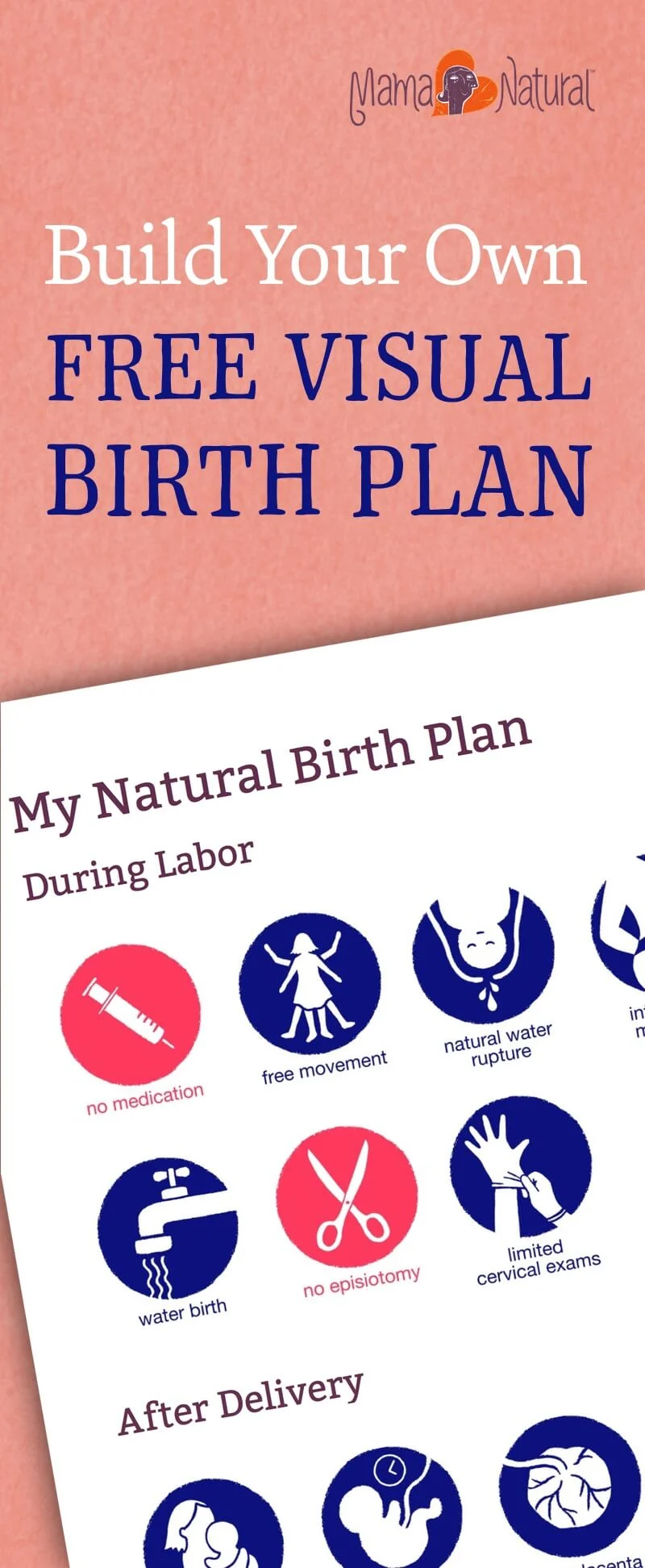
The digital health resource platform Mama Natural has released an updated and expanded version of its visual birth plan template, designed to bridge the communication gap between expectant parents and clinical healthcare providers. This latest iteration, updated for 2025, emphasizes a streamlined, icon-based approach to labor and delivery preferences, addressing a long-standing tension in the obstetric community regarding the length and complexity of traditional birthing documents. By utilizing a one-page format with color-coded visual cues, the template aims to provide medical staff with an immediate understanding of a patient’s wishes during the high-pressure environment of active labor.
The initiative comes at a time when patient-centered care and informed consent have become central themes in maternal health advocacy. The template is offered as a free, customizable resource, allowing users to select from dozens of icons representing specific preferences for labor, delivery, and postpartum care. These include options for mobility during labor, pain management preferences, and immediate newborn care protocols such as delayed cord clamping or skin-to-skin contact. The 2025 update specifically introduces a new suite of icons dedicated to the "gentle cesarean," reflecting a growing demand for family-centered surgical births.
The Evolution of Birth Planning in Modern Obstetrics
The concept of the birth plan emerged in the late 20th century as a tool for women to reclaim agency in increasingly medicalized birthing environments. Historically, birth plans were often lengthy, multi-page narratives that detailed every possible scenario. However, clinical feedback over the past decade has suggested that excessively long documents can be counterproductive. Medical professionals, particularly labor and delivery nurses, have frequently cited "plan fatigue," where complex documents are either ignored or perceived as adversarial to hospital safety protocols.
The Mama Natural visual template represents a shift toward "at-a-glance" communication. By moving away from dense text and toward standardized iconography, the tool aligns with broader trends in healthcare communication that prioritize clarity and speed. The template uses a specific color-coded system: blue icons represent affirmative preferences (actions the birthing team should take), while red icons indicate interventions the patient wishes to avoid, such as routine episiotomies or immediate infant bathing. This binary visual system is intended to reduce cognitive load for providers who may be managing multiple patients simultaneously.
Technical Specifications and Customization Features
The 2025 template is distributed in two primary formats to accommodate different levels of technical proficiency. A standard PDF version provides a non-editable baseline, while a compressed ZIP file contains editable documents compatible with Microsoft Word and Apple Pages. This allows expectant parents to drag and drop icons from a secondary "library" page onto a single-page primary document.
The icon library is categorized into three distinct phases of the birthing process:
- During Labor: Options include preferences for intermittent fetal monitoring, use of a birthing ball, freedom of movement, and specific hydration or nutrition choices.
- After Delivery: This section covers immediate neonatal care, including the administration of the Vitamin K shot, eye ointment, breastfeeding support, and "the golden hour" of uninterrupted bonding.
- Surgical Interventions: The newly added gentle cesarean icons allow patients to request clear drapes, music in the operating room, and immediate skin-to-skin contact if the baby is stable.
By limiting the final output to a single page, the template encourages users to prioritize their most critical preferences, a strategy that healthcare providers have identified as more effective for integration into hospital charts.
Clinical Perspectives and Professional Endorsements
The reception of birth plans within the medical community has historically been mixed. While many midwives and doulas advocate for them as essential tools for empowerment, some hospital-based providers have viewed them as "scripts" that do not account for the unpredictable nature of medical emergencies. Stephanie, a user of the Mama Natural template, reported that her midwife characterized the visual format as the "clearest way to keep everyone on the same page," noting that it was easily integrated into her clinical chart.
From a journalistic perspective, the utility of such a tool is supported by data regarding patient satisfaction. Studies in the Journal of Perinatal Education suggest that the primary benefit of a birth plan is not necessarily the adherence to every specific request, but rather the process of communication it facilitates between the patient and the provider prior to the onset of labor. When a patient discusses their visual plan with their OB-GYN or midwife during prenatal visits, it establishes a baseline of mutual respect and shared decision-making.

However, the "visual" aspect addresses a specific clinical hurdle. In a fast-paced labor and delivery unit, a nurse may only have seconds to review a patient’s file. A visual plan allows for the rapid identification of "no-go" zones (red icons) and "preferred" zones (blue icons) without requiring the provider to leave the bedside to read a multi-page essay.
Addressing Health Equity and Patient Rights
The release of this template also intersects with broader efforts to improve maternal health outcomes for marginalized groups. The Mama Natural resource points to the "Black Birthing Bill of Rights" as a critical supplementary document for women of color. In the United States, maternal mortality rates for Black women are significantly higher than for white women, regardless of income or education level. Advocacy groups argue that clear, written communication tools like birth plans can serve as a protective layer, ensuring that a patient’s voice is heard and that their right to respectful, high-quality care is upheld in systems where implicit bias may exist.
By providing a structured format for expressing preferences, the visual birth plan serves as a tool for "informed refusal" as well as "informed consent." It empowers patients to state their positions on common interventions—such as the routine breaking of the amniotic sac (amniotomy) or the use of pitocin—before they are in a state of physical vulnerability.
Data and Implications for Maternal Health Outcomes
National data on labor interventions shows a high prevalence of medical procedures that some patients seek to avoid. According to the Centers for Disease Control and Prevention (CDC), the cesarean delivery rate in the United States remains at approximately 32%, a figure that has prompted some health organizations to advocate for lower intervention rates in low-risk pregnancies.
The growth of the "natural birth" movement, which Mama Natural represents, is largely a response to these statistics. By using a birth plan to request "intermittent monitoring" instead of "continuous monitoring," for example, patients are often attempting to remain mobile, which clinical data suggests can lead to shorter labor times and a reduced likelihood of surgical intervention. The Mama Natural template facilitates these requests in a format that acknowledges the hospital’s need for efficiency while maintaining the patient’s desire for autonomy.
Analysis of the "High Maintenance" Stigma
One of the significant barriers to birth plan adoption is the social stigma often attached to them within hospital settings. The Mama Natural article acknowledges that some medical staff may label patients with birth plans as "high maintenance" or "inflexible." This perception often stems from plans that are seen as unrealistic or that ignore the safety of the mother and child.
The visual template seeks to mitigate this stigma through its professional design and brevity. By presenting preferences as a series of clear, clinical-style icons, the document looks less like a personal manifesto and more like a professional medical directive. This aesthetic shift is a strategic attempt to change the "vibe" of the delivery room from one of conflict to one of collaboration.
Conclusion and Broader Impact
The 2025 update of the Mama Natural visual birth plan template represents more than just a downloadable resource; it is a reflection of the evolving landscape of obstetric care. As healthcare systems move toward more transparent and patient-centered models, the tools used to facilitate communication must also evolve.
The emphasis on simplicity—"Keep it simple," as the guide suggests—is a recognition of the reality of modern medicine. For healthcare providers, the tool offers a way to honor patient autonomy without sacrificing clinical efficiency. For expectant parents, it provides a sense of agency and preparedness in one of life’s most unpredictable moments. As maternal health advocates continue to push for better outcomes and more respectful care, visual communication tools are likely to become a standard component of the prenatal and birthing experience.
