

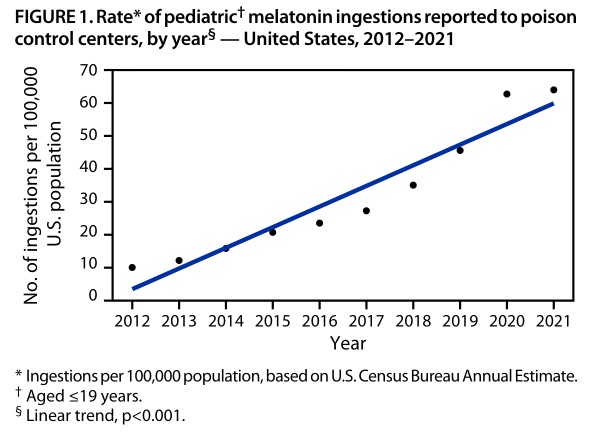
A stark and deeply concerning trend is emerging from recent public health data: pediatric melatonin overdoses have escalated by an astonishing 530% over the past decade, with a particularly sharp acceleration observed since the onset of the COVID-19 pandemic. This dramatic increase, highlighted by a sleep physician and parent, underscores a critical need for greater awareness among caregivers regarding the risks associated with melatonin use in children. Melatonin, once a niche sleep aid, has rapidly become a common culprit in emergency room visits for young children, raising significant questions about its accessibility, regulation, and appropriate use.
The Escalating Crisis: Melatonin’s Grip on Emergency Rooms
The gravity of the situation is underscored by alarming statistics from emergency room visits. A comprehensive study examining emergency department data revealed that melatonin overdoses now account for a significant portion of all accidental ingestions among children under five years old. Specifically, the data indicates that an estimated 7% of all emergency room visits for accidental ingestions in this age group were attributed to melatonin. Alarmingly, roughly half of these incidents involved the ingestion of melatonin gummies, a form that often resembles candy, making it particularly appealing and accessible to young children.
This troubling rise is not confined to one region. A systematic review published in 2026 by Kracht et al. confirmed that the increase in melatonin usage among children is a global phenomenon. Crucially, the review also pointed out a significant deficit in robust efficacy data for children under the age of six. With only a limited number of trials examining melatonin’s use in pediatric populations, young children are far more likely to experience an overdose than to benefit from a scientifically proven effect. This lack of evidence for efficacy, coupled with the rising overdose rates, presents a concerning paradox.
Tracing the Trajectory: How Melatonin Overdoses Became a Prevalent Issue
The initial signals of this escalating problem emerged from a pivotal study published in 2022 by Lelak and colleagues. Their research, titled "Pediatric Melatonin Ingestions—United States, 2012-2021," meticulously analyzed data from poison control centers across the nation over a ten-year period. This foundational study laid bare the burgeoning trend of accidental melatonin ingestions among children.
Demographics of Concern: Who is Most at Risk?
The Lelak study identified several key demographic factors associated with a higher risk of melatonin ingestion. Male gender and being under five years of age were significant risk factors. The vast majority of these ingestions occurred and were managed within the home environment, underscoring the importance of safe storage and parental vigilance.

A subsequent follow-up study, published in 2024, provided further granular detail. It confirmed that children under five years old constituted 7% of all emergency room visits related to accidental ingestions. The strong association with gummy formulations persisted, with 47% of these pediatric ingestions involving gummy preparations. This finding highlights a critical point: when medicinal products are designed to look and taste like confectionery, young children are naturally prone to mistaking them for candy, leading to accidental overconsumption.
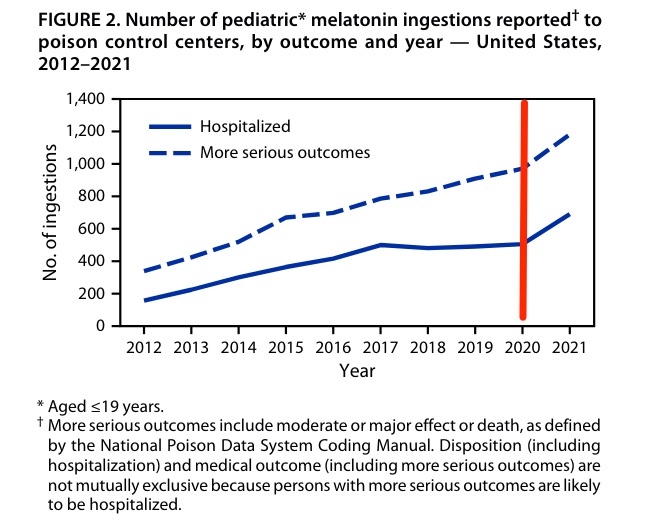
While most ingestions were managed at home, a portion did require medical intervention. Approximately 10.7% of reported ingestions were managed at healthcare facilities, including hospitals and doctor’s offices. Of this group, 14.7% required hospitalization, and a concerning 1% necessitated an intensive care unit (ICU) stay. To provide context, the overall hospitalization rate for accidental ingestions was 1.5%, with 0.1% requiring ICU admission. It is important to note that hospitalizations in older children, particularly teenagers, were often linked to intentional ingestions, which are typically managed with hospitalization for safety and assessment rather than solely reflecting the inherent danger of melatonin itself. However, the most significant increase in hospitalizations was observed in children under five, a demographic that cannot be characterized by intentional misuse.
The Scale of the Surge: A 530% Increase in a Decade
The sheer magnitude of the increase in melatonin ingestions is staggering. Over the ten-year period examined by the Lelak study, a total of 260,435 reported ingestions were documented. This figure represented a substantial 2.25% of all ingestions reported during the same timeframe. The trend line shows a consistent and dramatic upward trajectory. In 2012, melatonin accounted for a mere 0.6% of reported ingestions. By 2021, this figure had surged to 4.9% of all reported ingestions, reflecting a more than eightfold increase in its proportional representation.
Serious Outcomes and Tragic Losses
Beyond the general increase in ingestions, the data also points to a rise in more serious outcomes. The Lelak study documented two tragic deaths associated with melatonin ingestions during the study period. One involved a 13-month-old, and the other a 2-month-old infant. Both incidents occurred within the home setting. The authors noted that one ingestion involved intentional medication misuse, while the cause for the other remained unknown. These rare but devastating outcomes underscore the potential severity of accidental or misused ingestions, even in very young children.
Unpacking the Drivers: Why the Surge in Pediatric Melatonin Overdoses?
Several interconnected factors contribute to this alarming trend. A primary driver is the widespread availability and marketing of melatonin products, particularly in the United States.
A Landscape of Lax Regulation: Melatonin in the U.S. vs. the World
The regulatory landscape for melatonin varies significantly across the globe, and this difference plays a crucial role in the U.S. context. In the United Kingdom, melatonin is available only by prescription. In Canada, it is classified as an over-the-counter (OTC) medication. Australia has a more nuanced approach, with melatonin down-scheduled for adults over 55 for specific uses and remaining prescription-only for children, except for certain diagnosed conditions like insomnia in children with autism or Smith-Magenis syndrome.
In stark contrast, the United States classifies melatonin as a dietary supplement. This classification means that regulatory oversight is significantly less stringent. Under the current framework, supplements are generally considered safe until proven otherwise, and manufacturers are not required to undergo rigorous pre-market testing or demonstrate efficacy through clinical trials before introducing products to the market. This lack of robust oversight is a significant concern.
| Country | Regulations | Prescription/Non-prescription | Comments |
|---|---|---|---|
| United States | Considers all supplements safe until proven unsafe. Not regulated prior to market availability. | Non-prescription dietary supplement | FDA not required to test new ingredients/supplements in clinical trials. |
| Canada | Medications fall under the Food and Drug Regulations issued by the Canadian Government | Non-prescription health product | Must contain Natural Product Number. |
| European Union | Medications are regulated through the European Regulatory Network | Prescription for sustained release; less than 2 mg immediate release has variable status based on country | European Medicines Agency has set specific guidelines for use. Some countries, such as Poland, consider melatonin non-prescription. |
| Non-EU Countries (e.g., Norway) | Medications are regulated by the Norwegian Medicines Agency | Prescription | |
| United Kingdom | Follows the European Union Guidelines | Prescription | |
| Taiwan | Medications are regulated under the Pharmaceutical Affairs Act | Controlled-substance |
This table, derived from a 2021 study by Skrzelowski et al., illustrates the diverse regulatory approaches to melatonin, highlighting the outlier status of the U.S. in its permissive approach to dietary supplements.
The Consequence of Poor Quality Control in U.S. Products
The less regulated environment in the U.S. directly impacts the quality of melatonin preparations available to consumers. A frequently cited study revealed a startling variability in the actual melatonin content compared to the labeled dose. In some products, the melatonin amount deviated from the label by as much as -83% to +478%. This means that a 3 mg dose could actually range from a mere 0.5 mg to a potent 14 mg. Furthermore, lot-to-lot variability within the same brand could be as high as 465%, indicating that even switching to a different bottle from the same manufacturer could result in a significantly different dose.
Adding to this concern, the same study detected serotonin, a neurotransmitter with significant medicinal and physiological roles, in 71% of tested samples. This presence of an undeclared active ingredient raises serious safety concerns. Another investigation specifically examining melatonin and CBD gummies found similarly inaccurate labeling regarding the amounts of both active compounds, further contributing to the uncertainty and potential danger for consumers.
The "Candy" Factor: Melatonin Gummies and Their Appeal
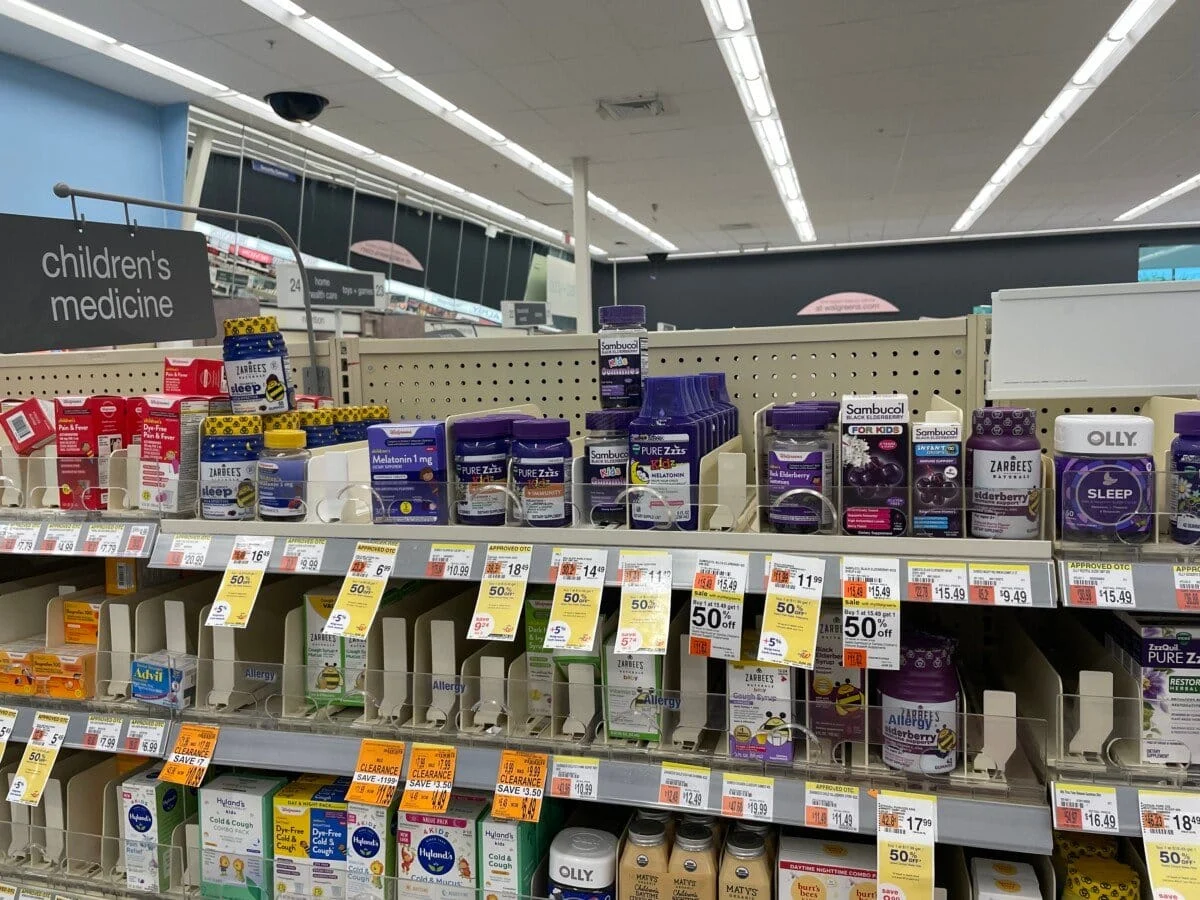
The proliferation of melatonin gummies is a significant factor in the rise of pediatric overdoses. These products are often brightly colored, fruit-flavored, and packaged in ways that closely resemble popular candy. This intentional design makes them highly attractive to children, who may not understand the difference between a supplement and a treat. When stored within easy reach, the temptation for a child to consume multiple gummies, believing them to be harmless sweets, becomes immense.
Parental Uncertainty: A Knowledge Gap in Dosage and Administration
A further complication arises from a lack of clarity and knowledge among parents regarding the appropriate dosage and administration of melatonin for their children. Many parents seeking sleep support for their children are not fully aware of the precise amount of melatonin they are administering. Common responses when asked about dosage include vague statements like "one milliliter" or "two pills," without a clear understanding of the concentration or potency. This ambiguity necessitates efforts to help parents identify the specific product their child is taking, often by reviewing purchase histories or searching for product images online.
The Shadow of Drug Interactions
Melatonin is not without its potential for significant drug interactions, a factor that further complicates its use, especially in children who may be taking other medications. Melatonin is primarily metabolized by the liver enzyme CYP1A2. Substances that inhibit or induce this enzyme can alter the amount of active melatonin in the body, potentially leading to unexpected effects.
Table 1: Substances Affecting Melatonin Levels (CYP1A2 Interactions)
| Effect | Substances |
|---|---|
| Inhibitors (increase melatonin levels) | Tricyclic antidepressants, fluvoxamine, diazepam, cimetidine, ciprofloxacin, oral contraceptives, caffeine |
| Inducers (decrease melatonin levels) | Carbamazepine, omeprazole, grilled meats, cruciferous vegetables, smoking |
Furthermore, melatonin can interact with a range of other medications, potentially leading to adverse outcomes:
Table 2: Melatonin-Drug Interactions
| Drug Class | Interaction |
|---|---|
| Anticoagulants / Anti-platelet drugs | Melatonin may increase bleeding risk. |
| Anticonvulsants | Melatonin may reduce anticonvulsant effects and increase seizure frequency. |
| Antihypertensives | Melatonin may reduce antihypertensive effect and raise blood pressure. |
| Diabetic medications | May affect blood glucose levels. |
| Immunosuppressants | Melatonin may interfere with drug action. |
| Sedating medications (benzodiazepines, hypnotics) | Melatonin may increase morning drowsiness. |
These interactions highlight the importance of consulting with a healthcare professional before administering melatonin to a child, particularly if the child is taking any other medications.
Potential Side Effects of Melatonin Overconsumption
When children ingest excessive amounts of melatonin, they can experience a range of adverse effects. These can include:

- Increased sleepiness or drowsiness
- Delirium or confusion
- Nausea and vomiting
- Nighttime awakenings
- Dizziness
- Irritability
- Bedwetting
In cases of concern about a child having taken too much melatonin, immediate contact with the national Poison Help Hotline at 1-800-222-1222 is recommended. Medical professionals are available to provide guidance and assistance.
Navigating Safe Use and Future Directions
The escalating crisis of pediatric melatonin overdoses necessitates a multi-pronged approach. This includes increased public awareness campaigns targeting parents, stricter regulation of melatonin products in the United States to ensure quality and accurate labeling, and a greater emphasis on evidence-based alternatives for pediatric sleep issues. Healthcare providers play a crucial role in educating families about the risks and benefits of melatonin, encouraging judicious use, and exploring non-pharmacological interventions first.
The International Pediatric Sleep Association (IPSA) has provided valuable expert consensus recommendations for healthcare providers on the use of melatonin in typically developing children, offering guidance on appropriate use, dosing, and monitoring. These recommendations underscore the need for a cautious and informed approach to melatonin supplementation in pediatric populations.
As the data continues to reveal the growing impact of melatonin on children’s health, a collective effort from regulators, manufacturers, healthcare professionals, and parents is essential to mitigate the risks and ensure the safety and well-being of our youngest generation. The trend of soaring melatonin overdoses serves as a critical wake-up call, demanding immediate attention and decisive action.
