

In the evolving landscape of modern domestic life, the logistical challenges of managing large families within limited square footage have prompted a surge in innovative home management strategies. Among the most persistent of these challenges is the synchronization—or lack thereof—of morning routines in households where children share sleeping quarters. Recent reports from residential settings highlight a growing trend in the adoption of tactile notification systems, colloquially known as "bed shakers," to mitigate the disruptive effects of traditional auditory alarms. This shift reflects a broader movement toward personalized technology designed to preserve the sleep hygiene of multiple occupants in high-density living environments.
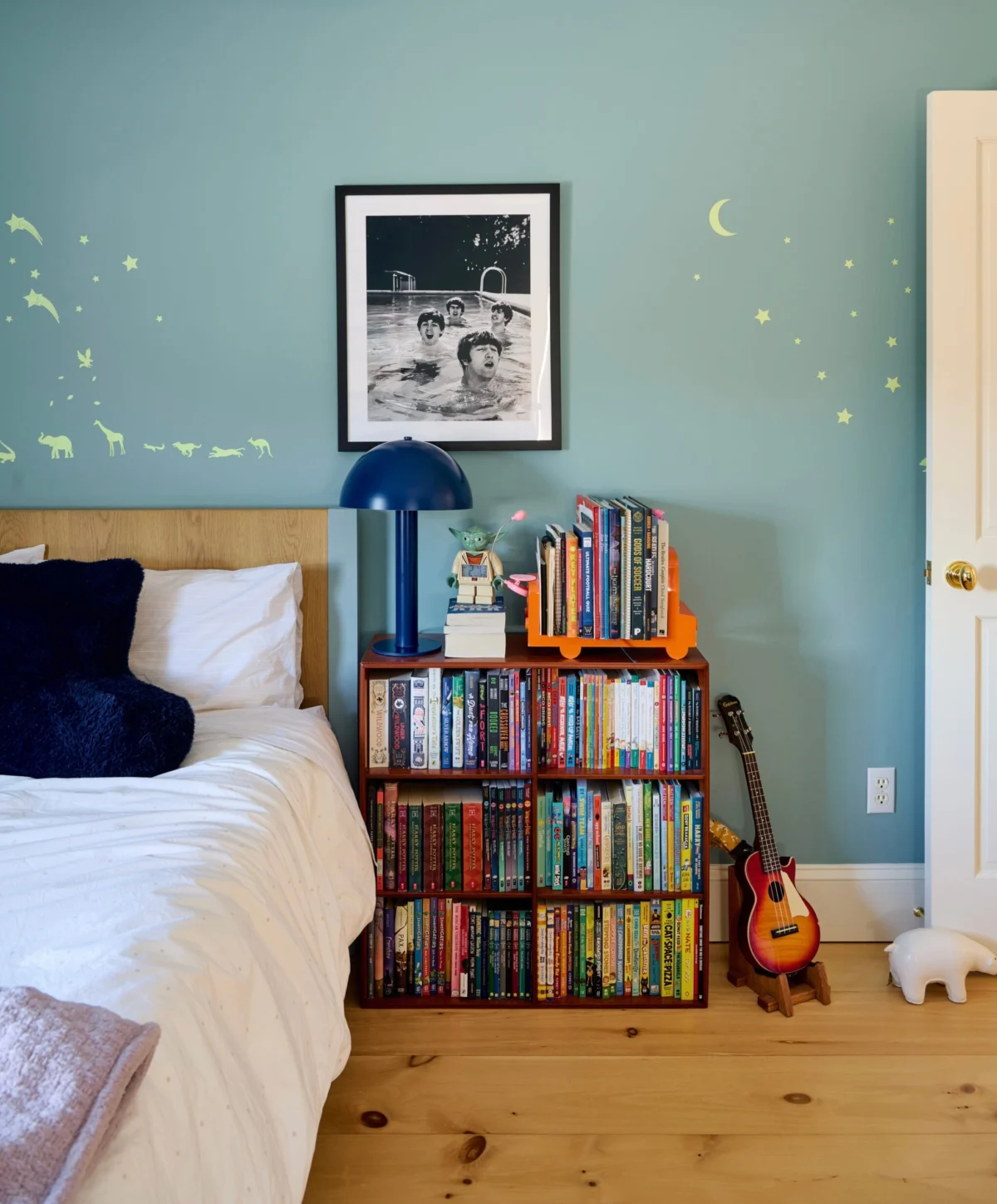
The necessity for such innovation was recently exemplified by the Vazquez family, a household of six where four children navigate a living arrangement consisting of three bedrooms situated off a communal landing. The architectural layout, which includes a room without a door and the use of bunk beds, created a "cacophony of disruption" every weekday morning. According to family spokesperson Mo Vazquez, the proximity of the children’s sleeping quarters meant that a single alarm clock would inadvertently trigger a chain reaction of wakefulness across the entire floor. This phenomenon, often referred to by sleep specialists as "collateral wakefulness," can lead to significant sleep debt for siblings who have later start times or who are light sleepers.
The Logistics of Domestic Noise Pollution
The Vazquez children—Indy, 11, and Ike, 13, along with their two younger siblings—faced a recurring cycle of sleep interruption. The family reported that between 6:00 a.m. and 7:00 a.m., alarms would sound as many as six times. The issue was exacerbated by the "snooze" function and the failure to deactivate alarms on weekends, leading to what Indy described as "alarm trauma." This term, while colloquial, aligns with psychological observations of "noise sensitivity" and the "startle response" associated with high-decibel auditory stimuli.
When the auditory environment becomes unpredictable and intrusive, it can lead to heightened cortisol levels and a state of hyper-vigilance during the final stages of the sleep cycle. For the Vazquez family, the solution came not from architectural changes or stricter scheduling, but from the integration of haptic technology. By transitioning to bed shaker alarms—devices that utilize physical vibration rather than sound to rouse the sleeper—the family successfully isolated the wake-up process to the individual intended.
Understanding Tactile Alarm Technology
Bed shaker alarms, or vibrating notification systems, were originally engineered to assist the Deaf and hard-of-hearing communities. These devices typically consist of a small, puck-shaped unit connected to a bedside clock or a smartphone via Bluetooth. The unit is placed under a pillow or mattress, and at the designated time, it delivers a series of strong vibrations.
Technologically, these devices operate on the principle of tactile stimulation of the somatosensory system. Unlike auditory alarms, which must be loud enough to penetrate the subconscious across a room, a vibrating alarm delivers localized energy directly to the user. This ensures that the stimulus is felt by the person in contact with the device but remains virtually undetectable to anyone else in the room, including a sibling in a bunk bed just inches away.
Ike Vazquez noted that the transition from sound to vibration felt more natural, stating that the vibration "eases you awake" rather than providing the "frantic noise" of a traditional beep. This sentiment is supported by sleep hygiene experts who suggest that a gradual, less invasive transition from the REM or deep sleep stages to wakefulness can reduce sleep inertia—the grogginess felt immediately after waking.
The Science of Sleep Disruption in Shared Spaces
The adoption of silent alarms addresses a critical issue in pediatric and adolescent health: the necessity of uninterrupted sleep. According to the National Sleep Foundation, school-aged children require between 9 and 11 hours of sleep, while teenagers need 8 to 10 hours. In shared bedrooms, the "alarm fatigue" caused by multiple siblings’ schedules can shave off 30 to 60 minutes of vital rest per night.
Over a school year, this cumulative loss can result in diminished cognitive performance, mood instability, and weakened immune function. Data from the American Academy of Pediatrics suggests that even minor disruptions in the morning can affect a child’s "executive function" for the remainder of the day. By isolating the alarm stimulus, families are effectively protecting the sleep windows of each individual child, allowing them to remain in a state of rest until their specific schedule demands action.
Demographic Trends and the Rise of "Small-Space" Parenting
The move toward specialized sleep technology is partly driven by broader economic and demographic shifts. As urban housing costs rise, more families are opting for "high-density" living, where children are more likely to share bedrooms or live in homes with open-plan layouts that offer little acoustic privacy.
A 2023 report on domestic living trends indicated a 12% increase in the sale of "niche" sleep aids, including white noise machines, blackout curtains, and haptic alarms, among families in metropolitan areas. These products are no longer viewed as luxury items but as essential tools for maintaining harmony in shared environments. The "bed shaker" has moved from a specialized medical or accessibility device into the mainstream consumer market, marketed as a "marriage saver" or a "roommate-friendly" solution.
Historical Context: From the Knocker-Up to the Haptic Disc
The evolution of the alarm clock reflects the changing nature of labor and domesticity. In the 19th century, before the ubiquity of affordable mechanical clocks, the "knocker-up" was a common profession in Britain and Ireland. These individuals were paid to wake workers by tapping on their windows with long sticks or pea-shooters. This was an inherently personalized, albeit manual, form of silent alarm.
The industrial revolution brought the mass production of the mechanical alarm, which prioritized volume to ensure workers reached factories on time. This established a century-long precedent of "auditory assault" as the standard for waking. The digital age eventually introduced smartphones, which allowed for customized tones, yet the problem of sound travel remained. The current shift toward haptic feedback represents a return to the personalized, non-disruptive wake-up call of the pre-industrial era, updated with 21st-century precision.
Implications for Child Development and Independence
Beyond the immediate benefit of improved sleep, the use of individual tactile alarms may foster a sense of autonomy in children. In the Vazquez household, the transition to bed shakers allowed the children to take ownership of their morning routines without the guilt of waking their siblings. This sense of agency is a critical component of adolescent development.
"I just want everyone to get a good night of sleep," Mo Vazquez remarked, highlighting the primary goal of parental intervention in sleep hygiene. By providing children with tools that respect the collective environment while serving individual needs, parents are modeling a form of "technological etiquette" that is increasingly relevant in a world where personal devices often intrude upon shared spaces.
Market Response and Future Innovations
The consumer electronics industry has taken note of the success of haptic alarms in the family sector. Companies such as Sonic Alert and iLuv have expanded their product lines to include "smart" shakers that integrate with home automation systems. Future iterations of these devices are expected to include biometric sensors that can detect the optimal moment in a user’s sleep cycle to initiate a vibration, further refining the waking experience.
Furthermore, the integration of haptic technology into wearable devices like the Apple Watch and Fitbit has already introduced many adults to the benefits of silent alarms. However, for children who may not yet be at an age where wearing a smartwatch to bed is appropriate or affordable, the standalone bed shaker remains the most effective and durable solution.
Conclusion: The Future of the Shared Bedroom
As families continue to navigate the complexities of modern living, the Vazquez case study serves as a blueprint for how small technological adjustments can yield significant improvements in quality of life. The "bed shaker" is more than a gadget; it is a response to the psychological and physiological demands of a busy, interconnected household.
By prioritizing the "quietude" of the home environment, parents are finding that they can reduce morning friction and improve the overall well-being of their children. As the market for sleep technology continues to expand, the focus is likely to remain on solutions that offer personalization without intrusion, ensuring that even in the closest of quarters, every individual has the opportunity to wake up on their own terms. The success of silent alarm technology suggests that the next frontier of home design may not be measured in square footage, but in the quality of the silence and the precision of the systems that manage our daily lives.
