

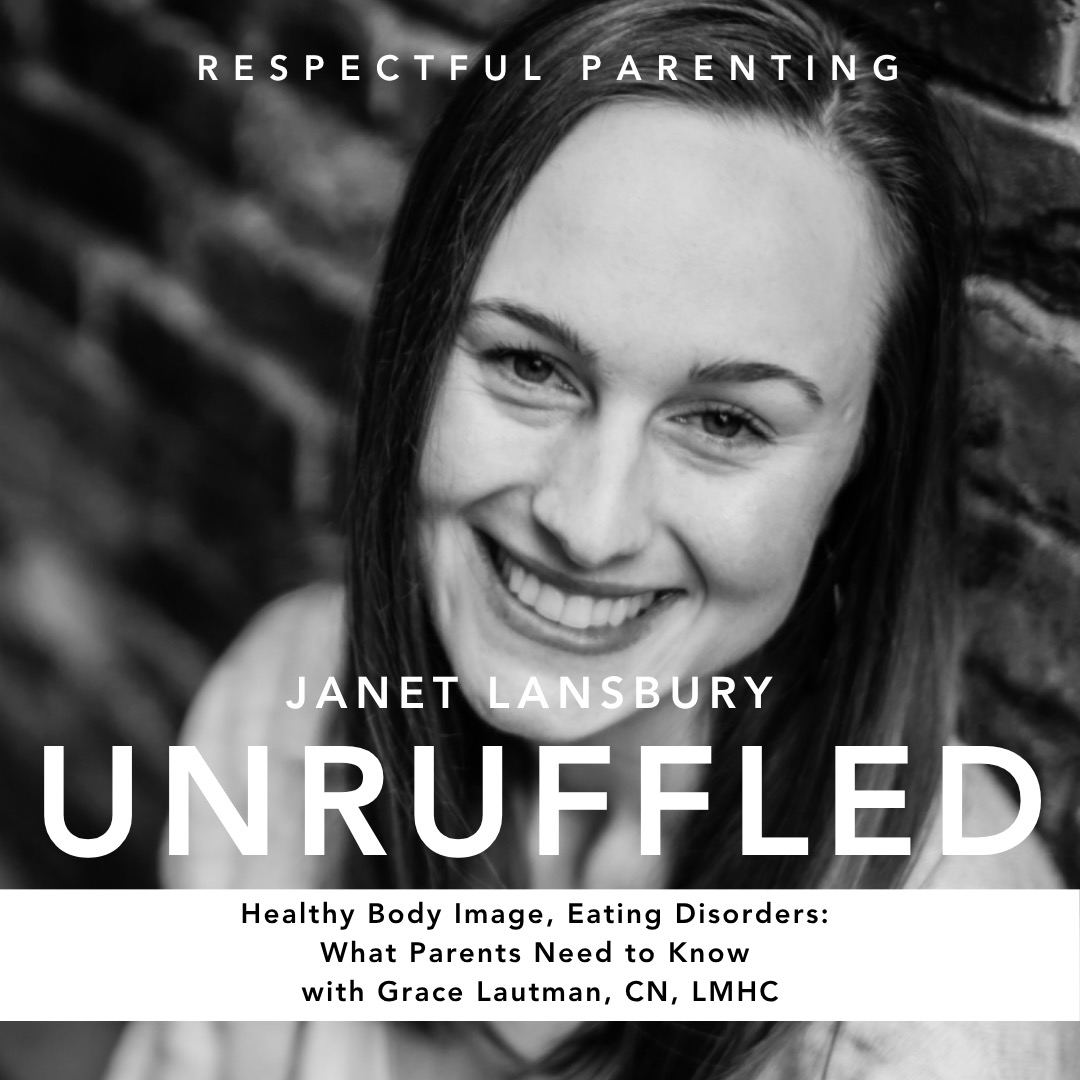
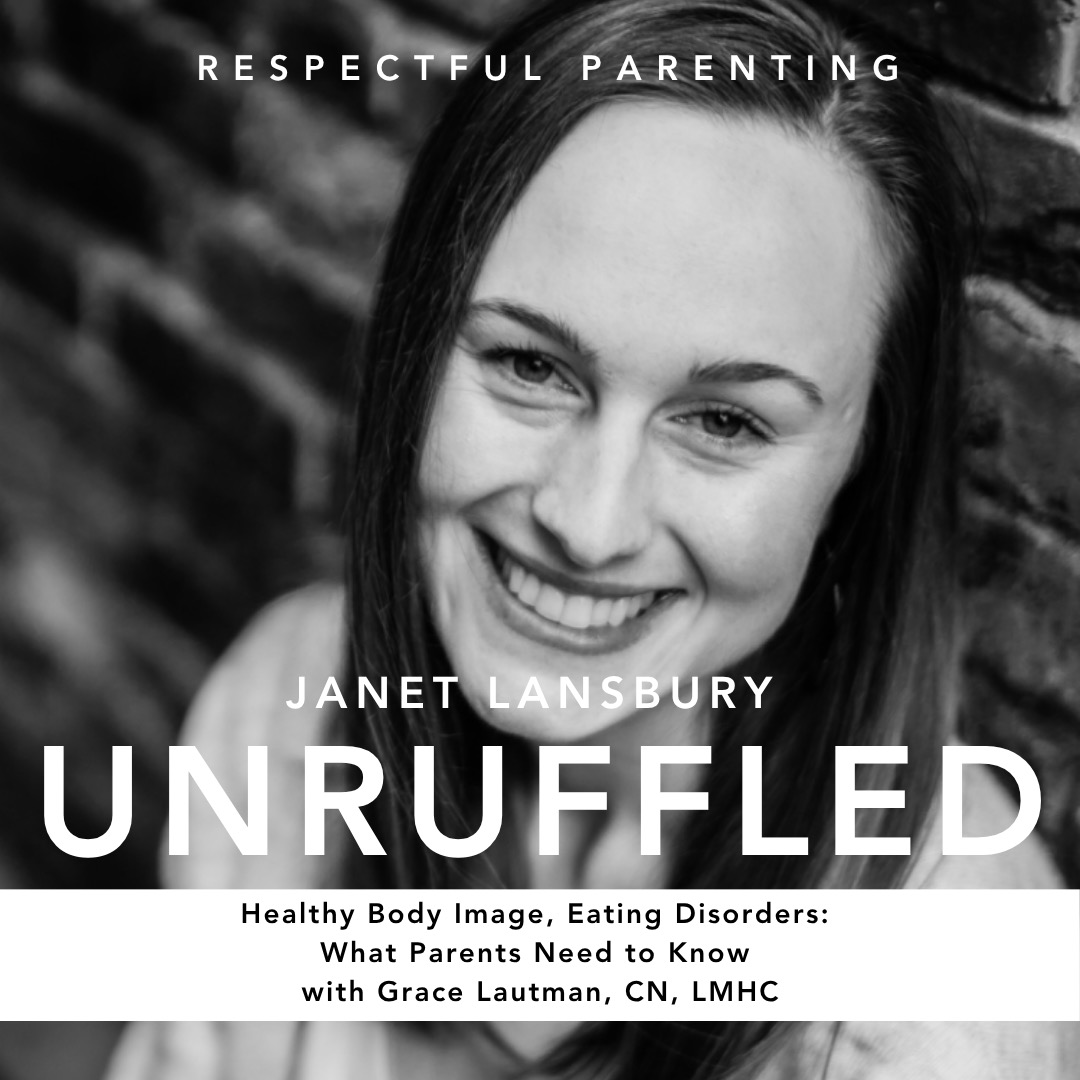
The increasing prevalence of eating disorders among young people, coupled with a growing societal emphasis on body image, has prompted a critical discussion among parents, educators, and mental health professionals. A recent insightful interview featuring Grace Lautman, a Certified Nutritionist and Licensed Mental Health Counselor specializing in eating disorders, hosted by Janet Lansbury on the "Unruffled" podcast, has shed light on the complex interplay between parental influence, genetic predispositions, and the development of healthy relationships with food and body image from an early age. Lautman, who works with preteens, teens, and adults, emphasized the importance of early intervention and prevention, offering practical guidance for parents navigating these sensitive issues.
Understanding the Landscape of Eating Disorders
Grace Lautman’s practice at Honor Nutrition Counseling centers on both the prevention and treatment of eating disorders. Her work underscores that these conditions are not solely the result of parental actions but rather a complex interplay of genetic vulnerabilities and environmental factors. "Genetics plus environment, as so many things are," Lautman explained, highlighting research that points to a neurological component, often identified through twin studies, indicating a significant hereditary factor. However, she stressed that parents are not to blame for their child developing an eating disorder, but rather that they possess considerable influence in shaping a family’s culture around food and body image.
The National Eating Disorders Association (NEDA) reports that eating disorders affect millions of individuals in the United States, with significant consequences for physical and mental health. These disorders, including anorexia nervosa, bulimia nervosa, and binge eating disorder, are serious illnesses that require professional intervention. Lautman’s approach focuses on reducing shame and blame, encouraging a more nuanced and compassionate perspective within families.
Early Prevention: Nurturing a Healthy Relationship with Food and Body
A key focus of Lautman’s preventative work involves normalizing puberty and growth in children. She noted that cultural anxieties surrounding weight gain, often linked to fears of chronic diseases like diabetes or societal pressures for thinness, can create a fear-based environment for parents. This fear can inadvertently be projected onto children, leading them to internalize negative feelings about their developing bodies.
"Normalizing fat and weight gain as a part of that, because our culture tends to be very fear-based around growth," Lautman stated. She elaborated on how the natural changes during pre-teen and teen years, which involve significant fat deposits and weight growth, can be particularly alarming for parents accustomed to a more controlled narrative around their child’s physical development. Lautman advocates for a shift in parental focus from fear-based reactions to nurturing the parent-child relationship and remaining attuned to the child’s emotional experience. This approach aligns with Janet Lansbury’s philosophy of mindful parenting, emphasizing connection and understanding over control.
Recognizing Early Signs and Navigating Medical Interactions
Identifying early signs of potential eating disorders can be challenging, as behaviors often manifest subtly. Lautman pointed out that pediatrician appointments, while crucial for monitoring physical health, can sometimes inadvertently trigger anxieties around weight and eating habits. When medical professionals inquire about dietary intake or comment on growth trends, parents might feel pressured to respond in ways that inadvertently foster shame or guilt in their children.
Lautman’s work involves helping families unpack these moments, reframing them as opportunities to educate children about normal bodily changes. For instance, a child experiencing a growth spurt might gain weight, which is a natural and healthy part of development. Instead of viewing this with alarm, Lautman encourages parents to provide objective information, normalizing the process and alleviating any potential shame. This involves emphasizing that occasional dietary slip-ups or a child not meeting ideal vegetable intake are not indicative of failure, but rather normal variations in a child’s life.
The Impact of Parental Modeling and Communication
The way parents model their own relationships with food and body image significantly influences their children. Lautman highlighted that even well-intentioned parental concerns, such as expressing a desire for their child to avoid struggling with body image issues as they have, can be misinterpreted by children. Teens, in particular, may internalize these concerns and develop anxieties about their bodies precisely because they are being discussed.
"I’ve heard a lot of teens say things in private to me like, ‘I never worried about my body until it was starting to be commented on,’" Lautman shared. This underscores the importance of parents being mindful of their own language and behaviors around food and weight. Lautman advocates for a shift towards openness and vulnerability, where parents can acknowledge their own struggles without placing blame on their children. This approach can foster a more honest and healing dialogue within the family.
Embracing Body Neutrality and Authentic Self-Expression
In a cultural landscape often pushing for constant body positivity, Lautman suggests that body neutrality might be a more accessible and realistic goal for many families. Body neutrality emphasizes accepting one’s body as it is, without necessarily attaching positive or negative judgments. This perspective acknowledges that bodies change and that discomfort is a normal human experience.
"Because what good body image is actually about—hopefully sometimes you can evaluate it positively. We want that for everybody, that’s nice. But with different body sizes and culturally different messages, that can be a really hard goal for some people, to feel like they can be positive," Lautman explained. This approach allows for more authentic self-expression and reduces the pressure to constantly feel positive about one’s appearance. Instead, the focus shifts to appreciating the body for its functionality and capabilities.
The Division of Responsibility in Feeding
Lautman referenced the influential work of Ellyn Satter, a registered dietitian and author, particularly her "division of food responsibility." This framework posits that parents are responsible for the what, when, and where of feeding, while the child is responsible for the how much and whether they eat. This division empowers children to develop their own internal cues for hunger and fullness, fostering autonomy and preventing power struggles around mealtimes.
"The parent responsibility is the what, when, and the where, and the child’s responsibility is how much and whether," Lautman articulated. This model encourages parents to provide a variety of healthy foods at set times and locations, without pressuring children to eat specific amounts or types of food. This "unruffled" approach to food boundaries, as Lansbury might describe it, allows for a more peaceful and trusting mealtime experience, where the child’s innate wisdom about their body is respected.
Addressing Underlying Issues in Eating Disorders
Lautman emphasized that eating disorders often serve as maladaptive coping mechanisms for deeper emotional or psychological issues. These can include anxiety, perfectionism, trauma, or neurodivergence, such as autism or ADHD. In these cases, restrictive eating or extreme pickiness might be a way for individuals to gain a sense of control in overwhelming situations or to muffle intense emotions and sensory experiences.
"An eating disorder is an attempt to solve some complicated problems, and a lot of times you can’t see it early on," she stated. Treatment, therefore, involves not only addressing the disordered eating behaviors but also exploring and alleviating the underlying distress. This might involve therapies focused on managing anxiety, processing trauma, or providing appropriate accommodations for neurodivergent individuals.
When to Seek Professional Help
Lautman encouraged parents to reach out for professional guidance if they have any concerns, even if they are not yet experiencing overt signs of disordered eating. "It never hurts," she advised. Clear indicators for seeking professional help include a child significantly dropping off their typical growth chart trajectory, a noticeable shift in their eating patterns and mood surrounding food, or significant distress related to meals or social eating.
She also highlighted her online courses, available through her website (honornutritioncounseling.com), which offer support for families navigating potential eating disorders and for feeding preteens and teens. Her active presence on social media platforms, particularly Instagram (@honor_nutrition_counseling), also serves as a valuable resource for parents seeking information and support.
The conversation between Janet Lansbury and Grace Lautman offers a vital resource for parents, emphasizing a compassionate, informed, and preventative approach to fostering healthy body image and preventing eating disorders. By understanding the complexities involved and focusing on open communication, parental modeling, and respecting children’s innate body wisdom, families can cultivate a supportive environment that nurtures well-being from the earliest years.
