

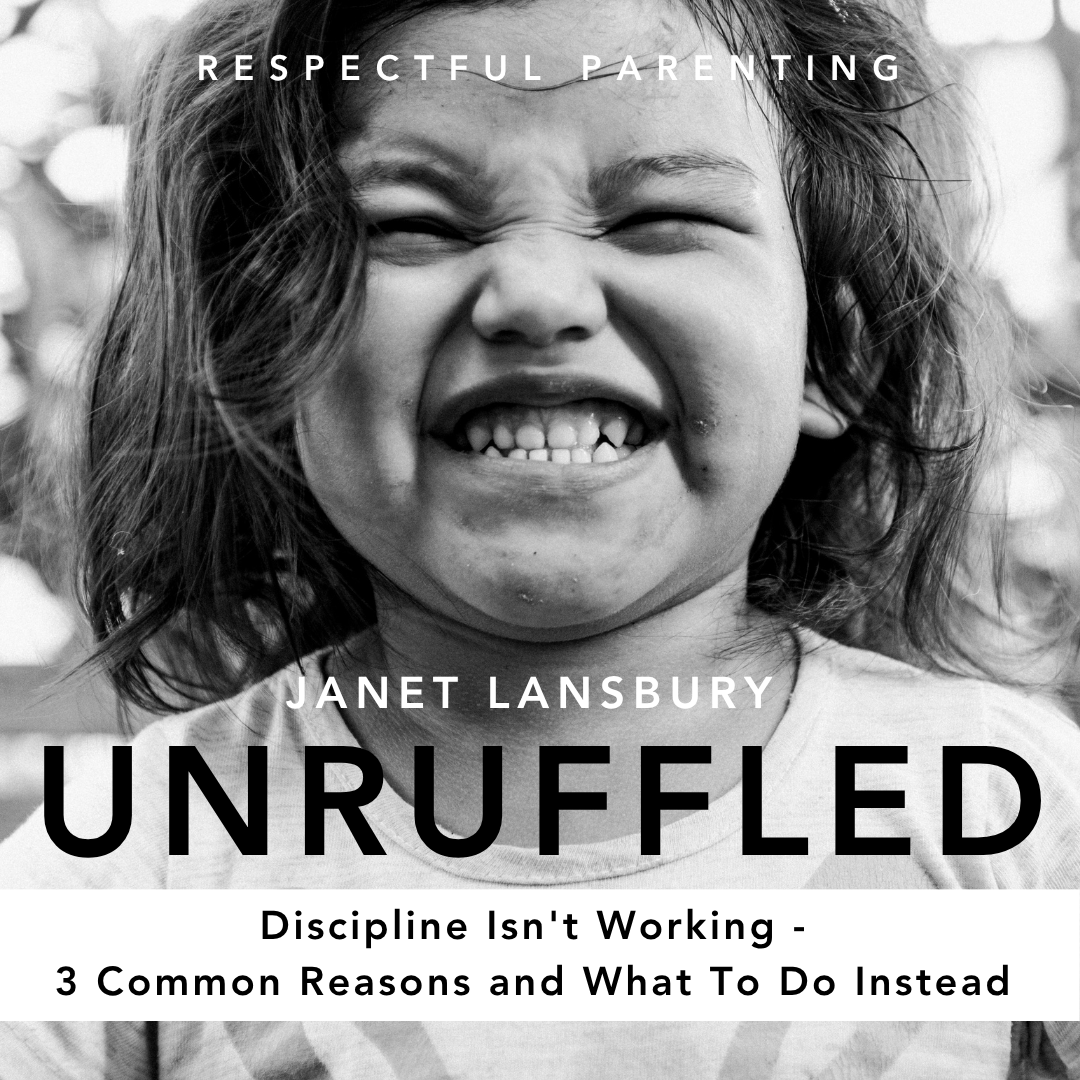
Navigating the complexities of child discipline can often feel like an uphill battle. Parents strive to be empathetic, patient, and measured, yet persistent challenging behaviors can leave them questioning their approach. This is particularly true when attempts to set boundaries result in prolonged meltdowns, prompting a deep dive into what might be going wrong. Janet Lansbury, a respected voice in parenting and child development, addresses this common parental quandary in a recent episode of her podcast, "Unruffled." She identifies three prevalent reasons why conventional discipline strategies may prove ineffective and offers nuanced adjustments that can foster a more secure, understood, and supported environment for children, thereby strengthening the parent-child bond.
The Shifting Landscape of Parenting and Feelings
Lansbury opens by acknowledging the significant evolution in attitudes towards children’s emotions since she began writing about parenting in 2009. In earlier years, a parent’s child experiencing difficulties, such as crying or tantrums, was often met with parental self-blame, suggesting a deficit in practices like breastfeeding, physical closeness, or overall connection. This perspective has shifted dramatically, with a widespread emphasis now placed on acknowledging and allowing children to express their feelings.
However, Lansbury observes that this pendulum swing has, in some instances, led to an overemphasis on feelings, potentially obscuring the parent’s role. The pervasive message that children’s emotions are paramount can sometimes lead parents to feel overwhelmed by the responsibility of managing these feelings, making them appear as critical, defining events rather than transient visitors. This perspective, she suggests, can inadvertently create a sense of urgency and complexity around emotional expression that isn’t always necessary.
While acknowledging that some parenting circles still promote the suppression of emotions – exemplified by phrases like "you get what you get and you don’t throw a fit" – Lansbury focuses on the more common contemporary issue: an almost paralyzing focus on feelings that can lead to confusion about effective responses. Her work consistently advocates for a long-term view of the parent-child relationship, prioritizing open communication and trust over immediate behavioral control, which she argues can undermine emotional resilience and the depth of familial connection.
Three Pillars of Ineffective Discipline
Lansbury outlines three core reasons why discipline efforts can fall short, often stemming from a misinterpretation of a child’s behavior and underlying emotional state.
1. Reacting to Symptoms, Not Underlying Causes
The first and perhaps most significant pitfall is reacting to the visible "symptoms" of a child’s distress rather than addressing the root causes. When a child exhibits challenging behaviors, it can be difficult for parents to recognize that these actions, however unreasonable they appear, are often a direct consequence of the child feeling out of control and overwhelmed.
Lansbury illustrates this with a poignant exchange with a parent whose four-year-old daughter was experiencing extreme behavioral difficulties. The family had recently endured significant losses, including the death of a beloved dog and the hospitalization of adored grandparents who lived with them. Compounding this stress, the family had also acquired a new, young dog. The daughter’s behavior escalated to constant yelling, defiance, aggression towards the baby and the dog, and severe bedtime struggles. When asked about her behavior, she could only articulate that she was sad about the dog’s death.
This scenario highlights a crucial point: the child’s behavior was not an intentional act of manipulation but a manifestation of profound grief and stress. The parent’s feeling of being "ruffled" and the lapse in applying established positive parenting techniques underscore how external pressures can impact parental capacity. Lansbury emphasizes that it is entirely "expected" for children to react intensely during such turbulent times, and that these reactions are amplified by the parents’ own emotional state.
Her advice to the parent was to recognize that the child was "so out of control" and that these behaviors were not personal attacks but expressions of overwhelming feelings. Instead of taking the behavior personally or demanding it cease, the suggested approach was to protect those around the child from harm – keeping the baby and dog safe – while allowing the child to express her distress. This involves minimizing damage and responding with understanding, recognizing that even intelligent children can be highly sensitive to a loss of control. The goal is to help the child feel safer by understanding that she cannot manage her feelings better at that moment.
Lansbury also touches upon the common issue of prolonged bedtime struggles. She explains that these can often be a consequence of children not having sufficient opportunities to process their emotions throughout the day. Every time a boundary is set and the child reacts, they are in the process of moving those feelings through their system. If these opportunities are consistently met with parental anxiety or an attempt to immediately quell the emotion, the feelings can build up, culminating in significant distress at bedtime. Allowing children to express their upset, even through yelling, in response to reasonable boundaries, is seen as a positive outlet that prevents such build-up.
2. Saying "No" Without Providing an Alternative Outlet for Feelings
The second common reason discipline falters is when parents simply say "no" to undesirable behaviors without providing a constructive alternative for their child to express the underlying feelings. While it is essential to set boundaries and prevent harmful actions, children need avenues to communicate their emotions when those boundaries are encountered.
Lansbury explains that this doesn’t require parents to psychoanalyze their child’s every emotion. Instead, it involves a simple, empathetic acknowledgment of the child’s struggle. Phrases like, "I can’t let you do that. I’m going to stop you. You want to keep doing that. You’re really having a hard time stopping yourself," can be remarkably effective. This brief moment of recognition, where the parent sees the child and the child sees themselves being seen, has a calming effect. It communicates that while the behavior is not acceptable, the desire to act out or the feeling behind it is not inherently "wrong" or something to be ashamed of.
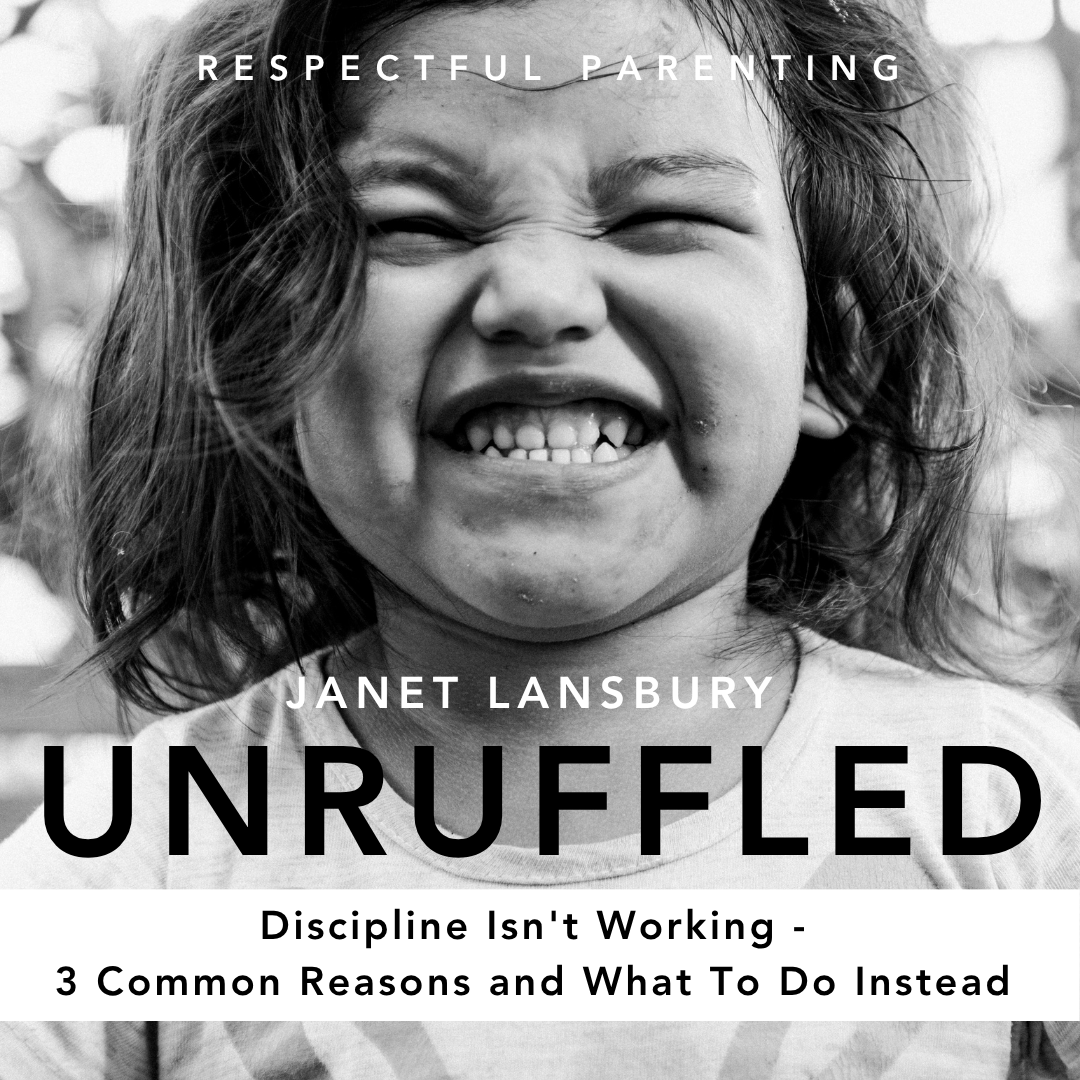
Without this alternative outlet, children can internalize the message that their impulses are unacceptable and that they should never feel that way. This can lead to a constant focus on symptoms without addressing the cause, making discipline feel like an unending battle. The underlying message conveyed by this approach is crucial: "Your behaviors are not okay, and I will not allow them, but it is okay to feel the way you do."
3. Parental Responsibility for the Child’s Feelings
The third reason discipline may not be working is when parents feel overly responsible for their child’s feelings or become too uncomfortable with their child’s distress. This discomfort can lead parents to try and "fix" the child’s emotions rather than simply holding the boundary and allowing the child to experience and process their feelings.
Lansbury uses the analogy of a parent feeling responsible for teaching their child self-regulation on top of setting boundaries and allowing emotions. She argues that this is an unproductive and unhelpful burden. When parents feel compelled to make their child’s feelings "better," they inadvertently send the message that these intense emotions are unsafe or problematic, something that requires external intervention. This can undermine a child’s innate capacity to navigate difficult feelings.
The core dynamic that Lansbury advocates for is simple: the parent sets a confident boundary, and the child is then free to express their feelings about it. This expression is not viewed as a crisis but as a natural and expected part of life. The parent’s role is to be present, accepting, and understanding, without attempting to mediate or eliminate the child’s emotional response. This approach fosters a sense of safety for the child, assuring them that they can experience a full range of emotions, even intense ones, and still be accepted and supported.
The Nuance of Parental Response
Lansbury addresses a letter from a parent who, despite diligently applying respectful parenting methods, found her parenting journey "extremely challenging." The parent described a situation where her six-year-old son became upset and immobile for fifteen minutes when told he couldn’t bring a cardboard sword to his grandparents’ house. The parent had tried acknowledging his feelings, showing curiosity, and suggesting a place for the sword, but the child remained unyielding. This parent expressed discouragement, feeling that her experience didn’t mirror the "peaceful, harmonious outcomes" sometimes described in positive parenting literature, leading her to question if she was failing.
Lansbury acknowledges the parent’s kind feedback and the potential for her episodes to be discouraging if they inadvertently suggest that ease and harmony are the default outcomes. She stresses that messy, prolonged, and emotionally intense situations are indeed typical with young children.
In analyzing the sword incident, Lansbury suggests that the parent’s approach, while well-intentioned, might have inadvertently created a sense of "delicacy" around saying no. By trying too hard to make the situation okay for the child, the parent might have diffused the boundary. Lansbury proposes a simpler, more direct approach: acknowledge the desire, validate the anger, state the boundary clearly and kindly ("Come on, we’re going to go. But you can yell at us the whole way in the car if you need to"), and trust that the child can process their feelings. This directness, combined with the welcoming of emotions, can often lead to shorter, less intense episodes.
The underlying principle is to avoid making the child’s emotional reaction an "event." When parents express discomfort or an excessive need to "fix" a child’s feelings, the child can perceive that their emotions are problematic. This can lead them to seek further validation or attention for those feelings, sometimes prolonging the situation unnecessarily. Lansbury advocates for trusting children’s inherent capacity to navigate these experiences, viewing their emotional expressions not as a sign of failure, but as a healthy and necessary part of their development.
The Importance of Parental Bravery and Belief
Ultimately, Lansbury concludes that navigating discipline and emotions requires a degree of bravery and a deep belief in children’s capabilities. This bravery involves setting boundaries with confidence and welcoming a child’s emotional response without fear. It means understanding that children are equipped to handle life’s disappointments, heartbreaks, and frustrations.
The dynamic she champions is straightforward: observe the situation, set the boundary with conviction, and allow the child to express their feelings about it. This approach, she contends, is far less complicated than the messages often conveyed about managing behaviors and emotions. It fosters a relationship built on trust and open communication, where children feel safe to express their full range of emotions, knowing that their parents will accept and support them through it.
Lansbury’s insights, detailed further in her "No Bad Kids Master Course" and the book No Bad Kids, aim to simplify the parenting journey by focusing on these core principles, helping parents to find a more comfortable and effective way to support their children’s emotional development and behavior.
