

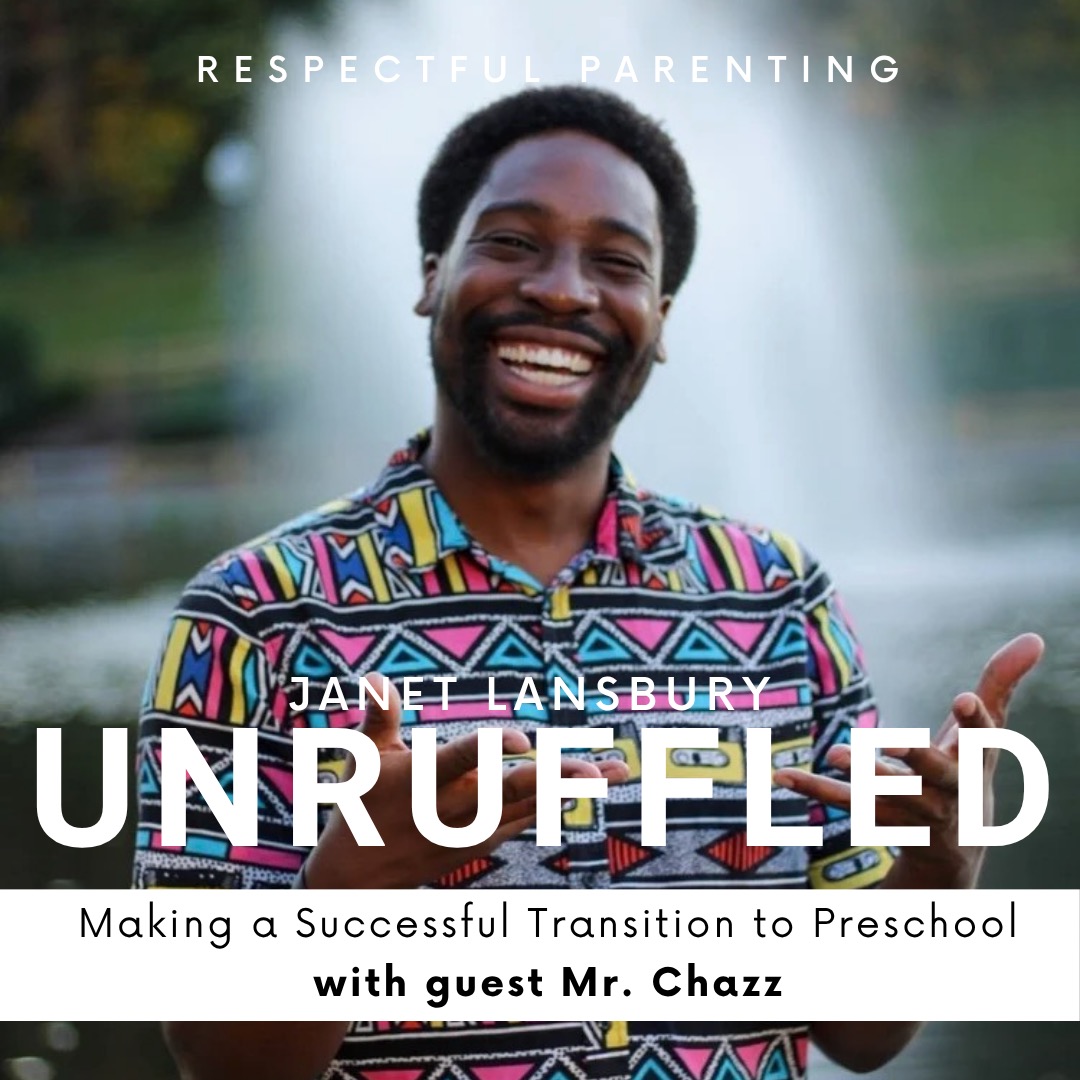
The complexities of early childhood education and the critical role of smooth transitions into preschool and childcare settings were the focus of a recent discussion between renowned parenting author and educator Janet Lansbury and acclaimed educator Mr. Chazz. In an insightful interview, Mr. Chazz, known for his engaging approach on platforms like TikTok and Instagram and as the host of the "Learning Curve with Mr. Chazz" podcast, shared his philosophy and practical strategies for fostering confidence and security in young children as they embark on new educational journeys. The conversation also delved into Mr. Chazz’s innovative approach to establishing his new childcare center, "Birdhouse," in Brooklyn, aiming to redefine the early childhood experience for both children and educators.
A New Model for Early Childhood Education: The Birdhouse Approach
Mr. Chazz, often lauded as "America’s favorite teacher," has channeled his extensive experience and deep understanding of child development into the creation of Birdhouse, a childcare facility designed to prioritize the well-being and emotional security of its attendees. A cornerstone of this innovative model is the unique housing arrangement for its head teacher, who lives on-site. This setup, Mr. Chazz explained, aims to alleviate financial pressures and reduce the "survival state" that many educators experience, thereby enabling them to dedicate their full emotional and cognitive resources to the children.
"When teachers feel cared for, they are better equipped to care for children," Mr. Chazz stated, highlighting a principle often overlooked in the demanding field of early childhood education. This approach directly addresses the persistent issue of high teacher turnover in childcare settings, a factor that significantly impacts the consistency and quality of care children receive. By fostering a sense of commitment and reducing burnout, Birdhouse seeks to cultivate a stable and nurturing environment, a crucial element for young children’s developmental needs. Lansbury echoed this sentiment, emphasizing that teacher retention is intrinsically linked to the success of any early childhood program and the overall well-being of the families it serves.
Rethinking Arrival and Reunion: A Shift in Transition Philosophy
A significant portion of the discussion centered on the critical transition period when children first enter a preschool or childcare setting. Mr. Chazz articulated a stark critique of traditional drop-off procedures, often characterized by hurried goodbyes and an emphasis on adult convenience rather than the child’s emotional needs. He contrasted this with Birdhouse’s intentional reframing of these moments: "arrival" and "reunion."
"Instead of it being this quick drop-off and pick-up, we wanted to focus more on the connection aspect of all of this," Mr. Chazz explained. This shift in language is underpinned by a tangible change in practice. The arrival process at Birdhouse is designed to be a gradual integration, encouraging connection between parent and child, and with the educators, before the separation occurs. This includes a series of visual cues and structured activities, such as a moment of connection with Mr. Chazz (often a high-five, hug, or fist bump, tailored to each child’s preference), putting away belongings, removing shoes, and washing hands.
The emphasis is on creating a sense of predictability and safety. "This takes more time than a quick little drop-off, shoving them in the classroom and then darting out," Mr. Chazz acknowledged, "but I find that this is a way for them to really feel safe and connected and more easily jump into the learning and the play." This approach directly combats the anxiety often associated with separation, allowing children to feel more secure and prepared for the day’s activities.
The Power of Visuals and Preparation
To further support this transition, Birdhouse utilizes visual aids, such as routine cards, to guide both children and parents through the arrival process. These cards, depicting each step from greeting to handwashing, provide a clear roadmap, reducing uncertainty and empowering children to participate actively in their own integration into the school day. This visual structure is particularly beneficial for young children who are still developing their verbal communication skills.
Mr. Chazz also highlighted the importance of proactive preparation. Birdhouse offers opportunities for children and parents to visit the center prior to the official start date. This allows children to become familiar with the environment and the "safekeepers" (as the educators are called), building trust and a sense of security. This pre-transition phase is crucial for equipping children with a "safe person to go to" when they experience difficult emotions upon separation from their parents.
For parents who may not have access to such a structured introductory program, Mr. Chazz suggested practical alternatives:
- Creating a Visual Routine: Parents can create their own visual routine cards at home, depicting the steps of arriving at school. This can be role-played to familiarize the child with the process.
- Photo Albums of the School: Compiling a small book with pictures of the school, the classroom, and the educators can help children visualize their day and anticipate the activities.
- Role-Playing Scenarios: Practicing arrival and departure routines through play can help children anticipate and process the experience, making the actual transition smoother. This includes playful goodbyes and connecting rituals.
Navigating Difficult Emotions: A Focus on Co-Regulation
Lansbury and Mr. Chazz acknowledged that even with the most meticulous preparation, children may still experience distress during separation. Mr. Chazz shared a powerful anecdote about a child who exhibited significant distress throughout circle time, crying and clearly missing their mother. In this challenging situation, the Birdhouse educators did not attempt to suppress the child’s emotions. Instead, they validated them: "Yes, so-and-so is having a hard time. He’s feeling sad because he’s really wanting his mom and he’s really missing his mom. Let’s all take a deep breath for so-and-so."
This response exemplifies the concept of co-regulation, where adults help children manage their emotions by modeling calm and supportive behavior. The educators remained present and available, offering comfort without forcing physical contact, and the other children in the class learned to regulate their own responses by observing and participating in a collective breath for their distressed peer. This approach transformed a potentially negative experience into a valuable learning opportunity for all involved, including the parents who were present.
"Emotions are contagious," Mr. Chazz noted, emphasizing how a calm and regulated adult can positively influence a child’s emotional state. He also stressed the importance of not placing blame on oneself or the child when difficult emotions arise. "It just is," he stated, advocating for a non-judgmental acceptance of the situation. The focus shifts from "why is this happening?" to "how can we navigate this moment constructively?"
The Importance of Educator Well-being and Professional Development
Mr. Chazz’s commitment to supporting educators is a recurring theme. He highlighted the use of in-classroom cameras not for punitive measures, but as powerful tools for reflection and professional development. These recordings allow educators to analyze interactions, identify areas for growth, and learn from both successes and mistakes. This reflective practice fosters a culture of continuous learning and improvement within the Birdhouse team.
"I did hire people who are already looking from the child’s perspective, already wanting to learn," Mr. Chazz said, underscoring the importance of hiring educators who are passionate about child development. He also acknowledged that even experienced professionals make mistakes, and creating a safe environment for these learning moments is crucial for their growth and for the overall quality of care.
Broader Implications for Early Childhood Education
The conversation between Lansbury and Mr. Chazz offered a compelling vision for the future of early childhood education. Their insights underscore the critical need to prioritize the emotional well-being of children during transitions, to support educators by fostering their own well-being, and to create environments that are conducive to deep learning and connection.
The Birdhouse model, with its emphasis on teacher support, intentional transition practices, and a focus on co-regulation, provides a potential blueprint for other childcare centers seeking to improve their offerings. The strategies discussed, such as visual routines, proactive preparation, and the validation of children’s emotions, are adaptable and can be implemented by parents and educators alike, regardless of the specific setting.
As more families navigate the complexities of returning to school and entering new educational environments, the principles shared by Mr. Chazz and Janet Lansbury offer a valuable roadmap for fostering confidence, resilience, and a positive lifelong relationship with learning in young children. The success of initiatives like Birdhouse highlights a growing awareness of the profound impact that thoughtful, child-centered approaches can have on early development and the overall health of our educational systems.
