

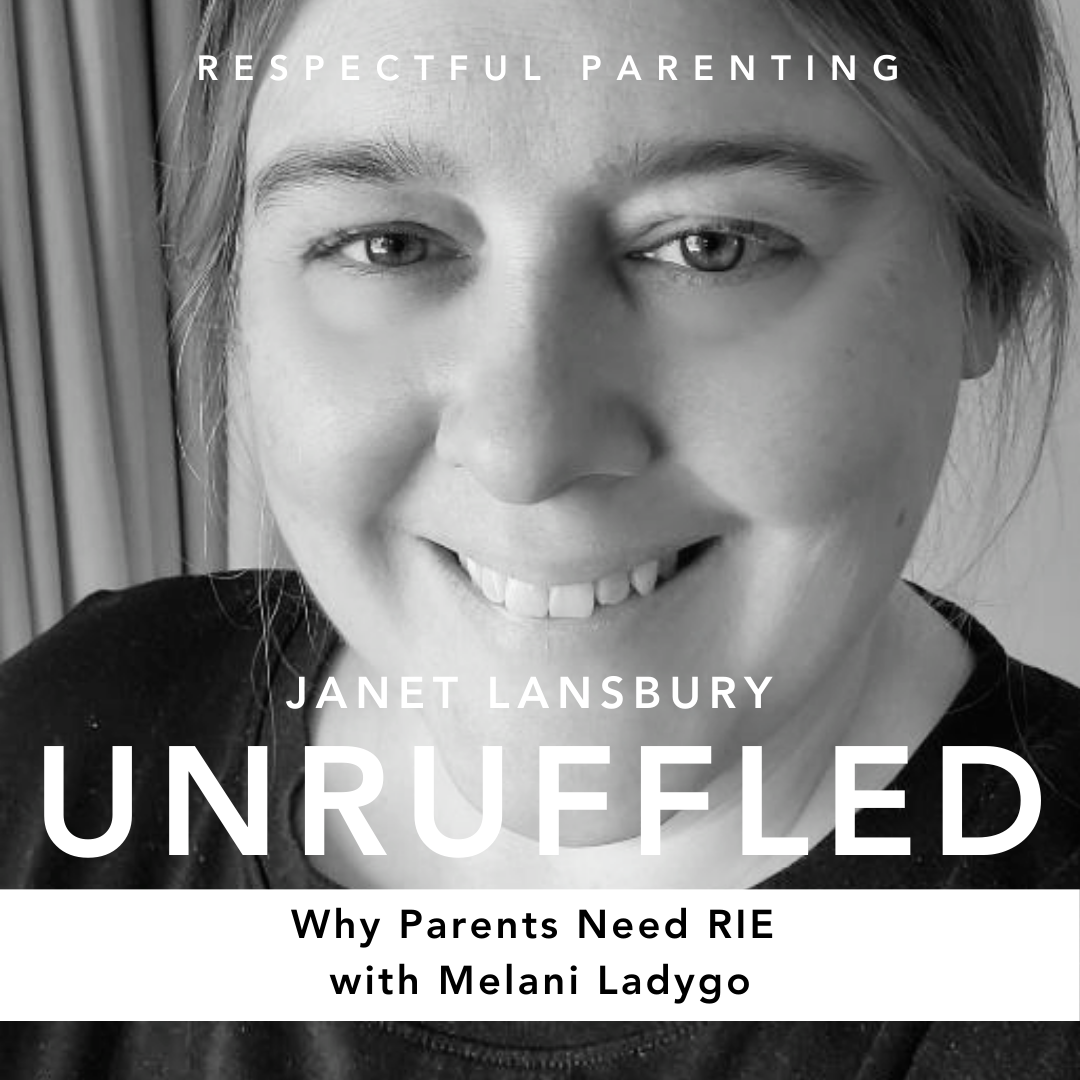
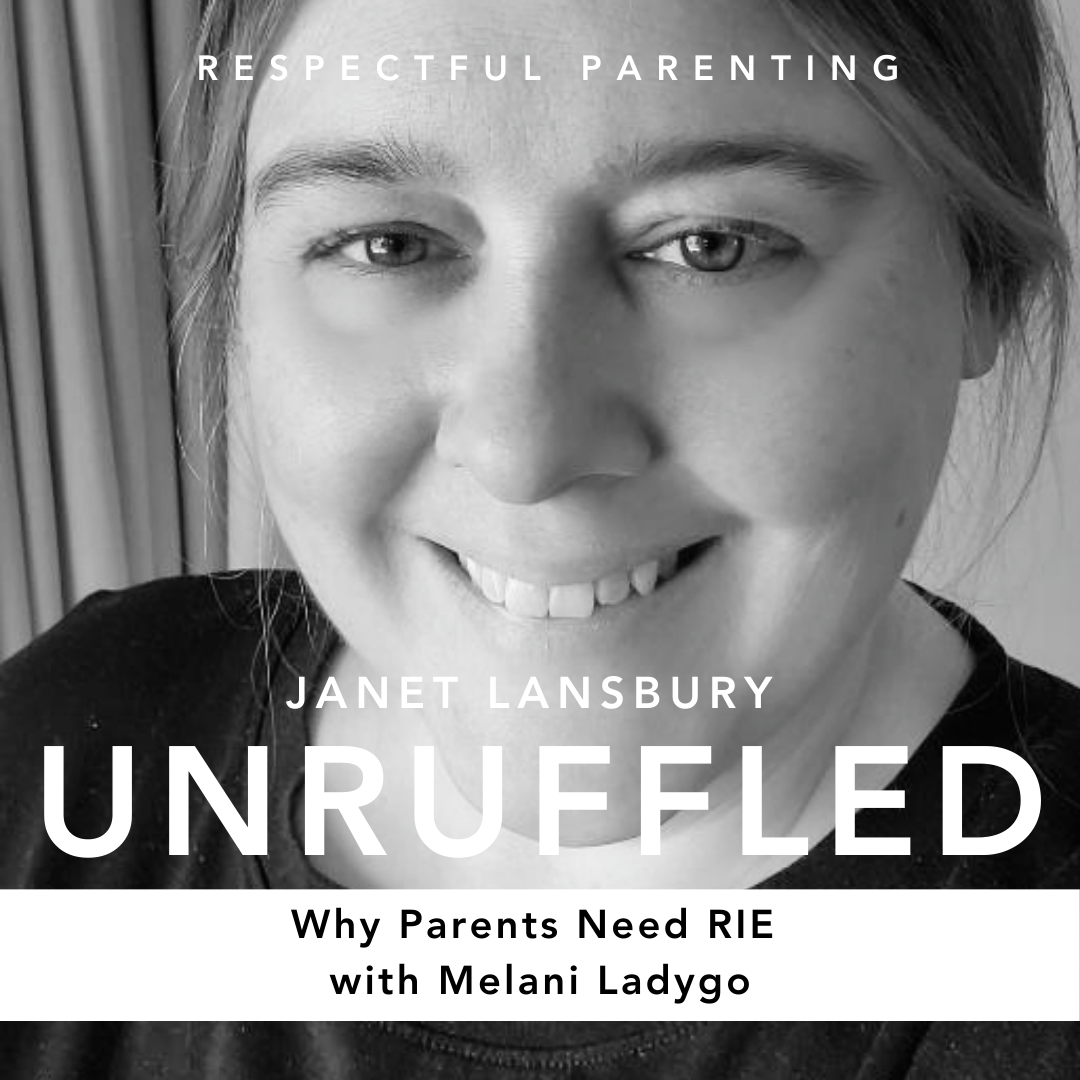
In an insightful podcast episode titled "Why Parents Need RIE (with Melani Ladygo)," Janet Lansbury, a prominent advocate for respectful parenting, engaged in a comprehensive discussion with Melani Ladygo, the Executive Director of Resources for Infant Educarers (RIE). The conversation aimed to demystify the RIE approach, a philosophy deeply rooted in respecting infants as capable individuals with their own perspectives and agency from birth. Lansbury, a longtime practitioner and trainer inspired by RIE founder Magda Gerber, highlighted the profound impact of this methodology on her understanding of childcare and child development.
The discussion emerged from frequent inquiries from parents and early childhood professionals seeking a clearer understanding of RIE, a term often met with curiosity, skepticism, or even outright dismissal due to its seemingly unconventional tenets. Ladygo, who has dedicated years to embodying and disseminating RIE principles, shared her personal journey and offered practical insights into how the RIE approach fosters respectful, reciprocal relationships between parents and their very young children, specifically zero to two years old.
The Genesis of RIE and Its Core Tenets
The RIE philosophy, founded by Magda Gerber, emerged from a deep-seated belief that infants are not passive recipients of care but active participants in their own development and relationships. The organization, Resources for Infant Educarers, serves as a resource hub for what Gerber termed "infant educarers" – individuals who educate while they care, and care while they educate. This dual focus underscores the RIE commitment to nurturing a child’s cognitive, emotional, and social growth through a lens of profound respect.
Lansbury recounted her own transformative experience with RIE, beginning over 30 years ago with her firstborn. Her initial perception of bonding and mutual play with a baby was centered on later developmental stages when verbal communication and shared activities seemed more apparent. However, observing her three-month-old in an RIE class shattered this preconception. She witnessed firsthand the intricate inner world of her infant – her thoughts, ideas, and burgeoning sense of self. This realization shifted her perspective from a desire to "feed into" or "stimulate" the baby to a profound curiosity about understanding and connecting with the unique individual her daughter was. This revelation became the catalyst for her deep dive into the RIE approach, a journey she describes as "life-changing."
Ladygo echoed this sentiment, explaining that the essence of RIE lies in cultivating "respectful, reciprocal relationships." She elaborated that this means fostering a genuine curiosity about the child, seeking to understand their internal experiences, and allowing them to unfold and share themselves organically. This approach, she emphasized, can and should begin from the earliest moments of a child’s life.
Personal Journeys into RIE
Ladygo’s initial exposure to RIE was through a child development course that emphasized brain development. While intellectually understanding that babies are not miniature adults and their brains develop over time, it was her subsequent immersion in an RIE-influenced childcare program that solidified her commitment. She recalled the surprising peace she felt in a classroom of twelve infants. This environment, in stark contrast to her prior assumptions about the potential chaos of infant care, prompted her to question the methods employed.
A pivotal moment occurred when she assisted a baby climbing a slide. Her instinct was to help, positioning her hands under the baby’s feet for support. While the baby successfully reached the top, a teacher gently questioned the intervention, asking how the child would feel the next time she attempted the climb without assistance. This simple yet profound interaction shifted Ladygo’s focus from merely facilitating an outcome to understanding the child’s experience of achievement and capability. This experience ignited her curiosity about the "RIE way," leading her to enroll in RIE training.
The RIE Philosophy in Practice: Empowering Parents and Children
A central theme of the discussion revolved around how RIE empowers parents by shifting their perception of their role. Lansbury articulated that by truly seeing the person within their baby, parents are afforded the opportunity to be seen as themselves. This liberates them from the pressure of performing as a "perfect parent" often depicted in media or societal expectations. Instead, they can engage authentically, allowing for genuine connection, the establishment of healthy boundaries, and a more comfortable and easeful parenting experience.
The RIE approach, by relinquishing the perceived need to constantly "fix," "calm," or "excite" a child, lightens the parental load. Instead of focusing on tasks that were once believed to be the parent’s sole responsibility (like helping a child up a slide or soothing their distress), parents are encouraged to be present and receptive. This shift allows for a deeper engagement with the child’s unfolding experiences, fostering trust and confidence in the child’s own capabilities.
Ladygo illustrated this with an anecdote from a recent RIE class where, due to rain, seven active toddlers were confined to a smaller space than usual. Despite the apparent chaos of climbing, sliding, and sharing toys, the parents remained remarkably relaxed. Observers were struck by the parents’ composure and confidence in their children’s abilities. Ladygo explained that this comes from a gradual process of developing trust through observation. Parents learn to witness their children navigate challenges and attempt new things, gradually building the confidence to allow them to do so independently, even if it involves a degree of struggle. This trusting relationship, she posited, is one of the most significant gifts RIE offers to both parents and children, leading to a baseline of peacefulness.
Reframing Happiness and Struggle
The conversation delved into the RIE reinterpretation of happiness for infants. It’s not about constant external stimulation or the absence of difficulty, but rather the acceptance of where a child is in their developmental journey. This includes allowing them to experience "struggle" as a positive and integral part of learning. Witnessing a child work through a challenge, even if they don’t immediately succeed, is presented as a valuable and positive experience.
This perspective extends beyond infancy, shaping a child’s ability to navigate life’s inevitable difficulties. Lansbury noted that this foundation of experiencing and managing challenges, with parental support but without constant intervention, equips children to face future adversies, from academic pursuits to relationship heartbreaks. The core message is that while life isn’t always easy, children learn they can cope and will ultimately be okay, not through constant reassurance, but through lived experience.
Ladygo added that being seen in one’s struggle, rather than being rescued from it, is a powerful aspect of RIE. This concept, she shared, resonated with her even as an adult when she admitted to not having all the answers and receiving the response, "It’s okay." This acknowledgement of struggle as a valid part of the human experience, for both children and adults, fosters a sense of acceptance and reduces unnecessary stress.
Embracing Authenticity and Boundaries
A crucial element of the RIE approach is the encouragement of parental authenticity. Parents are not expected to be perpetually cheerful or energetic, especially during demanding moments like nighttime feedings or toddler awakenings. Magda Gerber’s philosophy advocated for parents to be their genuine selves – tired, perhaps even grumpy – while still maintaining respectful interactions and boundaries. This authenticity allows for more genuine connections and reduces the performative pressure that can plague modern parenting.
This authenticity also extends to how parents navigate conflicts. Lansbury described how, when interventions prove ineffective, she would sometimes express the reality of the situation, such as, "This is really a disaster! We are just not working together here." This honest acknowledgement, rather than a forced attempt at a perfect resolution, can act as a reset, allowing both parent and child to return to a more connected state. This approach fosters an environment where children learn that relationships aren’t always seamless and that it’s acceptable to not always get along perfectly.
Ladygo highlighted the RIE principle of pausing before reacting. This allows parents to choose between a knee-jerk reaction, often influenced by societal norms or past experiences, and a more thoughtful response. This conscious choice empowers parents to be more intentional in their interactions. She shared an example of a mother whose daughter insisted on having a rocking boat to herself, a situation that challenged the mother’s own ingrained tendency to acquiesce to others’ desires. Through RIE, the mother learned to support her daughter’s assertion of needs while also fostering her awareness of others’ feelings, a crucial balance for developing empathy and self-care.
Navigating Social Dynamics and Conflict Resolution
The RIE approach extends to teaching children how to navigate social dynamics and resolve conflicts. In RIE classes, parents are encouraged to be present as "buddyguards," ensuring safety while allowing children to experience and work through disagreements. This means avoiding immediate arbitration or dictating solutions, instead fostering an environment where children can explore their desires and the consequences of their actions.
For instance, in a situation where one child wants exclusive access to a toy or play space, a RIE-practicing parent might stand by, ensuring safety, and translate the children’s feelings and desires. This allows the children to negotiate their own resolutions, which may involve sharing, taking turns, or finding alternative activities. This process, while not always resulting in immediate harmony, cultivates valuable social intelligence and problem-solving skills.
Ladygo emphasized that RIE doesn’t advocate for a "hands-off" approach but rather a "present and not solving" one. This distinction is vital. It means being actively involved in ensuring safety and understanding, but refraining from stepping in to solve the problem for the child. This empowers children to develop confidence in their ability to manage social situations and resolve conflicts independently.
The Broader Impact: Building Resilient Individuals
The long-term implications of the RIE approach are significant. Children raised with RIE principles are often noted for their confidence, their ability to form healthy relationships, and their capacity for problem-solving. This is because they are given ample opportunities to experience their own agency and learn to navigate the complexities of social interaction from an early age.
Ladygo shared feedback from educators who noted that children graduating from RIE-influenced programs consistently demonstrated strong social skills, regardless of the academic focus of their subsequent schools. These children were better equipped to handle the "real world" because they had developed a solid foundation in understanding relationships and navigating social dynamics.
The RIE Conference: A Hub for Learning and Community
The discussion concluded with an announcement about the upcoming 36th Annual RIE Conference, themed "Nature’s Path for Play: Creating Conditions for Authentic Playfulness." The conference, featuring prominent speakers like Peter Gray, offers a valuable opportunity for parents and early childhood professionals to deepen their understanding of RIE principles and explore their diverse applications. Lansbury encouraged listeners to use the code "Unruffled" for a $50 discount on registration.
The conference is described as a "smorgasbord" or "banquet" of RIE knowledge, showcasing how the approach can be implemented in various settings, from classrooms to home environments. It emphasizes the importance of play as a fundamental aspect of child development and a powerful tool for social learning. The theme of play, coupled with Peter Gray’s expertise in the evolutionary and developmental benefits of free play, promises to offer profound insights.
Both Lansbury and Ladygo stressed the importance of community in practicing RIE, especially for those who may not have access to local classes or support groups. The RIE conference provides a platform for connection with like-minded individuals, fostering a sense of belonging and shared understanding in a world that can sometimes feel isolating for those seeking alternative parenting and caregiving approaches. This sense of community, they concluded, is essential for sustaining the practice and for supporting the well-being of both parents and children.
