

The Evolution of School-Safe Meal Preparation
The transition toward nut-free culinary staples is rooted in a decades-long shift in public health policy. Since the late 1990s, educational institutions have progressively adopted "nut-aware" or "nut-free" zone policies to mitigate the risk of anaphylaxis among students. This has necessitated a re-evaluation of classic recipes that historically utilized nuts for protein and texture. The nut-free pesto model exemplifies this evolution, utilizing a blend of basil and parsley to achieve a vibrant color and robust flavor profile without the need for expensive and potentially hazardous legumes or seeds.
In a professional kitchen context, the removal of nuts also addresses the volatility of ingredient costs. Pine nuts, frequently imported from East Asia or the Mediterranean, have seen significant price fluctuations due to environmental factors and harvest yields. By substituting these with a higher volume of leafy greens and high-quality olive oil, home cooks and institutional chefs can produce a high-quality condiment at a fraction of the traditional cost. This economic efficiency, combined with a preparation time of under five minutes, positions the nut-free pesto as a primary resource for time-constrained families.
Technical Execution and Culinary Methodology
The production of nut-free pesto requires a specific sequence of operations to ensure emulsification and color retention. Unlike traditional methods that may use a mortar and pestle, modern nut-free variants are optimized for high-speed food processors or blenders.
Ingredient Procurement and Preparation
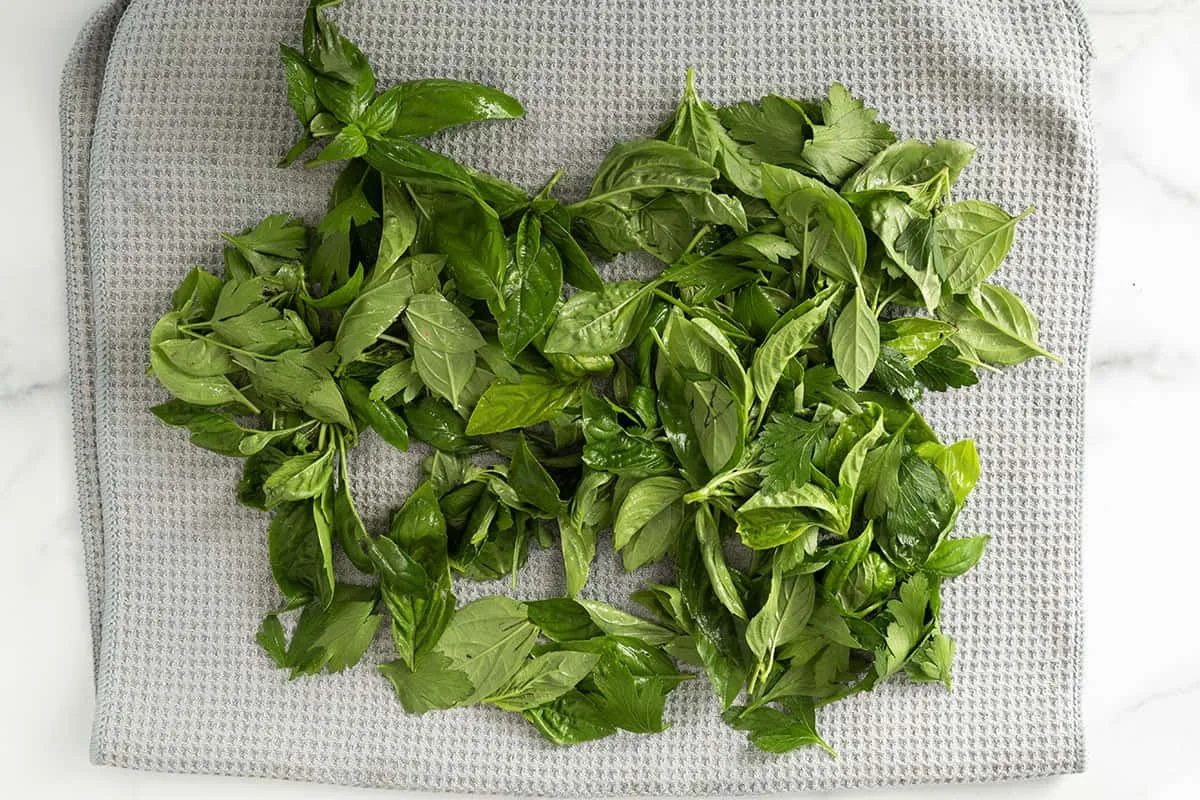
The foundation of the sauce rests on the quality of the basil and parsley. Journalistic analysis of culinary trends suggests that the inclusion of parsley is not merely for bulk; it acts as a stabilizing agent for the chlorophyll in the basil. Basil is notoriously prone to oxidation, turning brown when exposed to air or heat. Parsley, which is more resilient, helps maintain the "bright green" aesthetic that is crucial for child acceptance of "green foods."
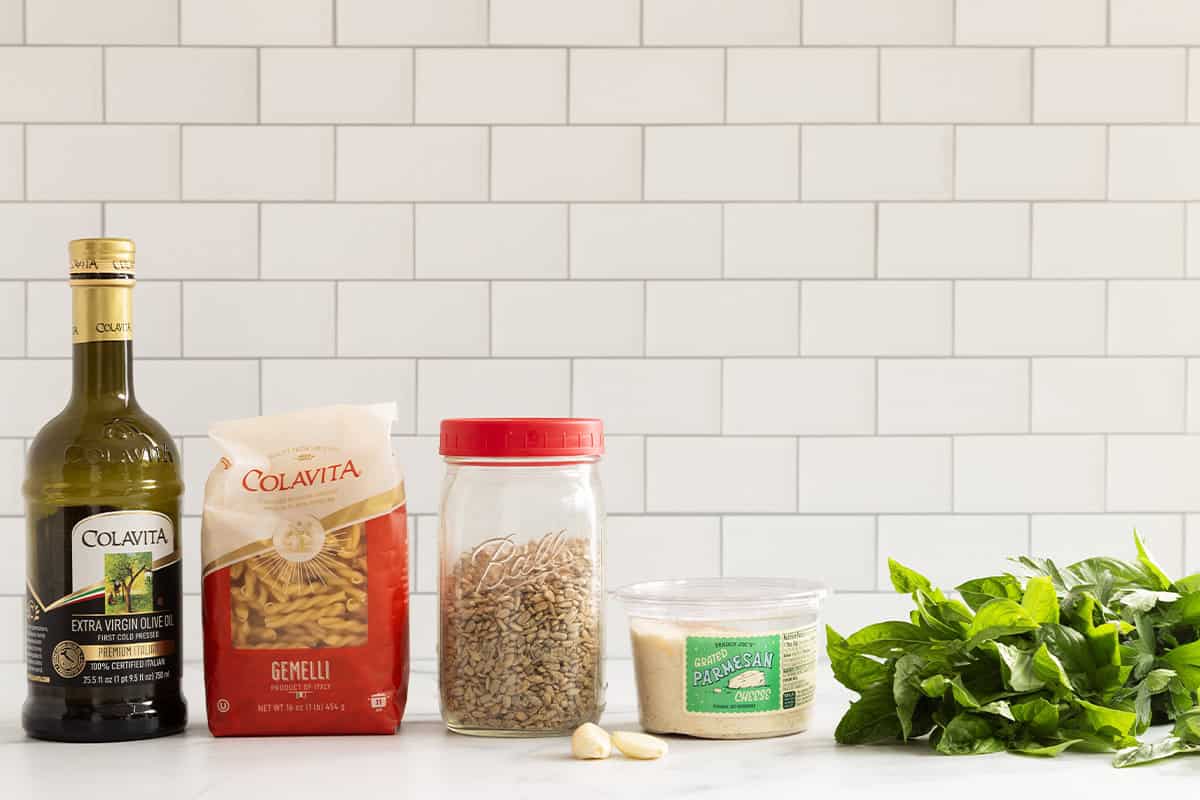
The technical process begins with the rigorous washing and drying of the herbs. Residual moisture on the leaves can lead to a watery emulsion rather than a creamy sauce. Once dried, the herbs are combined with garlic, salt, and a high-quality fat source—typically extra virgin olive oil. The absence of nuts means the sauce relies entirely on the suspension of solids (herbs and cheese) within the oil.
The Emulsification Process
To achieve the desired consistency, the ingredients are pulsed to a coarse grind before being transitioned to a continuous puree. This two-stage blending process ensures that the garlic and herbs are evenly distributed before the final texture is set. For those seeking additional creaminess without the use of nuts, culinary experts often suggest the integration of cottage cheese, white beans, or ricotta, though the standard nut-free version remains focused on the herb-and-oil base.
Nutritional Data and Public Health Context
The nutritional profile of nut-free pesto offers substantial benefits, particularly for developing toddlers and school-aged children. Based on standard serving sizes, the sauce is a concentrated source of Vitamin K, Vitamin A, and healthy monounsaturated fats.
Supporting Data on Nutritional Value
According to nutritional analysis, a standard serving of this nut-free variant contains approximately 162 calories, with 15 grams of fat primarily derived from olive oil. Olive oil is rich in oleic acid and antioxidants, which have been linked to reduced inflammation and heart health. Furthermore, the inclusion of Parmesan cheese provides a source of calcium (92mg per serving) and protein (5g per serving), essential for bone development in young children.
Allergy Statistics and Institutional Impact
The Centers for Disease Control and Prevention (CDC) reports that food allergies affect approximately 1 in 13 children in the United States. Tree nut allergies are among the most common and are often lifelong. The institutional response has been a widespread ban on nut products in lunches, creating a "lunchbox anxiety" for parents. The development of nut-free alternatives directly mitigates this social pressure. By providing a recipe that is indistinguishable in flavor from the original, parents can provide familiar, "grown-up" flavors like pesto without violating safety mandates.
Chronology of Pesto Adaptations
The history of pesto is one of constant adaptation, making the move to a nut-free version a logical progression in its culinary timeline.
- Ancient Rome: Romans consumed a similar paste known as moretum, made by crushing garlic, herbs, cheese, and oil in a mortar.
- 19th Century: The first recorded recipe for Pesto alla Genovese appeared in Giovanni Battista Ratto’s La Cuciniera Genovese, which included the now-traditional pine nuts.
- 1940s-1970s: Pesto gained international popularity, particularly in the United States, through features in The New York Times and the influence of Italian-American chefs.
- Early 2000s: As food allergy awareness surged, "alternative pestos" began appearing in health food circles, replacing pine nuts with sunflower seeds or pepitas.
- 2020-Present: The "Zero-Nut" movement in home cooking has peaked, driven by school safety policies and the rising cost of traditional ingredients. The current nut-free pesto represents the most streamlined and accessible version of this chronology.
Official Responses and Expert Insights
While there is no single "official" governing body for home recipes, the consensus among pediatric nutritionists and school board health officials remains clear: allergen-free substitutions are a critical component of inclusive environments.
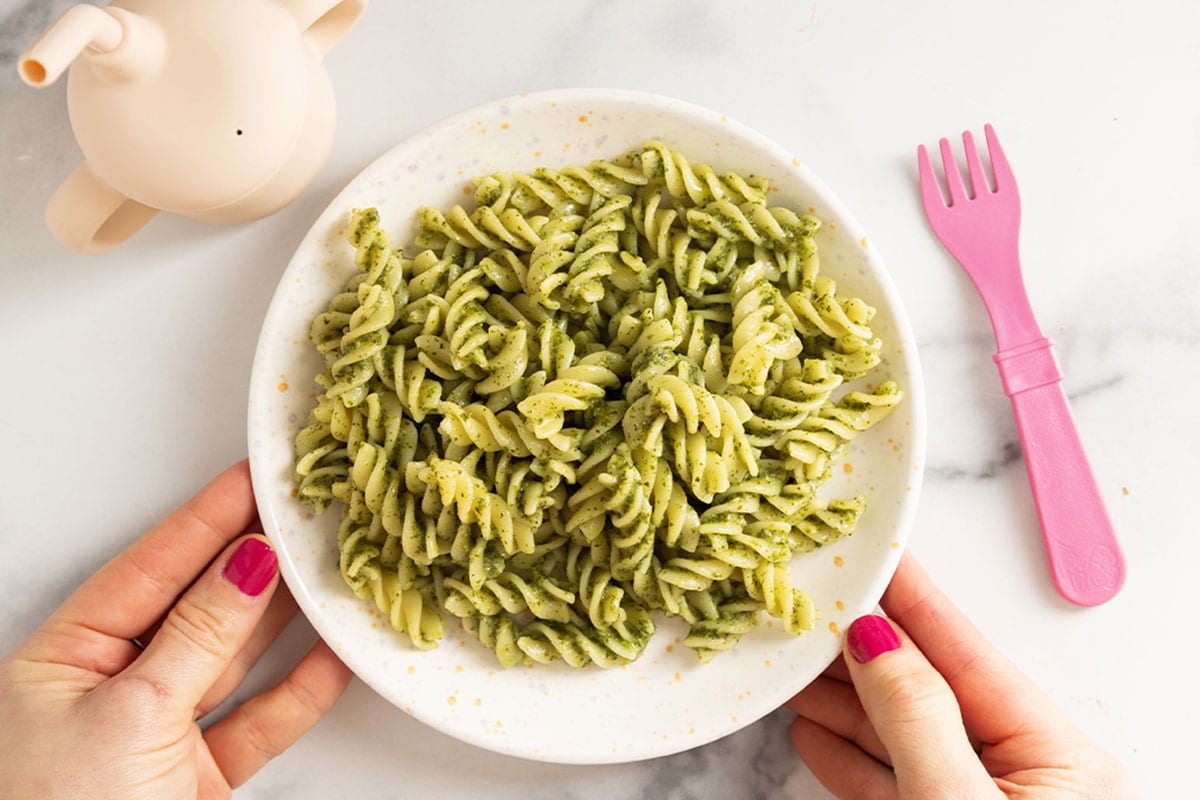
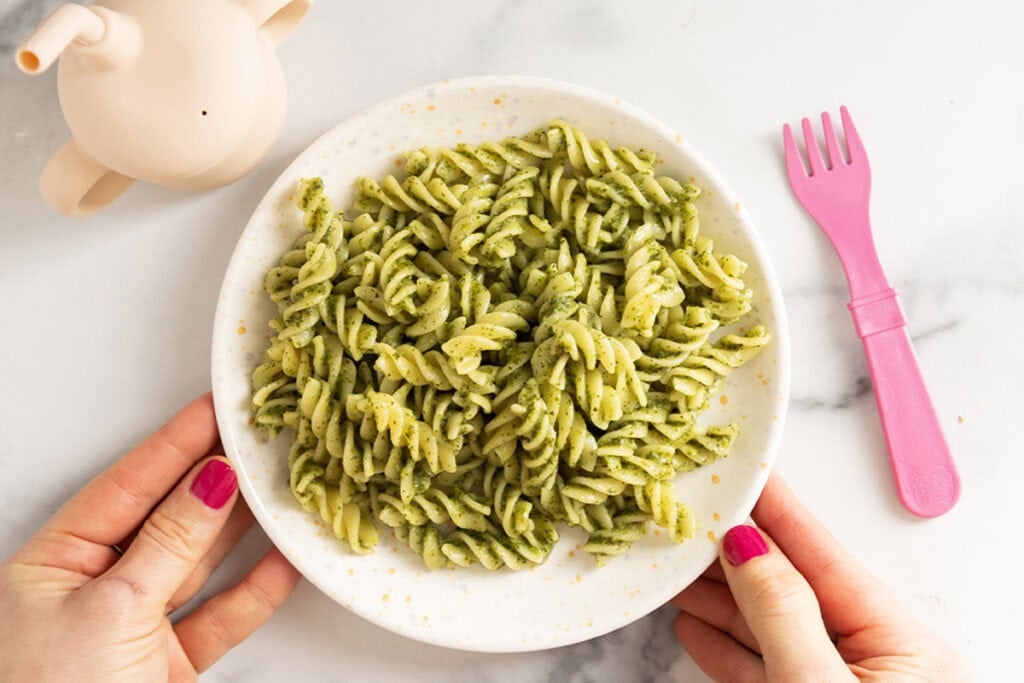
Nutritionists emphasize that the "green" color of pesto can be a psychological barrier for some toddlers. However, the "bright flavor" and saltiness of the Parmesan cheese often act as a bridge, helping children accept leafy greens. Statements from school health coordinators frequently highlight that recipes like nut-free pesto allow children with allergies to feel socially integrated, as they can eat the same types of meals (pasta, pizza, sandwiches) as their peers without the risk of a medical emergency.
Furthermore, culinary scientists note that the preservation of nut-free pesto requires specific protocols. Because it lacks the natural preservatives found in some nuts, the use of an "olive oil seal"—a 1/4-inch layer of oil atop a stored jar—is recommended to prevent oxidation. This technical detail is a frequent point of emphasis in food safety and preservation circles.
Broader Impact and Market Implications
The rise of nut-free pesto has broader implications for the food manufacturing industry and retail markets. Grocery store shelves are increasingly populated by "School Safe" certified products, and the DIY movement for nut-free staples is challenging the market share of traditional pre-packaged sauces.
Economic Shifts
The move away from pine nuts reflects a larger trend of "substitution economics." As global supply chains remain fragile, the ability to create high-value condiments from locally sourced herbs like parsley and basil provides a level of food security for the average household. It also allows families to allocate their food budgets toward high-quality proteins or organic produce rather than expensive imported nuts.

Culinary Versatility
The utility of nut-free pesto extends beyond simple pasta dishes. Its role as a "mother sauce" in the allergen-free kitchen allows it to be used as a spread for sandwiches, a topping for grilled proteins, or a base for pizza. This versatility ensures that a single five-minute preparation can serve as the foundation for multiple meals throughout the week, further enhancing its value proposition for busy families.
Future Outlook in Pediatric Nutrition
As the medical community continues to research the causes of rising food allergies, the culinary world will likely see further refinements of classic recipes. The nut-free pesto is a harbinger of a future where inclusivity and safety are baked into the very foundation of meal planning. By prioritizing bright flavors, rapid preparation times, and affordable ingredients, this recipe meets the rigorous demands of the modern kitchen while ensuring that the next generation can enjoy the rich culinary heritage of the Mediterranean without compromise.
In conclusion, the Nut-Free Pesto is more than a mere recipe; it is a calculated response to the environmental, economic, and health-related realities of the 21st century. It stands as a testament to the adaptability of home cooking and the enduring appeal of fresh, vibrant flavors in the face of evolving dietary restrictions.
