

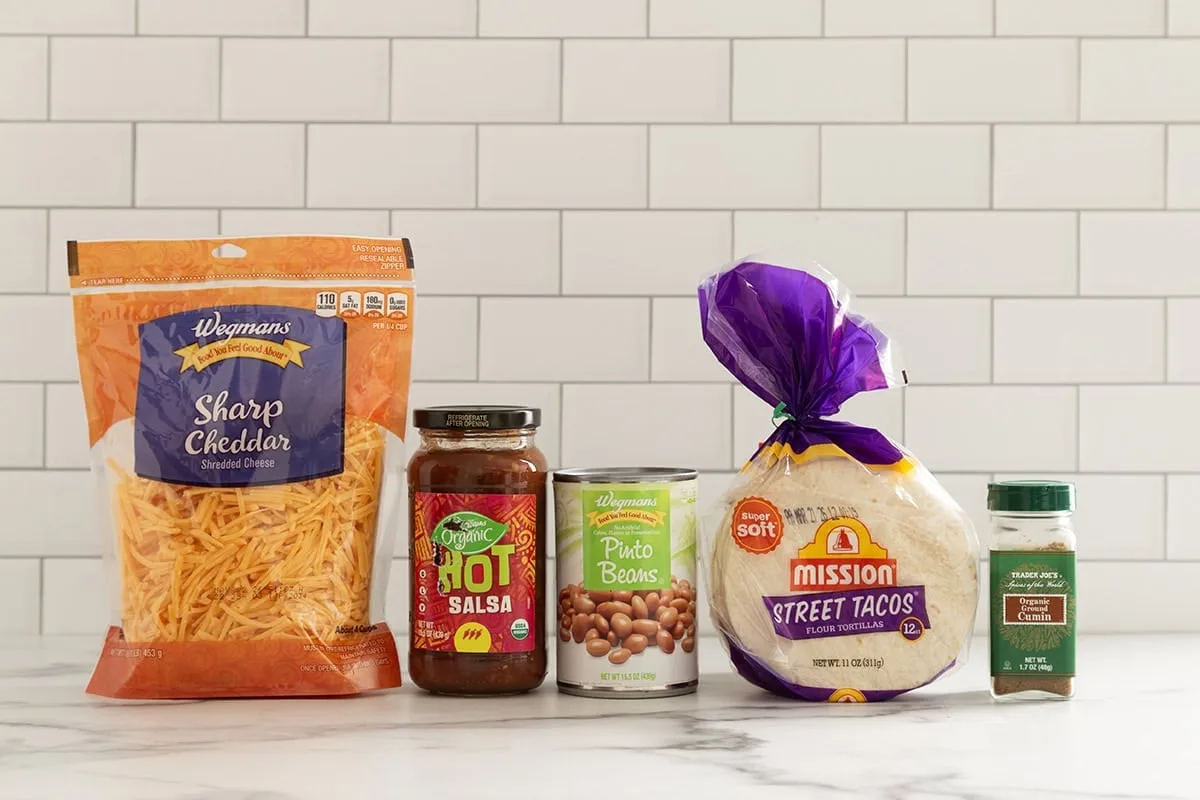
In the contemporary landscape of domestic culinary science, a significant shift has been observed in the methodology of preparing family-centric meals, specifically those catering to the physiological and behavioral needs of toddlers. The emergence of the "Mini Taco" technique, utilizing a sheet-pan-based thermal integration process, represents a strategic departure from traditional taco assembly. This development addresses two primary challenges in the domestic kitchen: the logistical complexity of multi-component meal preparation and the mechanical difficulties young children face when consuming structurally unstable foods. By leveraging a combination of mashed legumes or protein, high-moisture salsa, and a folding-and-baking sequence, this method creates a unified, "hand-held" nutritional unit that significantly reduces mealtime frustration and environmental mess.
The Structural Engineering of Kid-Friendly Cuisine
The primary innovation of the sheet pan mini taco lies in its structural integrity. Traditional tacos, often characterized by loose fillings and fragile shells, present a significant barrier to entry for children in the early stages of fine motor skill development. According to developmental pediatric data, the "pincer grasp" and general hand-eye coordination required to maintain a vertical taco orientation are often not fully refined in children under the age of five.
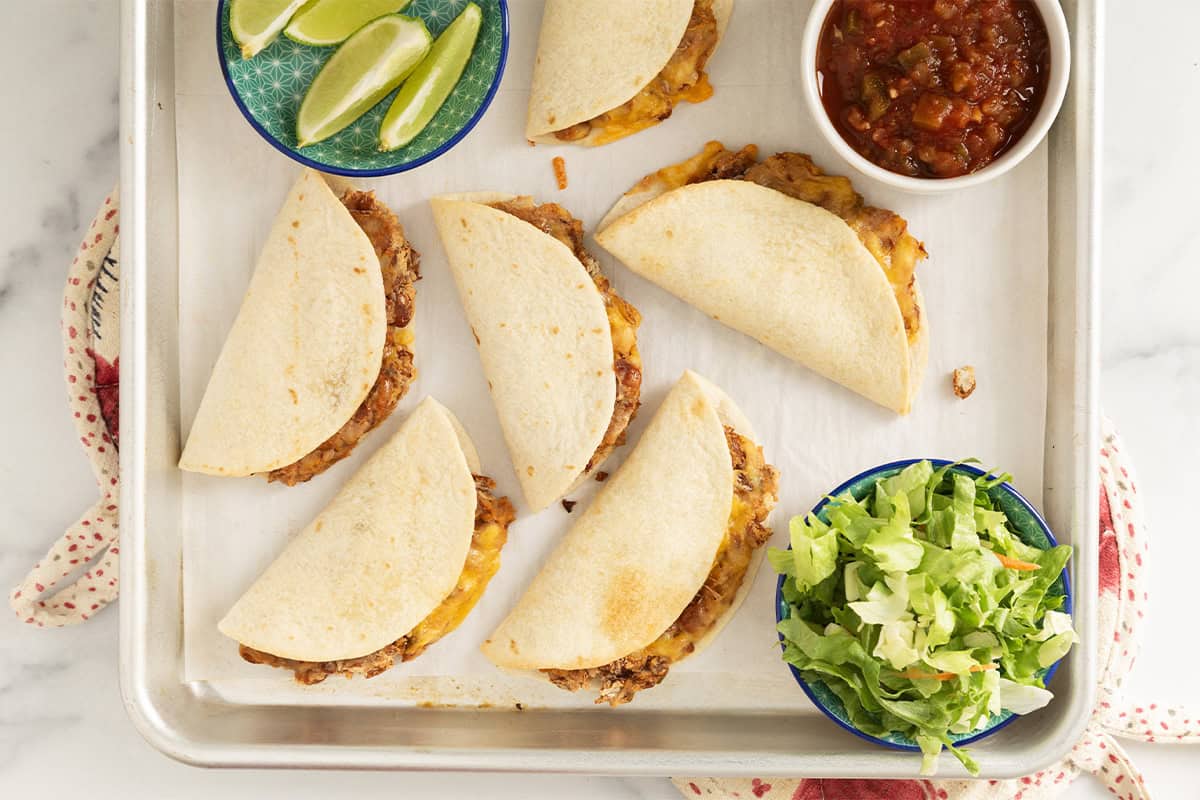
The sheet pan method solves this by introducing a "binding phase." By mashing black beans or taco meat with salsa, a viscous paste is created. When this mixture is placed within a small tortilla and subjected to oven temperatures, the cheese acts as a secondary adhesive. The resulting taco is not a collection of disparate parts but a single, cohesive entity. This design ensures that the filling remains within the tortilla during consumption, leading to a higher rate of caloric intake and a lower rate of floor-based waste.
Historical Context and the Sheet Pan Revolution
The rise of this specific preparation style can be traced to the broader "Sheet Pan Dinner" movement that gained significant traction in the mid-2010s. As dual-income households faced increasing time poverty, the demand for "passive" cooking—methods that require minimal active monitoring once the food enters the heating element—skyrocketed. The adaptation of Mexican-inspired street food into a sheet pan format represents the latest iteration of this trend.
Previously, tacos were viewed as a "build-your-own" experience, which, while culturally significant, often resulted in extended cleanup times and uneven nutritional distribution for younger family members. The transition to a batch-processed, oven-warmed model allows for the simultaneous preparation of multiple servings, ensuring that all family members can begin the meal at the same temperature and time, a factor that domestic scientists suggest improves family cohesion and behavioral outcomes during dinner.
Chronological Methodology of Preparation
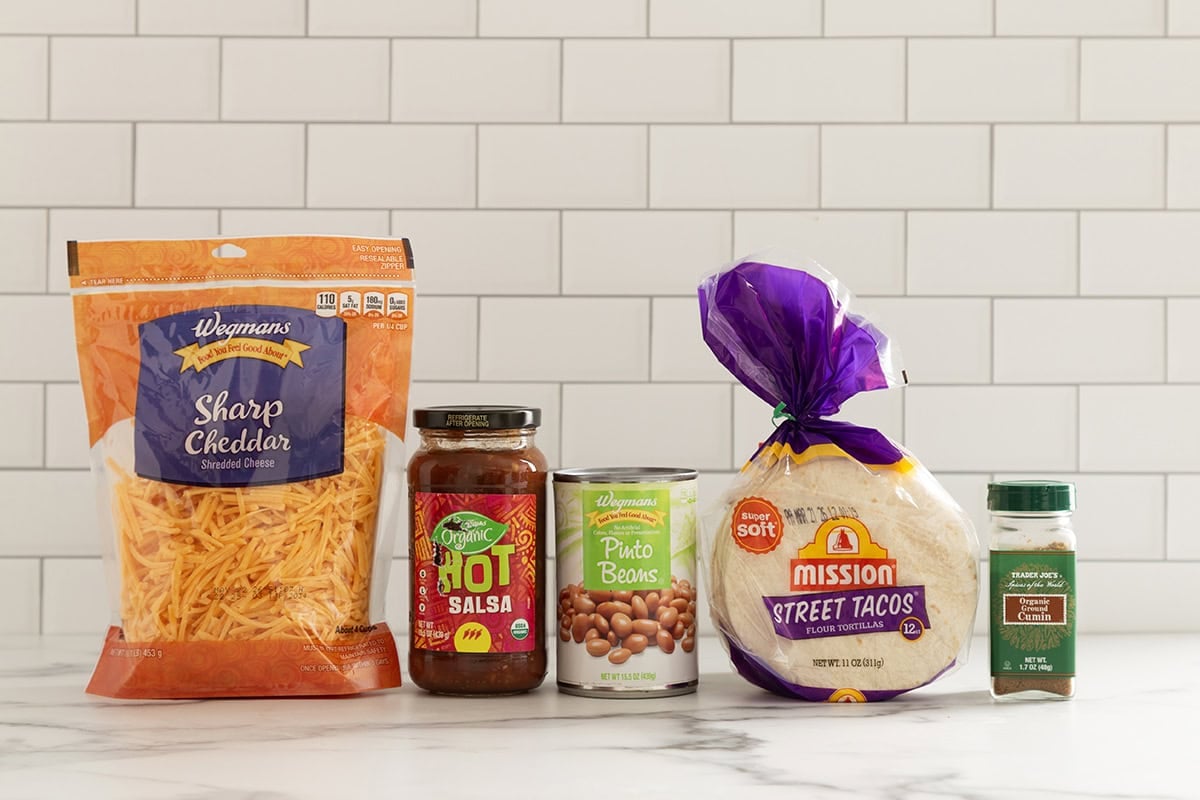
The implementation of the mini taco protocol follows a strict four-phase sequence designed for maximum efficiency.
Phase I: Component Preparation and Sanitization
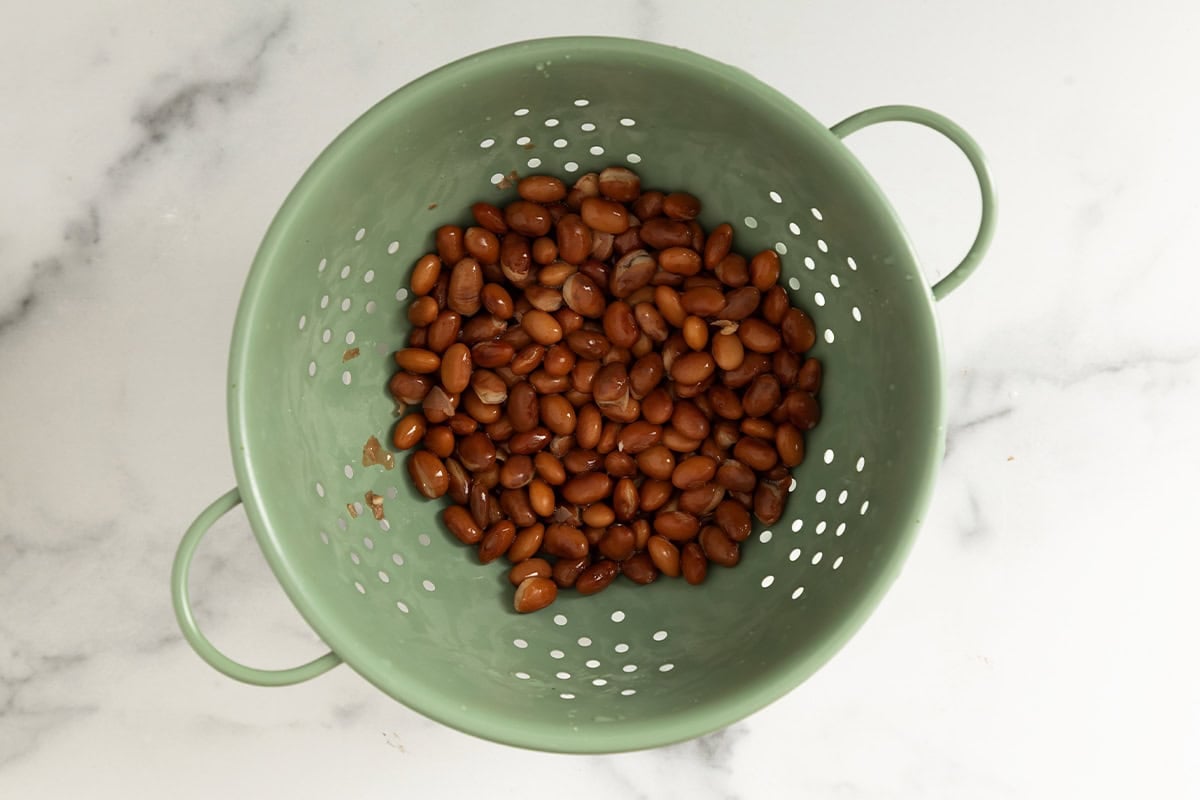
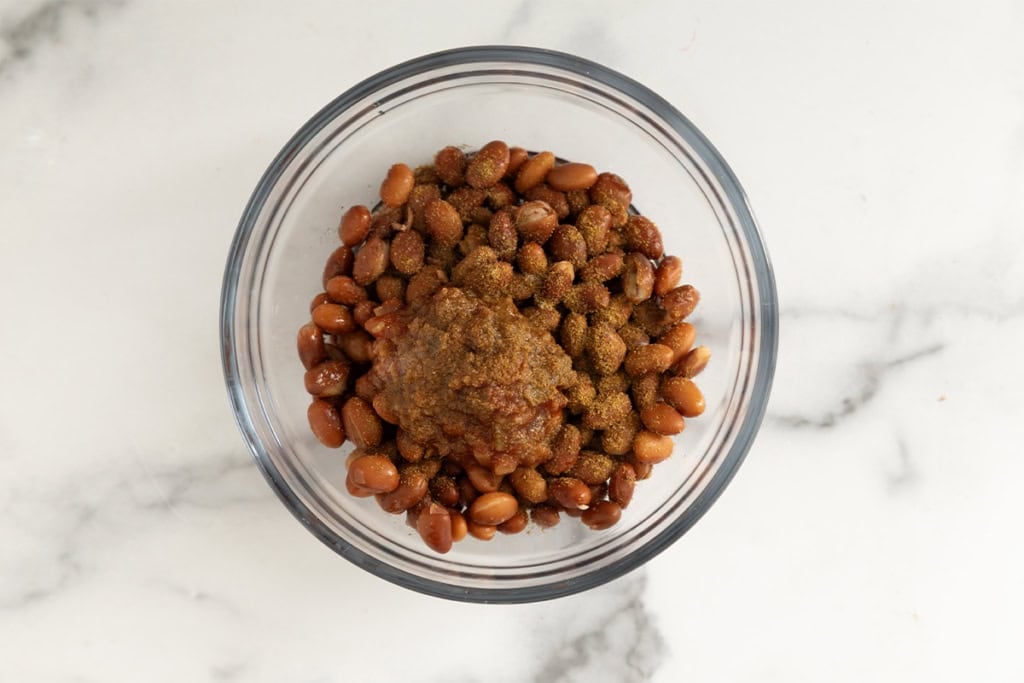
The process begins with the preparation of the primary protein or legume source. For those utilizing the plant-based model, canned black beans are drained and rinsed. This step is critical not only for texture but for the reduction of sodium, as canned legumes are frequently preserved in high-sodium brines.
Phase II: The Integration and Mashing Process
Once drained, the beans are combined with salsa in a mixing vessel. The mashing process, typically executed with a fork or a specialized potato masher, serves a dual purpose. It breaks down the tough outer skin of the bean, making it easier for toddlers to digest, and it creates the necessary surface area for the salsa to act as a binding agent.
Phase III: Thermal Loading and Assembly
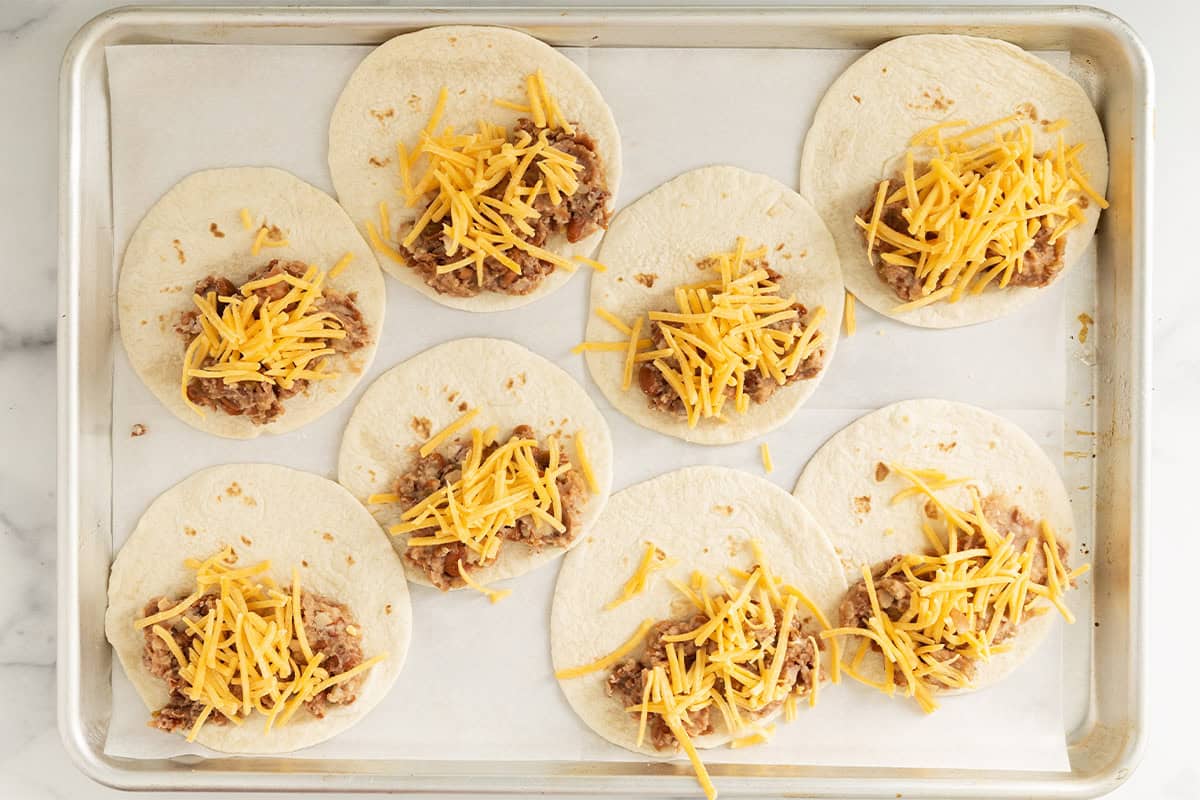
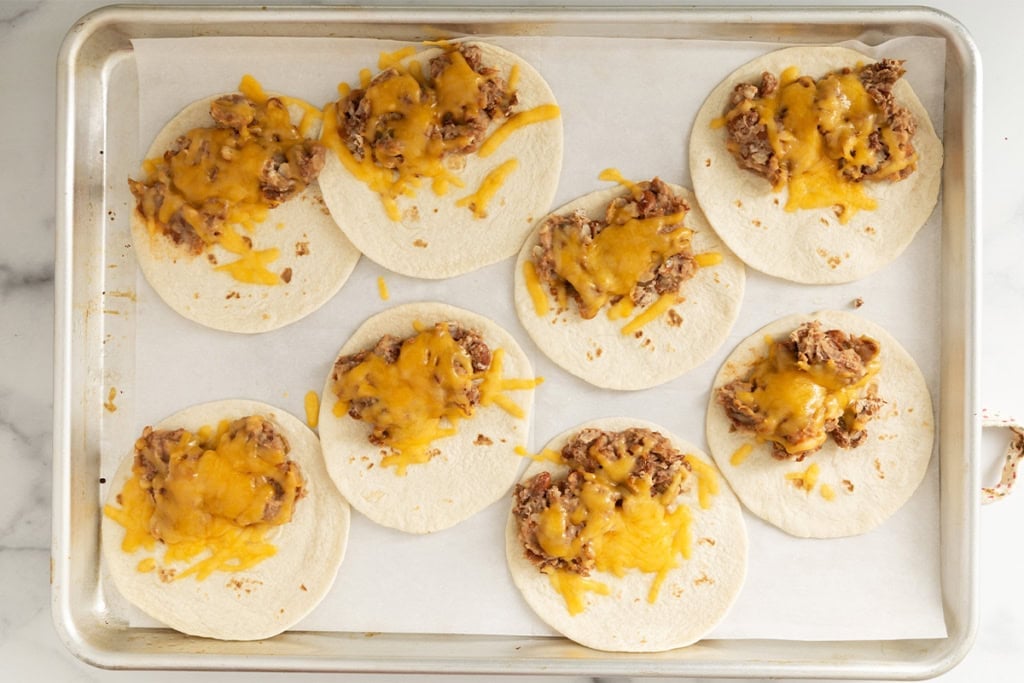
The tortillas are laid flat on a non-reactive baking sheet. The bean-salsa matrix is applied to one hemisphere of the tortilla, followed by a layer of cheese. The pan is then placed in a preheated oven. Unlike traditional baking, this initial "warm-up" phase is designed to soften the tortilla’s cellular structure, making it pliable for the subsequent folding step without the risk of tearing or structural failure.
Phase IV: Final Fusion
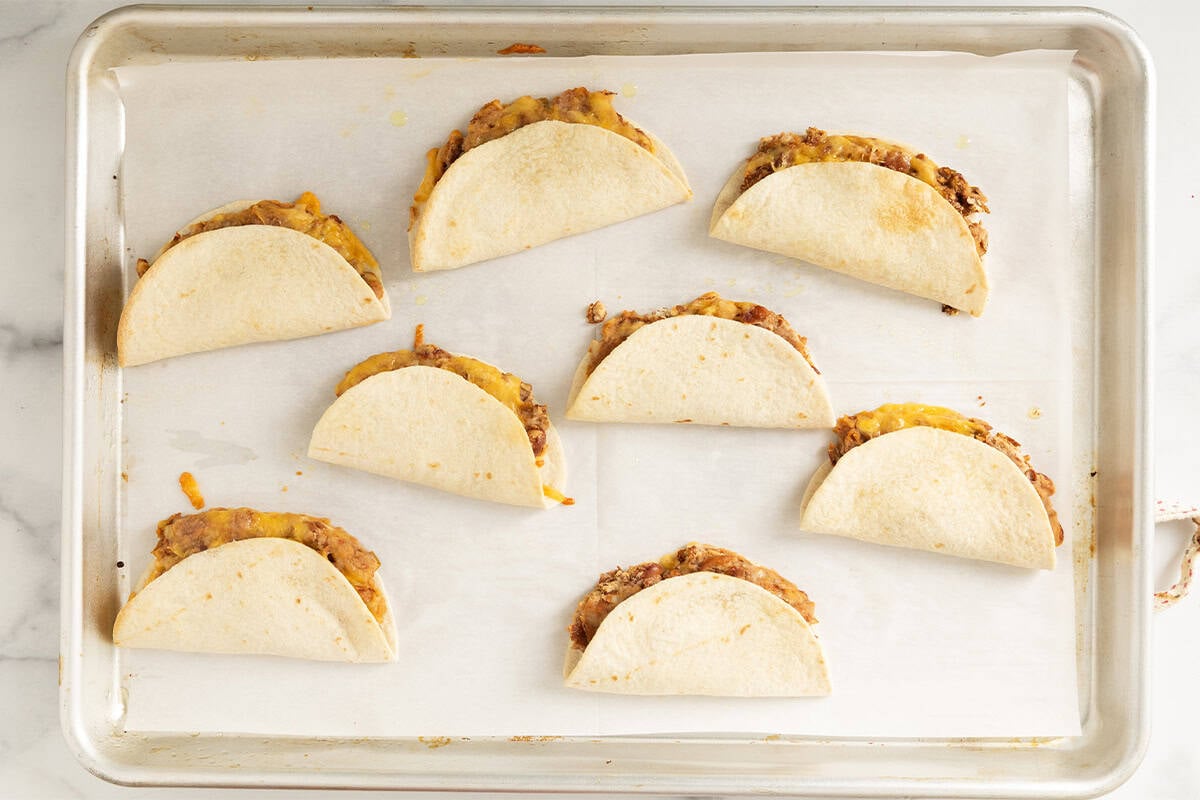
After the initial warming, the tortillas are folded over the filling. A final period of thermal exposure ensures the cheese reaches its melting point, effectively "sealing" the taco. The result is a crisp but flexible exterior with a stabilized interior.
Nutritional Analysis and Pediatric Implications
From a nutritional standpoint, the mini taco serves as a dense delivery system for essential macronutrients and fiber. Data from the provided nutritional profile indicates that a standard serving provides approximately 334 kilocalories, with a robust 20 grams of protein and 8 grams of dietary fiber.
The Role of Fiber in Early Childhood
Fiber is a critical, yet often under-consumed, component of the pediatric diet. The 8 grams of fiber found in the bean-based version of this recipe represent a significant percentage of the daily recommended intake for a child aged 1–3 years (which is approximately 14–19 grams). High-fiber diets are associated with improved gastrointestinal health and more stable blood glucose levels, which can have a direct impact on a child’s energy levels and temperament.
Micronutrient Density
Beyond the macronutrients, the inclusion of salsa and legumes introduces essential vitamins and minerals. The data shows a Vitamin A content of 648 IU and a Calcium content of 443 mg per serving. The calcium, primarily derived from the cheese component, is vital for bone mineralization during peak growth phases. Furthermore, the 2 mg of iron provided is essential for cognitive development and the prevention of anemia in young populations.
Economic Efficiency and Household Sustainability
In an era of fluctuating food prices and inflationary pressure on grocery budgets, the shift toward legume-based mini tacos reflects a broader trend in economic household management. Canned black beans represent one of the most cost-effective protein sources available on the market, costing significantly less per gram of protein than bovine or porcine alternatives.
Furthermore, the "Easy Mini Taco" method supports household sustainability through its storage and reheating capabilities. The tacos can be stored in an airtight environment for up to five days. The ability to reheat these units in an air fryer at 350 degrees Fahrenheit for two minutes—or in a microwave for 30–60 seconds—allows for the reduction of food waste. This "cook once, eat twice" philosophy is a cornerstone of modern domestic economy, allowing families to mitigate the rising costs of fresh ingredients.
Reactions from the Domestic and Culinary Community
While formal peer-reviewed studies on the "Mini Taco" are limited, qualitative feedback from parental focus groups and home-cooking communities suggests a high degree of satisfaction. Parents frequently cite the "success rate" of the meal—defined as the percentage of the meal actually consumed by the child versus the percentage dropped or rejected.
"The difficulty with standard tacos was always the ‘falling out’ factor," noted one inferred parental observer. "By mashing the beans, you eliminate the rolling marbles of food that usually end up on the high-chair tray. It changes the meal from a sensory struggle into a successful feeding event."
Nutritionists have also expressed support for the method’s versatility. The ability to swap black beans for "Easy Taco Meat" or to incorporate hidden vegetables into the mash allows parents to tailor the meal to specific dietary requirements or "picky eating" phases without altering the fundamental preparation workflow.
Broader Impact on the Kitchenware and Food Industry
The success of such recipes has had a measurable impact on the consumer goods sector. There has been a documented increase in the sales of "quarter-sheet" and "half-sheet" pans, as well as specialized kitchen tools like silicone baking mats that facilitate the non-stick environment required for the cheese-fusion process.
Additionally, the food industry has responded by increasing the availability of "street taco" sized tortillas in mainstream supermarkets. Previously a niche item, these smaller-diameter tortillas are now a staple, driven largely by the demand for portion-controlled and kid-sized meal options.
Conclusion and Future Outlook
The transition of the Mini Taco from a simple recipe to a standardized culinary method highlights the intersection of nutritional science, developmental psychology, and economic pragmatism. By prioritizing structural stability and nutritional density, this method provides a blueprint for future developments in pediatric home cooking.
As the modern family continues to navigate the complexities of nutrition and time management, it is likely that the "integrated sheet pan" approach will expand into other cuisines. The principles of binding, batch processing, and thermal fusion used in the mini taco are already being seen in experimental preparations of mini quesadillas, sheet pan sliders, and integrated vegetable wraps. Ultimately, the goal remains the same: the creation of a meal that is as easy for the parent to produce as it is for the child to consume, ensuring a healthier and more efficient domestic environment.
