

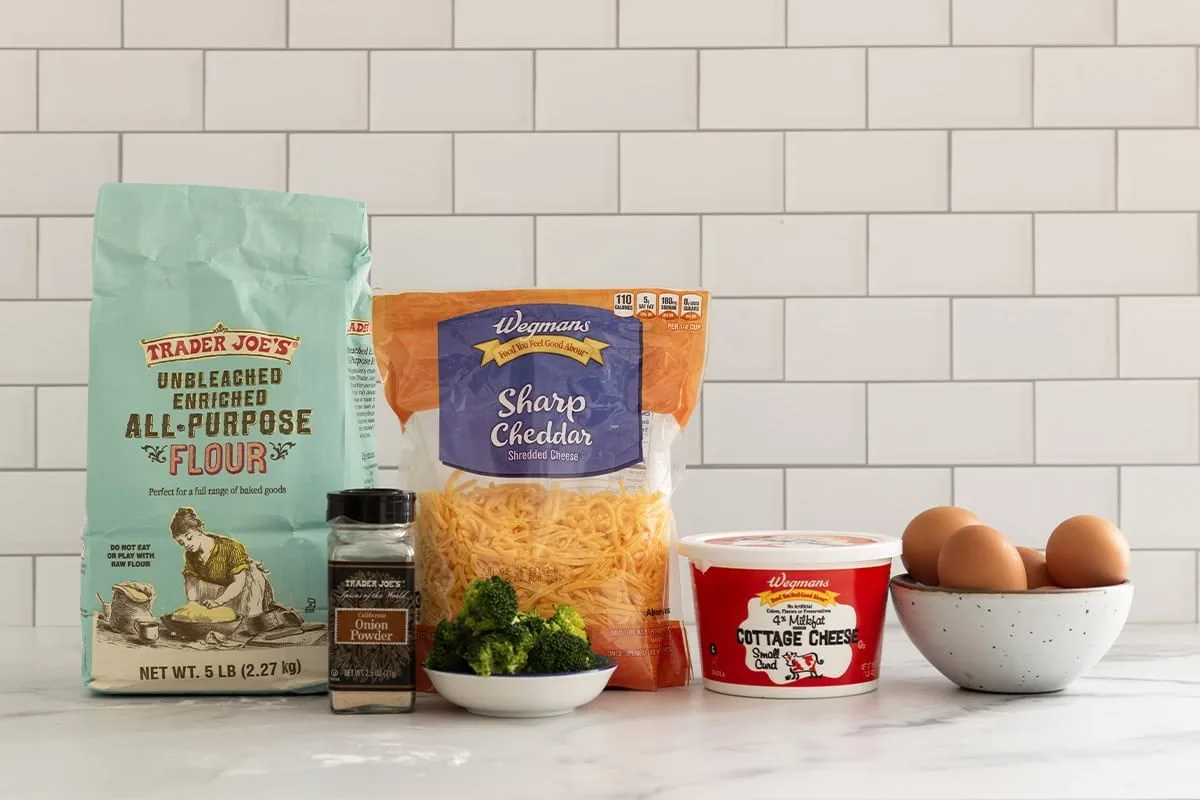
The introduction of protein-dense, vegetable-integrated meal solutions has become a focal point for pediatric nutritionists and time-constrained parents alike, with the Egg Bites with Cottage Cheese recipe representing a significant shift toward nutrient-dense, "grab-and-go" breakfast options. These culinary units, designed primarily for the toddler demographic but applicable to all age groups, leverage the high protein content of eggs and the moisture-retaining properties of cottage cheese to create a meal that is both physically accessible for young children and nutritionally robust. By integrating various vegetables such as broccoli, carrots, and sweet potatoes, the recipe addresses the common developmental challenge of "picky eating" while ensuring a high intake of essential vitamins and minerals.
The Evolution of Nutrient-Dense Breakfast Solutions
The rise of the "egg bite" phenomenon can be traced back to the commercial success of sous-vide egg snacks in major coffee chains, which popularized the concept of a crustless, high-protein quiche. However, the homemade iteration involving cottage cheese introduces a specific nutritional profile that caters to the physiological needs of growing children. Pediatric health experts emphasize that the first 1,000 days of a child’s life are critical for brain development and physical growth, necessitating a diet rich in protein, healthy fats, and calcium.
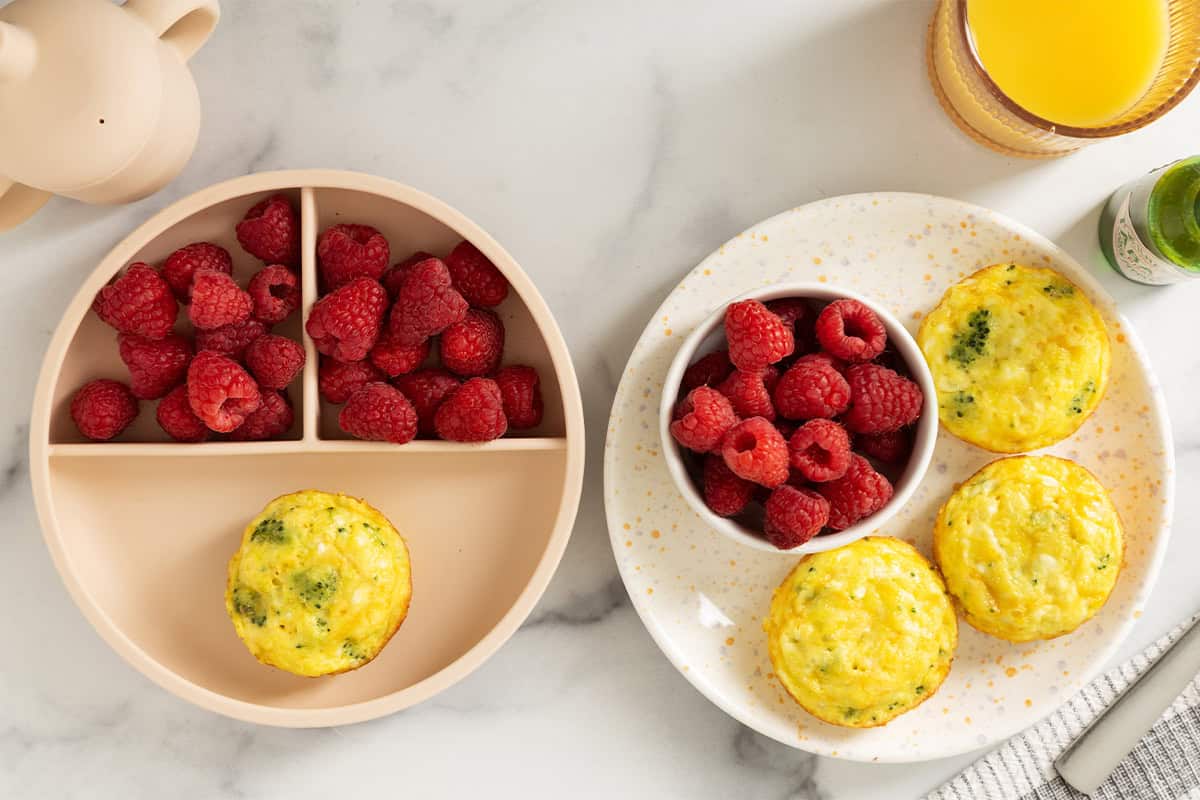
Cottage cheese, an ingredient that has seen a significant cultural and culinary resurgence in recent years, serves a dual purpose in this context. Beyond its protein density, it provides a soft, custard-like texture that is easier for toddlers to chew and swallow compared to traditional fried or hard-boiled eggs. This texture is essential for children who are still refining their mastication skills. Furthermore, the inclusion of cottage cheese significantly boosts the calcium content of the meal, supporting bone density and skeletal development during peak growth periods.
Nutritional Breakdown: A Data-Driven Approach to Pediatric Health
Quantifiable data reveals the efficiency of these egg bites as a dietary staple. A single serving, typically one muffin-sized bite, contains approximately 86 calories while delivering 6 grams of high-quality protein. When compared to traditional toddler breakfast options—such as cereal or toast, which are often high in simple carbohydrates and low in protein—the egg bite offers a superior macronutrient ratio.
The nutritional profile of one 86-calorie egg bite includes:
- Protein: 6g
- Total Fat: 5g (including 2g of saturated fat and beneficial monounsaturated fats)
- Carbohydrates: 4g
- Calcium: 69mg
- Vitamin A: 269 IU
- Iron: 1mg
According to the American Academy of Pediatrics (AAP), toddlers aged 1 to 3 years require approximately 13 grams of protein per day. Consuming just two of these cottage cheese egg bites nearly fulfills the total daily protein requirement for a child in this age bracket. Additionally, the presence of 227mg of sodium per serving remains within the manageable limits for toddler diets, provided other daily meals are balanced accordingly. The inclusion of Vitamin A and Vitamin C (8mg) further bolsters the immune system, a vital consideration for children in communal childcare or school environments.
The Resurgence of Cottage Cheese in Modern Culinary Applications
The decision to utilize cottage cheese over other dairy bases is supported by current food science trends. In 2023 and 2024, cottage cheese became a viral sensation in the health and wellness sector due to its high casein protein content, which provides a slow-release form of energy. Unlike ricotta or heavy cream, cottage cheese maintains its structural integrity during the baking process while contributing to a moist crumb.
From a culinary perspective, the curds in cottage cheese melt into the egg mixture, creating small pockets of richness that appeal to sensory-sensitive eaters. This makes the recipe a strategic vehicle for vegetable delivery. Parents report that finely chopped broccoli or grated carrots are more easily accepted by children when suspended in a savory, cheesy matrix than when served as standalone side dishes.
Operational Chronology: From Preparation to Presentation
The production of these egg bites follows a streamlined chronological workflow designed for maximum efficiency in a domestic kitchen environment. The process is categorized into four distinct phases: preparation, integration, thermal processing, and stabilization.
Phase 1: Preparation and Mise en Place
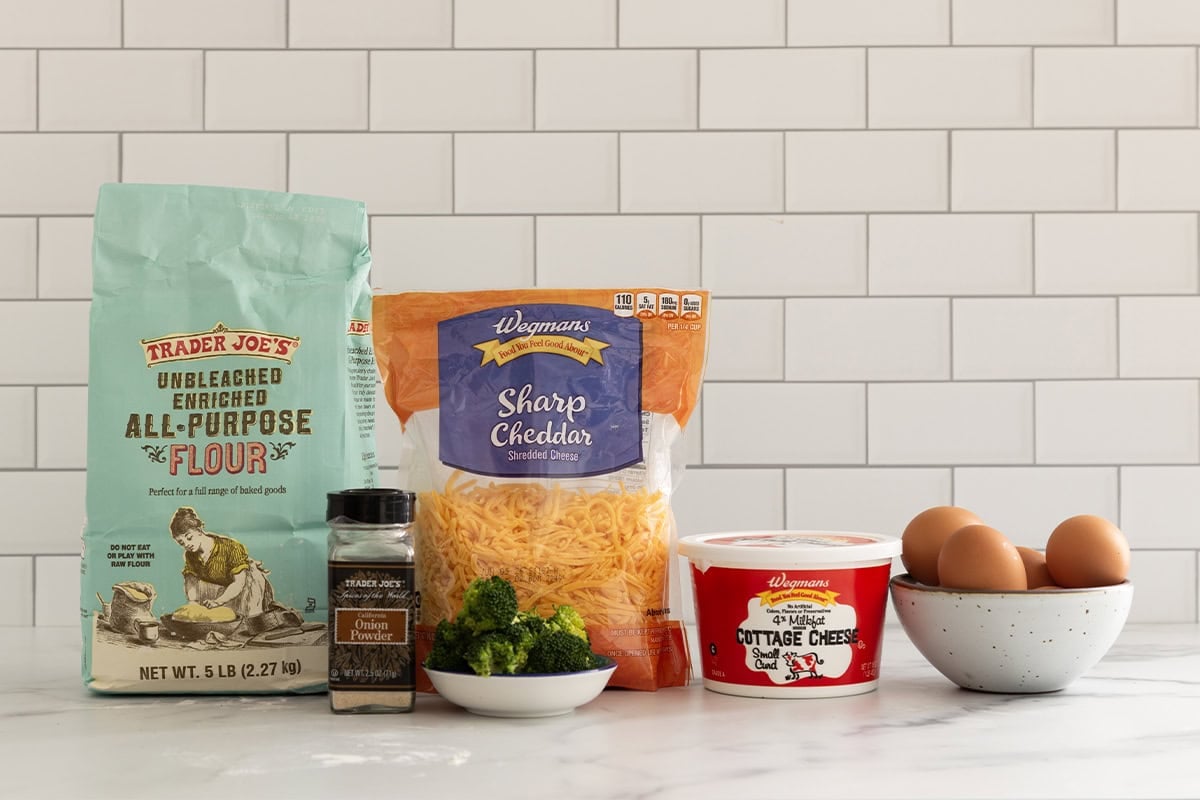
The initial stage involves gathering high-quality ingredients, including large eggs, full-fat or low-fat cottage cheese, and a selection of finely diced vegetables. Preparing the muffin tin is a critical step; due to the high protein and moisture content, egg mixtures are notoriously prone to adhesion. Experts recommend the use of silicone muffin pans or heavily greased non-stick tins to ensure the structural integrity of the bites upon removal.
Phase 2: Integration
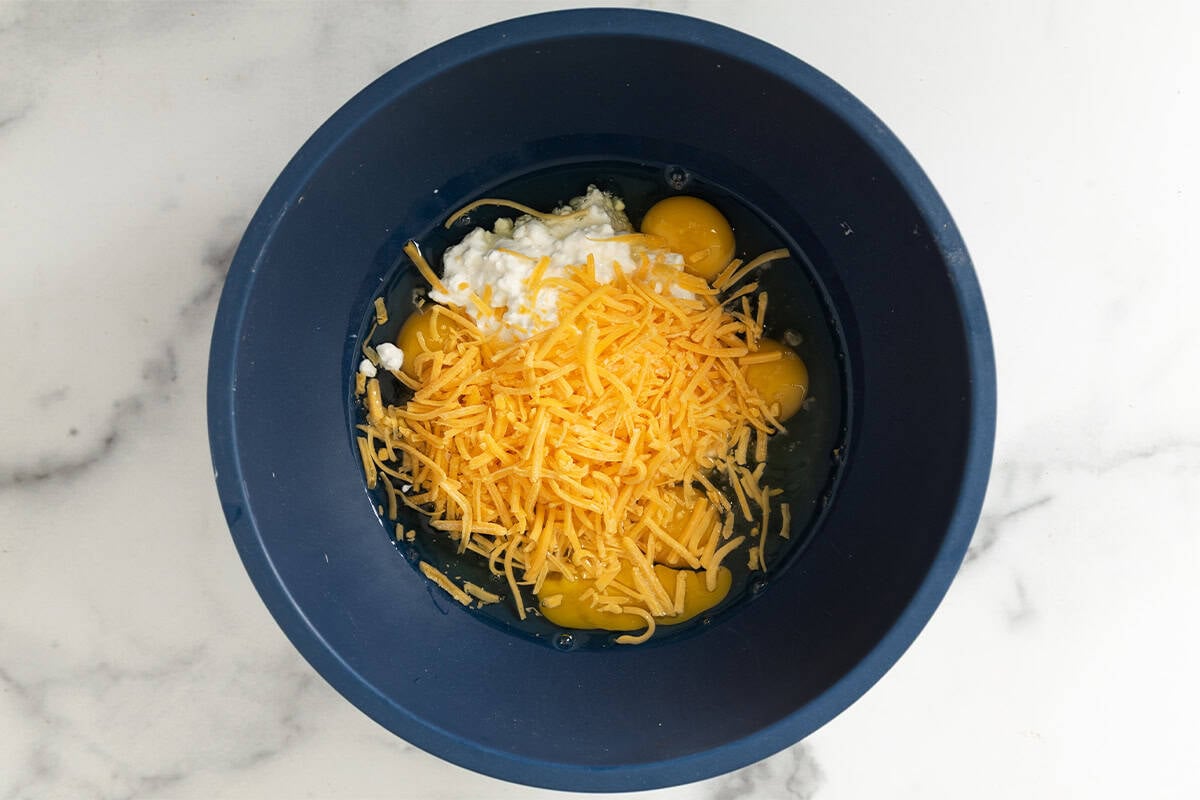
All ingredients are combined in a single mixing bowl. This "one-bowl" method reduces cleanup time and ensures an even distribution of seasonings and vegetables. The mixture is stirred until a homogenous batter is formed, ensuring that the cottage cheese curds are evenly dispersed throughout the egg base.

Phase 3: Thermal Processing
The batter is spooned into the prepared muffin cups, filled nearly to the brim. The bites are baked in a preheated oven until they are lightly golden brown and firm to the touch. During this stage, the eggs undergo coagulation, a process where liquid proteins become solid through the application of heat, while the cottage cheese provides the steam necessary to keep the interior tender.
Phase 4: Stabilization and Cooling
Once removed from the oven, the egg bites require a brief cooling period. This allows the proteins to set fully, making the bites easier to remove from the pan without tearing. For meal-prep purposes, this is the stage where the bites are either served immediately or prepared for long-term storage.
Technical Considerations for Optimal Results
To achieve the desired "tender" texture mentioned in the original recipe, several technical factors must be considered. The choice of muffin tin material significantly impacts the final product. Silicone pans are widely regarded as the gold standard for egg-based muffins because their flexibility allows for easy "popping out" of the bites. If using traditional metal tins, parchment paper liners or a thorough coating of non-stick spray is mandatory to prevent the loss of product through sticking.
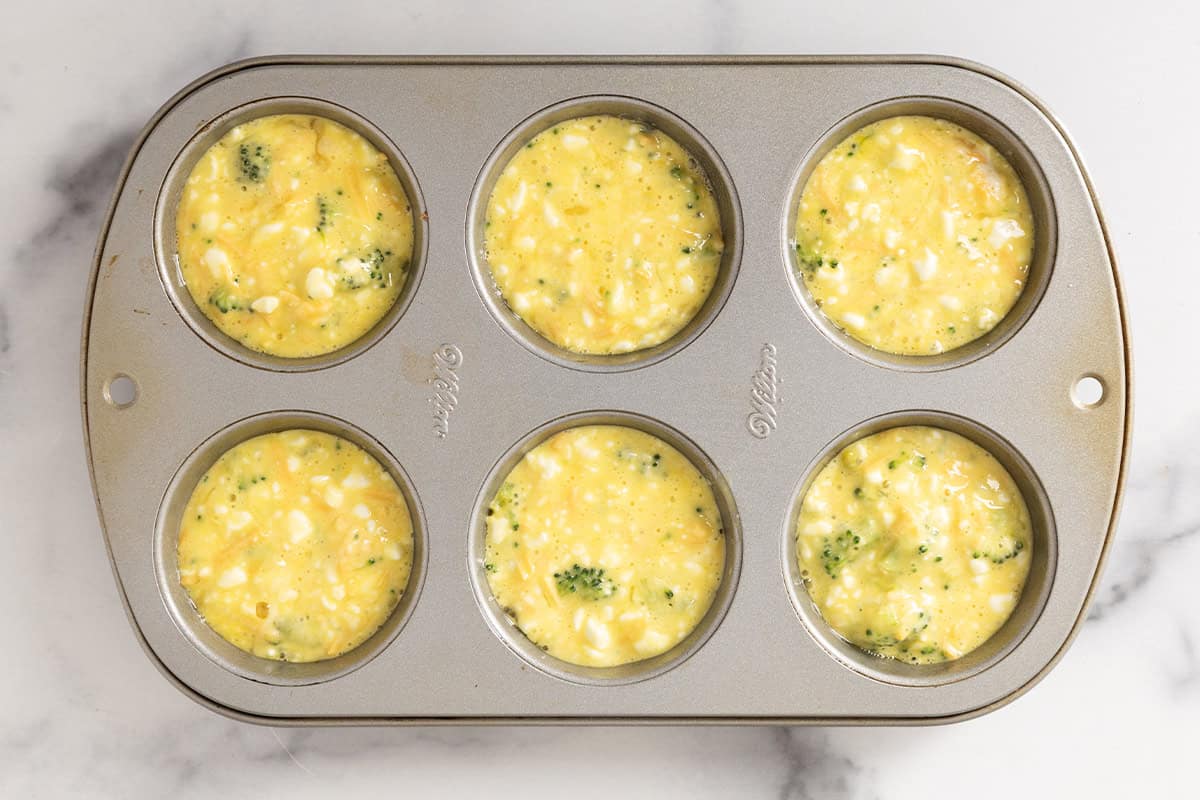
Furthermore, the versatility of the "veggie" component cannot be overstated. From a food safety and texture standpoint, harder vegetables like carrots or sweet potatoes should be grated or finely minced to ensure they cook through during the relatively short baking window. Leafy greens like spinach should be chopped to prevent long fibers from becoming a choking hazard for younger toddlers.
The Comparative Landscape: Homemade vs. Commercial Alternatives
Market analysis suggests a growing consumer preference for homemade nutritional solutions over processed alternatives. Commercial "breakfast bites" found in the frozen aisle of supermarkets often contain preservatives, stabilizers like xanthan gum, and higher levels of sodium to extend shelf life. By producing these egg bites at home, caregivers maintain total control over the quality of the ingredients—opting for organic eggs or low-sodium cottage cheese where preferred.
The cost-benefit analysis also favors the homemade approach. A dozen homemade egg bites can be produced for a fraction of the cost of a two-pack of Starbucks egg bites, which retail for approximately $5.00 depending on the region. This economic efficiency, combined with the superior nutritional profile, positions the cottage cheese egg bite as a preferred choice for budget-conscious, health-oriented households.

Storage, Preservation, and Long-Term Utility
One of the primary advantages of this recipe is its stability under refrigeration and freezing. In an era where "decision fatigue" affects many parents, having a pre-prepared, nutritionally complete meal is an invaluable asset.
- Refrigeration: The egg bites remain viable for up to three days when stored in an airtight container. This makes them an ideal Sunday prep item for the first half of the school week.
- Freezing: For longer-term storage, the bites can be frozen in zip-top bags. The high moisture content from the cottage cheese prevents the eggs from becoming "rubbery" upon thawing—a common complaint with frozen egg products.
- Reheating: The efficiency continues into the consumption phase. A chilled egg bite can be reheated in approximately 15 seconds in a microwave, while a frozen one requires roughly 30 to 45 seconds. This rapid turnaround time is essential for the chaotic morning routines typical of families with young children.
Broader Implications for Early Childhood Development and Family Wellness
Beyond the immediate nutritional benefits, the adoption of such recipes has broader implications for family dynamics and long-term health outcomes. By providing toddlers with savory, vegetable-rich breakfasts, parents are helping to shape a palate that is not overly dependent on sugar-laden cereals or pastries. This early exposure to diverse flavors and textures is a recognized strategy in preventing obesity and metabolic issues later in life.
Furthermore, the "easy-to-eat" nature of the egg bites encourages self-feeding. Occupational therapists often highlight the importance of "finger foods" in developing fine motor skills and hand-eye coordination. As a toddler picks up and navigates the soft texture of an egg bite, they are practicing essential developmental milestones in a safe, controlled manner.
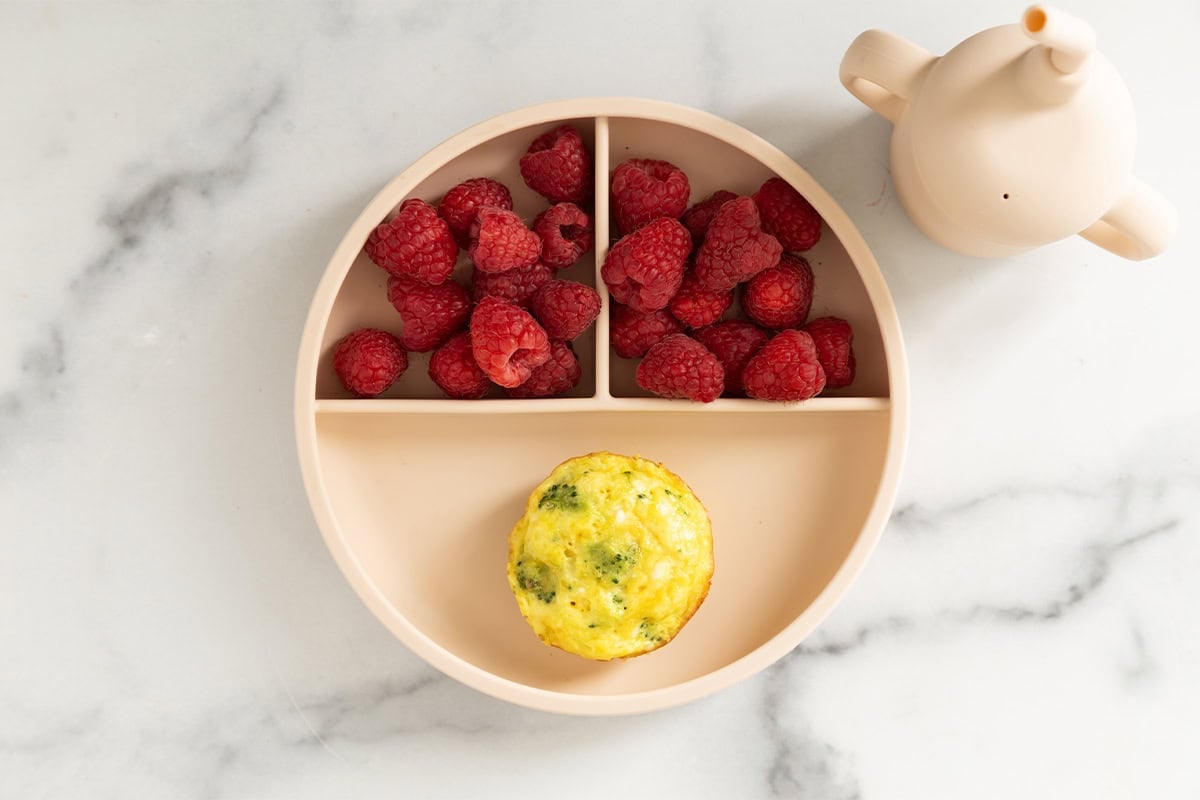
In conclusion, the Egg Bites with Cottage Cheese represent more than just a simple recipe; they are a strategic tool in the modern parental arsenal. By combining the latest trends in dairy consumption with established pediatric nutritional needs, this meal solution addresses the dual demands of health and convenience. As the culinary landscape continues to evolve toward functional, nutrient-dense foods, the humble egg bite stands as a testament to the power of simple, high-quality ingredients processed with efficiency and care. The positive feedback from the parenting community and the robust nutritional data support the continued integration of this dish into the standard American toddler diet.
