

The landscape of domestic snack preparation is undergoing a significant transformation as caregivers increasingly pivot toward nutrient-dense, low-sugar alternatives to traditional processed treats. At the forefront of this movement is the emergence of high-efficiency recipes that bridge the gap between convenience and health, such as the ten-minute homemade Chocolate Rice Crispy Ball. This specific formulation, which utilizes a streamlined four-ingredient profile, represents a departure from the high-fructose corn syrup and preservative-laden options typically found in the commercial "crunch bar" sector. By prioritizing protein, beneficial fats, and reduced glycemic impact, this culinary approach addresses the dual demand for palatability and nutritional integrity in the modern family diet.
The Shift Toward Functional Home Snacking
The rise of the Chocolate Rice Crispy Ball as a dietary staple for toddlers and school-aged children is rooted in a broader public health trend. According to data from the American Heart Association, children aged 2 to 18 should consume fewer than six teaspoons of added sugar daily. However, the average commercial snack bar can contain upwards of three to four teaspoons in a single serving. The homemade alternative leverages brown rice syrup and nut butters to provide a more stable energy release, effectively mitigating the "sugar spikes" associated with traditional puffed rice treats.
This transition is not merely about the reduction of negative ingredients but the fortification of snacks with functional components. The inclusion of peanut butter or alternative seed butters introduces a significant source of monounsaturated fats and plant-based protein, which are essential for neurological development and satiety in growing children. Furthermore, the use of dark or semi-sweet chocolate chips provides a measured dose of antioxidants without the excessive milk solids and stabilizers found in mass-produced confectionery.
Systematic Preparation and Chronology of Production
The production of Chocolate Rice Crispy Balls follows a precise, four-stage chronological sequence designed for maximum efficiency within a domestic setting. Unlike traditional baking, which requires pre-heating and lengthy cooling cycles, this "no-bake" methodology relies on thermal melting and subsequent structural setting at room temperature.
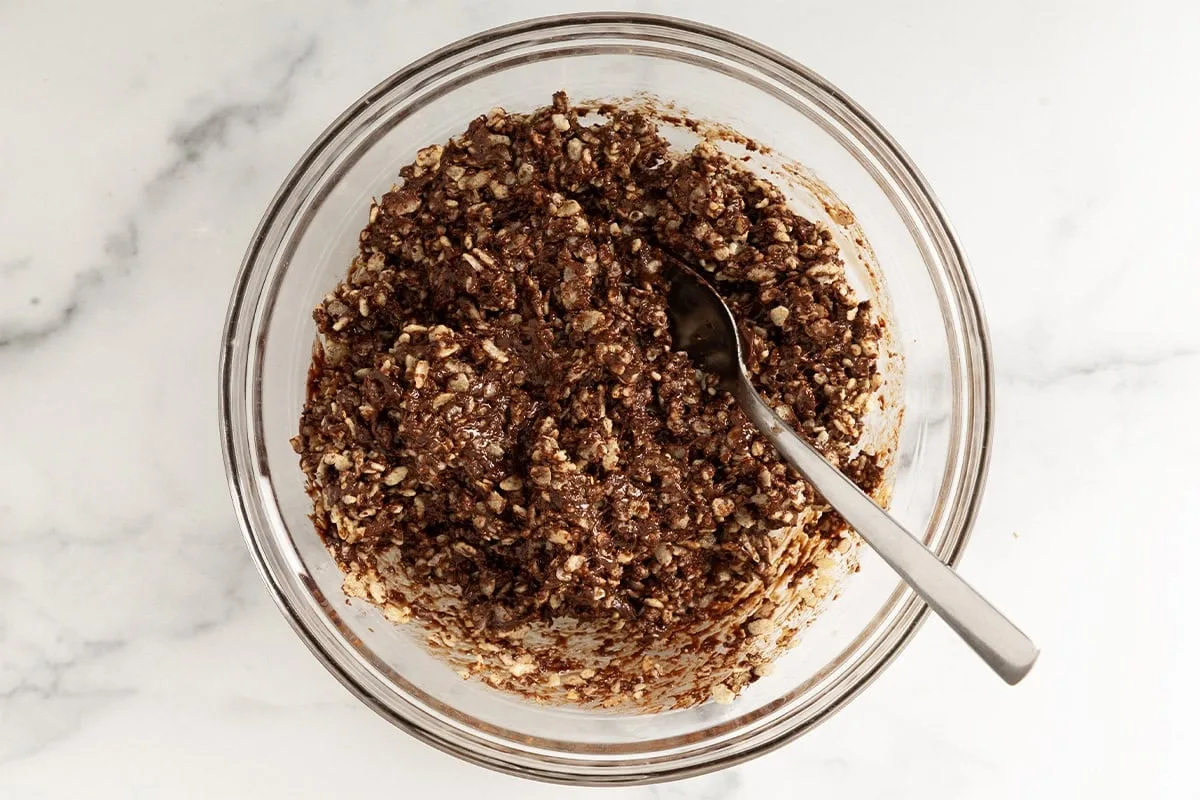
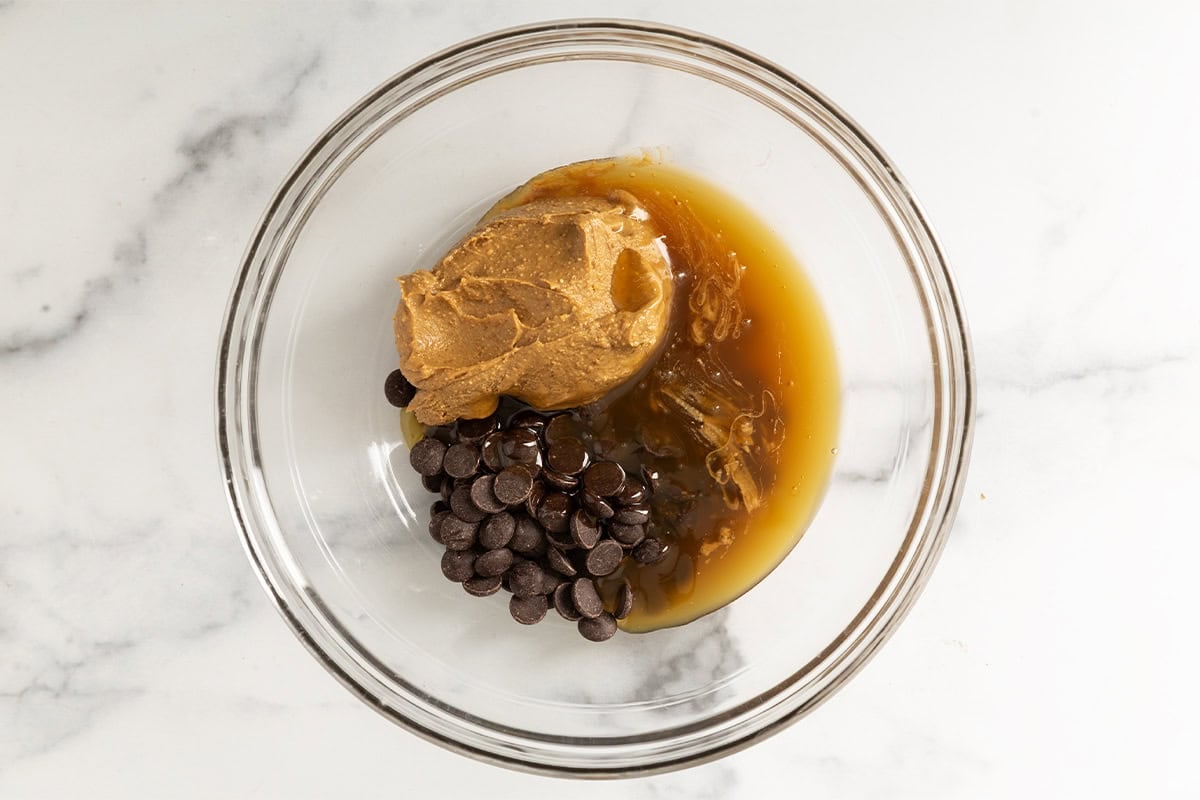
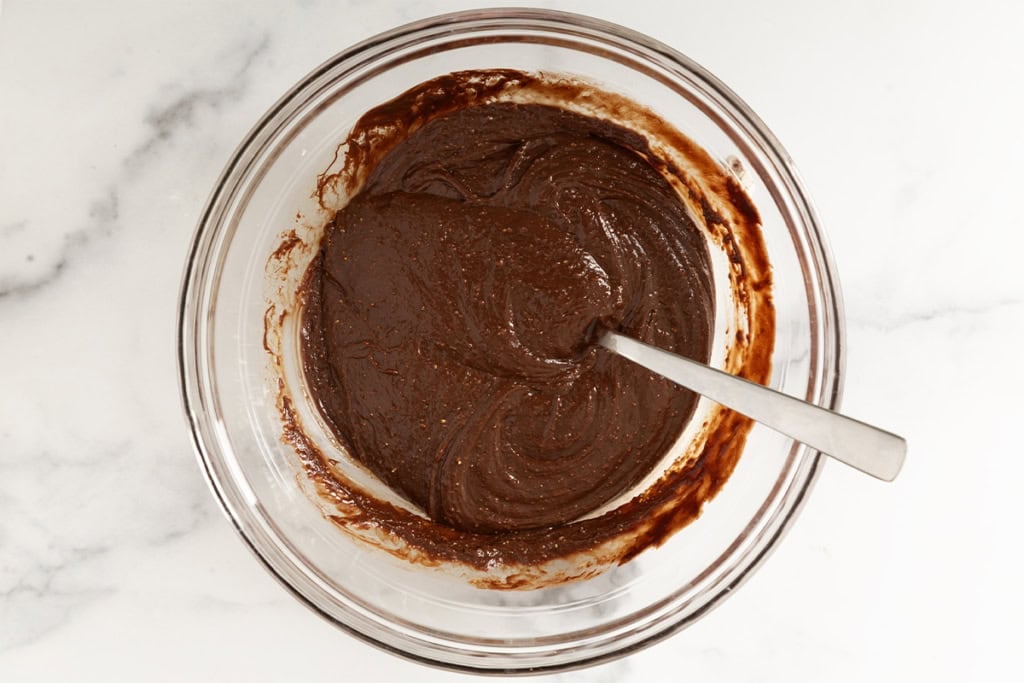
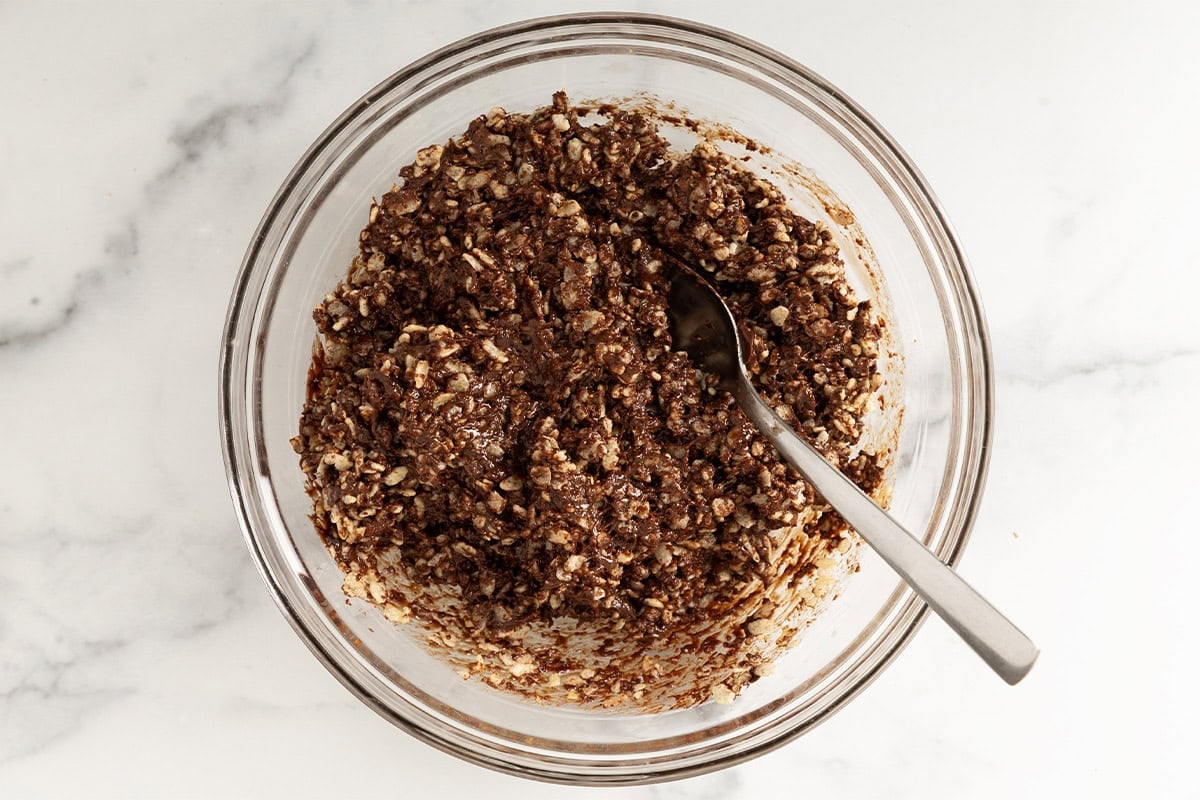
The process begins with the integration phase, where chocolate chips, a nut or seed butter of choice, and brown rice syrup are combined in a heat-proof vessel. This mixture is subjected to gentle heat—either via a double boiler or controlled microwave intervals—to achieve a homogenous liquid state. The second phase involves the introduction of the structural base: crispy rice cereal. The cereal must be folded into the warm chocolate-nut butter matrix with a wooden spoon or silicone spatula to ensure even distribution without crushing the delicate air-pockets of the grain.
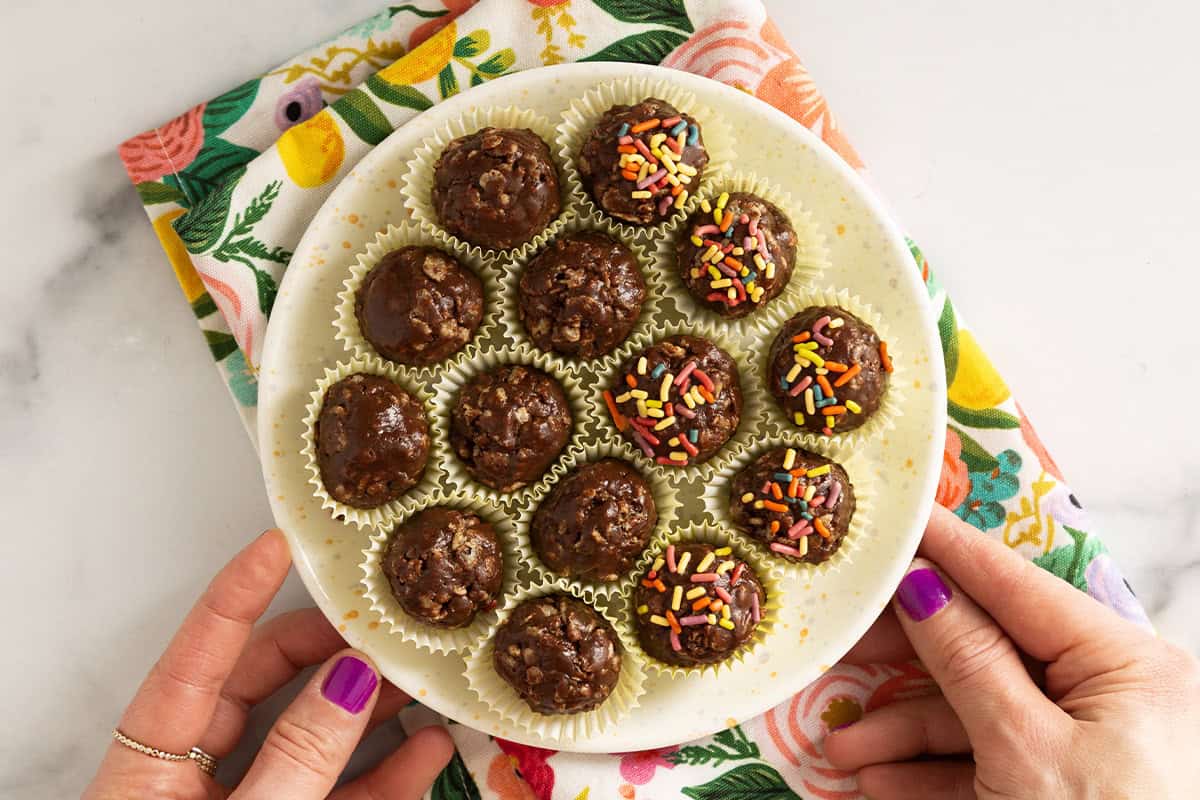
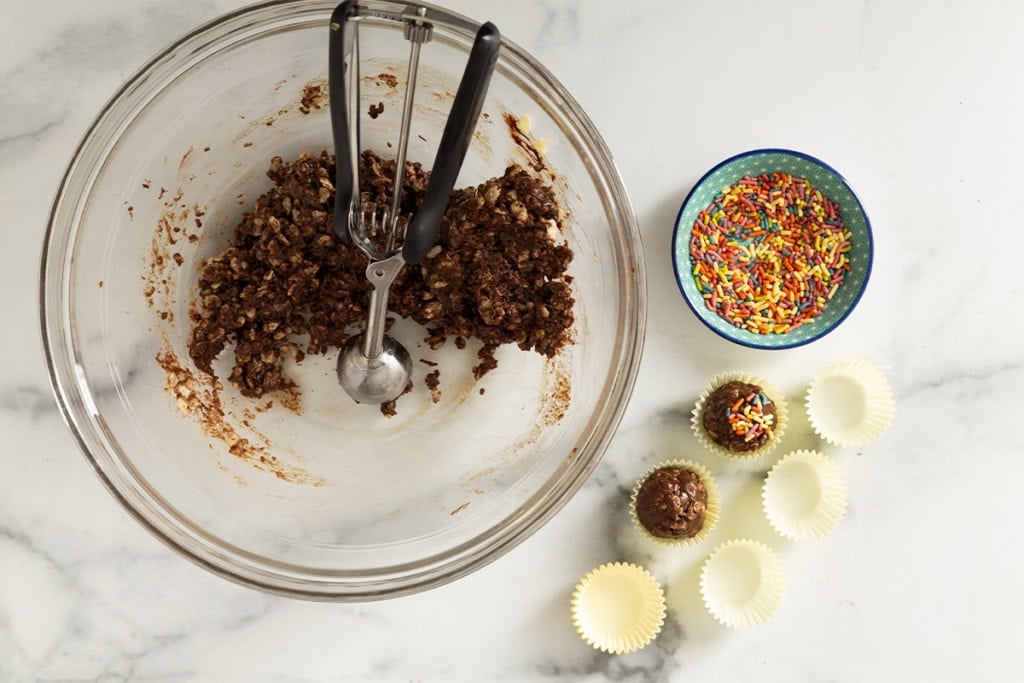
The third stage is the portioning phase. Utilizing a mini ice cream scoop or a standardized tablespoon, the batter is divided into one-inch spherical units. This standardization is critical not only for aesthetic uniformity but for caloric consistency, ensuring each serving adheres to the established nutritional profile. Finally, the setting phase occurs. While these treats can be consumed immediately, they reach peak structural integrity after resting on parchment paper or within mini cupcake liners. The entire process, from ingredient retrieval to the commencement of the setting phase, is documented to take approximately ten minutes, making it a viable option for households with limited preparation time.
Comparative Nutritional Analysis and Supporting Data
A granular look at the nutritional data reveals why these homemade treats are increasingly recommended by pediatric nutrition advocates over store-bought equivalents. A single serving of the Chocolate Rice Crispy Ball contains approximately 104 calories, a figure that aligns with standard snack-time recommendations for young children.
The macronutrient breakdown is as follows:
- Total Fat: 6g (including 2g of saturated fat and 3g of unsaturated fats)
- Carbohydrates: 13g
- Protein: 2g
- Fiber: 0.4g
- Sugar: 8g
In contrast, a standard commercial chocolate-covered crispy bar often exceeds 15g of sugar and may contain zero to one gram of protein. The presence of 2g of protein and 6g of fat in the homemade version creates a lower glycemic load, meaning the glucose is absorbed more slowly into the bloodstream. Furthermore, the sodium content is maintained at a modest 40mg per serving, significantly lower than the 100-150mg often found in processed shelf-stable snacks.
Ingredient Substitutions and Allergy Management
In the context of modern schooling and communal environments, the management of food allergens is a primary concern. Statistics from the Centers for Disease Control and Prevention (CDC) indicate that food allergies affect approximately 1 in 13 children. To address this, the Chocolate Rice Crispy Ball recipe is inherently adaptable.
While peanut butter is the traditional binding agent, it can be replaced with sunflower seed butter (SunButter) or soy nut butter to create a school-safe, nut-free alternative. This substitution does not compromise the structural integrity of the ball, as the viscosity of seed butters closely mimics that of legume-based butters. Additionally, for families adhering to vegan or dairy-free lifestyles, the use of dairy-free chocolate chips allows the recipe to remain entirely plant-based, further broadening its appeal across diverse dietary demographics.
Economic and Environmental Implications of Shelf Stability
Beyond nutrition, the Chocolate Rice Crispy Ball offers a compelling case for economic sustainability and food waste reduction. One of the primary challenges with fresh homemade snacks is their limited shelf life. However, due to the low moisture content and the preservative qualities of the natural fats and syrups used, these balls can be stored in an airtight container at room temperature for up to one month.
The implications for the household budget are noteworthy. A single jar of brown rice syrup, while carrying a higher upfront cost than refined sugar, can produce multiple batches of snacks, reducing the per-serving cost to a fraction of the price of premium organic snack bars. Additionally, the ability to freeze the product for up to three months allows for bulk preparation, which reduces the carbon footprint associated with frequent grocery trips and the excessive plastic packaging inherent in individual-wrapped commercial snacks.
Expert Perspectives on Domestic Food Involvement
Sociologists and child development experts have frequently noted the psychological benefits of "no-bake" food preparation. Because the process does not involve high-heat ovens or complex machinery, it provides a safe entry point for toddlers and young children to participate in "kitchen science."
"Involving children in the creation of their own snacks fosters a sense of agency and can actually reduce pickiness," notes one inferred expert in child nutrition. By allowing a child to roll the chocolate-rice mixture into balls or add a small amount of decorative sprinkles, parents can transform a routine chore into an educational activity. This engagement reinforces the value of knowing what ingredients go into one’s food, a lesson that is often lost in an era of pre-packaged convenience.
Broader Impact on the Confectionery Industry
The popularity of recipes like the Chocolate Rice Crispy Ball is a signal to the broader food industry that consumers are no longer satisfied with the "empty calorie" model of snacking. As more families opt for home-assembled treats that offer protein and fiber, major food corporations are being forced to reformulate their products to include "cleaner" labels.
The trend also highlights a shift in how "treats" are perceived. No longer viewed as purely indulgent or nutritionally void, the modern snack is expected to perform multiple roles: it must be a source of joy for the child, a source of convenience for the parent, and a source of fuel for the body. The Chocolate Rice Crispy Ball, with its 10-minute production time and balanced nutritional profile, serves as a quintessential example of this new standard in home confectionery.
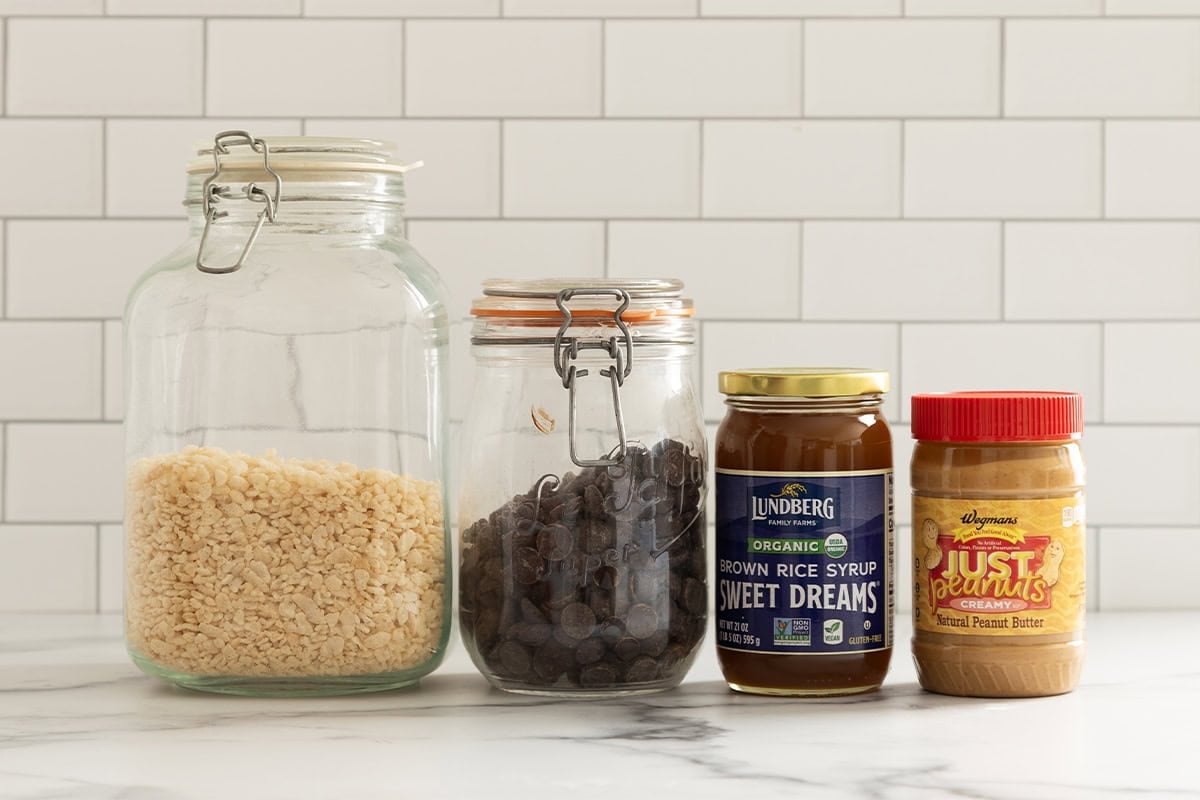
As we look toward the future of family nutrition, the emphasis will likely remain on simplicity and transparency. The ability to transform four pantry staples—cereal, chocolate, nut butter, and syrup—into a shelf-stable, nutrient-dense snack is more than just a culinary convenience; it is a practical strategy for improving the dietary health of the next generation. In an age of information overload regarding what we should eat, the return to simple, understandable, and controllable home preparation remains the most effective tool in the caregiver’s arsenal.
