

The rising cost of consumer goods, particularly within the grocery sector, has prompted a significant shift in how households approach meal planning and child nutrition. As families navigate the intersection of inflationary pressures and the desire for high-quality dietary options, the practice of homemade snack preparation has emerged as a cornerstone strategy for economic resilience and health management. This movement, exemplified by the growing engagement within digital platforms such as the YTF Community, reflects a broader societal trend toward reclaiming control over the food supply chain at a domestic level. By transitioning from ultra-processed, store-bought convenience items to simple, ingredient-focused homemade alternatives, parents are reporting not only substantial financial savings but also a marked reduction in household food waste.
The Economic Landscape of Modern Parenting
The shift toward homemade snack preparation is rooted in the current economic climate. According to recent data from the Bureau of Labor Statistics, the "food at home" category has seen volatile price increases over the last 36 months, with the cost of processed snacks and prepared foods rising faster than many raw ingredients. For the average American family with multiple children, the cumulative cost of pre-packaged granola bars, fruit snacks, and yogurt tubes can represent a significant portion of the monthly grocery budget. These items often carry a "convenience premium," where consumers pay significantly more per ounce for individual packaging and brand marketing.
In response, a growing number of caregivers are adopting a "prep-to-save" methodology. This approach involves purchasing bulk staples—such as oats, yogurt, seasonal fruits, and seeds—and converting them into portable snacks. Financial analysis suggests that making items like fruit popsicles or energy bites at home can reduce the per-serving cost by as much as 40% to 60% compared to their retail-branded counterparts. Furthermore, the ability to control portion sizes and ingredient quality allows families to optimize their spending, ensuring that every dollar spent contributes to the nutritional density of the child’s diet.
A Seasonal Shift in Dietary Planning
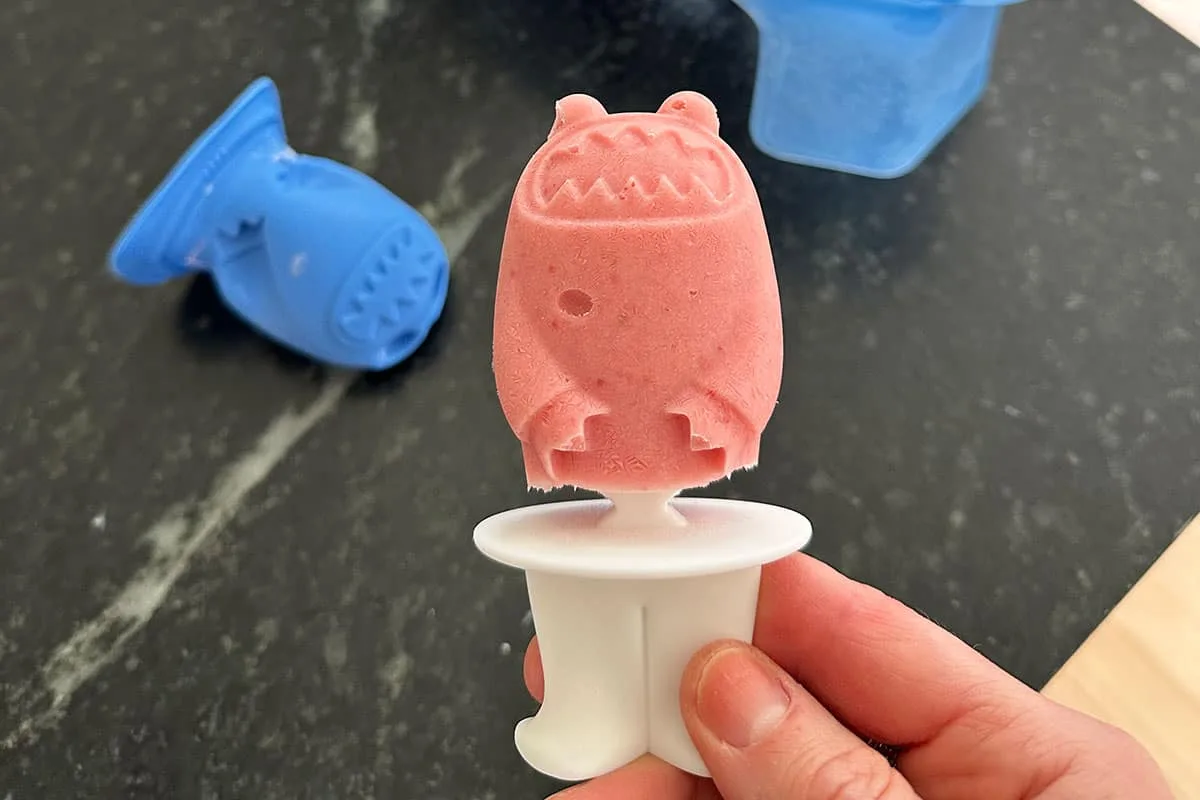
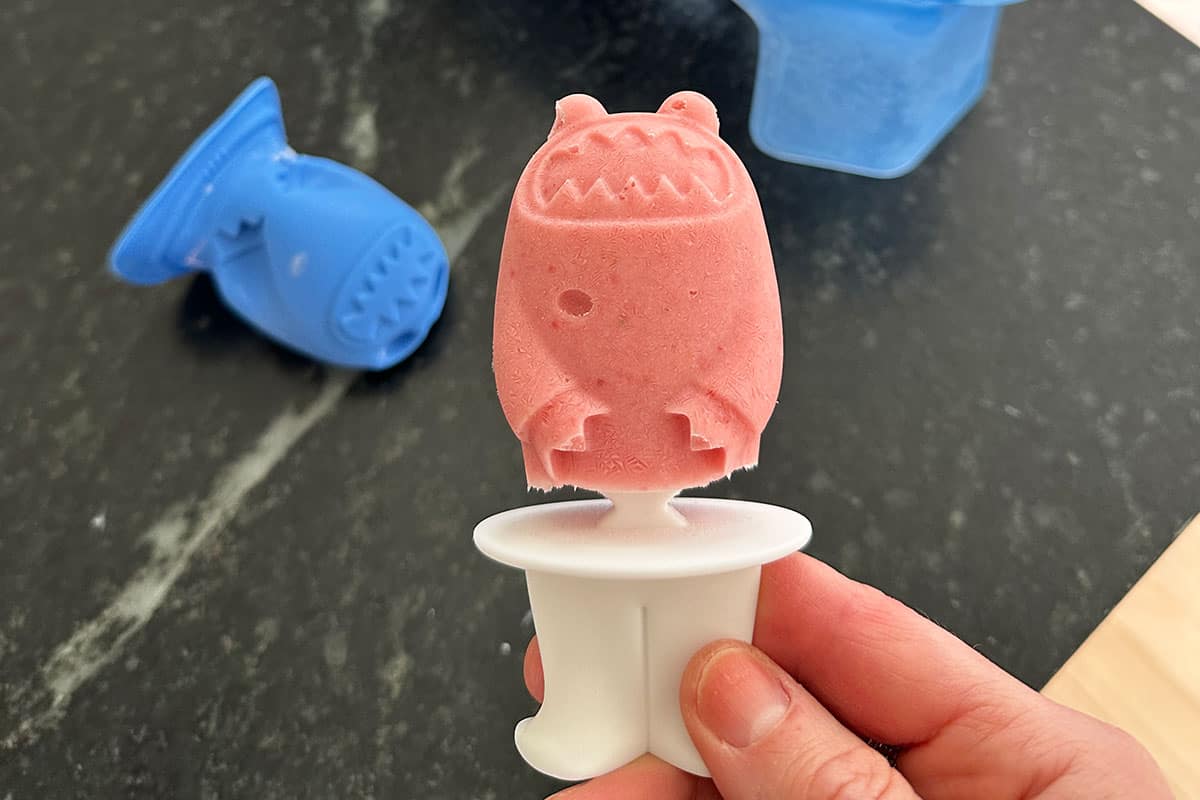
As the calendar transitions into warmer months, the nutritional requirements and preferences of children undergo a predictable change. Increased physical activity and higher temperatures necessitate snacks that are hydrating and cooling. The recent discourse within parenting communities highlights a strategic move toward "thaw-and-serve" or frozen snacks, such as homemade popsicles and chilled fruit-based treats.
This seasonal pivot is more than a matter of preference; it is a logistical adaptation. During the summer months, the shelf life of fresh produce can be significantly shorter due to ambient heat. By prepping snacks—such as blending overripe fruit into popsicle molds—families are able to "lock in" the nutritional value of produce before it spoils. This serves as a vital tool in the fight against food waste, a problem that costs the average American family thousands of dollars annually.
Chronology of the Snack Prep Movement
The evolution of the snack prep movement can be traced through several distinct phases over the last decade.
- The Rise of Convenience (2010–2018): Market saturation of "kid-friendly" pre-packaged snacks peaked, with brands emphasizing portability and character-based marketing.
- The Nutritional Awakening (2019–2021): Increased scrutiny of ingredient labels led to a demand for "clean label" products. Parents began expressing concern over hidden sugars, artificial dyes, and preservatives in toddler foods.
- The Inflationary Pivot (2022–Present): As global supply chains faltered and production costs rose, the price of "healthy" pre-packaged snacks became prohibitive for many middle- and lower-income families. This catalyzed the current "DIY" era of snack preparation.
Currently, the movement has reached a stage of digital integration. Platforms dedicated to family nutrition provide the "how-to" framework that many parents lack, offering structured guidance on how to manage the overwhelming task of starting from scratch.
Data Analysis: The Impact of Homemade Alternatives
Recent surveys and consumer reports indicate that the primary barrier to homemade food preparation is not the cost of ingredients, but the "time poverty" experienced by modern parents. However, data suggests that a dedicated 60-to-90-minute weekly prep session can save a household an average of four hours during the workweek by eliminating the need for daily assembly and frequent, unplanned trips to the grocery store.
From a nutritional perspective, the benefits are equally quantifiable. Store-bought toddler snacks often contain upwards of 10 grams of added sugar per serving to ensure shelf stability and palatability. In contrast, homemade versions typically rely on the natural sweetness of whole fruits, significantly reducing the risk of early childhood dental issues and metabolic imbalances. By using a small number of simple, nutritious ingredients, parents are able to bypass the complex additives found in industrial food production.
Mitigating Food Waste through Creative Culinary Repurposing
A central pillar of the "prep-to-save" strategy is the reduction of food waste. The Food and Agriculture Organization (FAO) estimates that one-third of all food produced globally is wasted, with households being the largest contributors in developed nations. In a family setting, children’s fickle eating habits often result in half-eaten pieces of fruit or nearly empty containers of yogurt.
The methodology advocated by nutrition experts involves a systematic "rescue" of these ingredients. For example:
- Overripe Bananas: Transformed into muffins or frozen as a base for smoothies.
- Leftover Yogurt: Combined with pureed berries to create frozen yogurt drops or popsicles.
- Spent Grains or Oats: Integrated into energy bites or homemade granola.
By viewing these "scraps" as raw materials for the next snack cycle, families effectively lower their overall cost of living while contributing to environmental sustainability.
The Rise of Niche Digital Communities and Subscription Advice
The transition from free social media content to paid, member-only communities represents a significant shift in how information is consumed in the digital age. As the volume of online misinformation grows, parents are increasingly willing to pay for curated, expert-led environments. The YTF Community model, which offers paywalled essays, customizable meal plans, and peer-to-peer commenting, reflects a broader trend toward the "premiumization" of parenting advice.
Industry analysts suggest that this model is successful because it addresses "decision fatigue." The modern parent is inundated with choices; a membership-based community narrows those choices down to actionable, tested strategies. The inclusion of tools like customizable shopping lists and recipe collections further streamlines the domestic labor involved in feeding a family. For many, the subscription fee is viewed as an investment that pays for itself through reduced grocery bills and improved household efficiency.
Broader Societal Implications and Future Outlook
The resurgence of homemade food preparation for children has broader implications for the future of the food industry. As more families opt out of the convenience snack market, large-scale manufacturers may be forced to reformulate products to compete with the transparency and simplicity of homemade alternatives. This "bottom-up" pressure could lead to a general improvement in the nutritional quality of the commercial food supply.
Furthermore, there is a growing recognition of the educational value of snack prep. Involving children in the preparation of their own food has been shown to reduce "picky eating" behaviors and foster a healthier relationship with nutrition. As children observe the transformation of raw ingredients into finished snacks, they gain a foundational understanding of food literacy that is often lost in an environment dominated by pre-packaged goods.
Looking forward, the integration of technology and home cooking is expected to deepen. We may see an increase in AI-driven meal planning that specifically targets "zero-waste" snack prep based on a household’s real-time inventory. However, the human element—the sharing of challenges and joys within a community of peers—remains the driving force behind the movement.
Conclusion: The Path Forward for Families
The decision to shift toward homemade snack preparation is a multi-faceted response to modern challenges. It is a financial strategy designed to combat inflation, a health strategy aimed at reducing sugar and additive intake, and a sustainability strategy focused on waste reduction. While the initial transition from the convenience of store-bought items to a "prep-heavy" lifestyle can be overwhelming, the long-term benefits for family stability and child development are becoming increasingly clear.
As digital communities continue to provide the necessary resources and emotional support for this transition, the "prep-to-save" philosophy is likely to move from a niche trend to a standard practice for the health-conscious and budget-aware household. The success of this movement underscores a fundamental truth in the modern economy: in the face of rising costs and complex global systems, the most effective solutions are often found in the simplicity of the home kitchen.
