

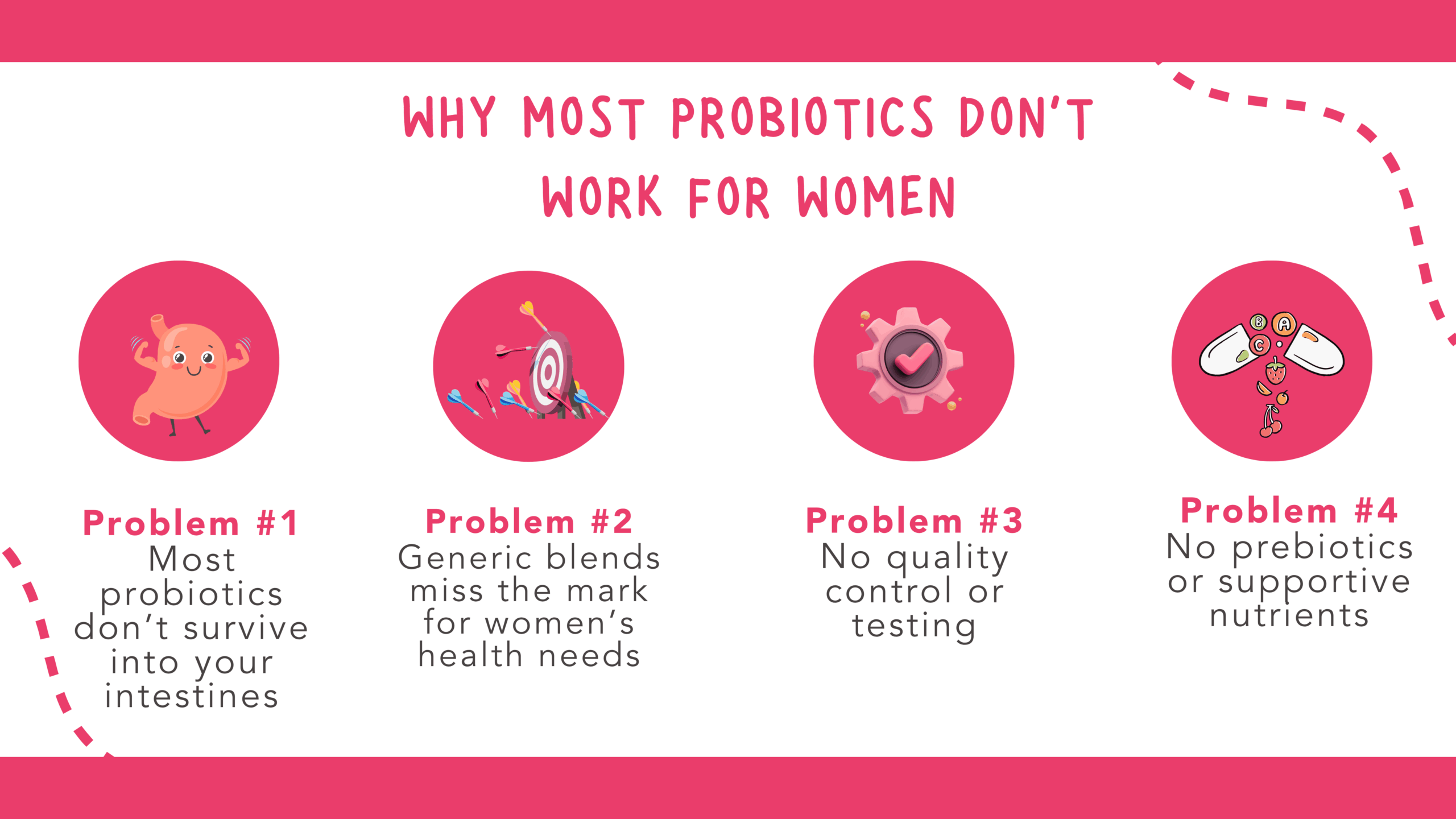
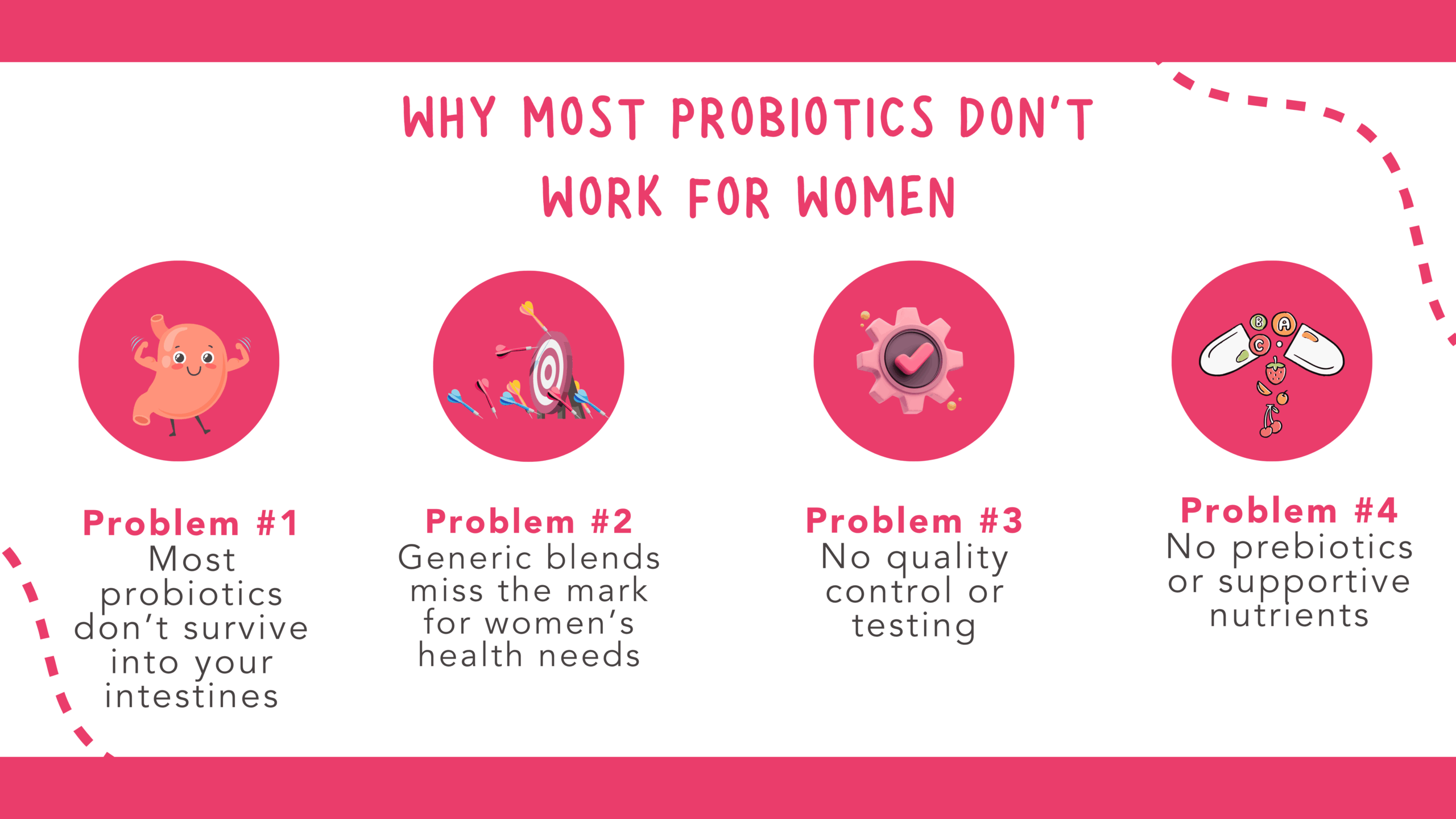
The global probiotic market, valued at approximately $70 billion in 2023, continues to expand as consumers seek natural solutions for digestive health, immunity, and mental well-being. However, a growing body of clinical evidence and consumer reports suggest a significant disconnect between the marketing promises of these supplements and their actual physiological impact, particularly concerning the female demographic. Industry experts and health researchers are increasingly identifying a "efficacy gap" caused by poor survivability of live cultures, generic formulations that ignore the complexities of the female microbiome, and a lack of stringent regulatory oversight in the supplement industry.
The Evolution of the Probiotic Industry and the Gender Gap
The concept of using beneficial bacteria to improve health dates back to the early 20th century, when Nobel laureate Élie Metchnikoff observed the longevity of Bulgarian peasants who consumed fermented milk. For decades, the industry focused on general digestive health, primarily utilizing a handful of well-known strains like Lactobacillus acidophilus. It was only within the last fifteen years that the scientific community began to map the distinct differences between the male and female microbiomes.
Women’s health is uniquely influenced by the "estrobolome"—a collection of bacteria in the gut capable of metabolizing and modulating the body’s circulating estrogens. Furthermore, women possess a secondary, vital microbiome in the vaginal tract that requires a different bacterial balance than the gut. Despite these biological realities, the majority of mass-market probiotics have historically been formulated as "one-size-fits-all" products. This oversight has led many women to report a lack of results regarding hormonal acne, recurrent yeast infections, and cycle-related digestive distress.
The Bioavailability Crisis: Survivability in the Gastric Environment
The primary hurdle for any oral probiotic is the human digestive system. The stomach is designed as a biological barrier, utilizing hydrochloric acid with a pH as low as 1.5 to 3.5 to neutralize pathogens. While this protects the body from harmful bacteria, it also serves as a lethal environment for many probiotic supplements.
Data from independent laboratory testing indicates that up to 80% of standard probiotic cultures may perish in the stomach before reaching the small and large intestines, where they are intended to colonize. To combat this, some manufacturers have turned to enteric coatings—synthetic polymers that prevent the capsule from dissolving until it reaches a higher pH environment. However, critics argue these coatings can sometimes be too resilient, preventing the release of the bacteria entirely.
In response to this challenge, high-end formulations, such as those recently developed by health brand Mama Natural, utilize a strategy known as "potent overage." This manufacturing process involves packing a significantly higher number of Colony Forming Units (CFUs) into each capsule than the label requires at the time of expiration. By over-delivering on the initial count, these products ensure that even after the inevitable attrition caused by stomach acid and shelf-life degradation, a therapeutic dose remains viable for the consumer.
The Specificity of Strains: Moving Beyond Generic Blends
Journalistic investigation into the labeling of supplements reveals that many products list only the genus and species of bacteria (e.g., Lactobacillus rhamnosus), omitting the specific strain designation (e.g., Lactobacillus rhamnosus GG or GR-1). This is a critical distinction, as different strains within the same species can have vastly different effects on the body.
For women, specific strains have been clinically linked to targeted health outcomes:
- Lactobacillus rhamnosus: Extensively studied for its ability to survive the gastrointestinal tract and support the vaginal flora by adhering to mucous membranes.
- Lactobacillus gasseri: Identified in research for its role in supporting metabolic health and reducing inflammation in the pelvic environment.
- Lactobacillus reuteri: Known for its antimicrobial properties and its ability to inhibit the growth of harmful yeast and bacteria in the urogenital tract.
- Bifidobacterium longum: A staple for gut barrier function, which is often compromised in women suffering from autoimmune conditions or chronic stress.
Generic blends often lack these high-cost, specialized strains, opting instead for cheaper, hardier bacteria that may provide general digestive support but fail to address female-specific hormonal and reproductive health needs.
Regulatory Challenges and Quality Control in the Supplement Market
The probiotic industry operates under the Dietary Supplement Health and Education Act (DSHEA) of 1994 in the United States, which classifies these products as food rather than drugs. Consequently, the Food and Drug Administration (FDA) does not approve probiotics for safety or effectiveness before they are marketed.
This regulatory environment has led to significant issues with quality control. An independent study published in the journal Nutrients found that a substantial percentage of probiotic supplements contained fewer live organisms than advertised, and some were contaminated with unintended bacterial species. Furthermore, without mandatory third-party testing, consumers have little recourse if a product is "dead on arrival" due to poor temperature control during shipping or inadequate stabilization during manufacturing.
Reputable brands are now seeking third-party certifications (such as NSF or USP) and implementing rigorous testing protocols to verify that their products are free from common allergens like gluten, soy, and dairy, which can further irritate the guts of sensitive individuals.
The Role of Synbiotics: Why Prebiotics are Essential
A significant evolution in probiotic science is the shift toward "synbiotics"—products that combine probiotics (live bacteria) with prebiotics (non-digestible fibers that serve as fuel for those bacteria). Without a food source, even the most hardy probiotic strains may fail to thrive once they reach the colon.
Many standard probiotics omit prebiotics to save on manufacturing costs or to keep capsule sizes small. However, the inclusion of whole-food prebiotic fibers is increasingly seen as a marker of a premium formulation. One notable example is the use of fiber from the Baobab tree (Adansonia digitata), often referred to as the "Tree of Life." Baobab fruit pulp is not only a potent prebiotic but is also rich in vitamin C and antioxidants, which support the immune system—a critical secondary function of the gut microbiome.
Health experts emphasize that women require approximately 25 grams of fiber daily to maintain optimal gut motility and hormone clearance. While a probiotic supplement cannot replace dietary fiber, the inclusion of 100 mg or more of a targeted prebiotic like baobab can significantly enhance the "colonization rate" of the supplemental bacteria.
Chronology of Consumer Shift Toward Specialized Probiotics
- 2000–2010: The "Probiotic Boom" focuses on yogurt and basic Lactobacillus capsules for general "regularity."
- 2011–2015: Genomic sequencing allows researchers to identify the specific bacterial makeup of the vaginal microbiome, leading to the first "Women’s Gold Standard" strains.
- 2016–2020: Increased consumer awareness regarding "Leaky Gut" and the Gut-Brain axis drives demand for higher CFU counts and cleaner labels.
- 2021–Present: The rise of personalized nutrition leads to the development of 4-in-1 support systems (Gut, Immune, Vaginal, and Skin) and the abandonment of synthetic fillers in favor of organic, whole-food ingredients.
Broader Implications for Women’s Healthcare
The transition from generic to targeted probiotics represents a broader shift in women’s healthcare toward bio-individuality. As more women seek alternatives to pharmaceutical interventions for issues like Irritable Bowel Syndrome (IBS), which affects women at significantly higher rates than men, the demand for "clinical-grade" supplements is expected to rise.
Medical professionals suggest that for a probiotic to be effective, consistency is paramount. The gut microbiome is a dynamic ecosystem; clinical studies typically show that it takes 14 to 30 days of daily supplementation for new bacterial colonies to stabilize and for the user to experience measurable changes in digestion, skin clarity, or mood.
In conclusion, the failure of many probiotics to deliver results for women is rarely a failure of the science of microbiology itself, but rather a failure of product design and transparency. By prioritizing strain specificity, ensuring survivability through potent overages, and including supportive prebiotics like baobab fiber, the next generation of supplements—exemplified by products like the Mama Natural Women’s Probiotic—aims to provide the targeted support that the female body requires. As consumer literacy grows, the industry will likely face increasing pressure to move away from "one-size-fits-all" marketing and toward evidence-based, gender-specific wellness solutions.
