

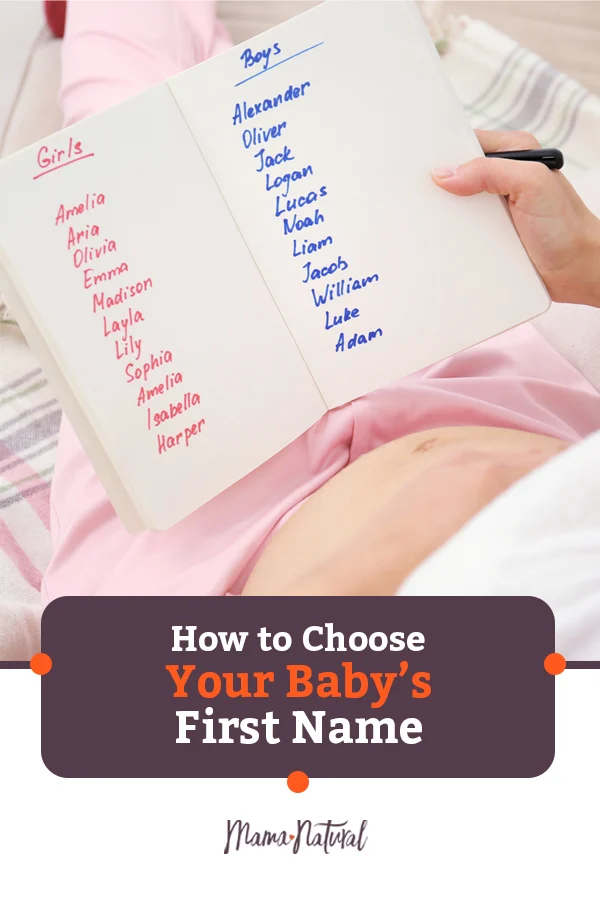
The process of selecting a child’s first name has transformed from a traditional rite of passage into a complex psychological and social endeavor for 21st-century parents. While naming conventions were once dictated by religious lineage or familial duty, contemporary trends show a significant shift toward individuality, phonetic aesthetics, and cultural resonance. According to data from the Social Security Administration (SSA), which has tracked baby naming trends in the United States since 1880, the diversity of names is at an all-time high. In the late 19th century, a handful of names accounted for a large percentage of the population; today, parents are increasingly seeking "one-of-a-kind" identifiers that distinguish their children in an interconnected world. This shift has turned a seemingly simple task into a high-stakes decision that requires careful planning, consensus-building, and an understanding of linguistic nuances.
The Evolution of Naming Conventions: A Historical Chronology
To understand the current landscape of baby naming, one must examine the chronological shift in how names have been selected over the past century. In the early 1900s, naming was largely uninventive and deeply rooted in tradition. Boys were frequently named after their fathers or grandfathers, leading to a saturation of names like John, William, and James. Girls’ names often followed a similar, albeit slightly more varied, path with Mary and Elizabeth dominating the charts for decades.
By the mid-20th century, specifically during the post-World War II "Baby Boom," a slight diversification began. While traditional names remained popular, the influence of Hollywood and mass media started to introduce "modern" choices. The 1960s and 70s saw a surge in nature-inspired and virtue names, reflecting the counter-culture movements of the era.
The digital revolution of the late 1990s and early 2000s marked the most significant turning point. The advent of the internet allowed parents to access global databases, meaning meanings, and popularity rankings in real-time. This access led to the "unique name" phenomenon. Today, the naming process is characterized by a "100-year rule," where names popular in the early 20th century (such as Evelyn, Theodore, and Hazel) are seeing a massive resurgence as they are perceived as "vintage" rather than "dated."
Establishing a Foundation: The Strategic Discussion of Needs
For modern couples, the naming process begins with a strategic alignment of values and expectations. Experts in family dynamics suggest that the first step in avoiding "naming friction" is to establish a set of criteria before browsing lists. This foundational discussion typically covers several key areas:
- Style Preference: Are the parents looking for something traditional, modern, gender-neutral, or avant-garde?
- Cultural and Religious Significance: Does the name need to honor a specific heritage or religious figure?
- Popularity Threshold: Is the goal to choose a name in the Top 10 to ensure familiarity, or to avoid the Top 100 to ensure uniqueness?
- Honor Names: Is there a requirement or desire to incorporate a family member’s name as either a first or middle name?
Establishing these parameters early acts as a filter, reducing the overwhelming number of available options—which, according to some digital baby name databases, can exceed 50,000 unique entries.
Sources of Inspiration and the Role of Big Data
In the modern era, inspiration is no longer limited to family bibles or local community influences. Parents now utilize sophisticated "baby name finders" and algorithmic tools to discover names. These tools often categorize names by origin, such as Biblical, Polynesian, Celtic, or Sanskrit, and by "vibe," such as "strong," "bohemian," or "aristocratic."
Statistical data plays a major role in this phase. Many parents consult the SSA’s annual rankings to gauge the trajectory of a name. A name that is rapidly climbing the charts—often referred to as a "rocket name"—might be avoided by parents seeking long-term uniqueness. Conversely, names that have remained steady for decades are often viewed as "timeless classics."
The "Surprise Me" or random generator features found on many parenting platforms have also become popular. These tools help break "decision paralysis" by introducing names that fall outside of a parent’s typical search parameters, often leading to the discovery of names with unique phonetic structures that the parents hadn’t previously considered.
Phonetic Analysis and the "Outside the Box" Approach
As parents move beyond traditional lists, linguistic aesthetics become a primary focus. This involves "stepping outside the box" to consider names from different origins or eras. For example, a parent may admire the floral connotations of a name like "Lily" but find its current popularity (consistently in the top 20 for the last decade) to be a deterrent. This often leads to the selection of cross-cultural alternatives, such as "Leilani," which carries a similar meaning ("heavenly flower") but offers a more distinct profile.
Linguistic experts note that the "sound" of a name—its phonology—is often as important as its meaning. Names with soft vowels and liquid consonants (like L, M, and N) are currently trending for both genders. The rise of names like Noah, Liam, Oliver, and Ava demonstrates a preference for "gentle" sounds over the harsher, more plosive sounds popular in previous generations.

The Significance of Etymology and Meaning
The meaning behind a name—its etymology—serves as a vital component of the selection process. For many, a name is seen as a "first gift" that can bestow certain qualities or aspirations upon a child. This has led to a rise in "meaning-based searching."
Data indicates that names signifying "strength," "wisdom," "peace," and "life" are among the most searched categories. For instance, parents who desire a "strong" name but find the word "Valor" too literal might opt for "Ethan," which is derived from the Hebrew word for "enduring." Similarly, the trend of naming twins often involves finding names with complementary meanings, such as "Vida" and "Eva," both of which translate to "life" in different linguistic traditions.
Practical Constraints: Surnames and Initials
A critical but often overlooked aspect of naming is the interaction between the first name and the surname. Professional consultants in the "baby naming industry"—a niche but growing field—recommend that parents consider the "rhythm" of the full name.
A common rule of thumb is the "syllable balance" theory: a short first name often pairs well with a long surname (e.g., "Max Alexander"), while a long first name can balance a short surname (e.g., "Sebastian Cole"). Furthermore, parents are advised to vet the initials of the chosen name to ensure they do not form unintended acronyms or slang. The "monogram test" is a standard practice in this stage, ensuring the name remains professional and dignified as the child enters adulthood.
Narrowing the Field: The "Starbucks Test" and Other Exercises
Once a shortlist of contenders is established, parents often move into a "testing phase." This is designed to bring the name to life and identify any practical issues that might arise in daily use. Common exercises include:
- The Starbucks Test: Using the name at a coffee shop or restaurant to see how it feels to say it aloud to a stranger and how it is perceived or spelled by others.
- The Holler Test: Calling the name out as if summoning a child on a playground to test its audibility and "shout-ability."
- The Resume Test: Visualizing the name on a professional business card or resume to ensure it carries sufficient gravitas for a future career.
These exercises are essential for resolving "top contender" stalemates, where parents are torn between two or three equally appealing options.
Conflict Resolution: Navigating "First Name Feuds"
Naming a child is a collaborative effort that frequently leads to disagreement. Psychologists suggest that "naming feuds" are often reflections of deeper stylistic or cultural differences between partners. To resolve these, many couples employ compromise strategies:
- The "Veto Power" System: Each partner is given a set number of vetoes to eliminate names they absolutely cannot tolerate.
- The Middle Name Compromise: If one partner loves a name that the other finds too "out there," it is often relegated to the middle name slot.
- The "Tournament Bracket": Using a sports-style bracket system to pit names against each other until a "champion" emerges.
If a consensus cannot be reached, some parents opt for "labor day decisions," choosing to wait until the child is born to see which name on the shortlist best fits the baby’s physical appearance or temperament.
Broader Impact: The Culture of the "Name Reveal"
The final stage of the naming process involves the decision of when and how to reveal the name to family and friends. In the age of social media, "name reveals" have become significant cultural events, often tied to gender reveal parties or birth announcements.
However, there is a growing counter-trend toward "naming privacy." Many parents choose to keep their selection secret until the birth certificate is signed to avoid unsolicited opinions or "name theft" within social circles. Research suggests that revealing a name prematurely can lead to "naming regret" if family members react negatively, as the psychological association with the name can be tainted by external criticism.
Conclusion: The Long-Term Implications of a Name
The selection of a baby’s first name is a decision with lifelong implications. Socio-economic studies, such as those featured in Freakonomics, have explored the correlation between names and future success, though the findings remain a subject of intense debate among sociologists. What is clear is that a name serves as a primary anchor of identity.
As naming trends continue to evolve—influenced by everything from global migration patterns to pop culture phenomena—the fundamental goal remains the same: to provide a child with a label that is both a source of pride and a functional tool for navigating the world. By combining historical context, statistical data, and practical testing, parents can navigate the complexities of modern naming with confidence, ensuring that the "first gift" they give their child is one that will serve them well for a lifetime.
