

The global probiotic market, valued at approximately $70 billion in 2023, continues to expand as consumers seek natural solutions for digestive health, immunity, and mental well-being. However, a growing body of clinical evidence and consumer reports suggests a significant gap between product promises and actual health outcomes, particularly for women. While marketing campaigns frequently highlight benefits such as improved digestion, clearer skin, and stabilized moods, many products fail to deliver due to biological barriers, generic formulations, and a lack of rigorous quality control. Understanding the physiological nuances of the female microbiome and the technical requirements of probiotic survival is essential for identifying effective interventions in an oversaturated market.
The Biological Barrier: Survival Rates in the Gastrointestinal Tract
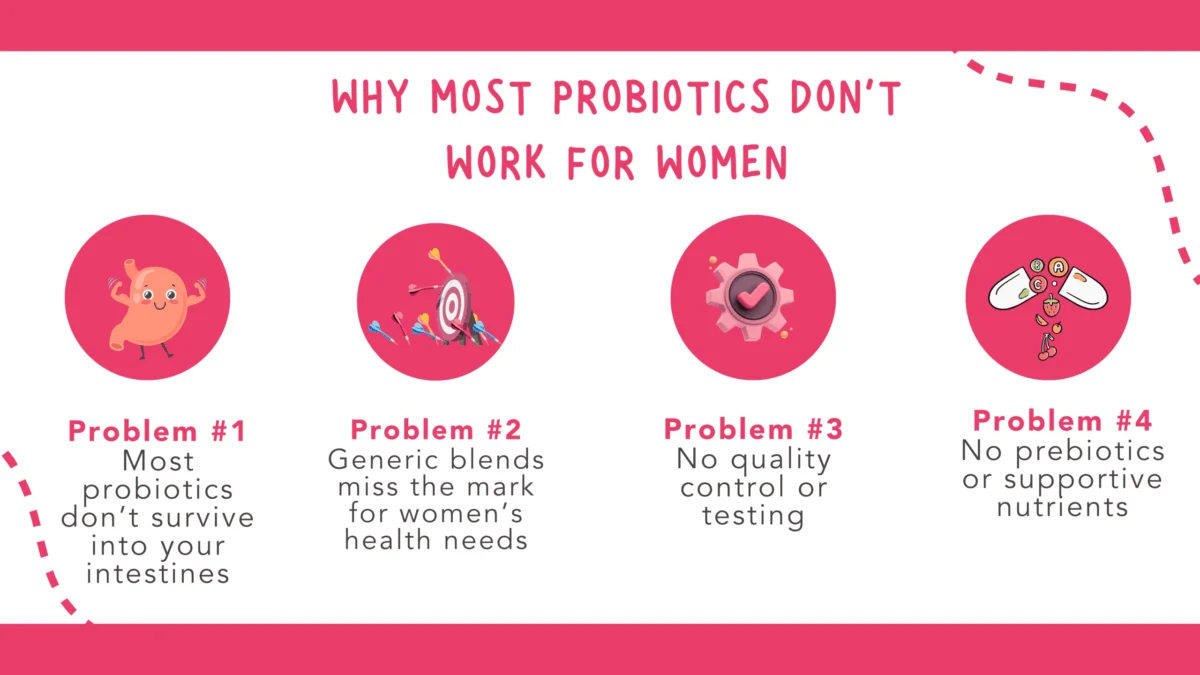
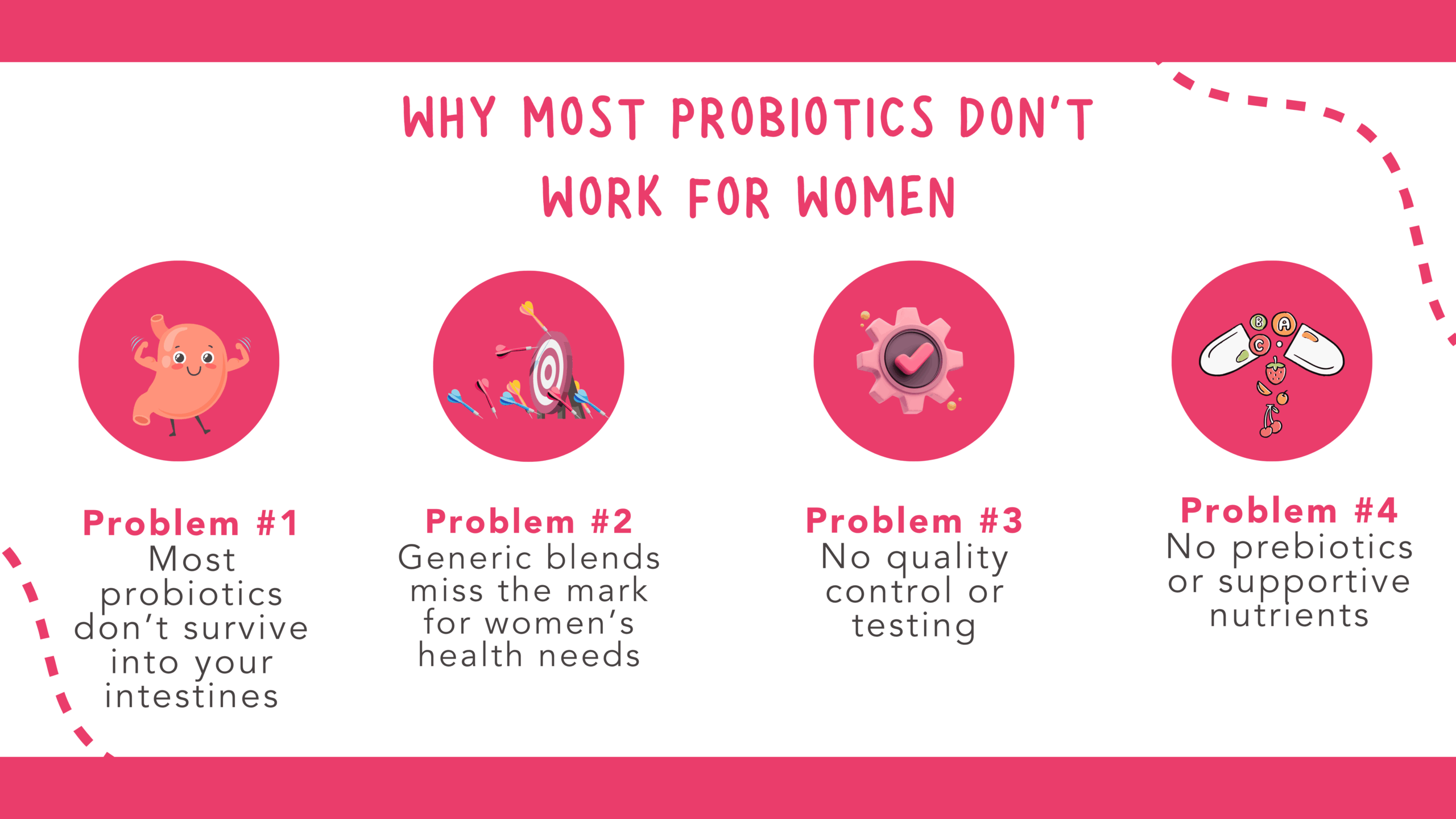
The primary challenge facing any oral probiotic is the journey through the human digestive system. The stomach serves as a formidable biological gatekeeper, utilizing hydrochloric acid with a pH typically ranging from 1.5 to 3.5. This high-acidity environment is designed to denature proteins and neutralize potentially harmful pathogens ingested through food. Unfortunately, the same mechanism frequently destroys delicate probiotic bacteria before they reach the small and large intestines.
Research indicates that many commercial probiotics suffer from low "bioavailability" at the site of action. If a capsule contains 10 billion colony-forming units (CFUs) but 99% are neutralized by gastric juices, the remaining concentration is often insufficient to colonize the gut or exert a therapeutic effect. To combat this, advanced formulations now utilize a strategy known as "potent overage." This involves packing a significantly higher number of live bacteria into each dose than the label requires at the time of expiration. This ensures that even after the inevitable attrition during transit, a clinically relevant dose reaches the "gut garden" where it can proliferate.
The Gender Gap in Microbiome Research
Historically, medical research has often defaulted to male subjects, leading to a "one-size-fits-all" approach that neglects the complexities of female physiology. A woman’s microbiome is not a static environment; it is a dynamic system influenced by hormonal fluctuations, reproductive cycles, and life stages such as pregnancy and menopause. Generic probiotic blends often fail because they do not account for the specific needs of the vaginal microbiome (VMB) or the impact of estrogen on gut motility.
Women are disproportionately affected by certain health challenges, including urinary tract infections (UTIs), yeast overgrowth (Candidiasis), and irritable bowel syndrome (IBS). Effective probiotic therapy for women requires specific, well-researched strains rather than broad-spectrum generic bacteria. For instance, Lactobacillus rhamnosus and Lactobacillus reuteri have been extensively studied for their ability to migrate from the gastrointestinal tract to the vaginal canal, where they help maintain an acidic pH and inhibit the growth of pathogens. Furthermore, Lactobacillus gasseri has shown promise in supporting metabolic health and reducing inflammation associated with hormonal shifts.
Quality Control and Labeling Inaccuracy
The probiotic industry operates under a regulatory framework that often categorizes these products as dietary supplements rather than pharmaceuticals. This distinction leads to varying degrees of oversight regarding manufacturing practices and labeling accuracy. An independent study published in the journal Microbial Ecology in Health and Disease revealed that a significant percentage of probiotic products did not contain the quantity of live bacteria claimed on the label. In some instances, products contained zero viable organisms by the time they reached the consumer.
Furthermore, the lack of third-party testing means that many products may contain fillers, allergens, or undisclosed binders. For women with sensitivities, the presence of dairy, gluten, or soy in a probiotic capsule can exacerbate the very digestive issues they are trying to solve. Industry analysts emphasize that "transparency in the supply chain" is the most critical factor for consumers. This includes clear identification of specific strains (e.g., Bifidobacterium longum BB536 rather than just Bifidobacterium) and documented stability testing to ensure the bacteria remain alive through the product’s shelf life.
The Role of Prebiotics and the "Symbiotic" Approach
A common reason for probiotic failure is the lack of "fuel" for the beneficial bacteria. Probiotics are living organisms that require specific types of fiber, known as prebiotics, to thrive and colonize the gut. Without adequate prebiotic support, even the highest quality probiotic strains may pass through the system without providing long-term benefits.
The "fiber gap" is a documented public health issue; while health organizations recommend that women consume at least 25 grams of fiber daily, the average intake in many developed nations is less than half that amount. Innovative formulations are now incorporating whole-food prebiotic sources, such as baobab fruit fiber. Sourced from the African "Tree of Life," baobab is not only a potent source of soluble fiber but is also rich in antioxidants and vitamin C. By combining probiotics with these supportive nutrients—a combination known as a "synbiotic"—manufacturers can increase the likelihood of successful microbial colonization.
A Timeline of Probiotic Evolution
The scientific understanding of probiotics has evolved through several distinct phases:
- Early 20th Century: Nobel laureate Elie Metchnikoff proposes that consuming fermented dairy products could enhance longevity by replacing "putrefactive" bacteria with beneficial lactic acid bacteria.
- 1990s – 2000s: The rise of commercial probiotic yogurts and the initiation of the Human Microbiome Project, which began mapping the trillions of microbes inhabiting the human body.
- 2010s: The shift toward encapsulated supplements and the identification of strain-specific benefits for conditions like IBS and eczema.
- 2020s: The era of "Precision Probiotics," focusing on gender-specific needs, shelf-stable technology, and the integration of prebiotics and postbiotics.
Clinical Analysis of Effective Strains for Women
To achieve measurable results, experts suggest focusing on a powerhouse blend of well-researched strains. Journalistic analysis of clinical trials highlights several key species:
- Lactobacillus reuteri: Known for its antimicrobial properties, it produces reuterin, a substance that inhibits the growth of harmful bacteria, yeast, and protozoa.
- Bifidobacterium longum: One of the first microbes to colonize the infant gut, it plays a crucial role in maintaining the integrity of the intestinal barrier and modulating the immune response.
- Lactobacillus gasseri: Found naturally in human breast milk, this strain is associated with vaginal health and has been linked in some studies to the reduction of visceral fat.
- Lactobacillus rhamnosus: Highly resilient to stomach acid and bile, this strain is a "workhorse" for digestive regularity and preventing traveler’s diarrhea.
The Importance of Consistency and Holistic Support
Medical professionals caution that probiotics are not a "quick fix." The gut microbiome is a complex ecosystem that requires time to rebalance. Clinical studies typically show that consistent, daily use for at least two to four weeks is necessary to observe changes in digestion, skin clarity, or vaginal health.
Moreover, the efficacy of a probiotic is heavily influenced by the host’s environment. A diet high in processed sugars and artificial sweeteners can feed pathogenic bacteria, effectively working against the probiotic supplement. Conversely, a diet rich in fermented foods (such as kimchi and kefir), bone broth, and diverse plant fibers creates a hospitable environment for beneficial strains to flourish. Hydration also plays a critical role, as water is essential for the mucosal lining of the gut where these bacteria reside.
Broader Implications for Women’s Healthcare
The shift toward specialized probiotics represents a broader trend in personalized medicine. As consumers become more educated, the demand for "clean label" products—those free from GMOs, artificial colors, and common allergens—is forcing the industry to elevate its standards. For women, this means access to products that are vegan, non-GMO, and free from binders like magnesium stearate or silicon dioxide, which some individuals find irritating to the digestive tract.
The economic implications are also significant. By effectively managing gut health and preventing recurrent issues like UTIs or yeast infections through targeted probiotic use, women may reduce their reliance on antibiotics. This not only benefits individual health by preserving microbial diversity but also contributes to the global effort to combat antibiotic resistance.
In conclusion, the failure of many probiotics to deliver on their promises is rarely the fault of the consumer. It is a result of a market that has long prioritized generic, low-stability formulas over gender-specific, science-backed solutions. By seeking out high-CFU, strain-specific synbiotics that include whole-food prebiotics and undergo rigorous testing, women can finally leverage the true potential of probiotic science to support their unique biological needs. The future of feminine wellness lies in this intersection of targeted microbiology and transparent manufacturing, ensuring that the "gut garden" remains a source of vitality rather than frustration.
