

The landscape of modern obstetric care is witnessing a significant shift toward patient-centered communication with the release of the updated 2025 visual birth plan template, a tool designed to bridge the gap between expectant parents’ preferences and clinical efficiency. As maternal health advocates emphasize the importance of informed consent and personalized care, the introduction of streamlined, icon-based documentation aims to address long-standing frictions between laboring families and medical providers. This initiative reflects a broader movement within the healthcare industry to replace dense, multi-page manifestos with concise, visually accessible blueprints that can be integrated into hospital charts without disrupting the fast-paced environment of labor and delivery units.
The Shift Toward Visual Birth Planning
Historically, birth plans emerged in the late 20th century as a response to the increasing medicalization of childbirth. Originally intended as a tool for dialogue between patients and physicians, these documents often evolved into lengthy lists of demands that some medical professionals found difficult to navigate during active labor. Research into clinical communication suggests that high-stress environments, such as a delivery room, are better served by simplified data presentation.
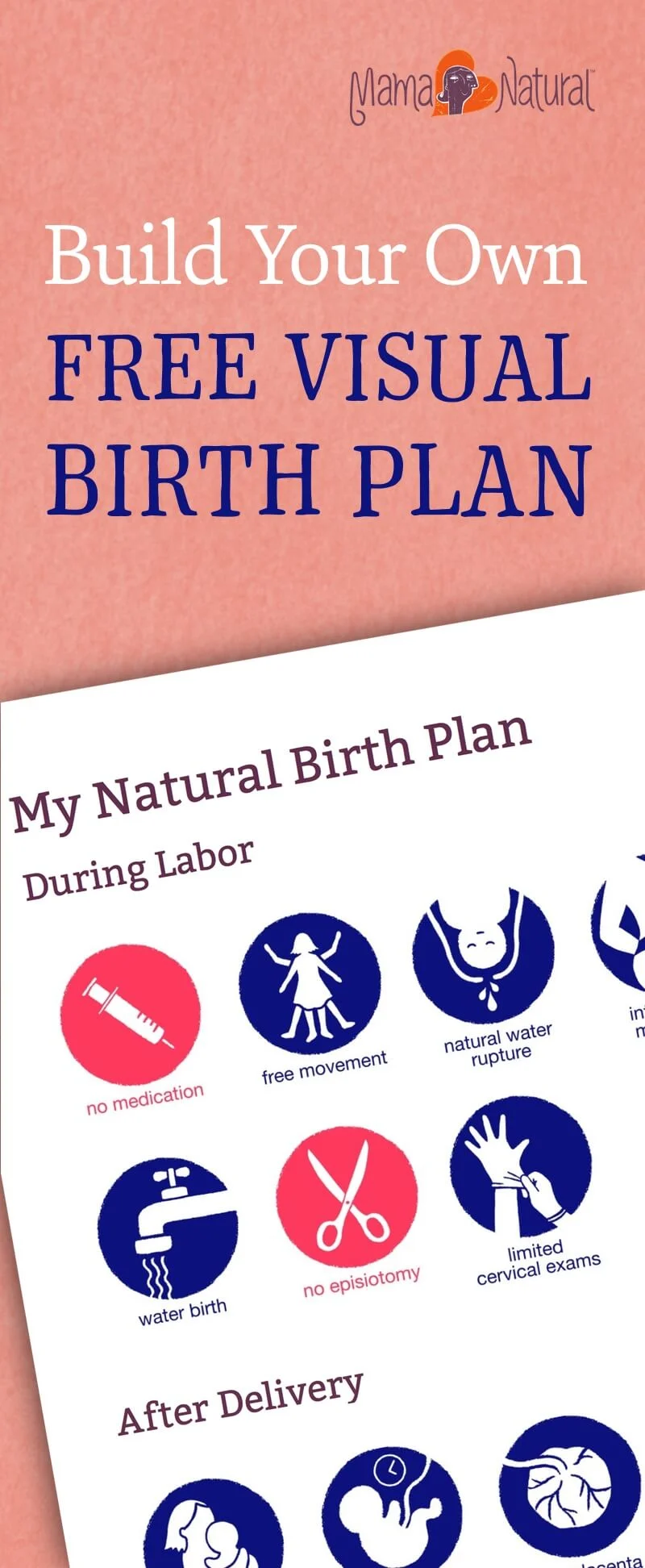
The 2025 visual birth plan template utilizes a standardized iconographic system to represent complex medical preferences. By categorizing choices into "During Labor" and "After Delivery" sections, the tool allows healthcare providers to assess a patient’s desires at a glance. The technical structure of the plan—offering both a static PDF for reference and a customizable Word or Pages file for personalization—allows for a high degree of specificity while maintaining a clean, one-page format. This evolution in birth planning is a direct response to feedback from nursing staff and midwives who have advocated for clearer, more realistic communication tools.
Technical Mechanics and the Iconography System
The template’s efficacy relies on a binary color-coded system designed to reduce cognitive load for medical staff. Blue icons are utilized to represent positive preferences—actions the birthing team is encouraged to take, such as allowing free movement during labor or practicing delayed cord clamping. Conversely, red icons denote negative preferences or interventions the patient wishes to avoid, such as routine episiotomies or immediate newborn bathing.
For the 2025 update, several new icons have been integrated based on trending maternal health data and patient feedback. These include expanded options for pain management, specific environmental preferences, and a dedicated section for "Gentle Cesarean" procedures. The latter is particularly significant as cesarean delivery rates in the United States remain at approximately 32%, according to the Centers for Disease Control and Prevention (CDC). By including icons for clear drapes, immediate skin-to-skin contact in the operating room, and music during surgery, the template acknowledges the necessity of personalized care even in surgical settings.
Addressing the Clinical Divide: Provider Reactions and Safety
One of the primary challenges in the implementation of birth plans has been the "high-maintenance" stigma often associated with patients who present complex documents. Clinical anecdotes and qualitative studies have indicated that some nursing staff perceive rigid birth plans as a lack of trust in medical expertise or a failure to understand the unpredictable nature of childbirth.
However, the visual format aims to mitigate this tension. Medical professionals, including midwives and hospital-based nurses, have begun to advocate for these templates as a means of keeping the entire care team "on the same page." By presenting preferences as a collaborative blueprint rather than a set of demands, the visual plan encourages a partnership model of care.
"A birth plan is about putting down preferences in black and white before labor begins," the developers of the template stated. "This enables the birth team to access those choices without disrupting the mother during labor." This approach aligns with the principles of the "Triple Aim" in healthcare: improving the patient experience, improving the health of populations, and reducing the per capita cost of healthcare by avoiding unnecessary interventions.

Chronology of Implementation and Customization
The process of utilizing the visual birth plan typically begins in the third trimester. Maternal health experts recommend the following timeline for optimal implementation:
- Selection and Download: Expectant parents access the editable template (often distributed as a zip file) to ensure they can tailor the icons to their specific medical history and birthing location.
- Provider Consultation: The draft is presented to the OB-GYN or midwife during a prenatal visit. This allows for a discussion on hospital policies and the clinical feasibility of certain requests.
- Refinement: Based on the provider’s feedback, the patient deletes irrelevant icons and arranges the remaining ones to reflect their highest priorities.
- Integration: The final one-page document is printed and placed in the patient’s hospital chart or prenatal folder, ensuring it is available to the shift nurses and on-call physicians who may not have met the patient previously.
Equity and Advocacy in Maternal Health
The push for standardized birth planning also intersects with critical issues of health equity. Organizations such as the National Association of Black Birth Workers and Doulas have highlighted the "Black Birthing Bill of Rights," which emphasizes the right to respectful, high-quality care. For women of color, who face disproportionately higher rates of maternal mortality and morbidity in the United States, a clear and professional birth plan can serve as a vital advocacy tool.
By providing a structured format for expressing preferences, the visual template empowers patients to exercise their right to informed refusal and informed consent. It serves as a physical reminder of the patient’s autonomy in a system that has historically marginalized certain demographics. The inclusion of icons for doula support and specific cultural practices further supports a diverse range of birthing experiences.
Data-Driven Analysis of Birth Interventions
The necessity of a birth plan is often dictated by the standard of care at a chosen birthing facility. Data from the World Health Organization (WHO) suggests that while many labor interventions are life-saving when medically indicated, their routine use in low-risk births can lead to a "cascade of interventions."
For example, continuous fetal monitoring is standard in many American hospitals despite evidence suggesting that intermittent auscultation is appropriate for low-risk pregnancies. Similarly, the routine breaking of the amniotic sac (amniotomy) is a common practice that many patients now choose to decline through their birth plans. The visual template allows patients to signal these preferences clearly, potentially reducing the rate of non-indicated medical procedures.
Broader Implications for the Future of Obstetrics
The move toward visual, one-page birth plans represents a broader trend in "health literacy"—the ability of individuals to find, understand, and use information and services to inform health-related decisions. As healthcare systems become increasingly complex, tools that simplify communication without sacrificing detail are becoming essential.
Critics of birth plans often argue that the unpredictable nature of delivery makes planning futile. However, advocates counter that the process of creating a plan is as important as the document itself. It requires expectant parents to research interventions, understand their options, and engage in meaningful dialogue with their providers. The visual template acts as a summary of that education.
In conclusion, the 2025 visual birth plan template is more than a checklist; it is a sophisticated communication device designed for the modern clinical environment. By balancing the patient’s desire for autonomy with the provider’s need for efficiency, it fosters an environment of mutual respect and safety. As more hospitals and birthing centers adopt patient-centered protocols, the use of standardized visual aids is likely to become a benchmark of high-quality obstetric care, ensuring that the arrival of a new baby is handled with both medical excellence and personal dignity.
