

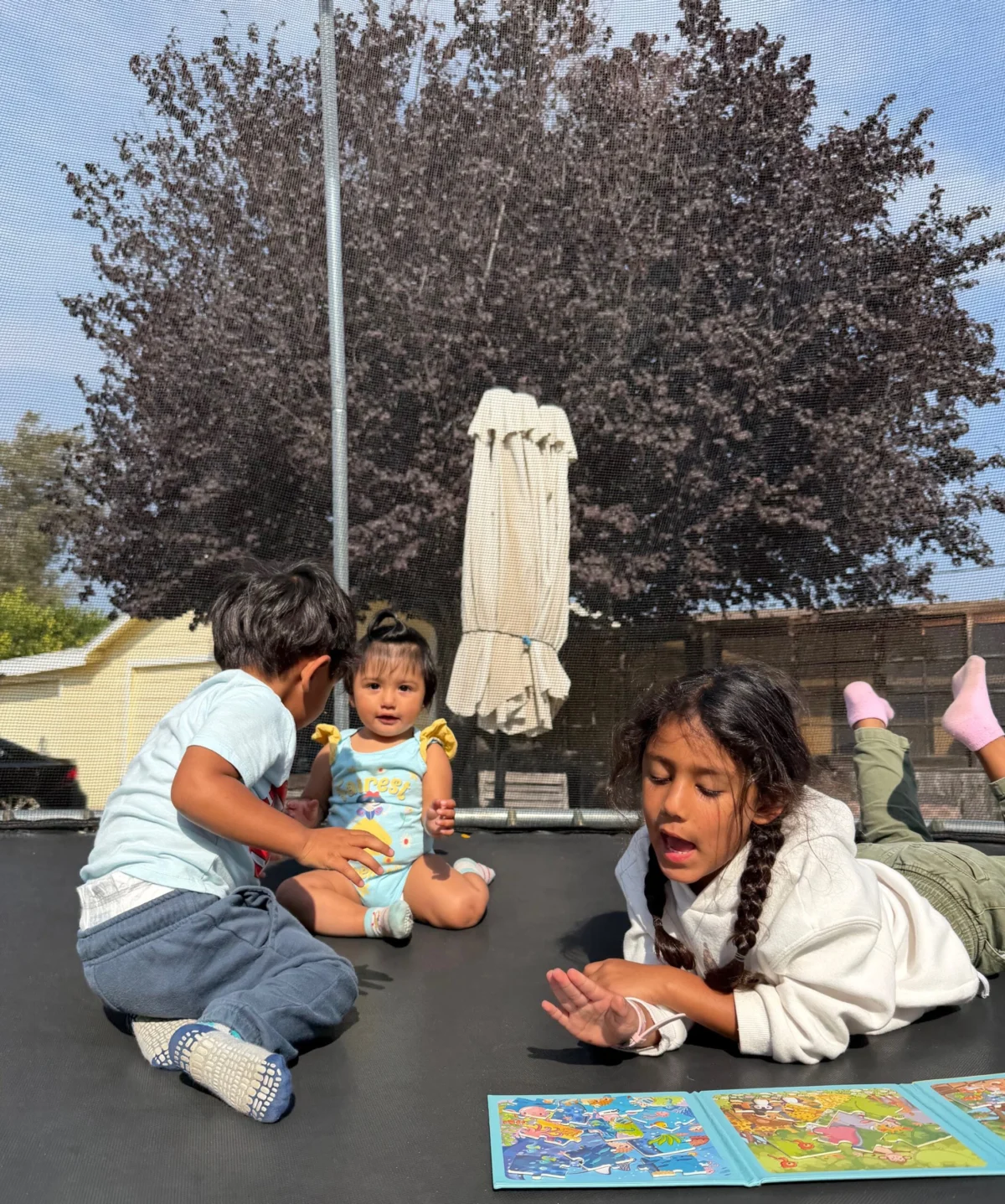
The transmission of personal history through oral storytelling remains a cornerstone of familial bonding and cognitive development in modern domestic environments. Recent observations regarding the sharing of "childhood lore"—specific, often humorous anecdotes from a parent’s youth—highlight the profound impact these narratives have on the emotional resilience and identity formation of the next generation. A primary example of this phenomenon was recently documented during a domestic interaction involving a mother and her three children, where the retelling of a decades-old incident served as both entertainment and a vehicle for developmental growth. This specific case, involving a swimming pool incident and a discarded swimsuit, provides a framework for analyzing how family stories function as essential tools for social learning.
The Bathing Suit Incident: A Case Study in Early Autonomy
The narrative in question dates back several decades, originating at a family social gathering centered around a swimming pool at a private residence. The subject of the story, then a four-year-old female identified as Jannelley, was engaged in recreational swimming with extended family members. According to the account, the subject experienced a recurring conflict between the physiological necessity of using the restroom and the desire to maintain social participation in the "mermaids" game and diving board activities.
The logistical challenge of removing and replacing a cold, saturated one-piece swimsuit proved to be a significant deterrent for the child. Upon her fifth visit to the restroom, the subject engaged in a radical form of problem-solving. After utilizing the facilities, the subject opted not to re-don the restrictive garment. Instead, she discarded the sequined swimsuit directly into the toilet bowl and exited the restroom in a state of complete nudity.
The subject’s logic, while flawed by adult social standards, represented a high level of "functional fixedness" bypass. She identified the wet garment as the primary obstacle to her goal—returning to the pool—and eliminated it entirely. The subsequent reaction from family members, including a teenage cousin named Lupe and the subject’s mother, involved immediate intervention with a towel and the cessation of swimming privileges for the day. Despite the social consequences, the subject reported a sense of "pride and fascination" at having independently resolved a perceived logistical crisis.
The Transmission of Intergenerational Lore
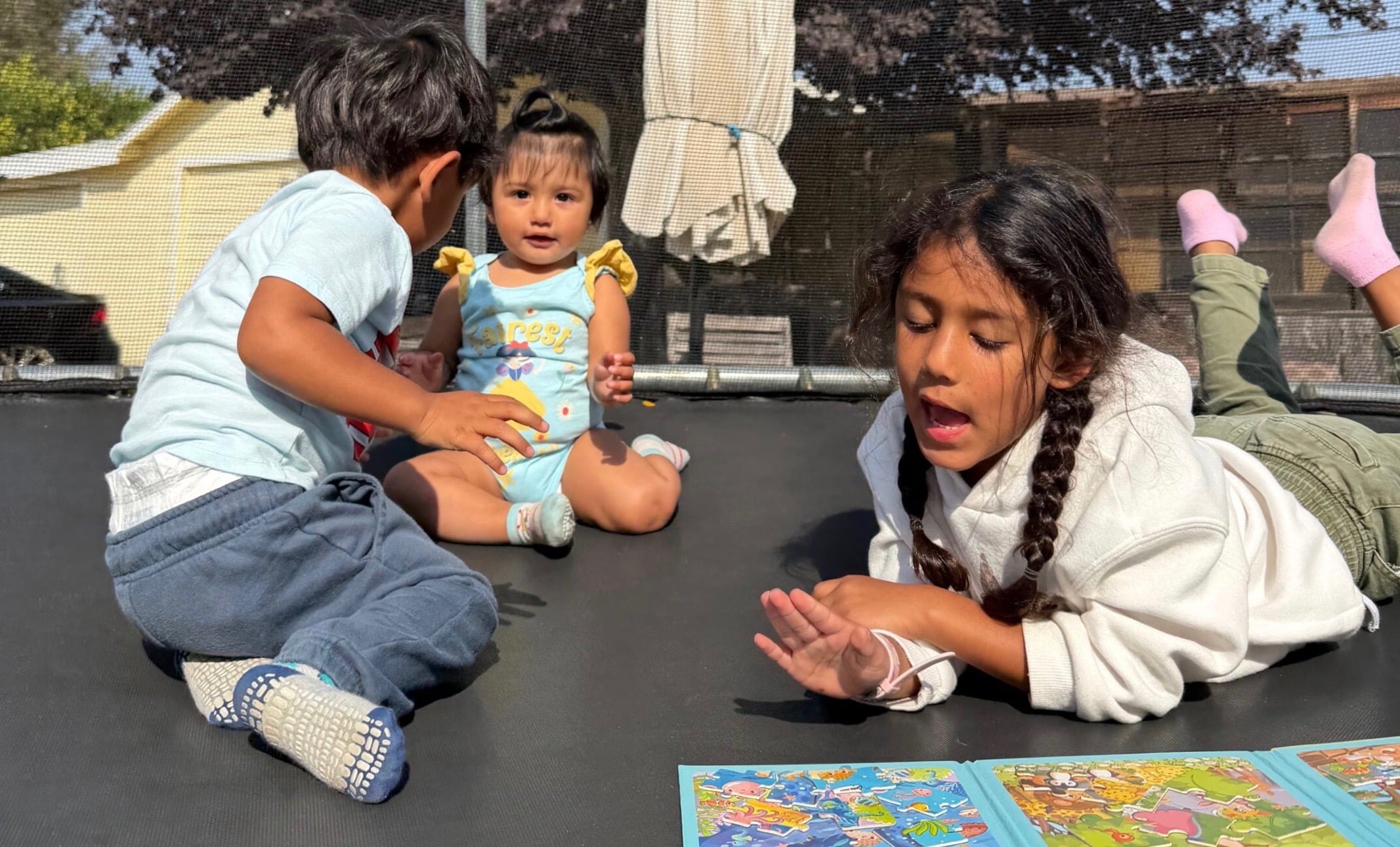
The modern context of this story involves its retelling to the subject’s five-year-old daughter, Ella, during a session on a backyard trampoline. This transfer of information from parent to child is categorized by sociologists as "intergenerational narrative." The daughter’s request—"Mommy, can you tell me a story about when you were a kid?"—indicates a proactive search for identity-building information.
The daughter’s reaction to the story, characterized by "rolling on the trampoline laughing," demonstrates the efficacy of humor in narrative transmission. Since the initial retelling, the child has requested the "bathing suit down the toilet story" as a nightly ritual. This repetition serves several functions: it reinforces the parent’s humanity, provides a safe space to discuss social norms and mistakes, and strengthens the emotional connection through shared amusement.
Quantitative Benefits of Family Storytelling
Research in the field of developmental psychology, most notably the "Do You Know" scale developed by Dr. Marshall Duke and Dr. Robyn Fivush of Emory University, suggests a strong correlation between a child’s knowledge of their family history and their emotional health. The 20-question scale, which asks children about their parents’ pasts—including where they grew up, where they went to school, and "funny things that happened"—has been used to measure familial cohesion.
Data suggests that children who score higher on this scale exhibit:
- Higher levels of self-esteem: Understanding that they are part of a larger, ongoing story provides a sense of belonging.
- Better coping mechanisms: Hearing stories about parents facing challenges or making mistakes helps children normalize their own setbacks.
- Internal Locus of Control: Children learn that they have the agency to navigate difficult or embarrassing situations, much like their predecessors did.
In the case of the "bathing suit incident," the subject’s daughter is not merely hearing a funny anecdote; she is absorbing a lesson on autonomy, the consequences of social non-conformity, and the ability of a family unit to look back on past "failures" with humor rather than shame.
Cognitive Development and Problem-Solving Strategies
From a clinical perspective, the four-year-old subject’s decision-making process at the barbecue is an example of "divergent thinking." While the standard solution to a wet swimsuit is to struggle through the process of putting it back on, the subject identified an alternative path. The fact that the story is told with a focus on her feeling like a "big girl" who solved a "cumbersome problem" highlights the importance of framing in childhood development.
When parents share stories of their own childhood "misbehavior" or "errors," it reduces the pressure on the child to achieve perfection. This creates a psychological safety net. If a parent can survive the embarrassment of walking nude across a family party, the child feels more confident that they can survive their own social mishaps at school or on the playground.
Timeline of Narrative Evolution
The lifecycle of family lore typically follows a specific chronological path:
- The Event (Approx. 30-35 years prior): The original incident occurs, usually involving a high-stress or high-emotion situation for the participants.
- The Initial Processing: Family members react, discipline is administered, and the event is categorized as a "disruption."
- The Maturation Phase: As the child grows, the event is occasionally referenced at family gatherings, transitioning from a "naughty act" to a "funny memory."
- The Transmission Phase: The original subject becomes a parent and shares the story with their own offspring.
- The Mythologizing Phase: The story becomes a staple of the child’s upbringing, often being retold to friends or, eventually, to the next generation.
In this specific instance, the "bathing suit story" has successfully entered the final phase, becoming a permanent fixture of the family’s oral tradition.
Broader Impact and Implications for Modern Parenting
In an era increasingly dominated by digital entertainment and curated social media presences, the role of unpolished, authentic oral storytelling is more critical than ever. Journalistic analysis of contemporary parenting trends suggests a shift toward "vulnerability-based parenting." By sharing stories of their own fallibility, parents provide a counter-narrative to the "perfection" often seen in digital spaces.
The "bathing suit down the toilet" story serves as a microcosm of this trend. It is a raw, un-curated moment of childhood logic that resonates because it is universally relatable. The "sequined one-piece" and the "game of mermaids" provide sensory details that make the memory vivid and durable.
Furthermore, the act of storytelling on a trampoline—a physical, high-energy environment—enhances the bonding experience. Physical proximity and shared activity are known to increase the release of oxytocin, which facilitates trust and long-term memory encoding.
Conclusion
The "bathing suit incident" and its subsequent retelling represent more than a simple humorous anecdote. It is a documented example of how family lore functions as a developmental catalyst. Through the objective lens of behavioral science, these stories are the building blocks of a child’s world-view. They provide a sense of continuity, a lesson in resilience, and a framework for understanding social boundaries through the safe medium of humor. As the subject’s daughter continues to request this story, she is not just seeking entertainment; she is reinforcing her place within a family narrative that values independence, laughs at its own mistakes, and treasures the messy reality of childhood.
The broader implication for society is clear: the health of the family unit and the emotional stability of children are significantly bolstered by the preservation of these small, seemingly insignificant stories. In the grander timeline of a family’s history, a discarded swimsuit in a toilet bowl may be as important as any graduation or wedding, serving as a testament to the enduring power of the human spirit to solve problems, however unconventionally, and to find joy in the aftermath.
