

The Evolution of Family Camping: A Chronological Perspective
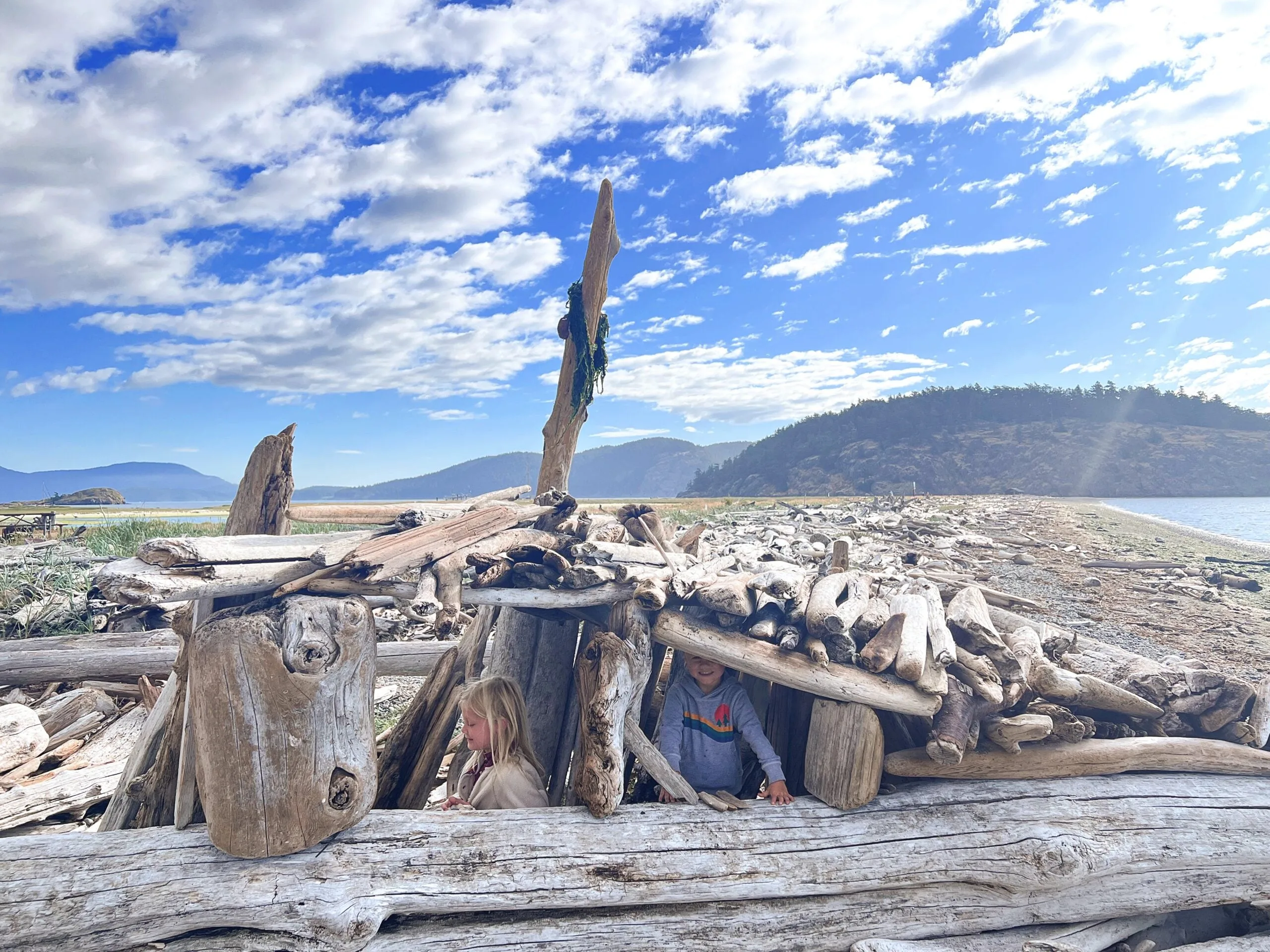
The trajectory of family camping often begins with a period of idealized expectations followed by a "trial by fire" phase. For Teer and her husband, the journey started in the coastal environments of Washington State, specifically on islands where the natural soundtrack consisted of harbor seals and crashing waves. This early phase of "anniversary camping" was defined by simplicity and a lack of logistical friction. However, the introduction of a firstborn child necessitated a significant recalibration of expectations.
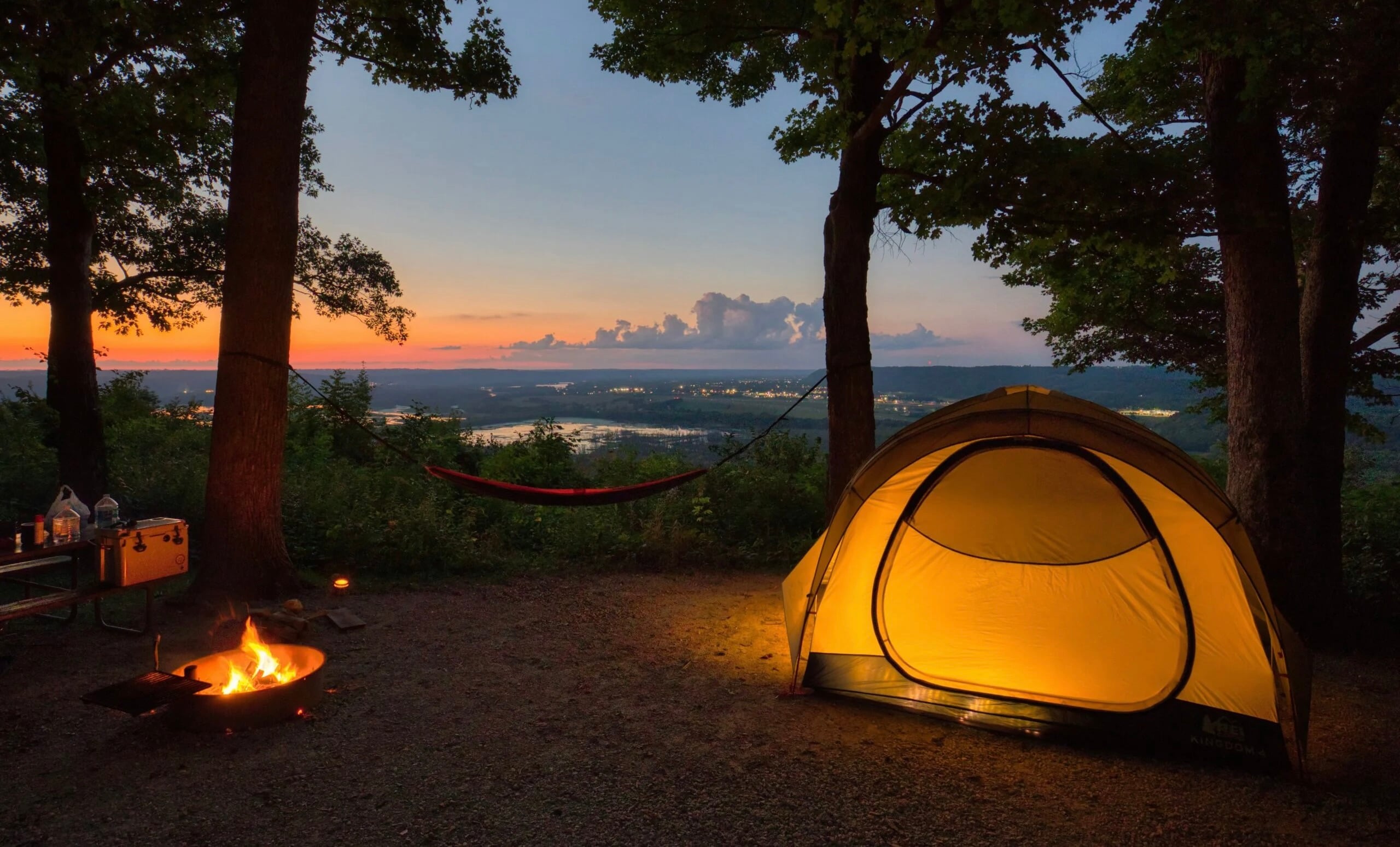
The transition reached a critical juncture during a trip to a national forest when Teer’s daughter was six months old. The failure of this specific excursion—marked by a lack of basic supplies like firewood and the inconsolable distress of an infant—serves as a common benchmark for many young families. Statistics from the outdoor industry suggest that many families "pause" their camping activities during the infancy stage, resuming when children reach the age of two or three. Teer’s experience mirrors this trend; after a year-long hiatus, her family returned to the woods with a more robust strategy and a deeper understanding of the developmental needs of children in outdoor settings. Over the subsequent years, this evolved into a sophisticated system involving specialized gear, group dynamics, and a focus on educational engagement.
Statistical Trends in North American Outdoor Participation
The shifts observed in individual family units are reflected in broader national data. According to the 2023 North American Camping & Outdoor Hospitality Report by Kampgrounds of America (KOA), more than 58 million households reported going on at least one camping trip in 2022. Notably, the report highlights that the "new camper" demographic is younger and more diverse than in previous decades, with a significant emphasis on family-centric travel.
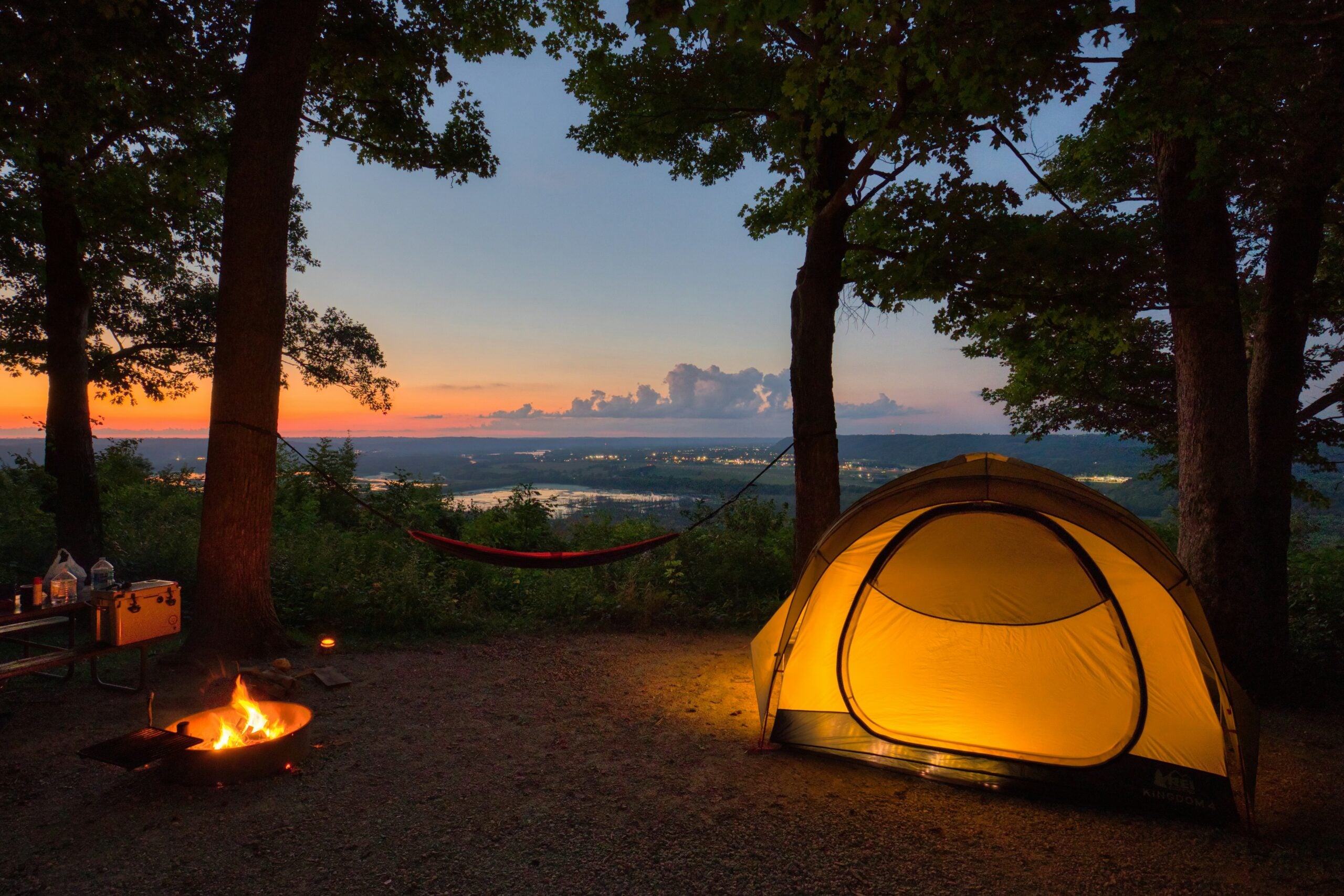
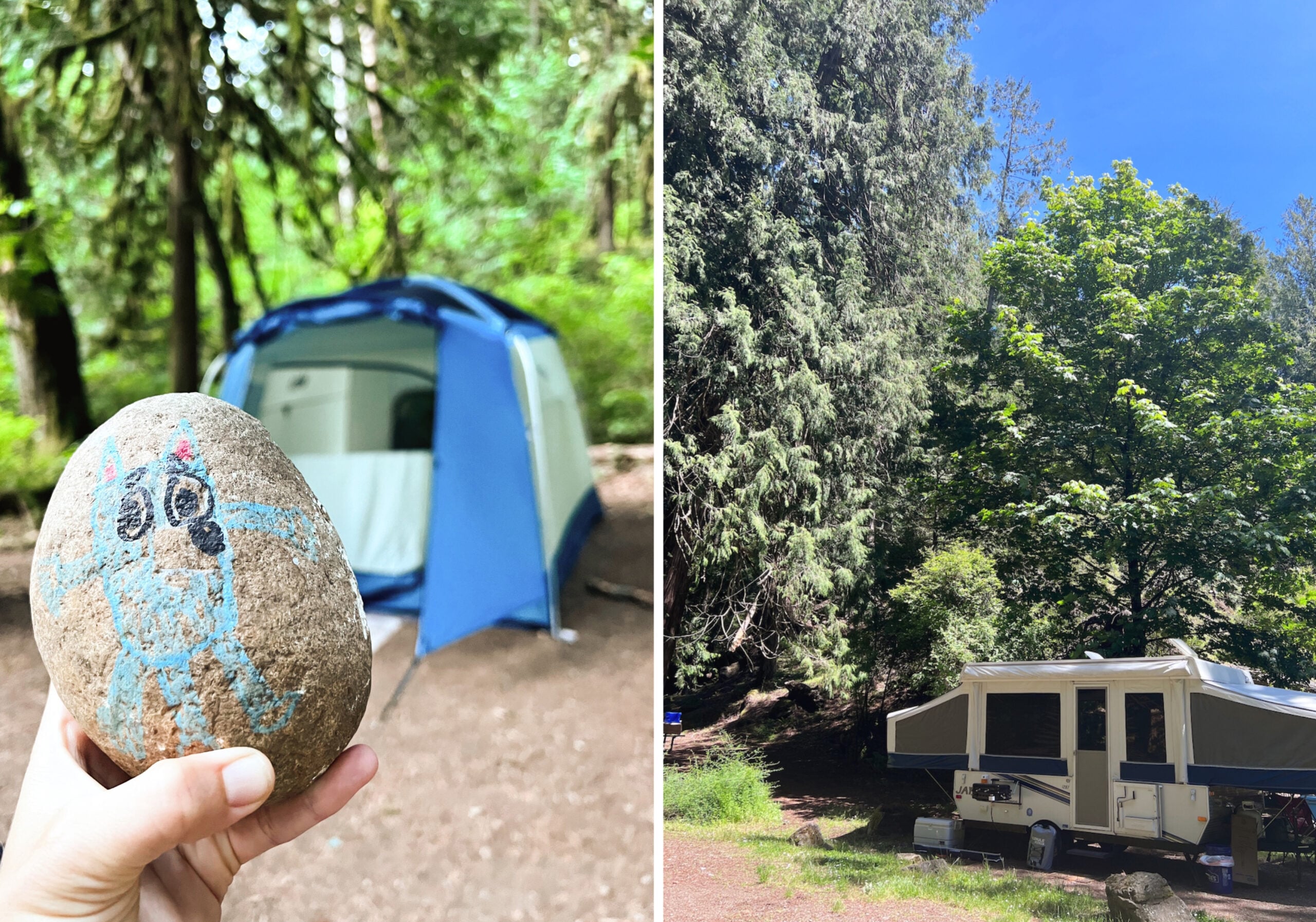
Data suggests that 54% of campers are now millennials or Gen Z, many of whom are navigating the same "learning curve" described by Teer. Furthermore, the industry has seen a 10% increase in the use of "glamping" and RV/pop-up camper options among families with children under the age of 12. This shift toward comfort-oriented camping—what Teer identifies as the transition to a "family-sized tent" or a "used pop-up camper"—is a pragmatic response to the physiological and psychological needs of children, ensuring that the experience remains positive rather than purely a test of endurance.
Educational Frameworks: The Impact of the Junior Ranger Program
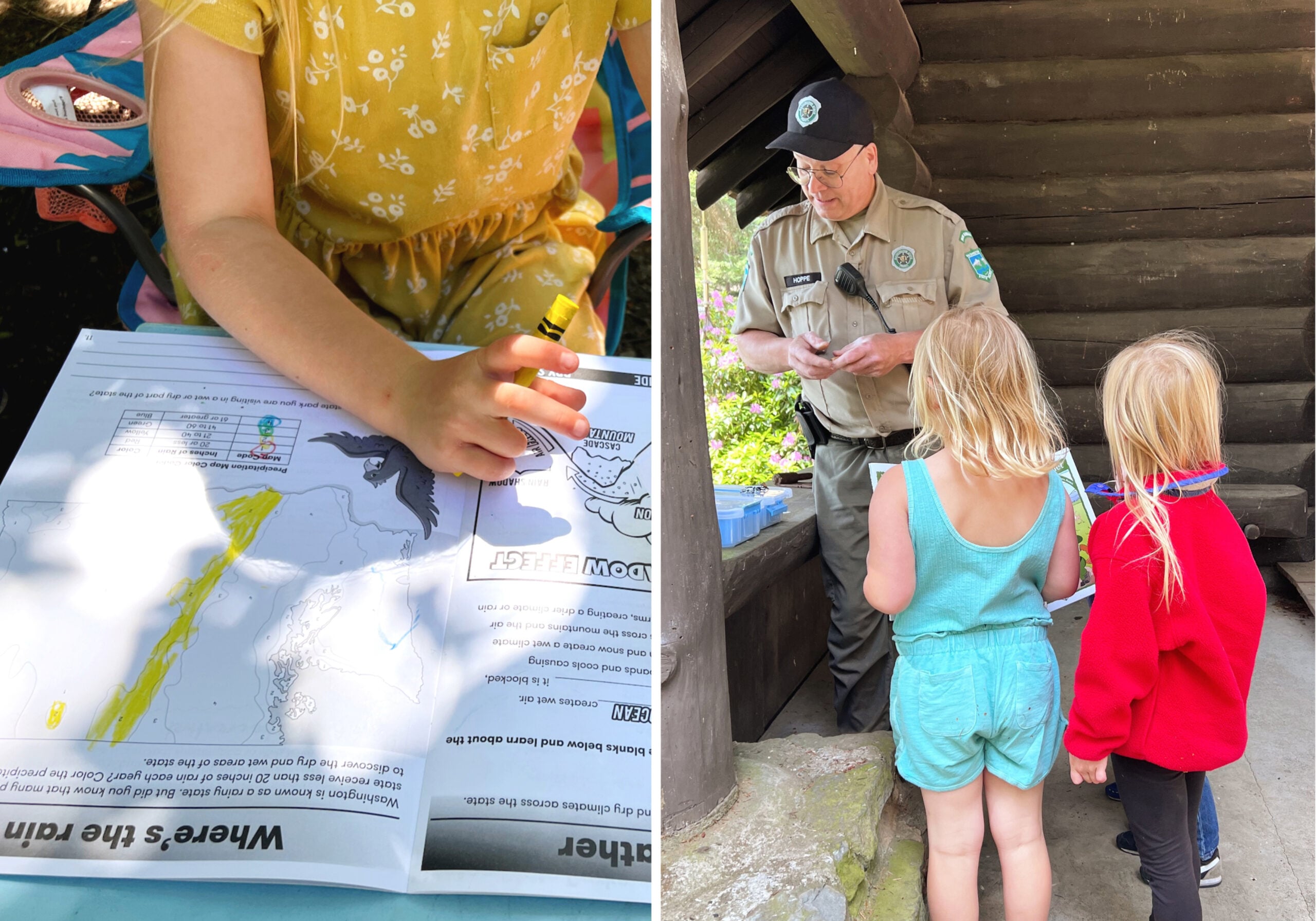
A pivotal element of the modern family camping experience is the integration of formal and informal educational programs. Teer identifies the role of Park Rangers and the "Junior Ranger" program as essential catalysts for child engagement. The Junior Ranger program, a staple of the U.S. National Park Service and various state park systems, is designed to engage children in age-appropriate activities that promote conservation and history.
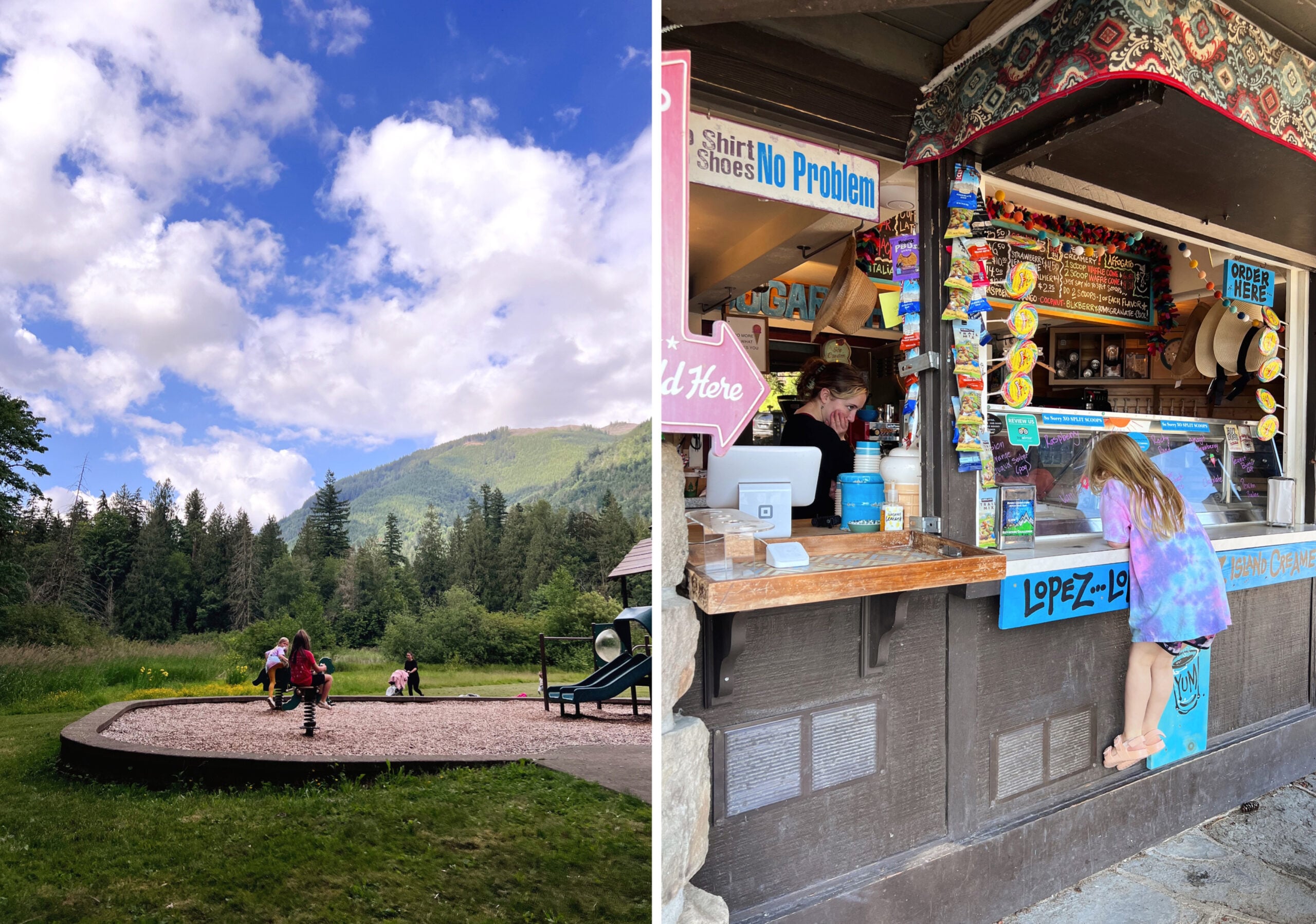
The "swearing-in" ceremonies mentioned by Teer, where children pledge to protect land, waterways, and wildlife, represent more than a simple souvenir badge. Sociological research into "Nature Deficit Disorder," a term coined by author Richard Louv, suggests that these structured interactions with park staff help mitigate the alienation many modern children feel from the natural world. By providing children with tangible goals—such as completing activity booklets and identifying local flora—park systems are successfully cultivating the next generation of environmental stewards. In Washington State specifically, the Department of Natural Resources and State Parks have expanded these programs to meet the rising demand for family-friendly educational content.
Logistical Strategies and the "Group Camping" Phenomenon
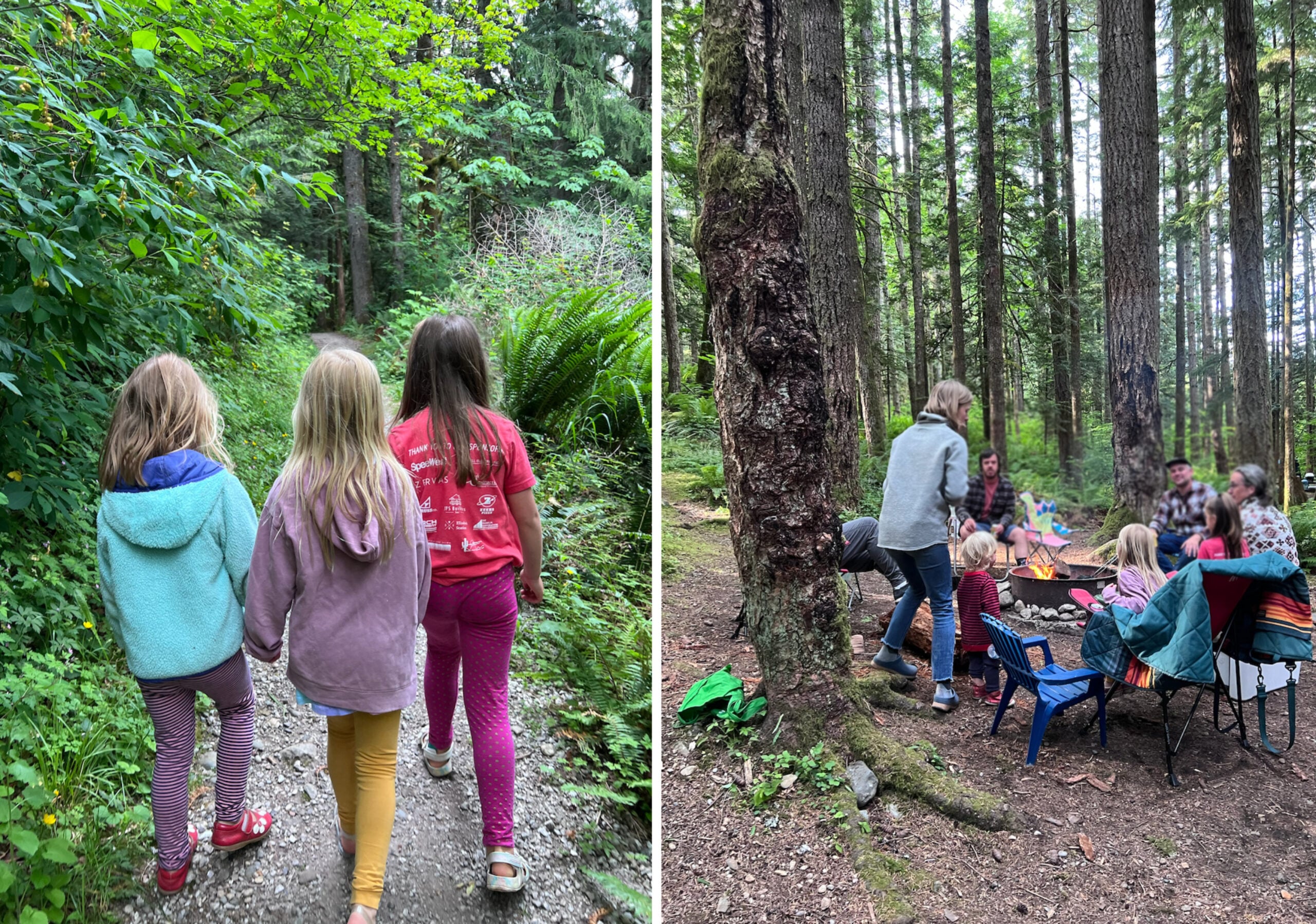
One of the most significant shifts in the camping landscape is the rise of group camping as a social and logistical strategy. Teer notes that annual group trips with friends have become a cornerstone of her family’s summer traditions. This "village" approach to camping offers several measurable benefits:
- Shared Resources: The "potluck" model of meal planning reduces the individual burden on parents and ensures a surplus of essential supplies, such as sunscreen or first-aid materials.
- Safety and Supervision: In a group setting, children often engage in "free-range" play within the safety of a collective perimeter, allowing for peer-to-peer socialization that is often missing in urban environments.
- Economic Efficiency: Group sites often provide a lower per-person cost than multiple individual sites, making outdoor travel more accessible.
Furthermore, the professionalization of packing—utilizing digital checklists and pre-preparing meals—has become a standard practice for successful family campers. Teer’s use of a "Notes app" to track specific campsite preferences and equipment needs reflects a broader trend toward "precision camping," where data-driven preparation is used to minimize the unpredictability of the wilderness.
Analysis of Implications: Resilience and Memory Formation
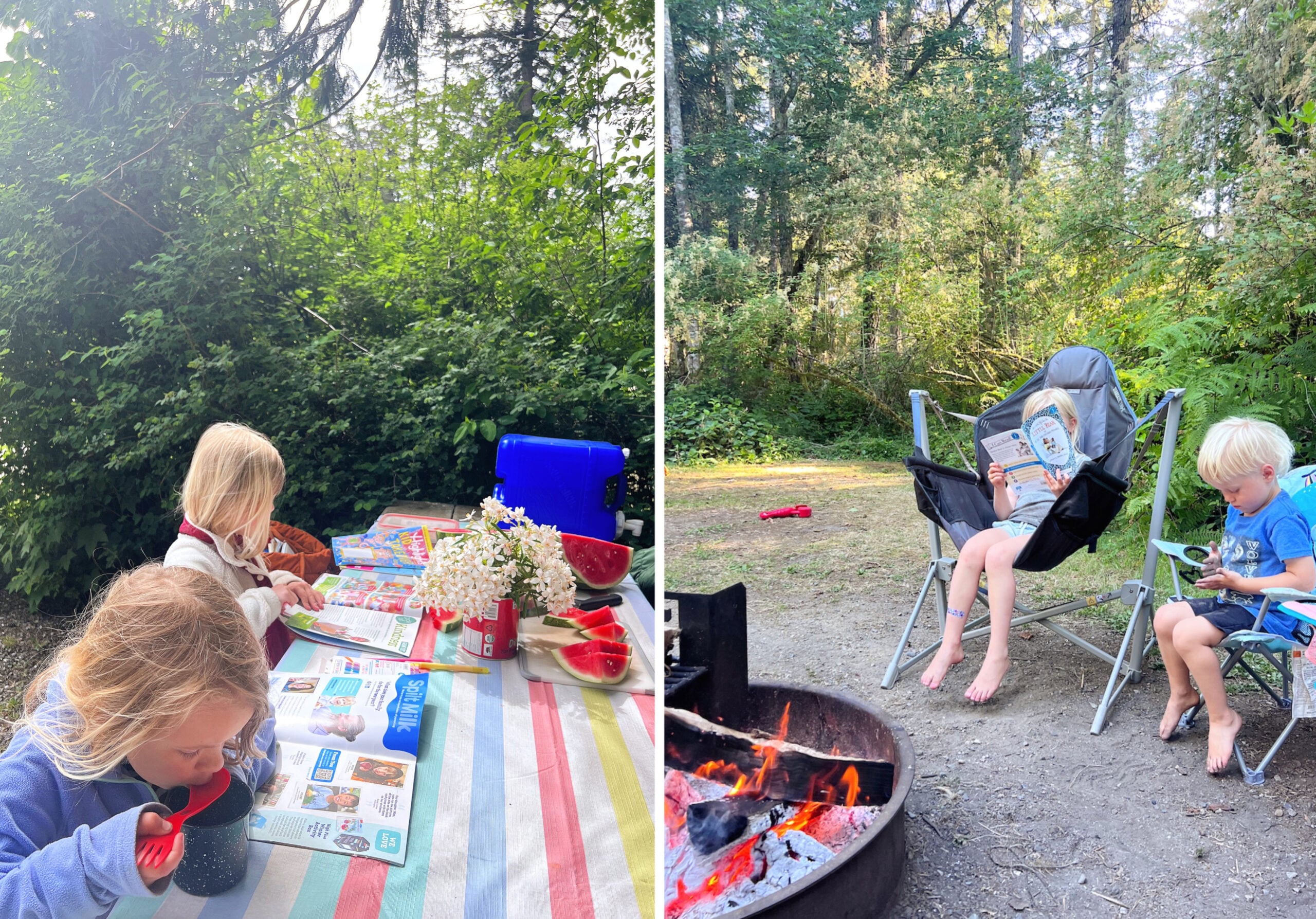
The broader impact of family camping extends beyond the immediate vacation. Psychologically, the "good stuff" that children remember—the stars, the hot cocoa, the audiobooks—serves as a foundation for long-term resilience. Teer’s observation that children tend to filter out the "miserable" aspects of a trip, such as rain or minor injuries, is supported by the concept of "Type II Fun," a term often used in outdoor circles to describe experiences that are challenging in the moment but rewarding in retrospect.
From a developmental standpoint, the "controlled discomfort" of camping teaches children adaptability. When a child recognizes that their home ceiling "slants like a tent," it indicates a successful integration of the outdoor experience into their permanent sense of "home." This blurring of the lines between the domestic and the wild is a critical component of environmental literacy.
Broader Context: Motherhood and Climate Change
The publication of Kaitlyn Teer’s Little Apocalypses provides a timely context for these camping reflections. As a senior editor and a writer focused on the intersection of motherhood and climate change, Teer’s advocacy for camping is not merely about leisure; it is about hope. In an era of environmental uncertainty, introducing children to the beauty and fragility of the national forest system is a radical act of optimism.
Industry analysts suggest that as climate change alters the timing and safety of outdoor recreation—with wildfires and extreme heat becoming more prevalent—the "shoulder seasons" of spring and autumn may become the new peak for family camping. The ability of families to adapt their traditions to these changing conditions will be a defining feature of 21st-century outdoor culture.
Conclusion and Future Outlook
The evolution of family camping from a rugged solo pursuit to a community-focused, educational endeavor reflects a maturing outdoor industry. As families like Teer’s continue to document and share their strategies, the barrier to entry for new campers is lowered. The emphasis on park ranger programs, group logistics, and pragmatic gear choices ensures that the "inconsolable" nights of early parenthood can eventually give way to a lifetime of stewardship and shared memory.
As Washington State and other regions continue to invest in their park infrastructures, the focus remains on balancing increased foot traffic with the preservation of the natural resources that draw families to the woods in the first place. For the modern family, the campsite is no longer just a place to sleep; it is a classroom, a community center, and a vital link to the natural world.
