

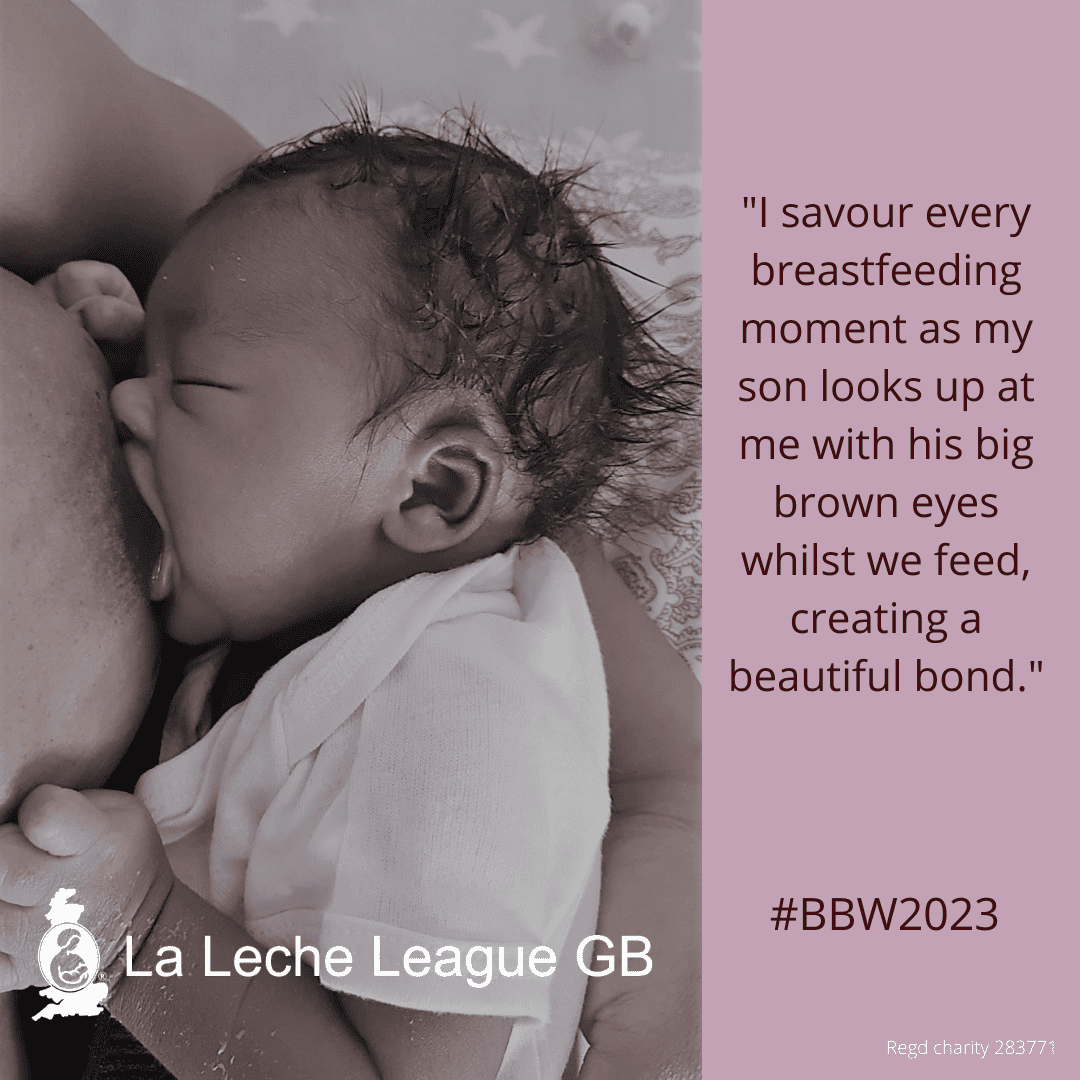
The journey of breastfeeding, often celebrated as a cornerstone of infant nutrition and maternal bonding, frequently presents an intricate tapestry of triumphs and tribulations for new mothers. A recent narrative shared by a member of the La Leche League Great Britain (LLLGB) South East London Group, coinciding with Black Breastfeeding Week 2023, illuminates these complexities, offering a poignant case study of determination, systemic challenges, and the transformative power of dedicated support. This account, initially a personal reflection, underscores broader issues facing breastfeeding mothers, particularly those within marginalized communities, and highlights the urgent need for enhanced education, institutional backing, and community normalization.
A Mother’s Resolve: Learning from Past Challenges
The mother’s initial experience with breastfeeding during her first pregnancy set the stage for a resolute commitment in her second. Her first son, born at 38 weeks and weighing a delicate 5 pounds, necessitated a mixed-feeding approach following recommendations from health visitors to ensure adequate weight gain. Despite her efforts, struggles with latch proved insurmountable, leading to a significant reduction in breastfeeding by the time her son reached nine months. This early experience, marked by both physical difficulty and the emotional weight of perceived inadequacy, fueled a powerful determination to exclusively breastfeed her second child. Recognizing the importance of proactive preparation, she diligently attended various breastfeeding courses and sought advice from friends and cousins who had successfully navigated their own exclusive breastfeeding journeys. This preparatory phase is critical, as studies consistently show that prenatal education and peer support significantly improve breastfeeding initiation and duration rates. Data from the Centers for Disease Control and Prevention (CDC) indicates that mothers who receive professional and peer support are more likely to breastfeed for longer durations, emphasizing the value of such preparatory steps.
The Second Birth: Hope and Immediate Hurdles
Her second son arrived at 41 weeks and one day, via an emergency C-section, weighing a healthy 7 pounds. The immediate post-birth moments were filled with profound joy and empowerment as her newborn instinctively latched onto the breast. This initial success, however, was short-lived. By the second day in the hospital, a stark reality emerged: feeding became excruciatingly painful, signaling an improper latch. Despite initial attempts to seek assistance from midwives and nurses, the mother soon discovered that the overwhelmed hospital staff often lacked the time, and in some instances, the specialized knowledge required to provide effective breastfeeding support. Calls for help with latching issues frequently went unheeded or were met with insufficient guidance, a common lament among new mothers in understaffed healthcare environments. Research published in the Journal of Obstetric, Gynecologic & Neonatal Nursing frequently points to staffing shortages and inadequate training as primary barriers to comprehensive lactation support in hospital settings, impacting both maternal confidence and breastfeeding success rates.
The Crisis at Home: A Desperate Turn
Discharged from the hospital with severely cracked and sore nipples, the mother returned home to face the daunting reality of exclusively breastfeeding an infant in unbearable pain. The evening escalated into a crisis. Unable to physically endure her son’s attempts to feed, and with her baby crying inconsolably, she made a desperate plea to her husband at 1 AM to procure formula. The emotional toll was immense; it was not the act of providing formula that caused distress, but the profound sense of being unheard and unsupported during her hospital stay, leading to this painful and unanticipated situation. This scenario underscores a critical juncture many new mothers face: the gap between the aspiration to breastfeed and the practical, often painful, realities without adequate professional intervention. The World Health Organization (WHO) and UNICEF advocate for continuous, skilled support for mothers to establish and sustain breastfeeding, acknowledging that challenges often arise in the immediate postnatal period. The absence of such support can lead to early cessation of breastfeeding, impacting both maternal mental health and infant nutrition.
A Timely Intervention: The Lifeline of LLLGB
The following morning, a lifeline appeared. A friend, a staunch breastfeeding advocate, immediately provided contact details for the South East London LLLGB Group. Through tears and exhaustion, the mother left a voice message detailing her plight. The response was swift and empathetic: "I’ll come at 6:00 PM this evening." This immediate, personalized offer of help represented a turning point, providing not just practical assistance but also a profound sense of validation and support that had been conspicuously absent in the clinical setting. The La Leche League International (LLLI), founded in 1956, operates globally through volunteer leaders who offer mother-to-mother support, information, and encouragement. Their model emphasizes accessibility and responsiveness, often providing in-home visits and continuous group support, which has proven instrumental in helping mothers overcome breastfeeding obstacles and achieve their feeding goals.
Reclaiming the Journey: Expert Guidance and Community Support
True to her word, the LLLGB Leader arrived that evening, braving a particularly wet March night. With remarkable patience, gentle guidance, and expert wisdom, the leader demonstrated how to establish a proper latch, even on the mother’s severely cracked nipples. Within 20 minutes, through sheer determination, the baby latched successfully and fed. This immediate success was not only a physical relief but also a powerful psychological boost, restoring the mother’s confidence in her ability to breastfeed. Days later, she attended an LLLGB group meeting, where she received further practical advice and emotional support from other women on nipple repair and ongoing breastfeeding techniques. This multi-faceted support system—combining expert one-on-one guidance with the collective wisdom and encouragement of a peer group—proved invaluable. Five months later, her son was healthy, thriving, and exclusively breastfed, a testament to the effectiveness of timely and skilled lactation support.

Navigating Societal Perceptions: Overcoming Skepticism
Beyond the physical and logistical hurdles, the mother also contended with societal and familial skepticism. Despite her successful breastfeeding journey, she encountered negative and often misinformed comments from family members. Some expressed discomfort with breastfeeding in general, while others, observing her "small breasts," erroneously assumed she would be unable to produce sufficient milk. These comments reflect persistent myths and a lack of public understanding surrounding lactation physiology and the normalcy of breastfeeding. Breast size is not an indicator of milk production capacity, as milk is produced based on demand, not breast volume. Such misconceptions can significantly undermine a mother’s confidence and contribute to early cessation. Her achievement of having a healthy, cuddly baby thriving at the top percentile for his age served as a powerful counter-narrative to these unhelpful comments, affirming the biological capability of her body.
The Crucial Role of a Robust Support System
The mother’s successful journey was unequivocally attributed to a network of robust support. Her husband played a pivotal role, not only in providing practical assistance during her moments of crisis but also by recognizing and valuing the immense benefits of breastmilk. Her best friend offered constant encouragement, reinforcing her determination. Most importantly, the LLLGB group provided a "safe space" where she could openly discuss the highs and lows of breastfeeding, free from judgment. The prompt and expert intervention of the LLLGB Leader, who responded to her desperate plea, was the critical turning point that prevented early breastfeeding cessation and enabled her to achieve her feeding goals. This highlights the indispensable role of comprehensive support networks, extending beyond the immediate medical environment into community-based peer support groups.
Broader Implications: The Imperative for Normalization and Enhanced Support
This personal narrative serves as a microcosm of broader challenges and opportunities within the realm of maternal and infant health.
Systemic Gaps in Healthcare: The experience of inadequate support in the hospital setting is not isolated. Many healthcare systems globally struggle with the provision of consistent, evidence-based lactation support due to staff shortages, insufficient training, and competing demands. This systemic failing has significant implications for public health, given the well-documented benefits of breastfeeding for both infants (reduced risk of infections, SIDS, chronic diseases) and mothers (reduced risk of certain cancers, type 2 diabetes, postpartum depression). Addressing these gaps requires sustained investment in lactation consultant training, increased staffing levels, and integrated lactation support within routine postnatal care.
The Power of Peer and Community Support: The LLLGB’s timely intervention exemplifies the critical role of community-based peer support organizations. These groups fill crucial gaps left by formal healthcare systems, offering accessible, empathetic, and continuous support that extends beyond the immediate postnatal period. Their model of mother-to-mother mentorship and expert guidance is invaluable in navigating the often-challenging initial weeks and months of breastfeeding. Public health initiatives should actively partner with and fund such organizations to expand their reach and impact.
Addressing Disparities in the Black Community: The mother’s experience of encountering skeptical comments within her community – such as "surely he isn’t getting enough food; give formula; quickly get him on the bottle you’ve been breast feeding for too long, or go and feed in that corner waaaayyy over there" – underscores specific cultural and historical barriers faced by Black mothers. Black Breastfeeding Week, during which this story was shared, was established precisely to address these disparities. Historically, breastfeeding rates have been lower among Black women in many Western countries due to a complex interplay of factors including historical trauma (e.g., wet nursing during slavery), targeted marketing of formula to Black communities, lack of culturally congruent support, and less access to lactation professionals. According to data from the CDC, in the U.S., Black infants have lower rates of breastfeeding initiation and duration compared to white infants. Normalizing breastfeeding within the Black community requires targeted education campaigns, culturally sensitive support programs, and the visibility of Black breastfeeding role models. It also demands confronting deeply ingrained misconceptions and challenging the stigma often associated with public breastfeeding or prolonged breastfeeding.
A Call to Action for Societal Change: The narrative ultimately issues a powerful call to action: "More needs to be done to normalise breastfeeding and encourage women to believe in the power of their bodies. More support to educate and help mothers during those early days when breastfeeding is hard, when you spend most days glued to the sofa or bed cluster feeding." This encapsulates a broader societal imperative. Normalization involves destigmatizing public breastfeeding, challenging myths, and creating supportive environments in workplaces and public spaces. It also means providing robust, accessible, and continuous support for mothers during the vulnerable early days when breastfeeding is being established.
A Mother’s Triumph and Legacy
Despite the obstacles, the mother chooses to "silence those voices and continue nourishing my child." She savors every breastfeeding moment, cherishing the intimate bond forged as her son gazes up at her with his "big brown eyes." Daily, she expresses gratitude for her body’s ability to feed her child. Her story is not merely one of personal success; it is a powerful affirmation of maternal resilience, the profound impact of compassionate support, and a clear articulation of the systemic and cultural changes still needed to ensure every mother who wishes to breastfeed can do so successfully and without judgment. Her journey, shared during Black Breastfeeding Week 2023, stands as a beacon of hope and a potent reminder of the ongoing work required to empower mothers and foster a truly breastfeeding-supportive society.
