

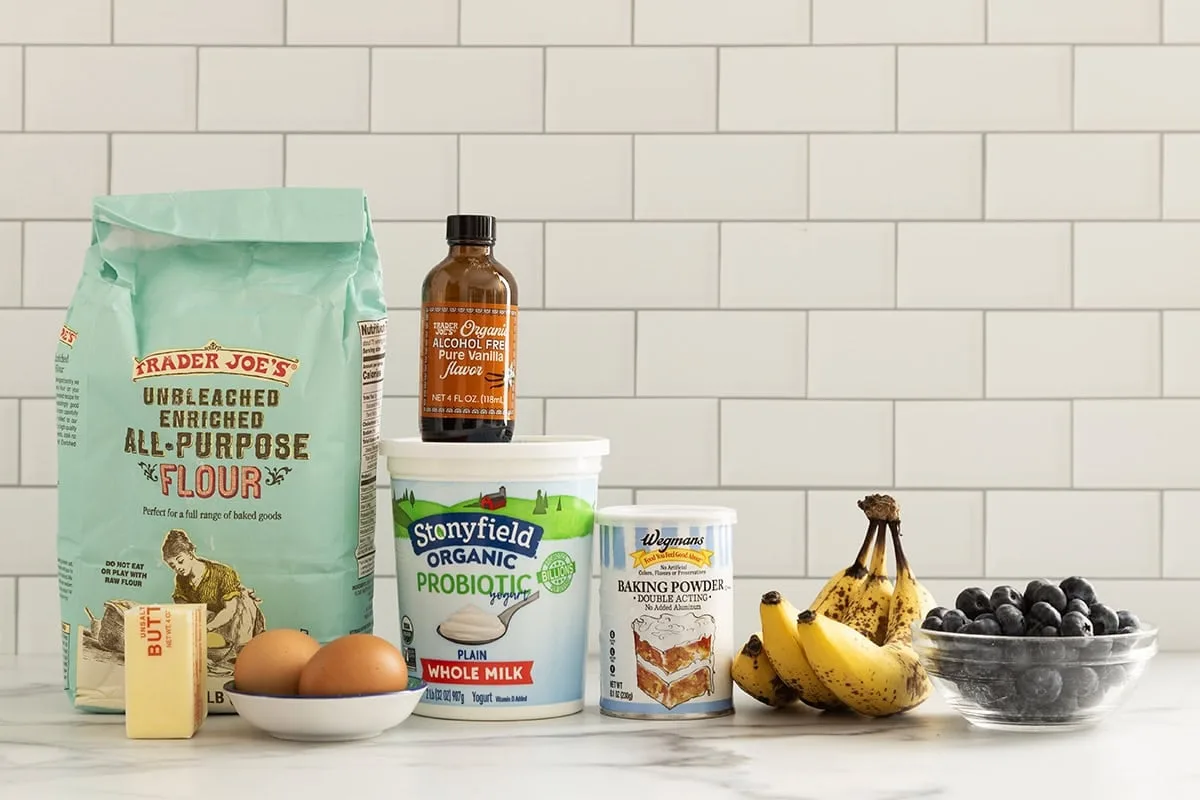
The landscape of early childhood nutrition is undergoing a significant transformation as parents and pediatricians increasingly prioritize whole-food ingredients over processed alternatives. Within this shift, the blueberry banana pancake has emerged as a cornerstone of the modern breakfast repertoire, offering a sophisticated balance of macronutrients and micronutrients tailored for developing toddlers and health-conscious adults alike. This culinary development reflects a broader movement toward "clean label" home cooking, where functional foods—those that provide health benefits beyond basic nutrition—are integrated into daily routines with minimal friction. By utilizing a base of potassium-rich bananas, antioxidant-heavy blueberries, and protein-dense yogurt, these pancakes represent a departure from traditional refined-sugar breakfast cakes, signaling a new era of metabolic-friendly morning meals.
The Shift Toward Nutrient-Dense Morning Meals
Historically, the American breakfast was dominated by high-glycemic carbohydrates and refined sugars, often leading to rapid spikes in blood glucose followed by lethargy. For toddlers, whose cognitive development and energy levels are highly sensitive to nutritional intake, this cycle can be particularly disruptive. The transition to recipes such as blueberry banana pancakes is supported by data from the American Academy of Pediatrics (AAP), which recommends limiting added sugars for children under the age of two. By leveraging the natural fructose and fiber found in overripe bananas, these pancakes provide a sweet palate experience without the need for processed sweeteners, thereby aligning with global health mandates to reduce early-life sugar dependency.
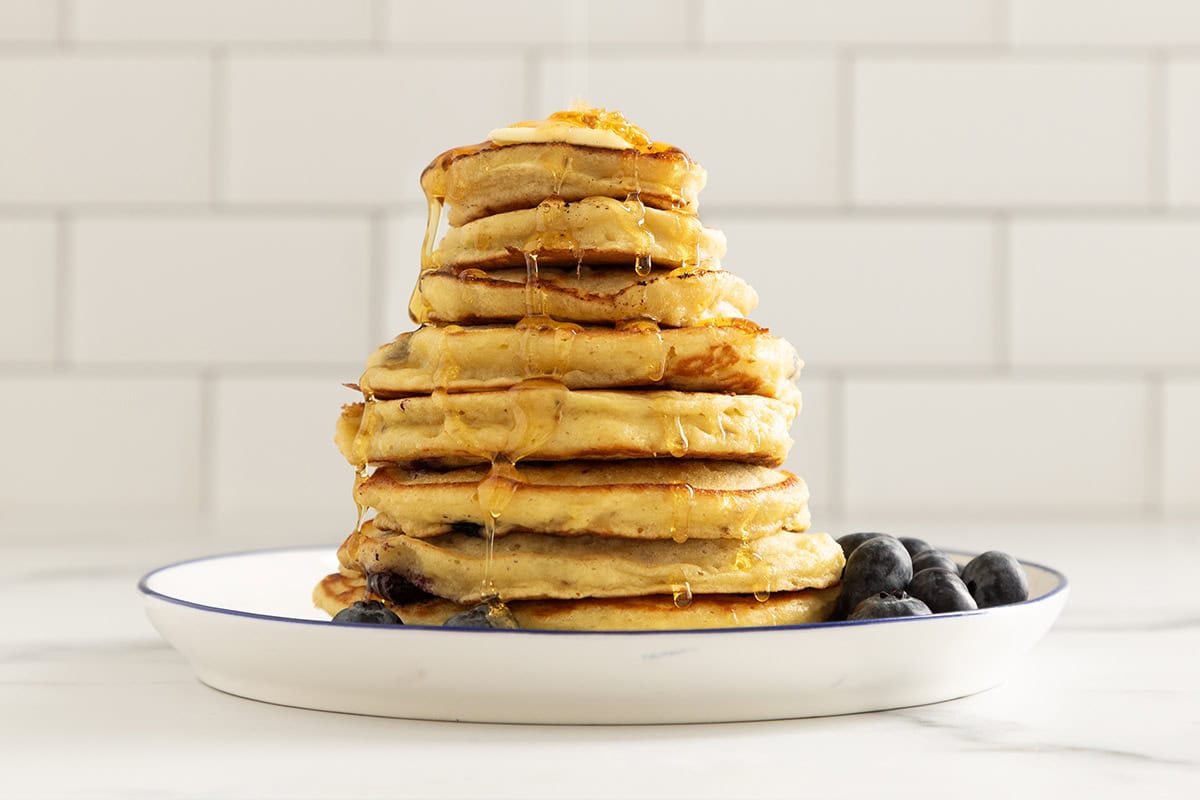
Furthermore, the integration of blueberries introduces anthocyanins—a type of flavonoid with potent antioxidant properties. Research published in various nutritional journals suggests that these compounds support cardiovascular health and may enhance cognitive function. When combined with the dietary fiber found in both the fruit and the whole-grain flours often used in these preparations, the resulting meal supports digestive regularity, a common concern in pediatric health.
A Chronological Overview of Pancake Innovation
The evolution of the pancake from a simple flour-and-water galette to the modern blueberry banana variant follows a distinct timeline of culinary and health-conscious milestones.
- Pre-1950s: The Traditional Era. Pancakes were primarily viewed as a high-calorie fuel source for physical labor, consisting of white flour, lard or butter, and heavy syrups.
- 1960s–1980s: The Convenience Era. The rise of boxed mixes and "just add water" formulations prioritized shelf life and speed over nutritional density. This period saw an increase in synthetic preservatives and sodium levels in breakfast foods.
- 1990s–2000s: The Whole Grain Movement. Increased awareness of fiber led to the introduction of buckwheat and whole wheat varieties, though these were often criticized for their dense, unappealing textures.
- 2010s: The Superfood Integration. The "toddler food" movement began to gain traction, with bloggers and nutritionists experimenting with hidden vegetables and fruit-based batters. The "two-ingredient pancake" (egg and banana) became a viral sensation but often lacked the structural integrity needed for a satisfying meal.
- 2020–Present: The Functional Balance. Modern recipes, like the blueberry banana yogurt pancake, have perfected the ratio of moisture to structure. By incorporating yogurt and mashed fruit, cooks have achieved a texture that is "tender enough for a baby and yummy enough for a toddler," solving the textural issues of previous decades while maximizing nutrient profiles.
Detailed Ingredient Analysis and Biochemical Interactions
The success of the blueberry banana pancake is not merely a matter of taste but a result of specific biochemical interactions between its components.
The Role of Bananas as a Structural and Sweetening Agent
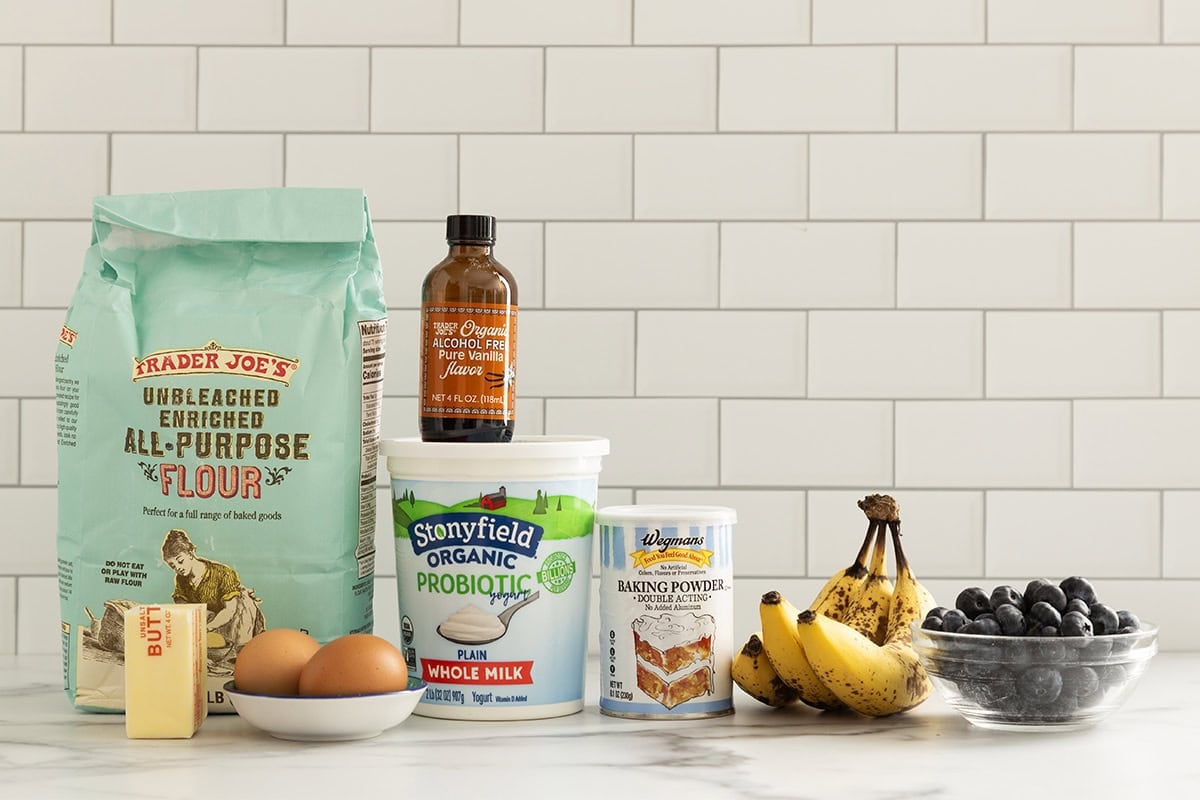
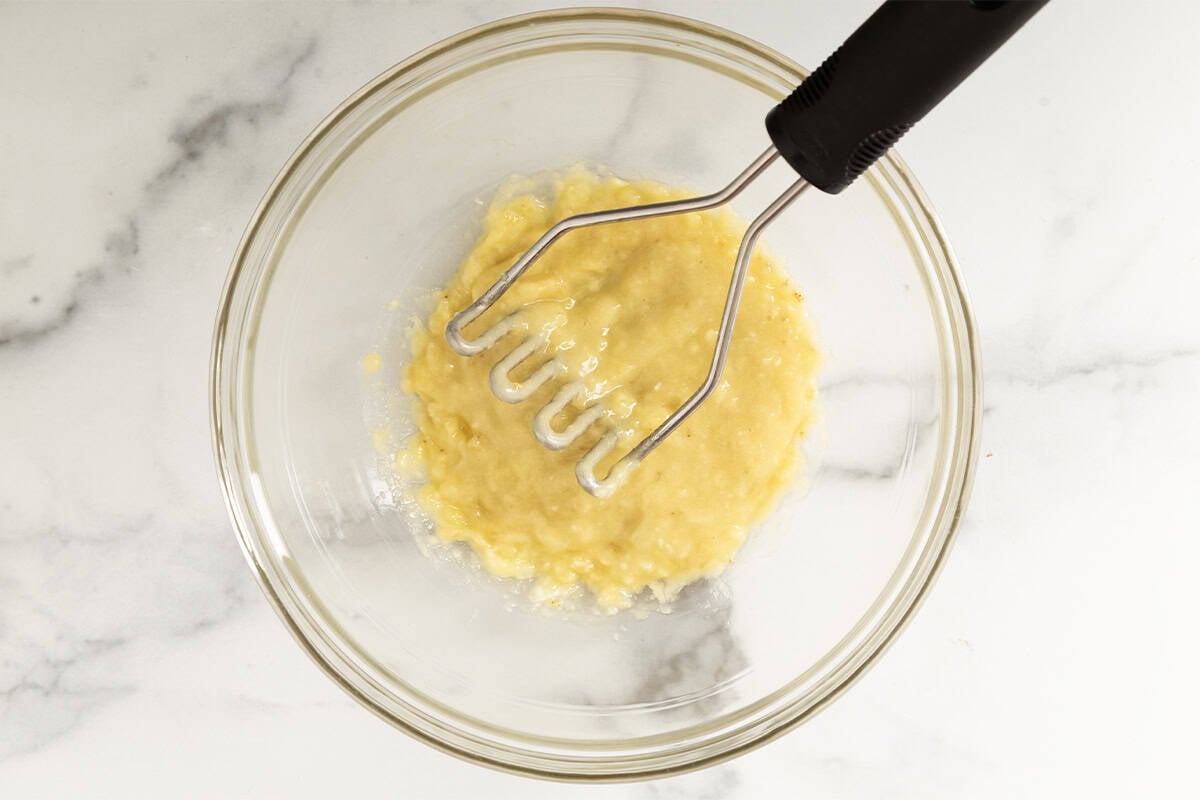
Bananas serve a dual purpose. Biochemically, as a banana ripens, its starch converts into sugar, providing a natural sweetness that eliminates the need for sucrose. Structurally, the pectin in the fruit acts as a binder, which is essential in gluten-free or low-gluten variations. The high potassium content (approximately 422 mg per medium banana) supports nerve function and muscle health, making it an ideal ingredient for growing children.
Yogurt: The Secret to Leavening and Protein Density
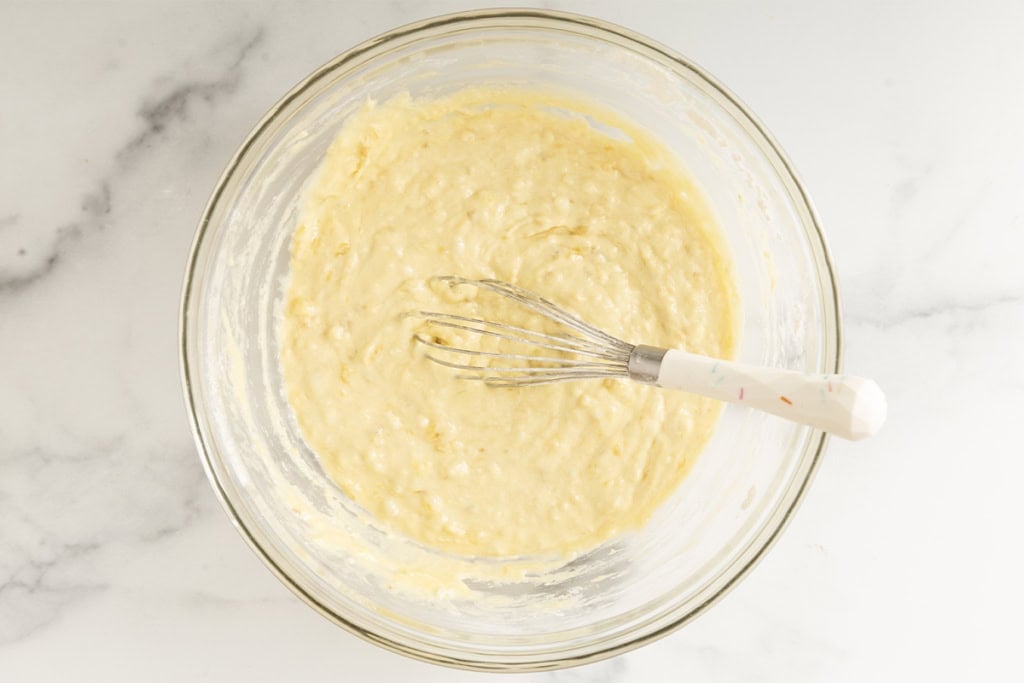
The inclusion of yogurt is a significant upgrade from traditional milk-based batters. The lactic acid in yogurt reacts with leavening agents like baking powder or baking soda to produce carbon dioxide more efficiently, resulting in a fluffier texture. From a nutritional standpoint, yogurt contributes calcium for bone development and high-quality protein, which increases satiety. This ensures that children remain full and focused during school or play hours, preventing the "mid-morning crash" associated with low-protein breakfasts.
Blueberries and Micronutrient Synergy
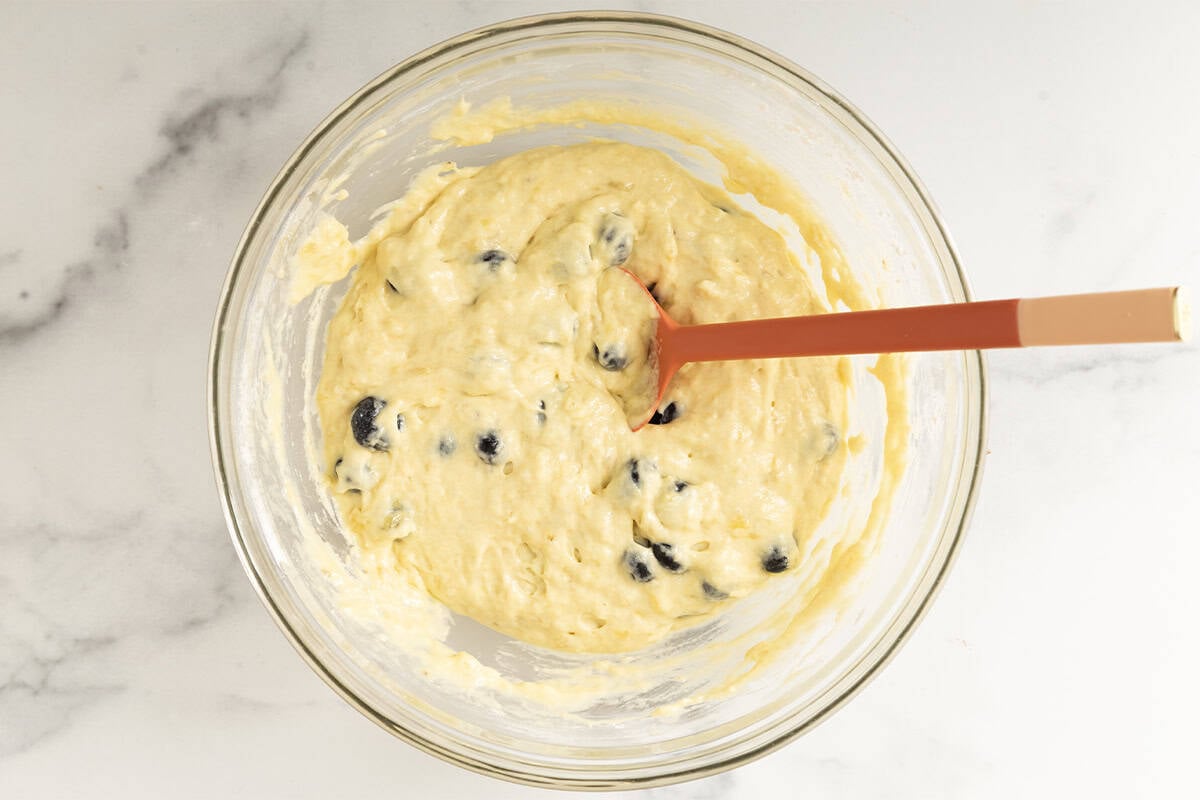
When blueberries are heated within the batter, their cellular walls break down, releasing juice that permeates the pancake with vitamins C and K. The synergy between the vitamin C in the berries and the iron found in many flour bases enhances iron absorption—a critical factor in preventing pediatric anemia.
Operational Efficiency: Skillet versus Sheet-Pan Methodologies
As modern families face increasing time constraints, the methodology of preparing blueberry banana pancakes has adapted to include high-efficiency techniques. While the traditional skillet method remains the gold standard for achieving a "crisp-edge" texture, the "sheet-pan pancake" has emerged as a professional-grade solution for batch cooking.
The Skillet Method
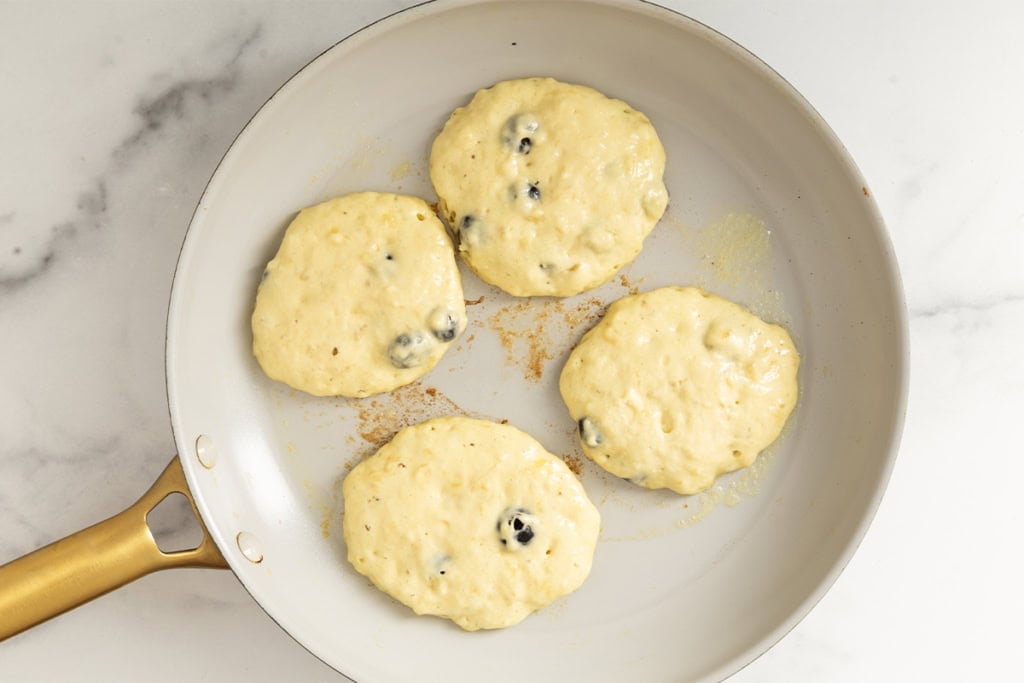
This method requires active participation, with the cook monitoring for the formation of bubbles—a physical indicator that the leavening gas has expanded and the bottom has set. This technique allows for individualized portion sizes and the ability to customize the density of blueberries in each cake.
The Sheet-Pan Method
By pouring the blueberry banana batter onto a large, rimmed baking sheet and baking it in the oven, parents can produce 12 to 16 servings simultaneously. This eliminates the need for constant flipping and allows the cook to attend to other morning tasks. Analysis of meal-prep trends indicates that sheet-pan cooking reduces active kitchen time by approximately 60%, making it a preferred strategy for working households.
Addressing the Global Challenge of Early Childhood Sugar Consumption
Health organizations worldwide have sounded the alarm regarding the long-term impacts of high sugar consumption in early childhood, citing links to obesity, Type 2 diabetes, and dental caries. The blueberry banana pancake serves as a practical intervention in this crisis. By offering a "naturally sweet" alternative, parents can transition children away from the expectation of hyper-palatable, sugar-laden cereals.
Nutritional data suggests that a standard blueberry banana pancake contains approximately 11g of sugar, most of which is intrinsic (occurring naturally in the fruit), compared to the 20-30g of added sugar found in many commercial breakfast pastries. This reduction is vital for "palate training," a process where children are exposed to the subtle flavors of whole foods, reducing their preference for ultra-processed snacks later in life.
Economic and Sustainability Implications of Home-Prepared Foods
Beyond health, the rise of fruit-based pancake recipes has economic and environmental implications.
Food Waste Reduction
The United Nations estimates that one-third of all food produced for human consumption is lost or wasted. Bananas are among the most frequently discarded items due to cosmetic bruising or over-ripening. These pancakes provide a high-value use for "past-prime" fruit, directly contributing to household waste reduction.
Cost-Effectiveness
A comparative analysis of cost-per-serving reveals that homemade blueberry banana pancakes are significantly more affordable than organic, pre-packaged "toddler waffles" or frozen breakfast items. By purchasing staples like yogurt and flour in bulk and utilizing seasonal or frozen blueberries, families can provide a nutrient-dense meal at a fraction of the retail price of processed alternatives.
Long-term Health Trajectories and Palate Development
The broader impact of adopting such recipes lies in the establishment of long-term health trajectories. Childhood is a critical window for the development of the microbiome and the regulation of metabolic pathways. The fiber and probiotics associated with this recipe support a diverse gut environment, which is increasingly linked to immune system strength and mental health.
In statements regarding pediatric nutrition, experts often emphasize the "division of responsibility" in feeding: the parent provides the healthy food, and the child decides how much to eat. By providing a food that is both nutritionally dense and high in "crave-ability," parents remove the friction often associated with healthy eating. The blueberry banana pancake is more than a recipe; it is a tool for behavioral change, proving that the requirements of health and the desires of the palate are not mutually exclusive.
Conclusion: The Future of the Family Breakfast
The Blueberry Banana Pancake stands as a testament to the power of thoughtful ingredient selection and culinary versatility. Whether served fresh from a skillet or reheated from a freezer-safe container, it meets the demands of the modern lifestyle while refusing to compromise on the nutritional needs of the next generation. As data continues to support the importance of a high-protein, low-added-sugar start to the day, it is likely that such fruit-and-yogurt-based staples will become the standard, rather than the exception, in kitchens across the globe. This evolution in breakfast reflects a society that is becoming more informed, more efficient, and more dedicated to the long-term well-being of its youngest members.
