

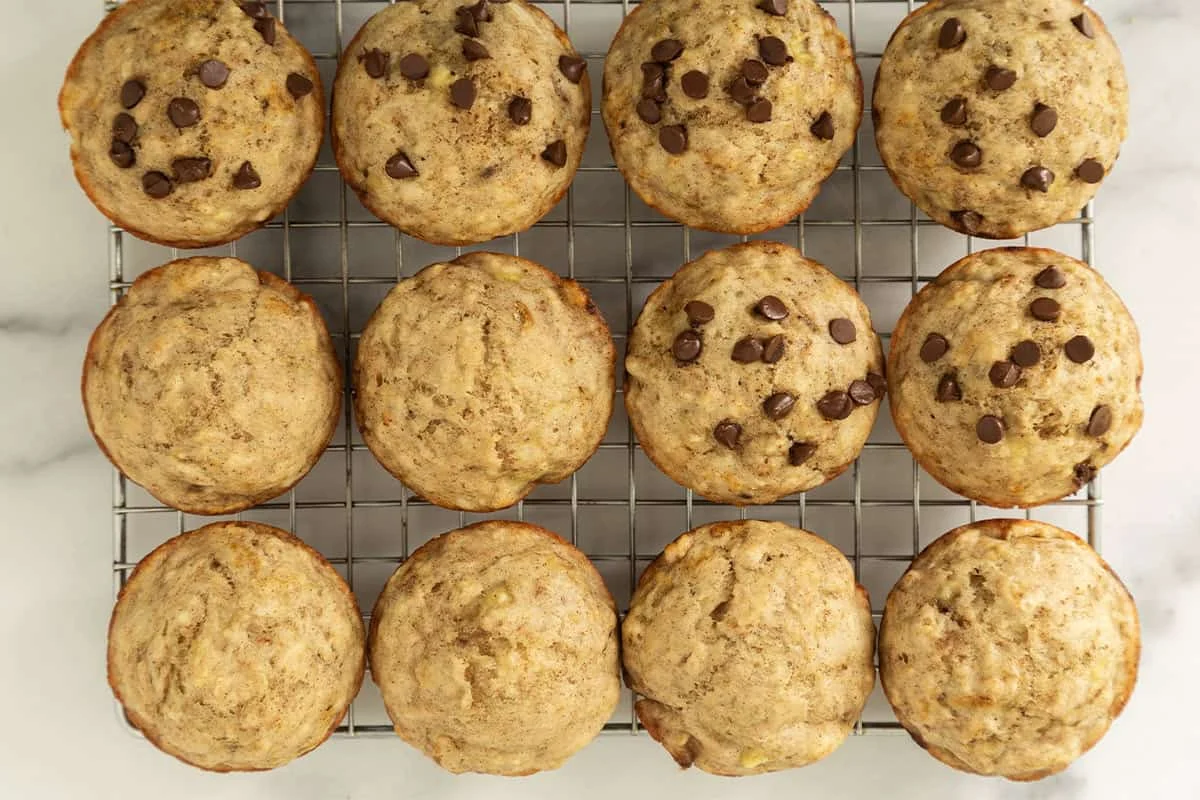
The landscape of childhood nutrition is undergoing a significant shift as families increasingly seek recipes that accommodate dietary restrictions without sacrificing flavor or texture. Eggless Banana Muffins have emerged as a cornerstone of this movement, providing a versatile solution for households managing egg allergies or those seeking to reduce animal product consumption. These muffins are characterized by their use of ripe bananas and yogurt to achieve a fluffy consistency traditionally provided by eggs, making them an essential staple for breakfast, school lunches, and mid-afternoon snacks.
The Rising Demand for Allergy-Conscious Baking
Food allergies in children have become a primary concern for pediatricians and parents alike. According to data from the American College of Allergy, Asthma, and Immunology, egg allergies are among the most common food allergies in children, second only to milk allergies. While many children outgrow these sensitivities by age 16, the immediate need for safe, nutrient-dense foods remains a daily challenge for millions of households.
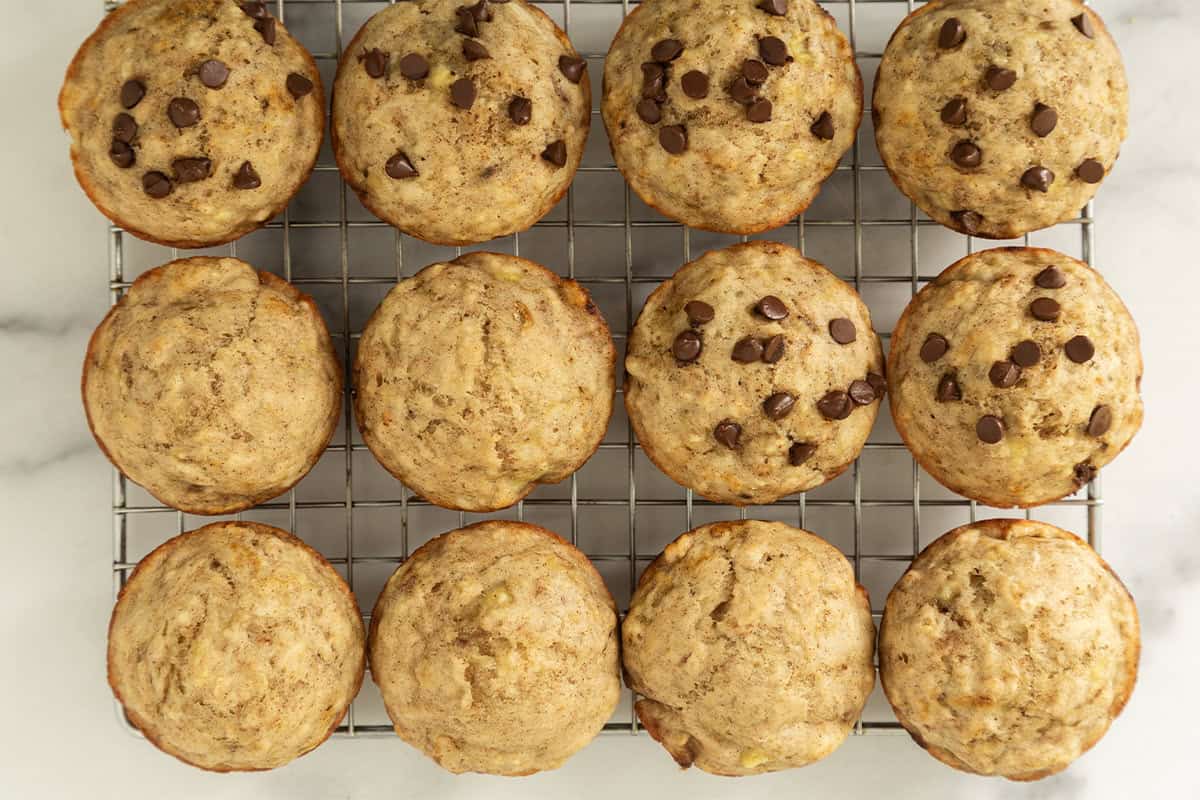
The development of the eggless banana muffin recipe addresses this specific demographic. By removing the egg—a common allergen and a primary leavening agent—and replacing it with a combination of mashed bananas and yogurt, the recipe provides a structural integrity that mimics traditional baked goods. This evolution in home baking reflects a broader trend toward inclusivity in food preparation, ensuring that children with dietary restrictions can enjoy the same snacks as their peers.
Nutritional Composition and Ingredient Analysis
The success of eggless baking relies heavily on the chemical properties of its substitutes. In this specific formulation, each ingredient serves a dual purpose: providing flavor and maintaining the muffin’s structural "crumb."
- Bananas as a Binder: Ripe bananas are the primary flavoring agent, but they also function as a binder. The natural starches and sugars in bananas provide moisture and help hold the flour together. From a nutritional standpoint, bananas contribute essential potassium, vitamin B6, and dietary fiber.
- Yogurt as a Leavening Aid: In the absence of eggs, yogurt acts as an acidic component that reacts with baking soda to create carbon dioxide bubbles. This reaction is what allows the muffins to rise and remain "fluffy" rather than dense. Yogurt also adds a subtle tang and increases the protein and calcium content of the final product.
- Fat Sources: The use of melted butter or oil provides the necessary lipids for a tender mouthfeel. For families seeking a strictly vegan option, plant-based butters or coconut oil serve as effective alternatives.
- Whole Grain Integration: While the base recipe often calls for all-purpose flour, many nutritional experts suggest a 50/50 split with whole wheat flour to increase the complex carbohydrate profile, which provides more sustained energy for active toddlers.
According to nutritional analysis, a single serving of these muffins contains approximately 120 calories, 19 grams of carbohydrates, and 2 grams of protein. With only 4 grams of sugar (depending on the ripeness of the bananas), they present a significantly healthier profile than commercially processed muffins, which often exceed 20 grams of sugar per serving.
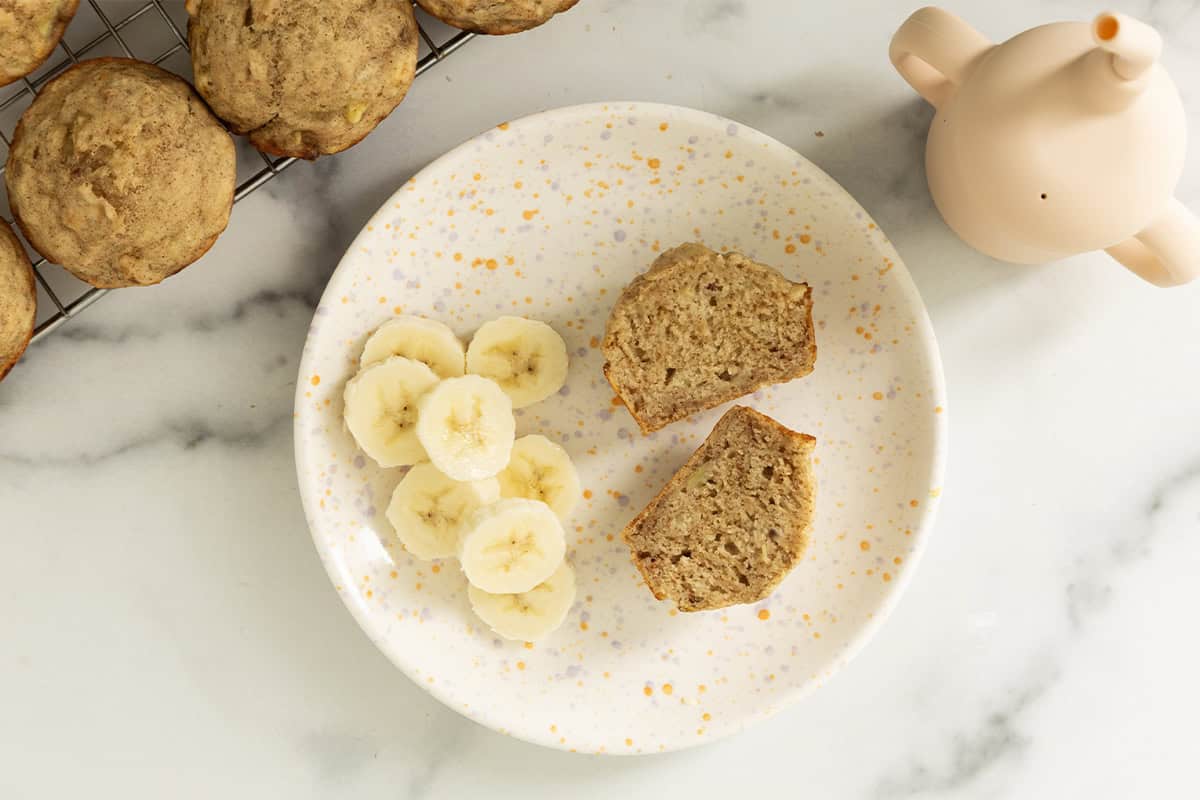
Chronology of Preparation: From Countertop to Table
The preparation of Eggless Banana Muffins is designed for efficiency, catering to the time constraints of modern parenting. The "one-bowl method" minimizes cleanup and reduces the total preparation time to under 35 minutes.
Phase 1: Preparation and Mashing (0–5 Minutes)
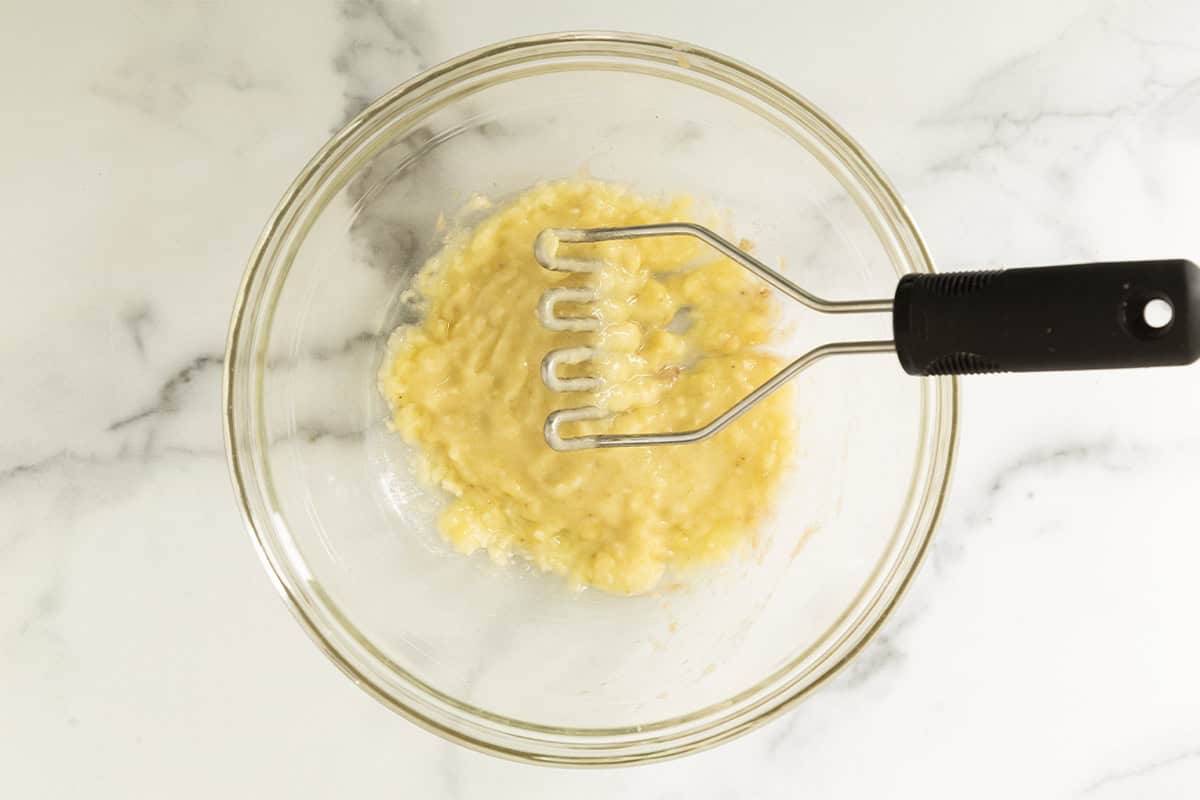
The process begins with the selection of bananas. For optimal sweetness and ease of mashing, bananas should be "overripe," featuring brown spots on the peel. These are mashed using a potato masher or a fork until they reach a smooth, liquid-like consistency.
Phase 2: Incorporating Wet Ingredients (5–10 Minutes)
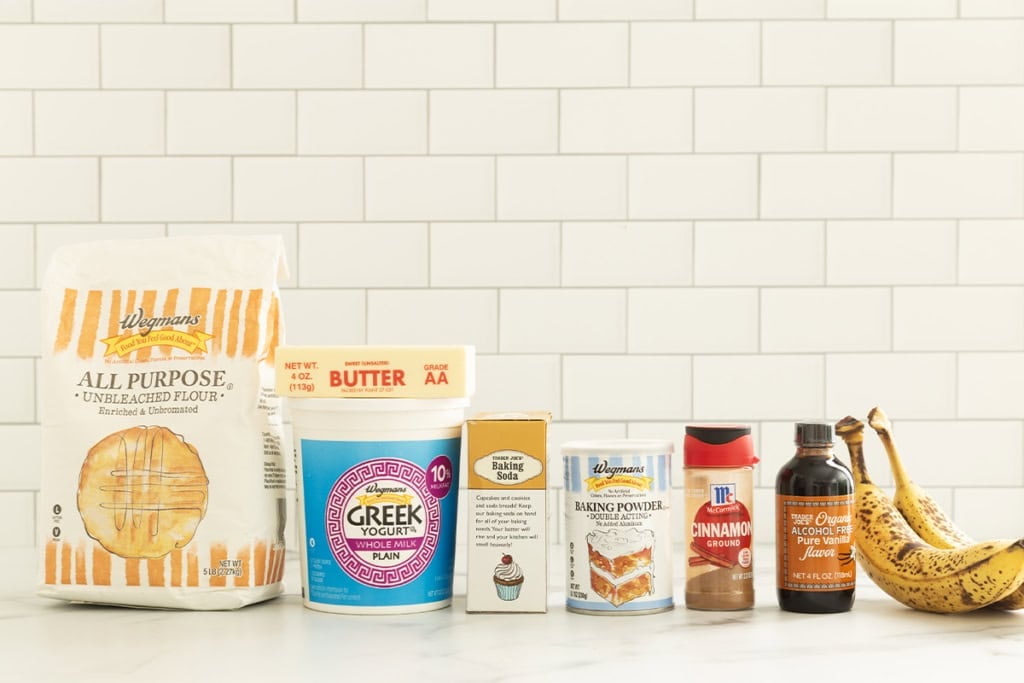
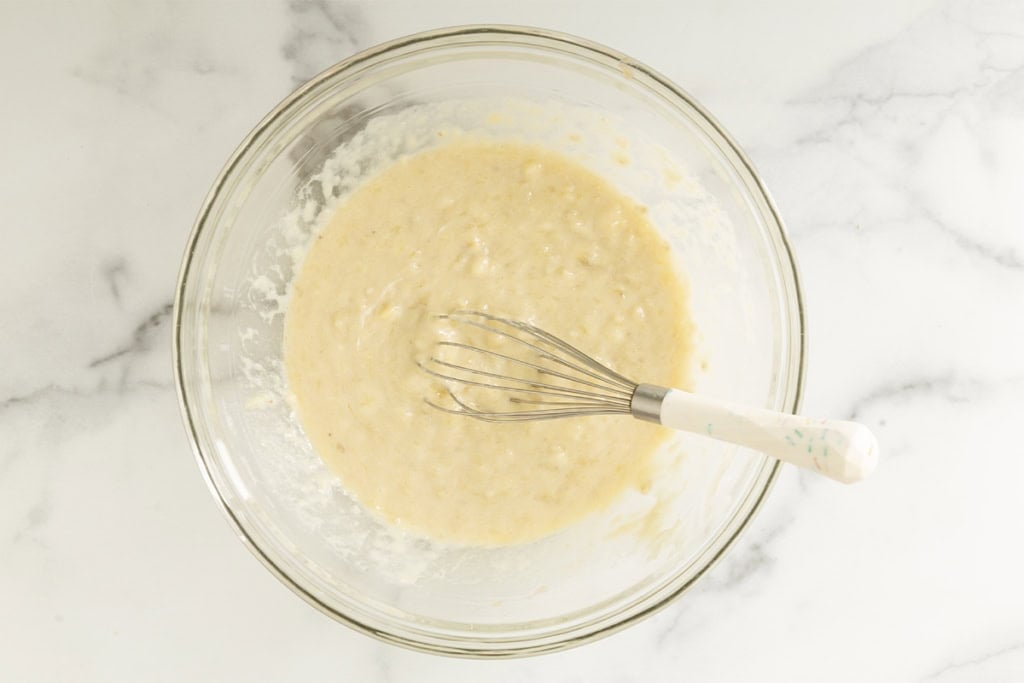
Melted butter (cooled slightly), yogurt, and vanilla extract are folded into the banana base. This creates a homogenous wet mixture that ensures the leavening agents will be distributed evenly in the next step.
Phase 3: Dry Ingredient Integration (10–15 Minutes)
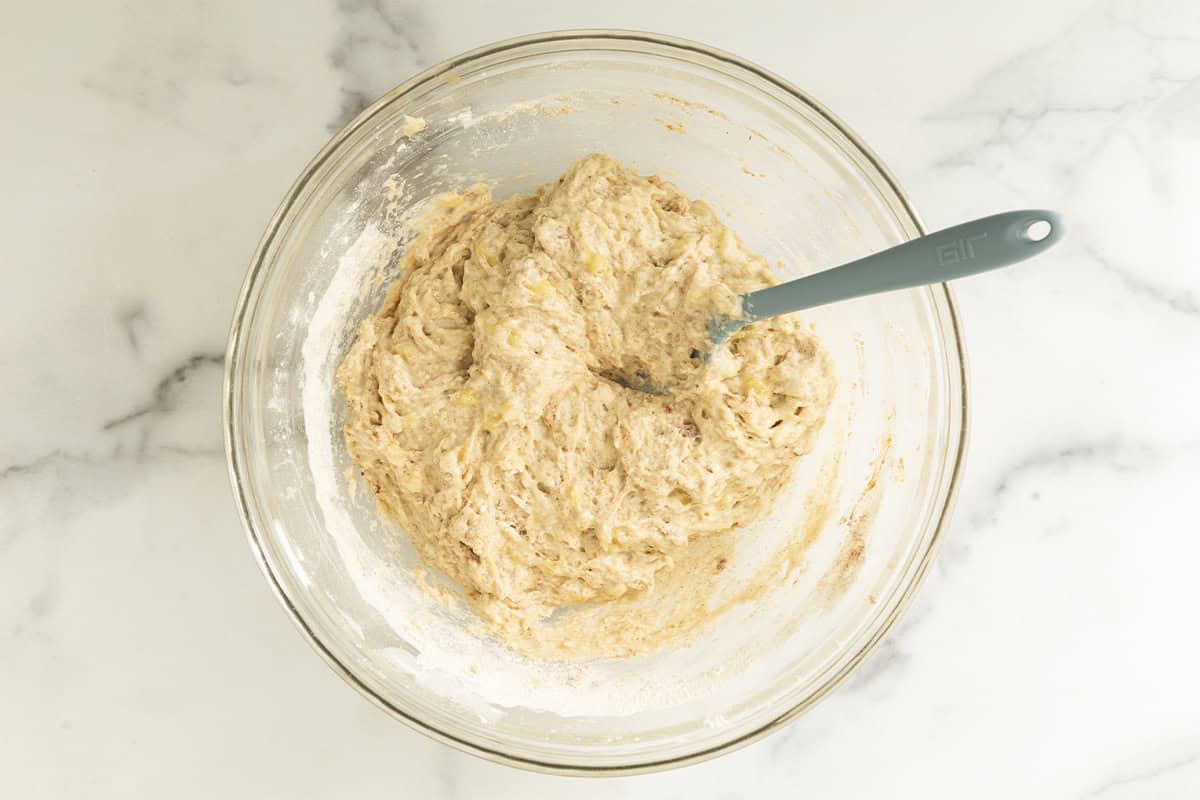
Flour, baking powder, baking soda, salt, and optional cinnamon are sifted or stirred into the bowl. Professional bakers emphasize the "folding" technique at this stage; over-mixing the batter can lead to gluten development, resulting in a tough, rubbery muffin rather than a light one.
Phase 4: Baking and Cooling (15–35 Minutes)
The batter is divided into a prepared muffin tin. The muffins are baked at 350°F (175°C) for approximately 18 to 22 minutes. The "toothpick test" remains the gold standard for determining doneness in eggless baking, as the lack of egg can sometimes make the center appear moister than traditional recipes.
Strategic Customization for Varied Palates
One of the primary advantages of this recipe is its adaptability. Modern nutritional science emphasizes "food exposure" for children, and these muffins serve as a vehicle for various inclusions:
- Protein Boost: Adding minced walnuts or pecans can increase healthy fats and protein, though these should be avoided for school environments with nut-free policies.
- Antioxidant Integration: Fresh or frozen blueberries can be folded into the batter to provide vitamin C and antioxidants.
- Reduced Sugar Options: Because ripe bananas are naturally high in fructose, many parents choose to omit added granulated sugar entirely, relying on the fruit’s natural sweetness.
- Textural Variety: The addition of chocolate chips or shredded coconut can make the muffins more appealing to "picky eaters," serving as a bridge to more nutrient-dense whole foods.
Storage and Food Safety Implications
Because eggless muffins rely on high moisture content from fruit and yogurt, their shelf life and storage requirements differ slightly from standard baked goods.
Short-term Storage: At room temperature, the muffins remain fresh for up to three days when kept in an airtight container. However, in humid environments, the high moisture content may lead to surface stickiness.
Refrigeration: Storing the muffins in the refrigerator extends their life to five days. It is noted that refrigeration can firm up the texture; therefore, a brief 15-second warming in the microwave is recommended to restore the original fluffiness.
Long-term Preservation: These muffins are exceptionally "freezer-friendly." When stored in a vacuum-sealed or zip-top bag with excess air removed, they maintain their quality for up to six months. This allows parents to "bulk bake," creating a ready-made supply of snacks that can be thawed in a lunchbox by midday.
Broader Impact on School Nutrition and Inclusion
The rise of recipes like the Eggless Banana Muffin has broader implications for institutional food policies. Many preschools and elementary schools have moved toward "common allergen-free" zones. By providing a recipe that is naturally egg-free and easily made nut-free, parents can contribute to classroom celebrations or shared snacks without endangering students with severe allergies.
Furthermore, the shift toward home-baked snacks addresses the growing concern over "ultra-processed foods" (UPFs). A 2023 study published in The Lancet highlighted the correlation between high UPF consumption in early childhood and long-term metabolic issues. By controlling the ingredients—specifically the type of flour and the amount of sodium and sugar—families can significantly improve the nutritional trajectory of their children.
Expert Analysis of the "Egg-Free" Trend
Industry analysts suggest that the popularity of egg-free baking is not merely a response to allergies but also a reaction to economic fluctuations. The "Avian Flu" outbreaks of recent years caused significant spikes in egg prices globally, leading many consumers to seek "pantry-staple" alternatives.
"The Eggless Banana Muffin represents a intersection of necessity and preference," says a food industry analyst. "It utilizes fruit that might otherwise go to waste, avoids expensive or volatile ingredients like eggs, and meets the high standards for ‘clean label’ eating that modern parents demand."
As families continue to navigate the complexities of modern dietetics, the Eggless Banana Muffin stands as a testament to the fact that restricted diets do not have to be restrictive in terms of joy or nutrition. It remains a definitive example of how simple, whole-food ingredients can be engineered to solve complex modern problems, one muffin at a time.
