

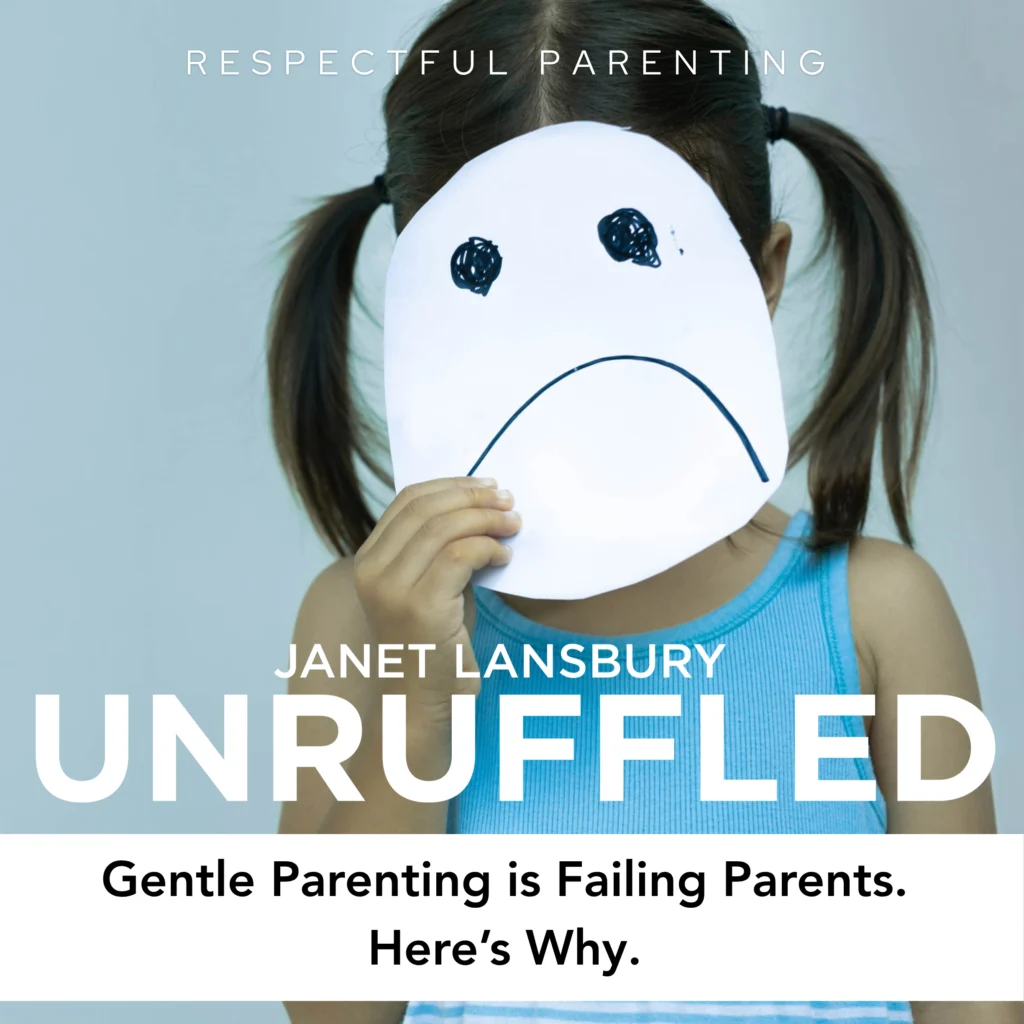
In an era where parents increasingly seek harmonious family dynamics, the popular parenting philosophy known as "gentle parenting" is facing significant scrutiny. Many parents report feeling exhausted, overwhelmed, and uncertain about their capabilities, leading to a growing sentiment that this approach, once hailed as a solution for peaceful child-rearing, is instead contributing to parental burnout and a sense of inadequacy. Experts suggest that the issue may not lie with the core desire for a positive parent-child relationship, but rather in the practical interpretation and implementation of "gentle parenting" itself, potentially leading to a need for a more grounded and confident leadership style.
The Evolving Landscape of Parenting Philosophies
The term "gentle parenting" has gained considerable traction in recent years, particularly among millennial and Gen Z parents. This approach, often characterized by empathy, understanding, and a focus on connection, aims to foster a secure attachment and self-regulated children. However, a closer examination reveals a divergence in understanding and application, leading to its perceived shortcomings.
Janet Lansbury, a prominent voice in early childhood education and a frequent commentator on parenting, has observed this trend with concern. "I’ve always been interested in how we talk about parenting," Lansbury stated in a recent discussion, "but the current discourse around ‘gentle parenting’ seems to leave many parents feeling let down. They find it impossible, ineffective, or only applicable to certain children." This sentiment is echoed across various online forums and parenting groups, where parents express feelings of confusion and frustration.
Deconstructing "Gentle Parenting"
The ambiguity surrounding the definition of "gentle parenting" appears to be a significant factor in its perceived failure. Lansbury notes that the term itself is not one she has historically used to describe her own recommended methods, despite often being associated with them. "I’ve never fully understood how it’s defined," she admitted. "There seem to be various interpretations, and then there’s our personal interpretation of how we implement it."
The origins of the "gentle" approach can be traced back to concepts like "gentle discipline," which emerged from attachment parenting circles. However, even then, the feedback suggested a tendency towards permissiveness, an effort to shield children from disappointment or unmet desires. This initial perception has seemingly evolved into a broader philosophy that, for many, has proven unsustainable.
Emerging Trends and Parental Fatigue
Recent reports highlight a shift in parenting trends, with some parents moving away from the more overtly "soft" styles. A YPulse report, referencing a longer article in the Wall Street Journal, indicates that younger generations, initially proponents of gentle parenting, are now exploring approaches like "FAFO" (F-Around and Find Out). This emergent style emphasizes allowing children to face natural consequences for their actions, a departure from the extensive verbal processing often associated with gentle parenting. For instance, if a child disregards a warning about a raincoat, they might be allowed to experience the discomfort of walking in the rain. This shift suggests a parental desire for more direct and less emotionally taxing methods of guidance.
Lansbury cautions against adopting parenting trends without critical evaluation. "If it’s a parenting trend, I would really question it," she advises. She also expresses reservations about the "FAFO" approach, suggesting it might stem from parental frustration and a desire for retribution rather than constructive guidance. The pendulum swing between extremes—from overly permissive to overly punitive—indicates that neither end of the spectrum is yielding the desired outcome of a strong, positive parent-child relationship.
The Core Issue: Confident Leadership Over Gentleness
Lansbury posits that the emphasis on "gentle" as the primary descriptor for parenting is inherently problematic. "Gentle is not a helpful foot to put forward as parents," she argues. "Parenting is aspirational… but if the main point in that direction is gentle, it’s not going to serve us, because gentle is actually more of a trait or a byproduct." Leading with gentleness can lead parents to stifle their own needs and approach discipline with excessive caution, constant explanation, and an overemphasis on understanding the child’s perspective to the exclusion of parental direction.
While Lansbury advocates for "respectful" parenting—treating children as capable individuals from birth—she acknowledges that even this term might not be sufficient when children are struggling or exhibiting challenging behaviors. For these moments, she emphasizes the necessity of confident leadership. This leadership is not about being harsh or authoritarian, but about embodying a calm, steady presence that guides children through difficult emotions and situations.
Building Parental Confidence: A Framework for Effective Guidance
Lansbury outlines seven key strategies to cultivate this essential parental confidence:
-
Gain Perspective: Stepping back to truly observe the child’s size and developmental stage can reframe their behavior. Recognizing that young children are inherently immature and require adult guidance, rather than being powerful adversaries, can reduce parental anxiety. The immense presence a child may seem to have during a tantrum diminishes when viewed from a broader perspective, fostering a sense of capability in the parent.
-
Understand the "Why" of Misbehavior: A foundational understanding of child development and the reasons behind challenging behaviors demystifies them. When parents grasp that misbehavior is often a sign of a child’s internal struggle or inability to regulate, rather than a conscious act of defiance, they can respond with less alarm and more efficacy. Resources like Lansbury’s "No Bad Kids Master Course" aim to internalize this understanding, making it a permanent part of a parent’s perspective.
-
Embrace the Dynamic of Boundaries and Feelings: A core principle is recognizing that parents set boundaries, and children are entitled to their feelings about those boundaries. Accepting that a child’s negative reaction is a natural consequence of a limit being set, and not a personal indictment of the parent, is crucial. This acceptance allows parents to proceed with their boundary-setting without being derailed by the child’s emotional response.
-
Navigate Cooperative Tasks with Confidence: Tasks like dressing, hygiene, or bedtime routines often require a nuanced approach. While firm boundaries are essential, these "caregiving tasks" may necessitate a degree of flexibility. Confident leadership here involves knowing when to "cut losses," perhaps by allowing a quicker, less thorough execution of a task, while still maintaining the overall expectation.
-
Accept the Inherent Messiness: Parenting is not a neat, tidy process. Children, especially young ones, experience a wide range of intense emotions, which can manifest in messy or inconvenient ways. Embracing this messiness, and understanding that mistakes are part of the learning process for both parent and child, reduces the pressure to be perfect. The ability to repair and apologize after a misstep further builds confidence.
-
Recall Moments of Success: Parents are encouraged to reflect on times when their guidance was effective, even if those moments were brief. Identifying what contributed to that success—whether it was a clearer boundary, a feeling of decisiveness, or a lack of external judgment—can provide a template for future interactions. This self-reflection builds a reservoir of confidence to draw upon.
-
Aim for Progress, Not Perfection: The journey of parenting is a process. Aiming to be confident leaders even 50% of the time is a significant achievement. This consistent effort, focusing on respect and confidence, rather than solely on gentleness, creates a positive trajectory for the parent-child relationship.
Contrasting Approaches: Gentle Parenting’s Potential Pitfalls
Lansbury’s analysis draws a contrast with interpretations of "gentle parenting" as described by medical professionals, such as Dr. Laura H. Dawson in an article for Brown University Health. According to this interpretation, gentle parenting involves:
-
The Parent as Teacher: Guiding children to identify emotions and understand conflicts. For example, stating, "You look frustrated," during a tantrum. Lansbury argues this can be counterproductive, potentially escalating a child’s distress. Instead, she suggests that during intense emotions, children need presence and containment, not verbal analysis.
-
Appropriate Developmental Expectations: Recognizing behaviors like tantrums or boundary-pushing as normal developmental stages. While Lansbury agrees with this understanding, she emphasizes that it should inform confident leadership, not lead to permissiveness.
-
Avoiding Punishments and Behavioral Rewards: Discouraging external motivators in favor of fostering an internal compass. However, the proposed alternative of lengthy dialogues about alternative actions during impulsive behaviors is seen as ineffective. A more direct, supportive intervention is often needed.
-
Developing Boundaries with Empathy and Respect: Incorporating understanding into boundary-setting, such as offering choices within a routine. Lansbury suggests this can sometimes become overly explanatory, when a more authentic and concise interaction is more beneficial.
-
Revisiting and Repairing: Emphasizing that children should feel their parents are "on their side." Lansbury strongly agrees with the importance of the relationship being central, but argues that true confidence in leadership, rather than an overemphasis on the child’s emotional state, is key.
The Centrality of the Parent-Child Relationship
The notion that "gentle parenting places the relationship as the crux of everything" is a point of agreement for many parenting experts. However, the method by which this relationship is prioritized is where the divergence lies. Lansbury contends that a relationship built on confident, respectful leadership—where the parent is the steady anchor—is more conducive to healthy development than one that solely emphasizes gentleness. A lack of confident leadership can lead to a distancing effect, creating a wedge between parent and child, impacting the child’s self-esteem, behavior, and overall well-being.
Conclusion: Confidence as the Foundation
The perceived failure of "gentle parenting" for many is not a condemnation of the desire for a loving and connected family life. Instead, it highlights the potential pitfalls of an approach that may be misinterpreted as permissive or overly reliant on verbal negotiation. The path forward, as suggested by Lansbury, lies in cultivating confident leadership. This approach, grounded in perspective, understanding, and a clear acceptance of the parent’s role, offers a more sustainable and effective framework for nurturing resilient, well-adjusted children and fostering a truly harmonious family environment. By embracing confidence, parents can indeed be gentle, but from a place of strength and clarity, ensuring their guidance is both supportive and effective.
