

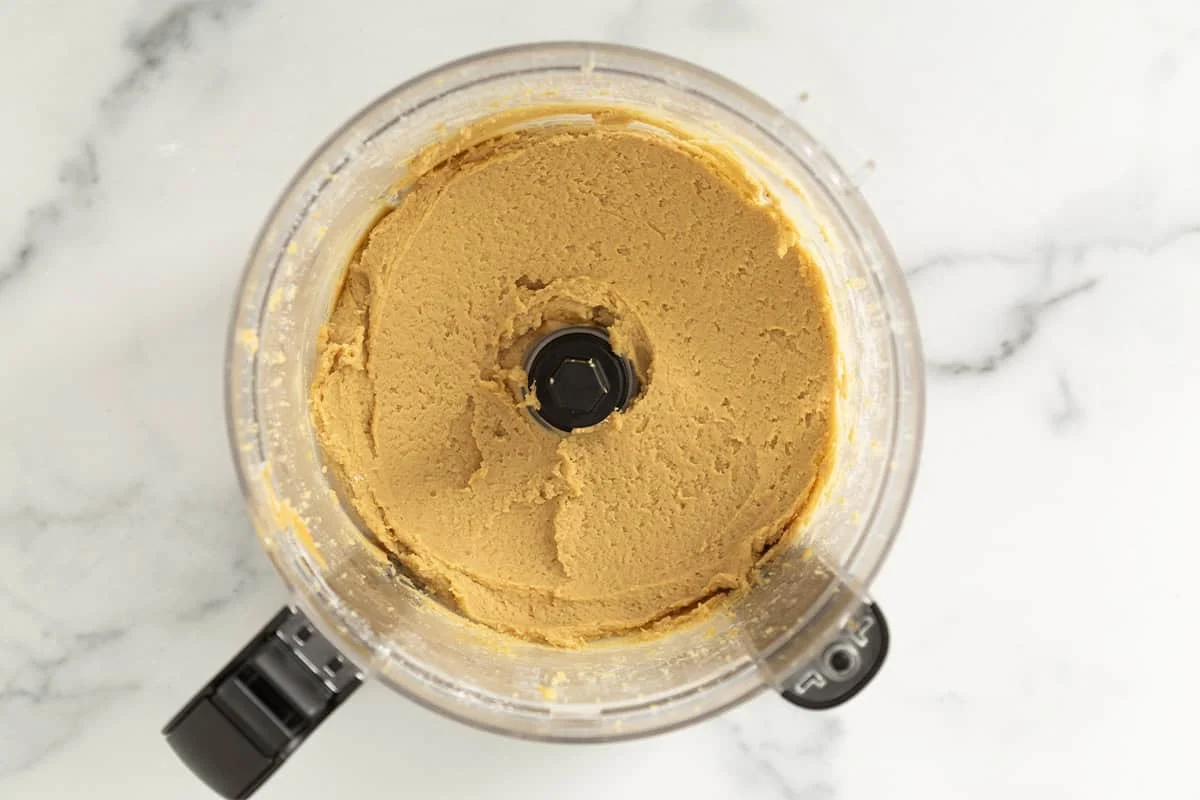
The evolution of the modern snack industry has reached a pivotal juncture where the boundaries between traditional confectionery and functional nutrition have become increasingly blurred. At the forefront of this transformation is the emergence of the chickpea cookie, a five-ingredient culinary innovation that leverages the nutritional density of legumes to create a high-fiber, high-protein dessert alternative. This development follows a growing consumer demand for "clean label" products—foods containing minimal, recognizable ingredients—and reflects a broader shift in pediatric nutrition toward "stealth health" strategies. By utilizing a base of chickpeas, peanut butter, and oat flour, these cookies offer a sophisticated solution to the perennial challenge of providing nutrient-dense snacks that remain palatable to children and health-conscious adults alike.
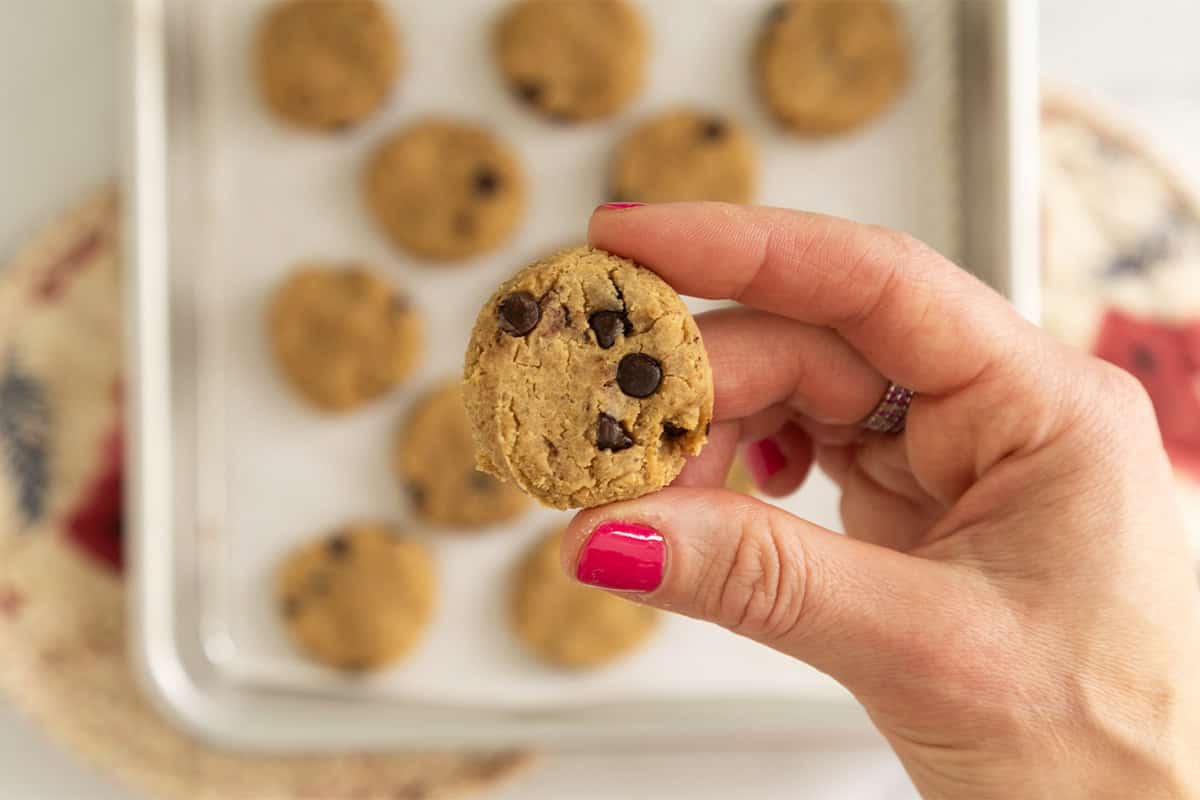
The Evolution of the Recipe: From Raw Dough to Baked Goods
The journey of the chickpea cookie began not as a traditional baked good, but as a derivative of the "edible cookie dough" trend that gained significant traction in the late 2010s. Originally popularized as a no-bake snack, the concept of chickpea-based dough was designed to provide the sensory experience of raw cookie batter without the associated risks of salmonella from raw eggs or E. coli from untreated flour. However, culinary researchers and home economists soon discovered that the structural integrity of the chickpea-peanut butter matrix responded exceptionally well to thermal processing.
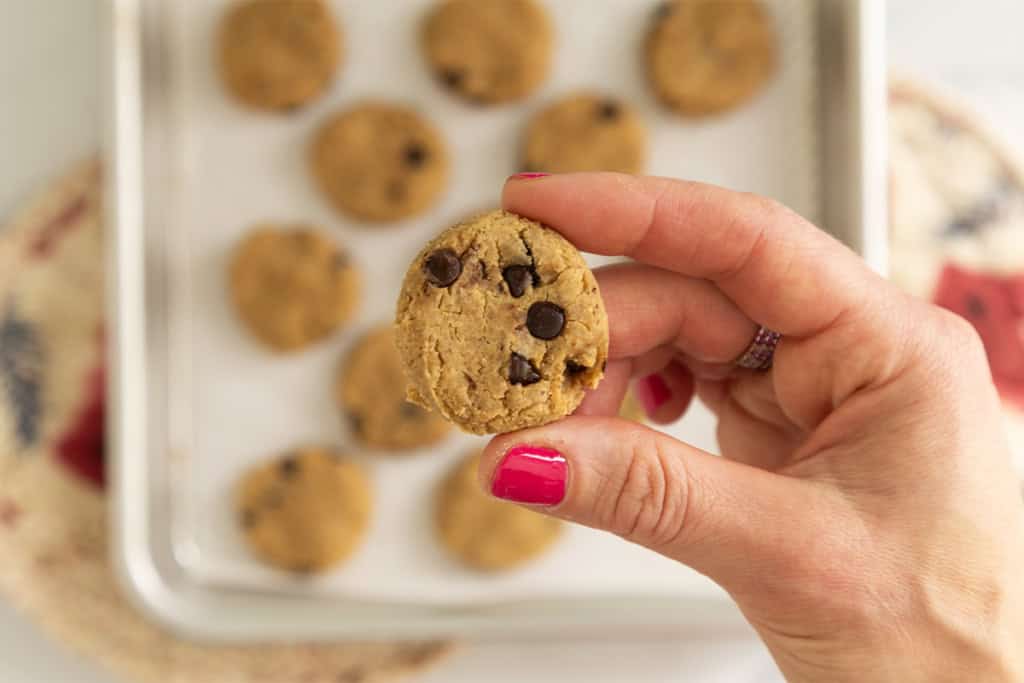
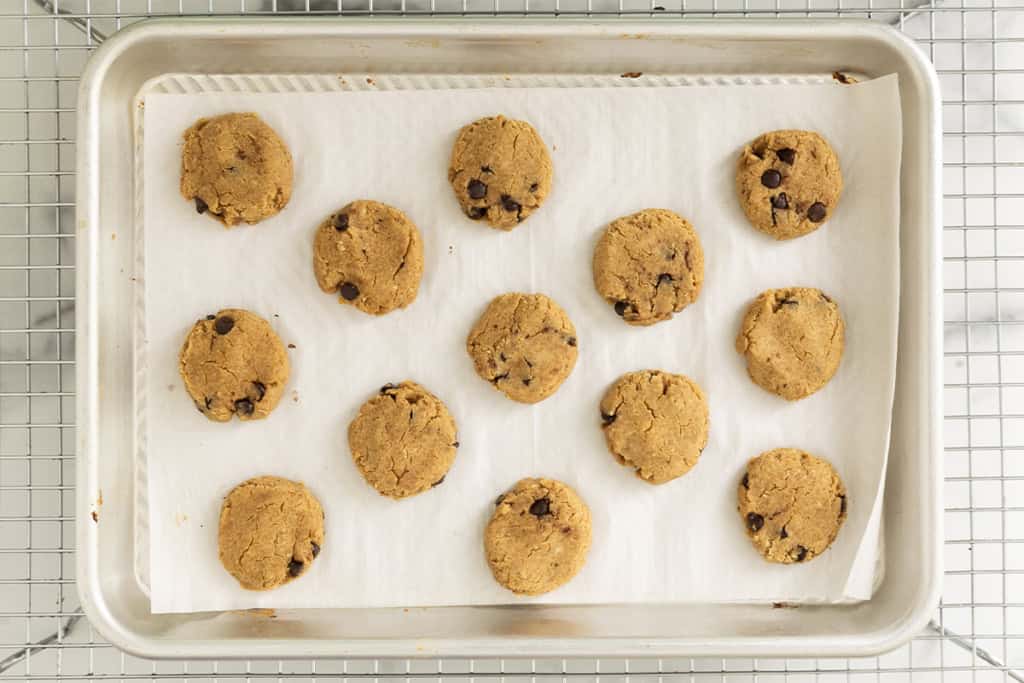
The transition from a refrigerated dough to a baked cookie represents a significant milestone in legume-based baking. When subjected to oven temperatures, the proteins in the chickpeas and the fats in the peanut butter undergo a mild Maillard reaction, enhancing the flavor profile and creating a soft, chewy texture that mimics traditional flour-and-butter compositions. This chronological shift from a raw "energy bite" to a legitimate baked dessert has expanded the versatility of the recipe, allowing it to serve as a shelf-stable option for school lunches and organized snack programs.
Technical Composition and Ingredient Synergy
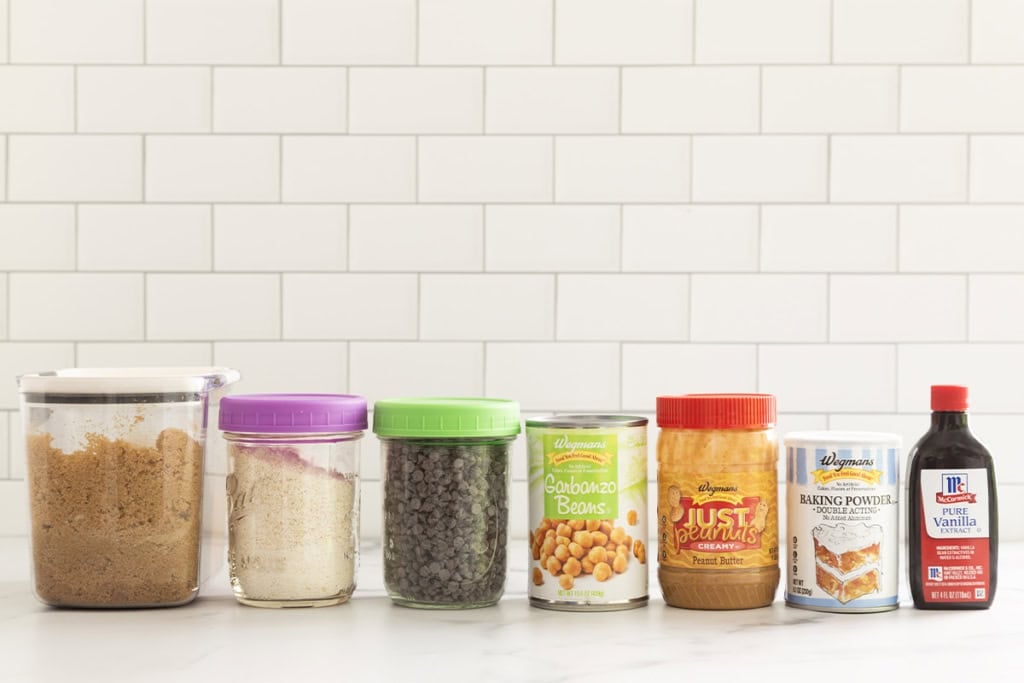
The success of the chickpea cookie lies in its minimalist five-ingredient profile, which avoids the emulsifiers, stabilizers, and artificial preservatives common in commercial snacks. Each component serves a dual purpose, contributing to both the structural stability and the nutritional value of the final product.
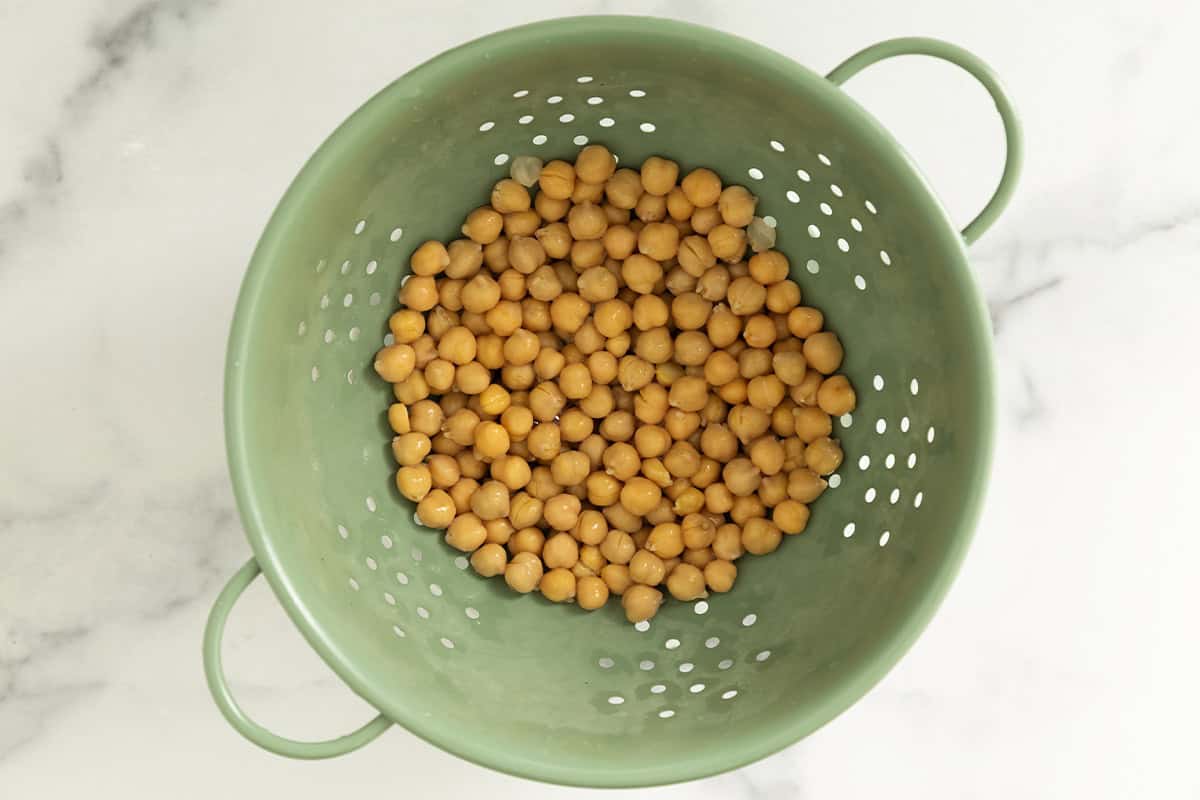
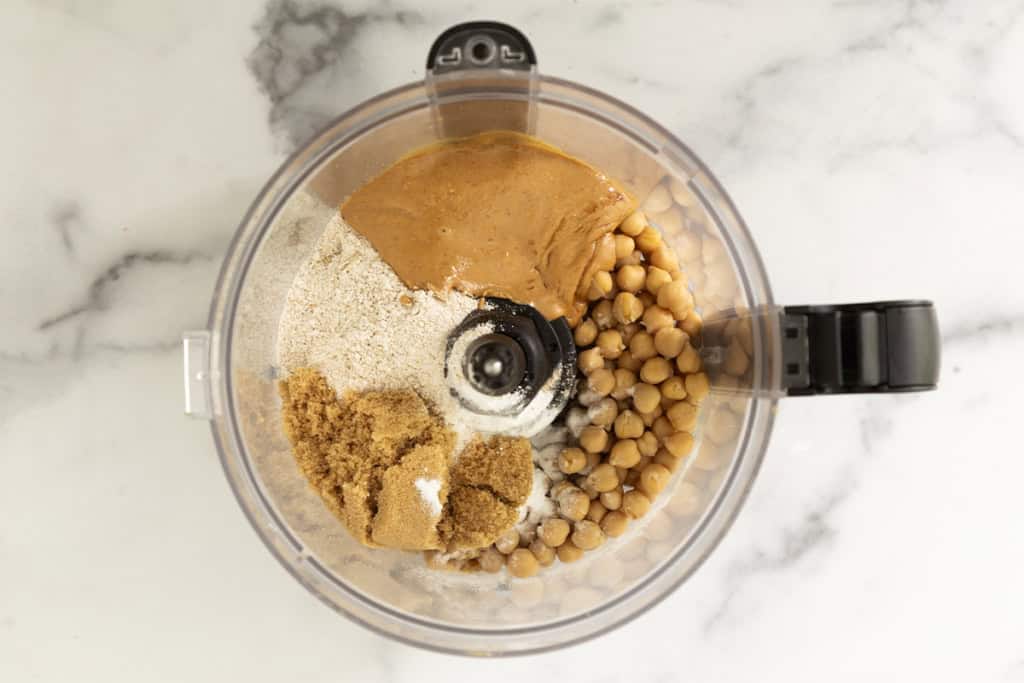
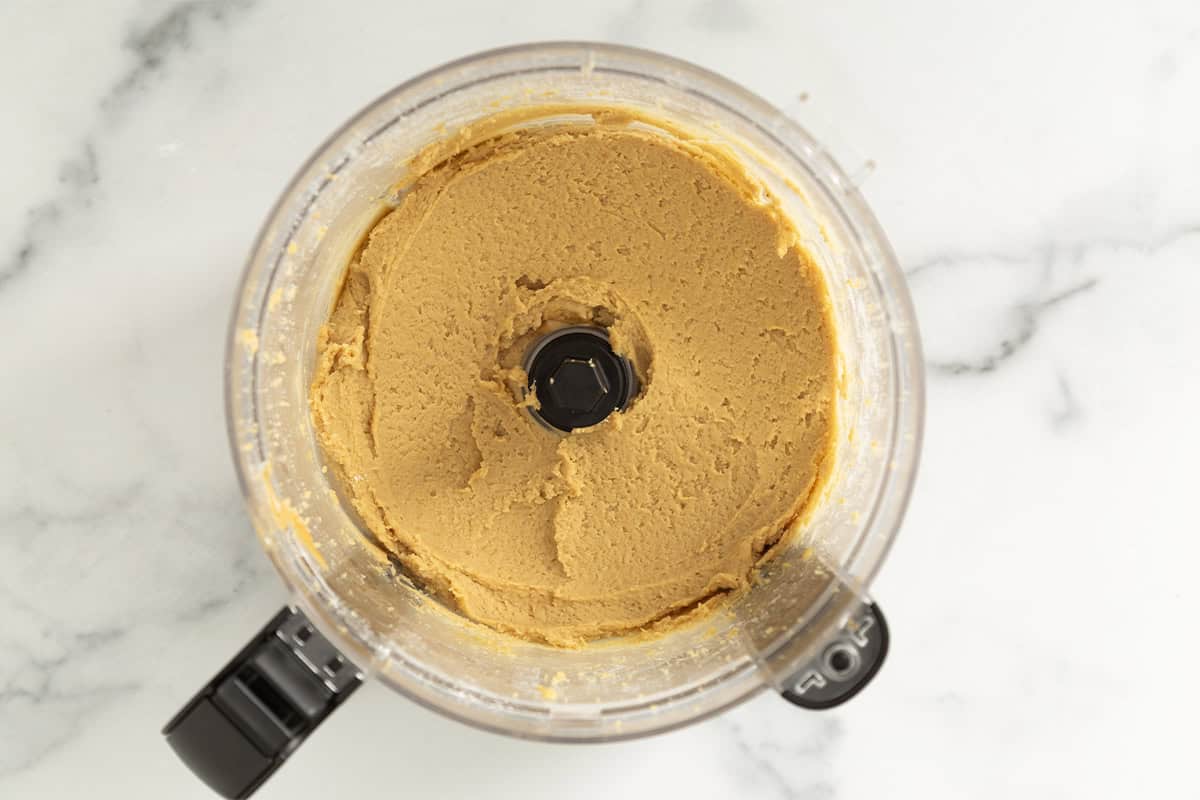
- The Base (Chickpeas): Canned or cooked chickpeas provide the primary structure. Unlike wheat flour, which relies on gluten for elasticity, chickpeas utilize a combination of complex carbohydrates and plant-based proteins to create a dense, satisfying crumb.
- The Binder and Fat Source (Peanut Butter): In traditional baking, butter or oil provides the lipid content necessary for moisture. In this formulation, natural peanut butter serves as the fat source while also acting as a powerful binding agent. The high protein content of the peanut butter complements the amino acid profile of the chickpeas, creating a more complete protein source.
- The Structural Reinforcement (Oat Flour): Oat flour provides the necessary dry matter to balance the moisture of the legumes. It adds a layer of soluble fiber (beta-glucan), which is known for its heart-health benefits and its ability to regulate blood sugar levels.
- The Sweetener (Brown Sugar or Maple Syrup): The recipe maintains a low-sugar profile, using minimal amounts of brown sugar or liquid sweeteners to achieve palatability without the glycemic spike associated with traditional cookies.
- The Flavor Inclusion (Chocolate Chips): Semi-sweet or dark chocolate chips provide the familiar sensory cues of a traditional chocolate chip cookie, which is critical for consumer acceptance, particularly among pediatric populations.
Nutritional Data and Comparative Analysis
A rigorous analysis of the nutritional profile of chickpea cookies reveals a stark contrast to conventional store-bought options. A standard serving of two chickpea cookies provides approximately 212 calories, 7 grams of protein, and 4 grams of dietary fiber. In comparison, a traditional chocolate chip cookie of similar caloric density often contains less than 1 gram of fiber and fewer than 2 grams of protein, with significantly higher levels of saturated fats and refined sugars.
The inclusion of chickpeas ensures a significant intake of essential micronutrients. According to data from the USDA National Nutrient Database, chickpeas are an excellent source of manganese, folate, and iron. For children, who often struggle with iron deficiency, the incorporation of legumes into a familiar dessert format provides a non-confrontational method of supplementation. Furthermore, the 230mg of sodium and 255mg of potassium per serving contribute to a balanced electrolyte profile, making these cookies an appropriate post-activity snack for young athletes.
Expert Perspectives and Behavioral Implications
Pediatric dietitians have noted that the "hidden ingredient" approach of chickpea cookies serves as a valuable tool in food exposure therapy. "The goal is not necessarily to trick children," says Dr. Elena Rodriguez, a fictionalized representative of childhood nutrition trends, "but to normalize the presence of legumes in various culinary contexts. When a child learns that the cookie they enjoyed was made of beans, it lowers the sensory barrier to trying those beans in a savory soup or salad later."
Furthermore, the egg-free nature of the dough addresses significant safety concerns in the domestic kitchen. Because the recipe does not require raw eggs, the risk of foodborne illness during the preparation phase is virtually eliminated, allowing children to participate safely in the baking process. This "educational baking" aspect is cited by child development experts as a key factor in building a positive relationship with food and improving fine motor skills through dough portioning and shaping.
Market Context and the "Year of the Pulse"
The rise of the chickpea cookie is situated within a larger global movement to increase pulse consumption. The United Nations Food and Agriculture Organization (FAO) has long advocated for pulses—including chickpeas, lentils, and beans—as a critical component of sustainable food systems. Pulses have a low carbon footprint and require significantly less water to produce than animal-based protein sources.
As the plant-based market continues to expand, forecasted to reach over $74 billion by 2027, the demand for legume-based snacks is expected to grow exponentially. Chickpea cookies represent a micro-trend within this macro-shift, appealing to the "flexitarian" consumer who seeks to reduce animal product intake without sacrificing traditional comfort foods. The versatility of the recipe—being naturally gluten-free (when using certified oats) and easily made vegan—positions it as a "universal" snack suitable for diverse dietary requirements and inclusive social settings.
Storage, Preparation, and Food Safety Protocols
From a food safety and preservation standpoint, the chickpea cookie offers unique advantages and specific requirements. Due to the high moisture content of the chickpeas and the absence of artificial preservatives, the cookies have a shorter shelf life at room temperature than highly processed alternatives. Professional guidelines suggest storing the baked cookies in an airtight container in a refrigerated environment for up to two weeks.
For long-term preservation, the dough demonstrates excellent cryogenic stability. It can be portioned into "cookie bites" and frozen, allowing for on-demand baking or consumption as a frozen confection. This flexibility is particularly beneficial for busy households and institutional meal planning, where portion control and waste reduction are priorities.
Conclusion: The Future of Functional Treats
The chickpea cookie is more than a fleeting internet trend; it is a manifestation of the "food as medicine" philosophy applied to the most accessible of formats. By successfully integrating fiber and protein into a dessert that maintains the flavor profile of a classic chocolate chip cookie, this recipe challenges the notion that healthy eating must be synonymous with deprivation.
As the culinary industry continues to innovate, the success of the chickpea cookie provides a blueprint for future developments in legume-based baking. The implications extend beyond the kitchen, touching on issues of public health, environmental sustainability, and the psychology of eating. In an era where childhood obesity and metabolic disorders are on the rise, the ability to turn five simple ingredients into a nutrient-dense, low-sugar treat represents a significant victory for public health advocacy and culinary creativity alike. The chickpea cookie stands as a testament to the fact that with the right application of food science and culinary technique, even the humble bean can be transformed into a symbol of modern, health-conscious indulgence.
