

Toddler night wakings represent a significant challenge for parents, often marked by prolonged crying and a heightened difficulty in comforting compared to infants or older children. A primary culprit frequently identified by pediatric sleep experts is the presence of "inappropriate sleep onset associations," a behavioral issue that typically responds to structured sleep training interventions. This pervasive problem can cast a shadow over evenings, disrupt family routines, and lead to pervasive exhaustion for caregivers.
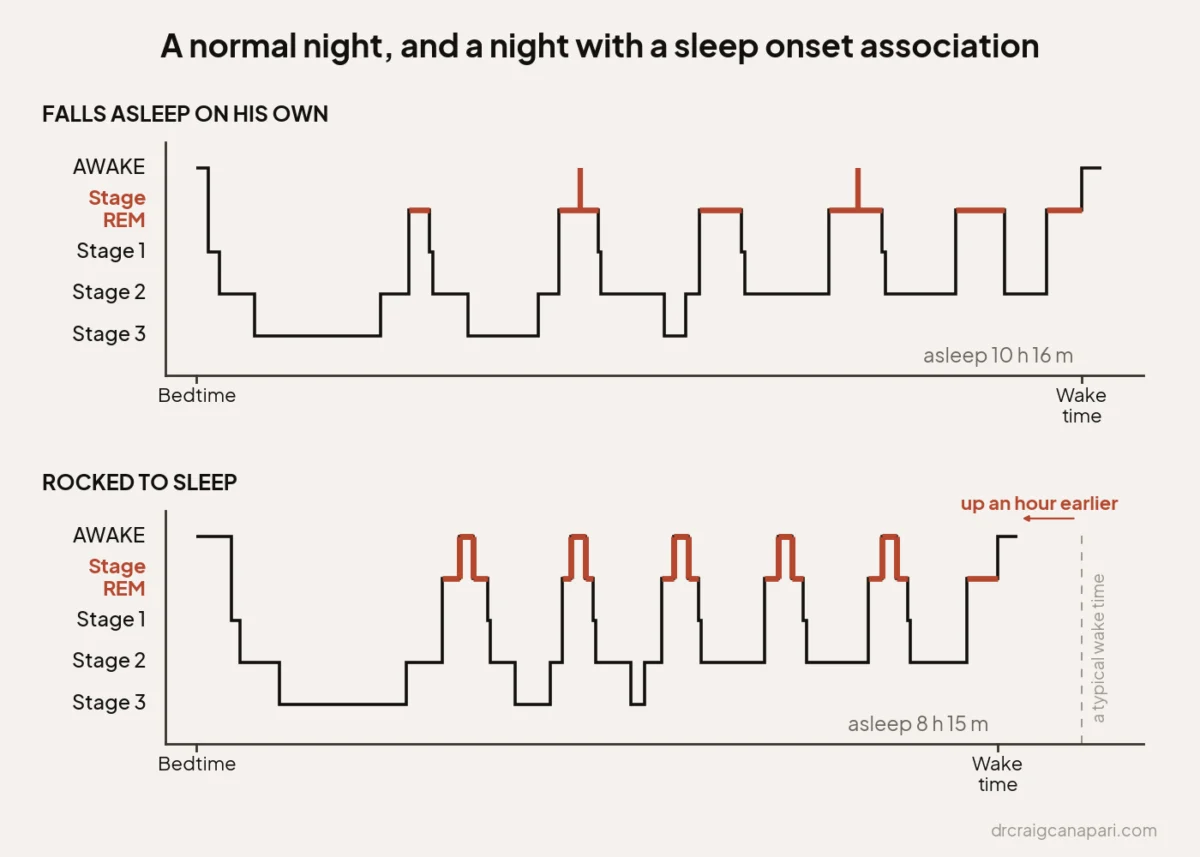
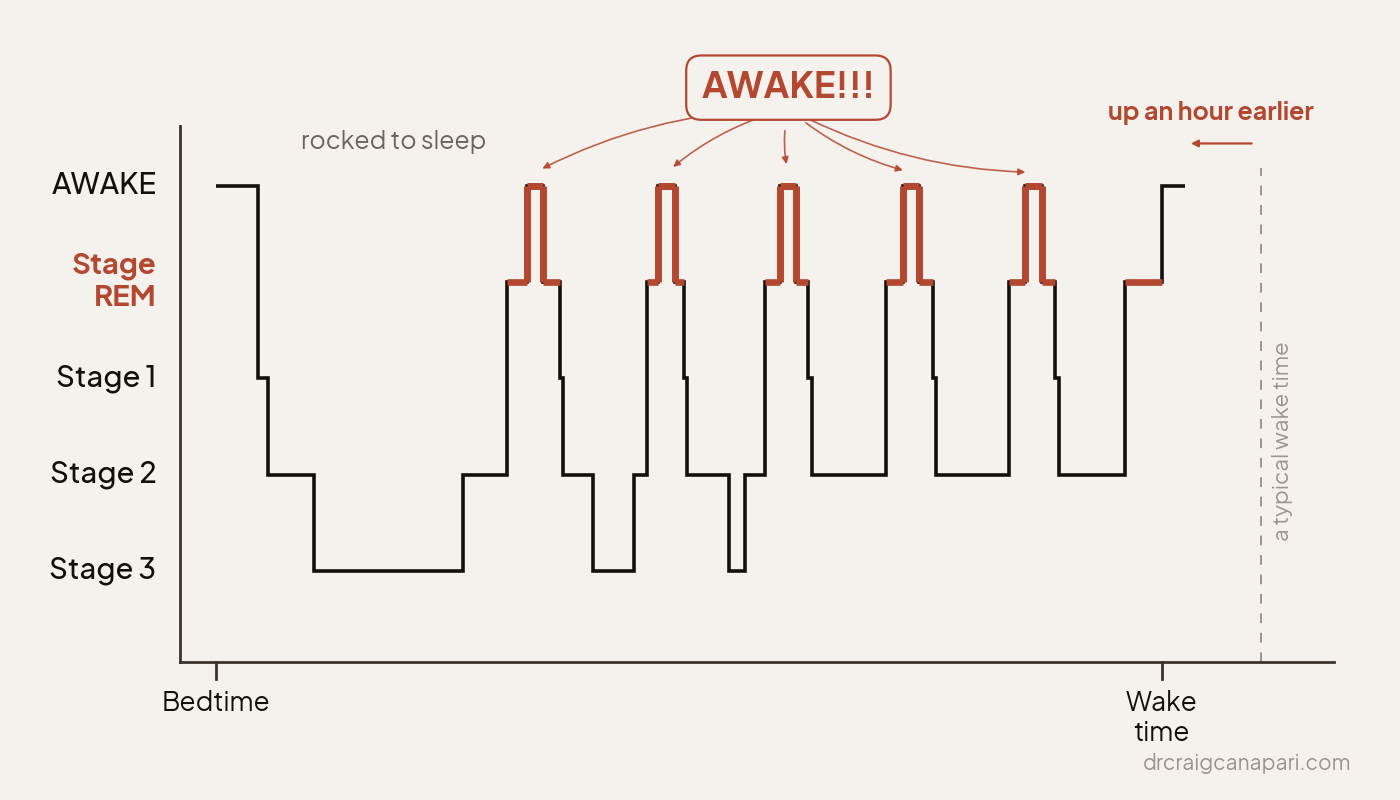
Consider the common scenario in the Smith household, where 14-month-old Jimmy has established a nightly ritual of being rocked to sleep by his parents. This has been the consistent pattern since his infancy, with parents carefully placing him in his crib around 8 PM. While they anticipate a period of relaxation, their evening is often preempted by Jimmy’s cries, which commence around 11 PM. The ensuing hours are a cycle of fragmented sleep, with Jimmy waking every hour to an hour and a half. By his early morning wake-up at 5:30 AM, both child and parents are left depleted, with limited opportunities for restorative naps during the day. Jimmy’s persistent night wakings are a textbook example of inappropriate sleep onset associations, a leading cause of frequent nocturnal awakenings in toddlers.
However, it is crucial to acknowledge that inappropriate sleep onset associations are not the sole determinant of nighttime distress in toddlers. A multitude of other factors can contribute to a child’s crying and screaming throughout the night. Identifying the specific cause, or combination of causes, is paramount for effective intervention. In instances where parents struggle to pinpoint the origin of their child’s sleep disturbances, consultation with a pediatrician is strongly recommended.
Inappropriate Sleep Onset Associations: The Root of Frequent Awakenings
Children between the ages of six months and three years are particularly susceptible to developing inappropriate sleep onset associations, though the age range can extend beyond this. These children often require parental presence or specific conditions to initiate sleep, and this dependency carries over into their nighttime awakenings. While parents may perceive the awakenings as the primary problem, they are, in fact, a symptom of an underlying issue: the child has not yet acquired the independent skill of self-soothing to fall back asleep.
In essence, if a child requires a parent’s assistance to fall asleep at bedtime and subsequently needs that same assistance to return to sleep during the night, they are likely grappling with a sleep onset association. The resolution for this predicament lies in teaching the child to achieve sleep independently, a process commonly referred to as sleep training.
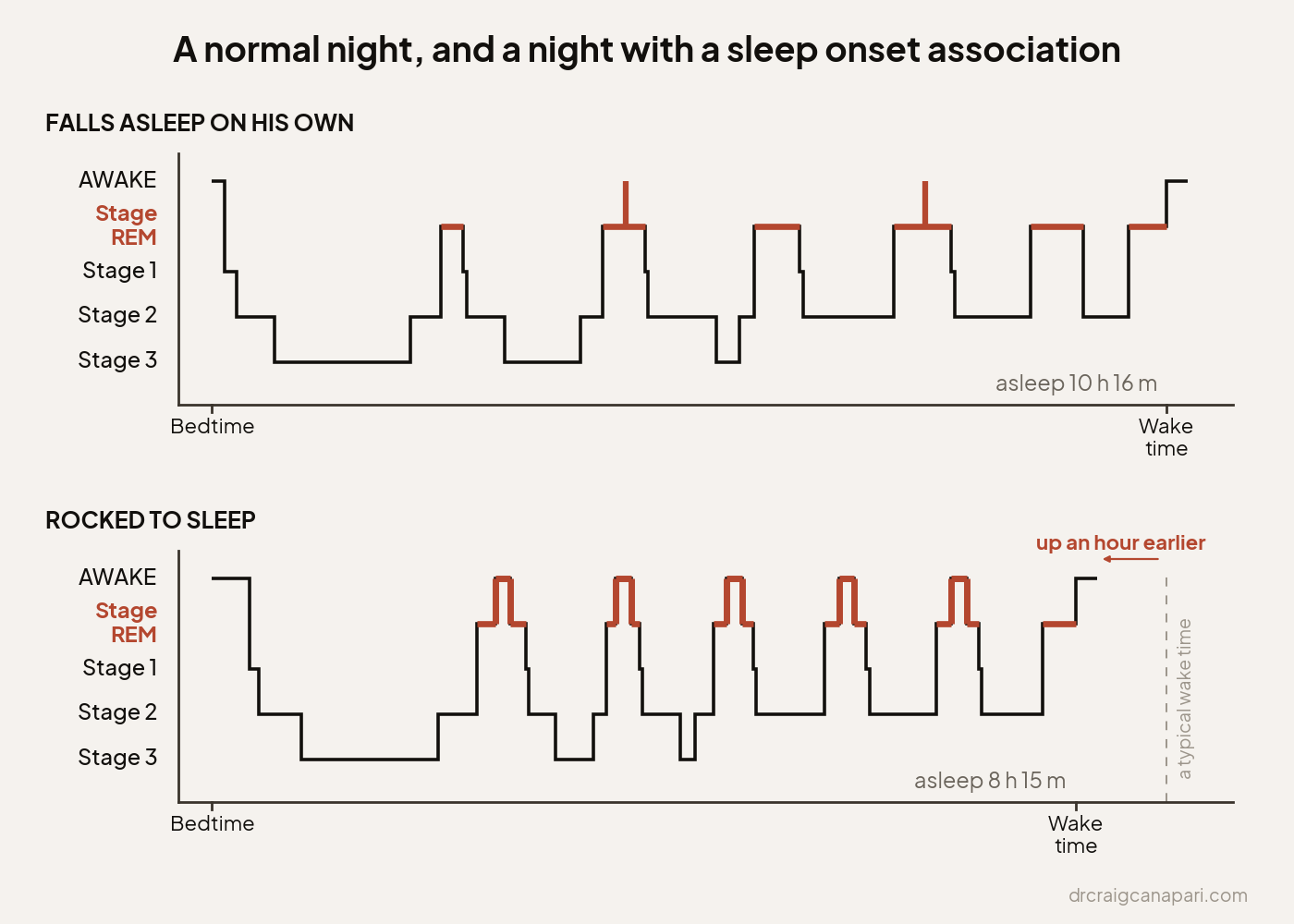
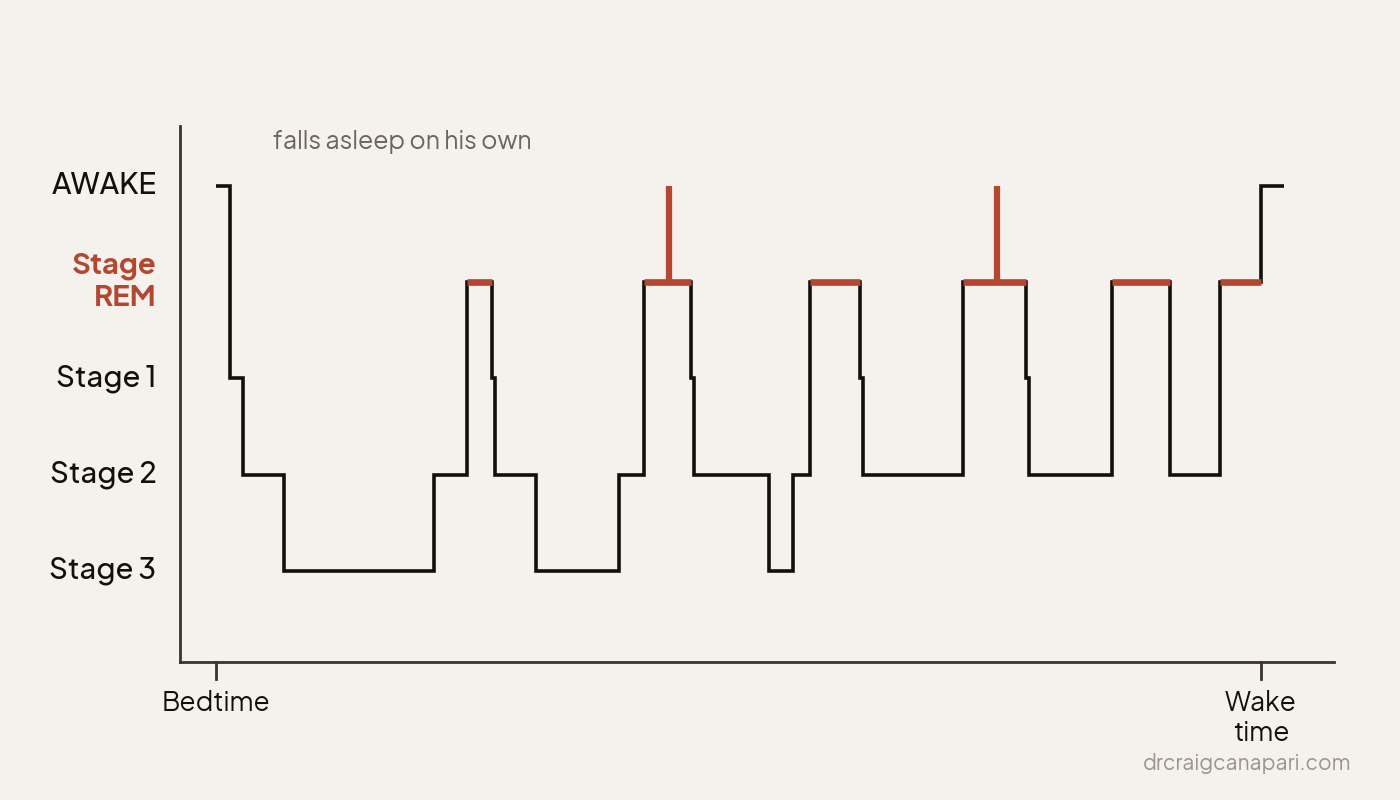
To elucidate this phenomenon, consider the physiological patterns of sleep. A normal night of sleep for a child who falls asleep independently is characterized by cycles of deep sleep and lighter REM (Rapid Eye Movement) sleep. During these cycles, brief awakenings are a natural occurrence. However, for a child accustomed to parental intervention, these normal awakenings trigger a need for that familiar comfort. If a child falls asleep while being held, rocked, nursed, or with a pacifier, they will seek these same conditions upon waking. This leads to a cyclical pattern of awakenings and parental intervention, perpetuating the problem.
This dependency can also contribute to early morning awakenings. When parents bring a child who has woken early into their own bed, it can inadvertently create a new sleep onset association, further complicating the sleep landscape.
The Technical Classification: Behavioral Insomnia of Childhood
Historically, sleep onset association problems were categorized under "behavioral insomnia of childhood," which included two subtypes: sleep onset association disorder and limit setting disorder. The latter, often referred to as "curtain calls," describes a child who repeatedly leaves their room demanding parental attention. In contemporary pediatric sleep medicine, these issues are often grouped under the diagnosis of chronic insomnia, particularly if they persist for three months or longer, especially when a child has transitioned to a bed and exhibits sleep onset association disorder.
Night Terrors: A Distinct Cause of Nocturnal Distress
Another significant cause of night wakings, characterized by inconsolable crying and screaming, is night terrors. These episodes are part of a group of disorders known as NREM parasomnias, occurring during non-REM sleep stages. Night terrors are relatively common in toddlers, affecting a notable percentage of this age group.
A key differentiator between night terrors and sleep onset associations is the child’s responsiveness. During a sleep onset association-related waking, comforting measures like rocking can be effective, albeit temporarily. In contrast, during a night terror, a child remains inconsolable, irrespective of parental efforts. These episodes typically last between 10 to 15 minutes, though they can extend up to 40 minutes. While unsettling, night terrors are generally benign, occur infrequently, and tend to resolve independently. The primary concern during a night terror is ensuring the child’s safety, as they may thrash about or, in rarer instances, exhibit sleepwalking behaviors.
Temporary Disruptions: When Good Sleepers Wake
Certain transient events can temporarily disrupt even a good sleeper’s pattern. These disruptions, if not managed carefully, can inadvertently lead to the formation of new sleep onset associations.
-
Sleep Regressions: While the concept of predictable, age-based "sleep regressions" is widely discussed, pediatric sleep experts often attribute these disruptions to significant developmental milestones. These include the onset of independent walking, the transition from two naps to one, the eruption of molars, the development of autonomy and limit-testing, and the physical capability to climb out of a crib. These developmental leaps can temporarily affect sleep patterns. Furthermore, external factors such as illness, travel, schedule changes, the arrival of a new sibling, or a move can also impact sleep. The critical point is that if parents revert to sleep-inducing behaviors during these periods, they risk creating new, persistent sleep onset associations.
-
Illness: Acute illnesses such as colds or fevers commonly disrupt toddler sleep. Nasal congestion and ear pain can be exacerbated when lying down. During such times, providing comfort and care is essential, with a clear understanding that these sleep disturbances are typically temporary. However, parents should exercise caution against establishing new sleep associations, such as bringing a sick child into their bed for an extended period.
-
Teething: While frequently cited as a cause of sleep problems, teething generally only induces localized, mild, and short-lived irritability around the time a tooth emerges. It is unlikely to cause prolonged sleep disruption or fevers, though a slight temperature elevation can occur. Persistent fevers or significant unwellness should prompt a pediatric consultation.
-
New Siblings: The arrival of a new baby can be a source of stress and disruption for toddlers. If children share a room, this can amplify challenges. A crying infant can awaken a toddler, making sound machines a potentially helpful tool, provided they are used at an appropriate volume and placement. The overall stress of a new sibling can also impact sleep, though these disruptions usually subside within a week. Dedicating focused time with the toddler can help them feel secure.
Underlying Medical Conditions: When to Seek Professional Help
Persistent night wakings, occurring multiple times per week or in the context of a known chronic condition, may signal an underlying medical disorder. Conditions such as asthma, characterized by nighttime coughing, or acid reflux, which can cause nighttime belly pain and vomiting, require medical attention. Obstructive sleep apnea, often accompanied by snoring, is another common and serious condition that can significantly disrupt sleep.
Environmental and Schedule Factors: Optimizing the Sleep Landscape
Structural issues related to a child’s schedule or sleep environment can also be addressed to improve sleep quality.
-
Hunger: Toddlers typically do not require nighttime feedings unless there is a specific medical reason. Weaning nighttime bottles or breastfeeding can often lead to rapid improvements in sleep.
-
Excessive Time in Bed: This occurs when a child’s total sleep opportunity remains unchanged as their sleep needs decrease with age. If a child is consistently awake for periods during the night despite ample time in bed, it may be time to consider reducing nap duration or adjusting bedtime. Understanding the recommended sleep duration for different age groups is crucial.
-
Environmental Disruptions: Obvious environmental factors include electronic devices emitting light or noise. External noise from neighbors or traffic, or disruptions from a sibling sharing a room, can also impact sleep. In cases of room sharing, one child’s waking can easily trigger another’s, necessitating careful management strategies.
In summary, toddler night wakings are a common and challenging aspect of parenting. When these awakenings stem from inappropriate sleep onset associations, implementing sleep training to foster independent sleep skills is the most effective approach. For other identified causes, targeted interventions addressing the specific underlying issue are necessary. By systematically evaluating potential causes and seeking professional guidance when needed, parents can work towards restoring peaceful nights for both themselves and their children.
