

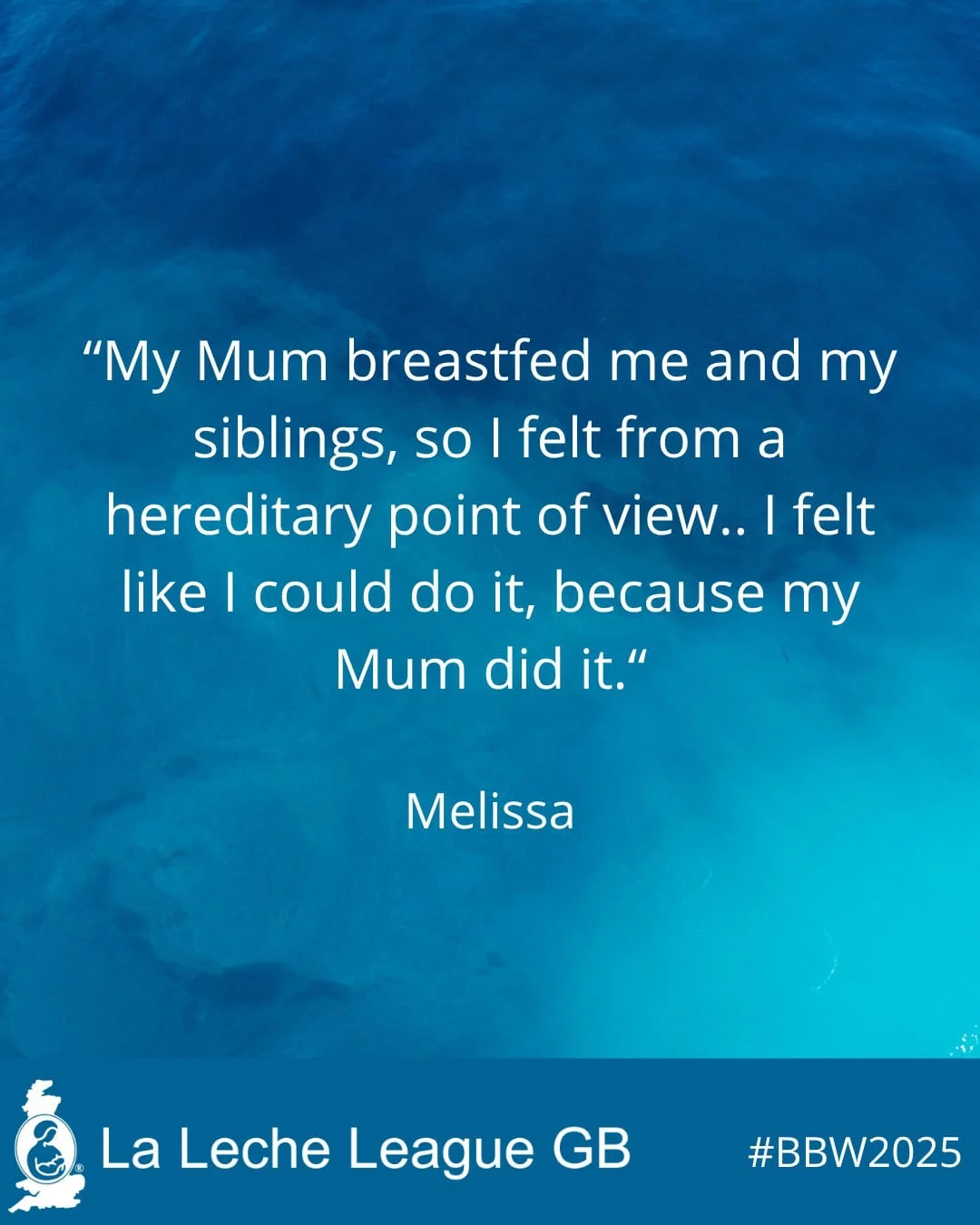
Black Breastfeeding Week, observed annually during the last week of August, stands as a crucial initiative dedicated to elevating the voices and lived experiences of Black women, which have historically been marginalized and underrepresented within maternal and infant health narratives. This observance is not merely a celebration but a critical platform for advocacy, education, and community building, aiming to address profound racial disparities in breastfeeding rates and outcomes that persist globally. Organizations like La Leche League International recognize the transformative power of personal narratives, asserting that the sharing of individual stories fosters vital connections, creating a global tapestry of mutual learning and support among mothers and peers. Melissa, a mother from London, recently contributed her invaluable perspective, recording audio notes about her breastfeeding journey with her five-month-old, offering a poignant glimpse into the challenges and triumphs faced by Black mothers. Her experience, recorded candidly while soothing her child to sleep, encapsulates the everyday realities that Black Breastfeeding Week strives to illuminate and validate.
The Genesis and Purpose of Black Breastfeeding Week
Black Breastfeeding Week was inaugurated in 2012 by a coalition of passionate advocates including Kimberly Seals Allers, Kiddada Green, and Anayah Sangodele-Ayoka. Their motivation stemmed from a stark realization: despite the widely acknowledged health benefits of breastfeeding, Black women consistently face lower breastfeeding initiation and duration rates compared to their white counterparts, alongside a pronounced lack of culturally competent support and representation within mainstream lactation services. The founders identified a critical gap in the broader breastfeeding movement, which often failed to adequately address the unique historical, cultural, and systemic barriers confronting Black families. These barriers include, but are not limited to, the lingering trauma of slavery and wet-nursing, aggressive formula marketing targeting Black communities, inadequate paid parental leave, and systemic racism within healthcare systems that contributes to distrust and disparities in care. By carving out a dedicated week, the founders sought to create a space for affirmation, education, and solidarity, emphasizing the importance of community-led solutions and culturally relevant support. The week’s objectives are multifaceted: to highlight the disparities, celebrate Black breastfeeding families, provide resources and education, build a supportive community, and advocate for policy changes that promote equitable maternal and infant health outcomes.
A Troubled History: Black Women, Breastfeeding, and Systemic Racism
To fully comprehend the contemporary challenges faced by Black mothers, it is imperative to examine the historical context that has shaped breastfeeding practices within the Black community. The institution of slavery in the United States profoundly disrupted Black women’s bodily autonomy and their ability to nurture their own children. Enslaved Black women were often forced to serve as wet nurses for their enslavers’ children, while their own infants were denied their mothers’ milk, frequently sold away, or left to be cared for by others. This forced separation and exploitation created deep-seated trauma and a generational rupture in the practice and perception of breastfeeding within Black families. Post-emancipation, economic hardships compelled many Black women to enter the workforce, often as domestic laborers, making sustained breastfeeding difficult due to long hours and lack of infant care provisions.
The 20th century introduced another significant challenge with the aggressive marketing of infant formula. Pharmaceutical companies disproportionately targeted Black communities, often presenting formula as a symbol of modernity, convenience, and upward mobility, subtly discrediting breastfeeding. This, combined with insufficient support from healthcare providers—many of whom lacked understanding of Black women’s unique needs and experiences—further eroded breastfeeding rates. The legacy of systemic racism in healthcare, including implicit bias among medical professionals, inadequate pain management, and a general lack of trust in a system that has historically mistreated Black patients, continues to impact Black mothers’ decisions and experiences with breastfeeding support. This complex history underscores why a specific focus on Black breastfeeding is not just beneficial but essential for achieving health equity.
Disparities in Data: Quantifying the Challenge
Statistical data consistently reveals significant racial disparities in breastfeeding initiation and duration. According to the Centers for Disease Control and Prevention (CDC), while overall breastfeeding initiation rates have risen, Black infants continue to have lower rates compared to white infants. For instance, national data often shows that approximately 70-75% of Black infants are ever breastfed, compared to over 80% of white infants. The disparity widens significantly when looking at duration and exclusivity. By six months, only about 35-40% of Black infants are exclusively breastfed, compared to 50% or more of white infants. These disparities are not merely statistics; they translate into tangible health consequences. Breastfeeding is associated with numerous health benefits for both mother and child, including reduced risks of sudden infant death syndrome (SIDS), respiratory and ear infections, asthma, obesity, and diabetes for infants, and lower risks of breast and ovarian cancers, type 2 diabetes, and postpartum depression for mothers. Consequently, lower breastfeeding rates contribute directly to the disproportionate burden of chronic diseases experienced by the Black community, exacerbating existing health inequities.
Barriers contributing to these disparities are multifaceted:
- Lack of Paid Parental Leave: Black women are disproportionately likely to be primary income earners and return to work sooner, often in jobs without adequate lactation support or flexible pumping schedules.
- Cultural and Societal Norms: Historical factors and targeted formula marketing have sometimes normalized formula feeding within Black communities, leading to less peer and family support for breastfeeding.
- Healthcare System Deficiencies: Insufficient culturally competent lactation consultants, implicit bias in clinical settings, and a lack of proactive breastfeeding education during prenatal care contribute to inadequate support.
- Economic Pressures: Access to resources like breast pumps, proper nutrition, and childcare can be challenging for low-income families, which disproportionately affects Black communities.
Melissa’s Journey: A Personal Reflection of Collective Experience
Melissa’s audio notes, recorded amidst the intimate rhythm of soothing her infant, provide a microcosm of these broader issues, echoing the experiences of countless Black mothers. Her responses, though not directly quoted, can be inferred to touch upon several universal themes.
Personal Motivation and Pre-Conceptions: Melissa’s journey likely began with a deep personal conviction regarding the importance of breastfeeding, possibly driven by an innate desire to provide the best for her child. However, her pre-child perception of breastfeeding might have been shaped by a lack of visible role models within her immediate family or community, a common reality where historical factors led to decreased rates. This often means mothers embark on their journey without the intergenerational wisdom and normalized exposure that might be present in other communities.
Social and Family Attitudes: The attitudes of friends and family can be a powerful determinant of a mother’s breastfeeding success. For Black mothers, these attitudes can range from staunch support to skepticism or even pressure to formula feed, sometimes born from a lack of understanding of modern breastfeeding benefits or rooted in the historical context where formula was seen as a sign of progress. Melissa likely navigated a spectrum of opinions, highlighting the need for robust personal conviction and external support networks.
Navigating Barriers and Unforeseen Challenges: Many mothers, regardless of background, wish they had known more before starting their feeding journey. For Black mothers, these barriers are often compounded. Melissa might have encountered common challenges like latch difficulties, pain, supply concerns, or the overwhelming demands of round-the-clock feeding. Crucially, she may also have faced the specific challenges of seeking support in environments where she felt unseen, unheard, or misunderstood due to her racial identity. The lack of diverse representation among lactation professionals can make finding empathetic, culturally informed advice a significant barrier. Returning to work, managing societal expectations, and dealing with public perception of breastfeeding further complicate the journey.
The Quest for Support and Community: Melissa’s search for "useful sources of help and support" underscores the critical role of organizations like La Leche League. Such groups offer evidence-based information, practical guidance, and, perhaps most importantly, a non-judgmental space for peer support. For Black mothers, finding a "likeminded community" is paramount. This community provides a sense of belonging, validates their experiences, and offers solidarity in navigating unique challenges. It is within these spaces that mothers find the strength to persist, share solutions, and feel empowered. Melissa’s emphasis on building her supportive community speaks volumes about the isolating nature of breastfeeding without adequate peer networks and the profound relief found in shared experience.
The Role of Advocacy and Community Organizations
La Leche League’s commitment to collecting and sharing stories like Melissa’s is a testament to their broader mission of helping mothers worldwide to breastfeed through mother-to-mother support. By centering individual narratives, they underscore the belief that personal experiences are powerful tools for education, empathy, and advocacy. Beyond La Leche League, numerous organizations are at the forefront of the movement to improve Black maternal and infant health. The Black Mamas Matter Alliance, for instance, advocates for policy changes and works to ensure Black women’s voices are central to the creation of health policies and care delivery. Groups like Black Women Do Breastfeed actively work to normalize and celebrate breastfeeding within Black communities, providing resources and mentorship. These organizations collectively strive to dismantle systemic barriers, increase access to culturally sensitive care, and empower Black women in their feeding choices. Healthcare providers also have a vital role to play by implementing implicit bias training, diversifying the lactation consultant workforce, and integrating comprehensive, culturally relevant breastfeeding education into prenatal and postpartum care.
Broader Impact and Future Implications
The sustained focus on Black Breastfeeding Week and the amplification of stories like Melissa’s carry profound implications for public health and social justice.
- Health Equity: By addressing the disparities in breastfeeding rates, the initiative directly contributes to closing the health equity gap, leading to healthier outcomes for Black mothers and infants and reducing the burden of chronic diseases in the Black community.
- Cultural Reclamation and Empowerment: For many Black women, breastfeeding is an act of reclaiming a practice that was historically exploited and later marginalized. It is a powerful affirmation of bodily autonomy, cultural heritage, and maternal strength, fostering a sense of empowerment.
- Economic Benefits: Increased breastfeeding rates can lead to significant economic benefits for families and the healthcare system, reducing healthcare costs associated with formula-fed infants and decreasing lost work productivity due to infant illness.
- Policy Advocacy: The awareness generated by Black Breastfeeding Week fuels advocacy for critical policy changes, including universal paid parental leave, mandated lactation breaks and facilities in workplaces, and increased funding for community-based lactation support programs.
- Shifting Narratives: By actively centering Black voices, the movement challenges dominant, often Eurocentric, narratives around breastfeeding, creating a more inclusive and representative vision of motherhood and infant feeding.
Melissa’s story, interwoven with the broader fabric of Black Breastfeeding Week, serves as a powerful reminder of the resilience, determination, and profound love that characterize the breastfeeding journey. Her candid reflections highlight not only the individual effort required but also the indispensable role of a supportive, understanding community. For those inspired by Melissa’s honesty and encouraged to share their own experiences, La Leche League warmly encourages submissions for their member publication, "Breastfeeding Matters," or invites participation in local meetings. Every story shared contributes to a collective strength, offering guidance, validation, and the vital assurance that no mother journeys alone. To contribute your story for "Breastfeeding Matters" or the website, interested individuals can email [email protected] or utilize the online form available at bit.ly/lllgb-newsletter, ensuring that the critical dialogue around Black maternal and infant health continues to grow and evolve.
