

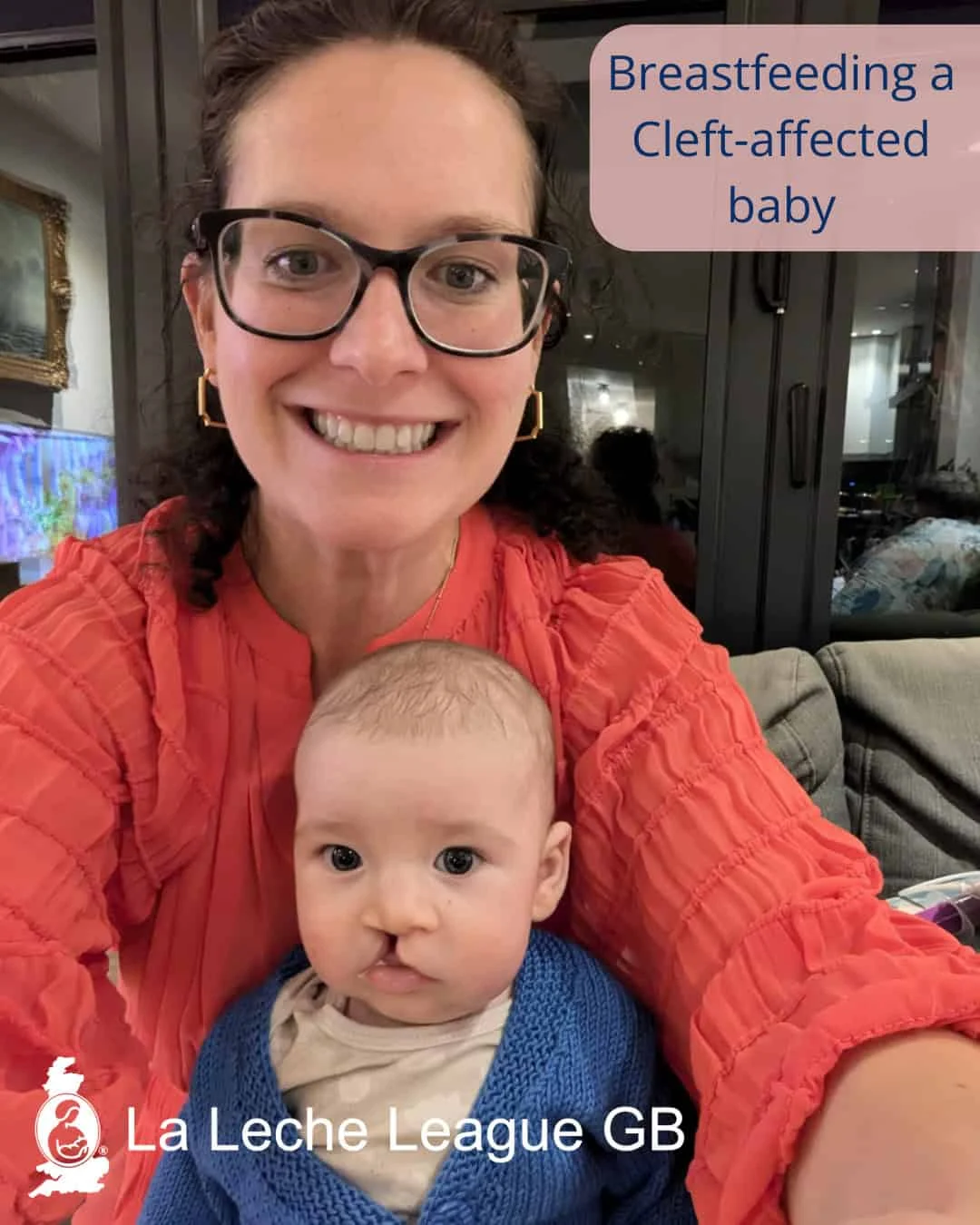
The journey of Sarah Muir-Little and her son, Russell, offers a compelling narrative of resilience, innovation, and unwavering determination in the face of significant medical challenges. Diagnosed antenatally with a cleft lip and palate, Russell’s condition initially led to a prognosis that breastfeeding would be impossible. However, Sarah’s resolve to provide her son with the benefits of breast milk, combined with meticulous research and creative problem-solving, ultimately forged a unique and successful breastfeeding pathway, challenging conventional advice and offering hope to other families navigating similar circumstances. This extensive account delves into the specifics of their journey, the medical context of cleft conditions, and the broader implications for infant feeding practices.
Understanding Cleft Lip and Palate: A Medical Overview
Cleft lip and palate are among the most common birth anomalies worldwide, affecting approximately one in 700 babies. This congenital condition occurs when the structures that form the baby’s upper lip or the roof of the mouth (palate) do not fully join together during early fetal development. The severity can vary, ranging from a small notch in the lip to a complete separation of the lip and palate, potentially extending into the nose. While the exact cause is often unknown, a combination of genetic and environmental factors is believed to play a role.
The immediate implications for newborns with cleft conditions often revolve around feeding. Babies with only a cleft lip can frequently breastfeed, sometimes with minor adaptations in positioning. However, a cleft palate presents a more complex challenge. The intact palate is crucial for creating the necessary suction pressure that allows a baby to draw milk from the breast or a standard bottle. Without a complete palate, this suction mechanism is compromised or entirely absent, making direct breastfeeding extremely difficult, if not impossible, until surgical repair. The Cleft Lip and Palate Association (CLAPA) in the UK, at www.clapa.com/, serves as a vital resource, providing comprehensive support and information to families affected by these conditions, emphasizing the importance of specialized care and tailored feeding strategies.
An Unexpected Diagnosis: The Start of a Battle
For Sarah Muir-Little, the initial weeks of her pregnancy were overshadowed by significant family health challenges, leaving little room for the typical excitement of expectant parenthood. It was at the routine 20-week anomaly scan that the first hint of an unforeseen complication emerged. What began as the joyous confirmation of expecting a baby boy quickly turned somber with the sonographer’s question: "Have you heard of a cleft lip?" This query marked the beginning of an emotional and practical battle for Sarah and her husband.
A subsequent consultation with a midwife delivered the initial, stark prognosis: due to the baby’s cleft lip and palate, direct breastfeeding would not be possible. For Sarah, who had recently weaned her toddler in preparation for feeding her new baby and viewed breastfeeding as an integral part of her identity as a mother, this news was profoundly upsetting. She experienced a deep sense of grief for what she felt was a lost opportunity for bonding and nurturing. However, a specialist nurse provided a glimmer of hope, clarifying that while traditional breastfeeding might be unlikely, some form of a breastfeeding journey could still be possible. The full extent of the palate involvement, and thus the feeding challenge, would only be confirmed after Russell’s birth. The nurse also outlined the anticipated medical timeline: two major operations within Russell’s first year—one to repair the lip and another for the palate—with further reconstructive surgeries potentially required later in childhood. This comprehensive but challenging outlook underscored the complex medical pathway ahead for their son.
Challenging the Narrative: Research and Preparatory Strategies
Undeterred by the initial medical advice, Sarah embarked on an exhaustive search for alternative possibilities. She meticulously trawled resources from organizations like CLAPA and La Leche League (llli.org/breastfeeding-info/premies-positioning/), alongside various other online platforms, seeking success stories of breastfeeding after palate surgery. What she discovered was a surprisingly limited number of such accounts, highlighting the rarity and complexity of this achievement. However, the few positive examples she found offered crucial insights, suggesting that sustained breastfeeding often hinged on two primary factors: maintaining a sufficient milk supply and employing effective methods for delivering milk to the baby at the breast.
The first point, establishing and maintaining milk supply, seemed within Sarah’s control. She had successfully breastfed her toddler, demonstrating her body’s capacity to produce adequate milk. While she had previously found pumping challenging, often yielding limited amounts, she was confident that with improved knowledge and technique, she could meet Russell’s demands. This commitment to expressing milk would become a cornerstone of her strategy.
The second point, milk delivery, required more innovative solutions. Sarah explored various methods, including direct hand expressing into the baby’s mouth and the use of nursing supplementers. The latter, designed to deliver supplemental milk to a baby at the breast via a thin tube, appeared to be the more practical long-term solution. The UK market offered two main nursing supplementer systems suitable for cleft-affected infants. Both consisted of a bottle connected to a thin tube, intended to be placed in the baby’s mouth while latched at the breast. Sarah acquired both systems for experimentation. One system was gravity-fed, resulting in a notably slow milk flow, which she found potentially insufficient. The other featured a squeezable bottle, allowing for more forceful delivery of milk, but its design made it awkward to hold, especially when trying to manage a baby simultaneously. Traditional advice, such as the "dancer hold" – where the index finger and thumb form a "U" to support the baby’s chin – felt unwieldy when combined with the supplementer apparatus, leading to frustration during practice sessions with a doll. The limitations of existing commercial solutions spurred Sarah to consider custom adaptations.
Russell’s Arrival and the Genesis of an Innovative Feeding System
Baby Russell’s birth marked the transition from theoretical preparation to practical application. In the immediate postpartum period, Russell was fed expressed colostrum via a syringe, accompanied by a finger in his mouth to encourage rudimentary sucking reflexes, while Sarah waited for her full milk supply to establish. The plan was then to introduce the supplementer at the breast.
A serendipitous discovery proved pivotal in their early feeding efforts. Some syringes Sarah had ordered for other purposes, though unsuitable for direct feeding, perfectly fitted the supplementer tubing. Leveraging this unexpected compatibility, the midwife team sourced larger, appropriate syringes from the labour ward. With minor modifications—drilling a snug hole in the screw-on caps of these larger syringes—Sarah created a custom, functional feeding apparatus. This ingenious adaptation, however, came with a stern reminder of safety protocols: any feeding tools must be used carefully, ensuring caps are removed from regular syringes to prevent choking hazards and that milk is delivered slowly, monitoring the baby’s comfort and swallowing speed.
The standard recommendations for supplementer use typically involve either inserting the tube into the baby’s mouth after they have latched or taping it to the breast before latching, ensuring the tape is away from the baby’s mouth. Both options presented significant hurdles for Sarah. Given Russell’s inability to generate suction, his latch was inherently fragile, making the first option impractical. The second option, taping the tube, often resulted in a long, flapping section that was difficult to guide into a newborn’s tiny, often bobbing mouth. After considerable trial and error, Sarah devised a strategy to tape the tube very close to the nipple, minimizing the loose section and facilitating easier entry into Russell’s mouth. This required experimentation with different types of tape and placements to find one that was both secure and resilient to moisture, a process that often led to distress for both mother and baby and some milk loss due to compromised latch.
Seeking further guidance, Sarah consulted multiple healthcare professionals, but many lacked specific experience with this unique feeding method or expressed concerns, particularly regarding the risk of aspiration. Despite these challenges and the emotional toll of a long week encompassing the joy of a home birth and the frustration of feeding difficulties, Sarah’s determination remained steadfast. She had, through her ingenuity and perseverance, developed a system she believed was both effective and capable of delivering a suitable volume of milk at a controlled pace.

Navigating Professional Advice and Societal Perceptions
The early weeks of feeding were characterized by continuous adaptation and learning. Sarah continued to struggle with the recommended "dancer hold," finding it stressful for both herself and Russell, who frequently unlatched. She observed that Russell calmed and fed more effectively when placed on her non-taped breast, where she could directly express milk into his mouth, confirming his hunger and desire for breast contact. This insight prompted a re-evaluation of feeding positions.
After consulting with a specialist at Great Ormond Street Children’s Hospital, a significant decision was made: to prioritize comfort and familiarity by sticking with the cradle hold, the position Sarah had successfully used with her toddler. While this position initially resulted in more milk leakage around Russell’s cleft and the supplementer tape, the emphasis shifted to achieving calm, deep latches in a familiar, relaxed manner. Initial advice regarding plugging the cleft with the breast or keeping the cleft side elevated for milk retention was secondary to ensuring a peaceful feeding experience. These early feeds were often messy, leaving both mother and baby quite wet, but the effort was consistently deemed worthwhile for the physical and emotional benefits.
Over time, their feeding dynamic evolved. Sarah learned to pace the milk delivery via the syringe, pausing when Russell did, ensuring the flow was neither too slow (requiring excessive effort from Russell) nor too fast (overwhelming him). She also learned that refilling the syringe while Russell was still latched caused distress, leading her to either unlatch him or reposition him during refills to manage his expectations.
The external validation of their efforts came from unexpected sources. A friend, initially questioning Sarah’s extensive commitment to "bridging the gap" until potential post-surgery breastfeeding, witnessed them feeding and immediately understood: "I was already breastfeeding." Another friend, observing them across a restaurant, commented, "Oh, so the worries about Russ not being able to breastfeed didn’t come to fruition!" Such affirmations provided immense emotional reinforcement, acknowledging the validity and success of their unconventional approach.
However, not all feedback was positive. A pediatrician, observing their method, stated that it wasn’t what they recommended, asserting the "safety and effectiveness" of specialist cleft bottles. Sarah perceived this as an implication that their method was unsafe or ineffective, which was deeply disheartening, especially coming from a healthcare professional. These moments required significant resilience, but Sarah remained convinced of their approach’s correctness, citing Russell’s consistent weight gain and apparent enjoyment of feeding at the breast. While acknowledging the necessity of the supplementer, she emphasized the profound satisfaction of breastfeeding "the best we can" and securing all its inherent benefits.
Evolution of Techniques and Milestones
As Russell grew, his feeding needs and comfort levels continued to evolve. Around ten weeks of age, he began to show increased discomfort with the tape directly on his mouth. This prompted Sarah to gradually adjust the taping, moving it further away from the nipple, and eventually, eliminating the tape altogether. This advanced method required a higher degree of coordination but became manageable as both mother and baby became more adept.
Throughout this period, there were moments of perceived regression—days when Russell would be upset or refuse to feed. During these challenging times, Sarah consciously reminded herself that Russell was first and foremost a baby, and his cleft was a secondary factor. By considering if the issue was something all babies faced, she often found the answer, such as the common developmental phase around three months where babies become easily distracted and may refuse feeds if their environment is too stimulating. This perspective helped to normalize the challenges and avoid attributing every feeding difficulty solely to his cleft.
The Breakthrough: Post-Palate Surgery and Direct Breastfeeding
Russell’s journey reached a significant milestone just before his first birthday, with surgery to reconstruct his lip and hard palate. The immediate aftermath of surgery was difficult; once the morphine wore off, Russell initially refused all feeding methods except a bottle for several days. However, upon resuming the supplementer, he then rejected bottles, perhaps associating them with the discomfort of his recovery, or finding the supplementer less effort. This period underscored the constant need for adaptability and the sheer exhaustion that can accompany expressing milk and managing all feeds, often around the clock. The unwavering support from Sarah’s husband was invaluable throughout this demanding period, encompassing bottle washing, night feeds, and emotional reassurance. Their journey was a testament to teamwork, with every day of supplementer use viewed as a bonus for Russell’s health and their bond.
The most profound breakthrough, however, came approximately four weeks post-palate surgery. Although the surgeon had advised avoiding suction for a month to protect the healing palate, Sarah almost immediately felt Russell attempting to suck for the very first time. This nascent ability blossomed quickly. One day, he discovered how to use a straw, and the very next day, he began sucking and swallowing effectively at the breast, without the aid of the supplementer.
From this pivotal moment, progress was gradual but steady. The reliance on the supplementer diminished, moving from every feed to less and less, as Russell’s ability to extract milk directly from the breast strengthened. After 15 months of daily pumping, a demanding and continuous commitment, Sarah was finally able to cease expressing milk. While Russell’s latch initially wasn’t conventional, it was effective, and he was clearly content. He now breastfeeds once or twice a day, a remarkable achievement that was once deemed improbable. Sarah and her family continue to embrace this unexpected outcome, simply "seeing where things go next," immensely proud of the unique and successful breastfeeding journey they forged together.
Broader Implications and Expert Perspectives
Sarah Muir-Little’s story resonates far beyond a personal triumph; it carries significant implications for healthcare providers, parents of cleft-affected infants, and the broader understanding of infant feeding. Her experience highlights the critical need for individualized care and a holistic approach that considers not only the physical challenges but also the profound emotional and psychological impact on mothers.
While specialist cleft bottles are indeed "safe and effective" as stated by the pediatrician, Sarah’s narrative demonstrates that these should not be the only recommended or validated options. There is a clear call for healthcare professionals to be more open to and informed about alternative feeding methods, including modified breastfeeding techniques, and to provide comprehensive, non-judgmental support to parents who wish to pursue them. The scarcity of successful breastfeeding stories after palate surgery, as noted by Sarah, points to a potential gap in research, documentation, and the sharing of best practices within the medical community. Resources like La Leche League (llli.org) champion maternal choice and provide extensive support for breastfeeding, often offering practical solutions beyond conventional medical advice.
The benefits of breastfeeding, even partial or modified, for cleft-affected infants are substantial. These include immunological protection, optimal nutrition, promotion of oral motor development, and the unique bonding experience between mother and child. Sarah’s success underscores that these benefits are attainable through dedication and adaptation. Her journey serves as a powerful testament to parental advocacy and the innovative spirit that can emerge when families are empowered to explore options beyond the standard protocols. It encourages a shift towards a more collaborative model of care, where parental insights and preferences are integrated into feeding plans, fostering both physical well-being and emotional satisfaction for the entire family. Ultimately, Russell’s story is a beacon of hope, illustrating that with perseverance, support, and a willingness to challenge established norms, extraordinary outcomes can be achieved in the most challenging of circumstances.
