

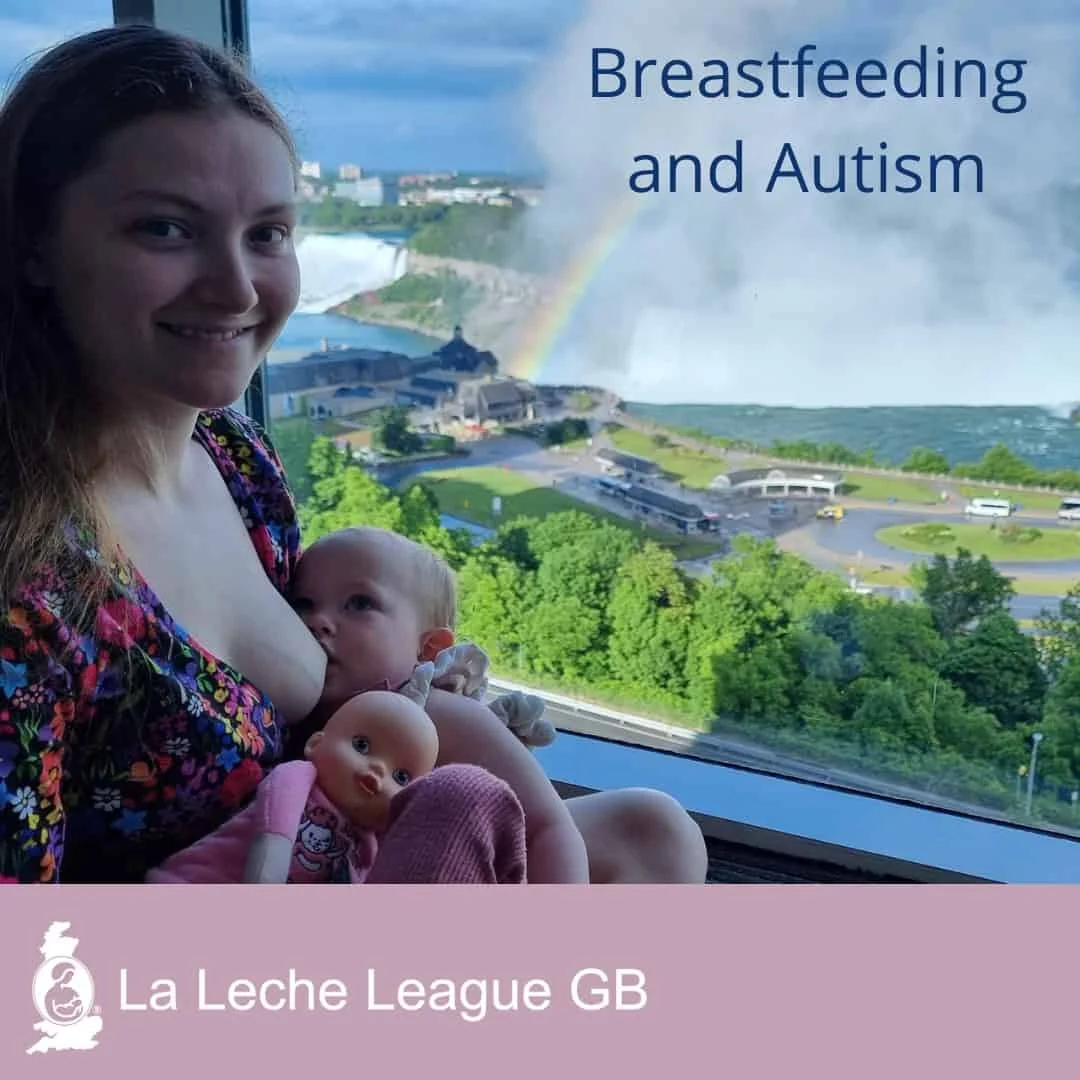
Breastfeeding, a deeply personal and often profound experience, presents a unique landscape for neurodivergent individuals, both as parents and as children. While the fundamental act remains universal, the journey for autistic parents, or those raising autistic children, is often marked by distinct challenges and remarkable strengths that warrant specialized understanding and support. This article delves into the multifaceted intersection of autism and breastfeeding, exploring the specific considerations that shape this experience, from sensory processing differences to communication styles and the critical need for tailored support systems.
Understanding Autism and Neurodiversity in the Context of Parenting
Autism Spectrum Disorder (ASD) is recognized as a neurodevelopmental difference, meaning autistic individuals experience, perceive, and interact with the world in ways that diverge from neurotypical norms. This neurodivergence manifests across a wide spectrum, where abilities, challenges, and communication styles are highly individualized and can fluctuate significantly depending on the environment and situation. The recognition of autism has evolved, moving from a deficit-based model to an appreciation of neurodiversity, acknowledging the inherent variations in human brains.
Historically, autism diagnoses were predominantly given to males, leading to a significant underestimation and underdiagnosis of autism in women and girls. Current estimates suggest that while approximately 0.82% of the population in England are formally diagnosed as autistic, up to a staggering 72% of the autistic population may remain undiagnosed, with a disproportionate number being women. This pervasive underdiagnosis has profound implications for maternal healthcare, as many autistic women navigate pregnancy, childbirth, and postpartum care, including breastfeeding, without the benefit of a formal diagnosis or appropriate neurodiversity-affirming support. Consequently, healthcare providers and support networks may inadvertently fail to recognize or address their specific needs, leading to increased anxiety, stress, and potentially traumatic experiences.
The Breastfeeding Journey for Autistic Parents: Strengths and Obstacles
For many autistic women and parents, the decision to breastfeed is a considered one, and their approach to it can be characterized by both unique advantages and significant hurdles.
Empowerment and Determination: Autistic Strengths in Breastfeeding

Autistic individuals often possess profound strengths that can greatly benefit their breastfeeding journey. Many autistic women report finding the act of breastfeeding to be a source of calm, quiet, and deeply enjoyable time. It offers a protected period for rest and connection, often described as empowering. A key strength frequently observed is an exceptional capacity for in-depth research and independent information gathering. Autistic parents who choose to breastfeed are often highly knowledgeable about the process, having meticulously researched every aspect, and approach it with remarkable determination and commitment. This thorough preparation can be a significant asset in overcoming initial difficulties and sustaining breastfeeding.
Navigating Sensory Landscapes
Sensory processing differences are a hallmark of autism and can profoundly impact the breastfeeding experience. Autistic parents may experience heightened or reduced sensitivities across all five senses – touch, smell, taste, sight, and sound – as well as interoception (the sense of internal bodily states like hunger or fullness).
- Touch: The physical sensations of breastfeeding, such as nipple stimulation, the baby’s skin-to-skin contact, or the wetness of milk, can be intensely uncomfortable or, conversely, barely registered. Some parents might find the deep pressure of a baby comforting, while others might experience overwhelming tactile input.
- Sound: The sounds associated with feeding – the baby’s suckling, swallowing, or crying – can be jarring or distressing in certain environments. Background noise in a feeding space can exacerbate this.
- Smell: The natural scent of breast milk, the baby’s unique smell, or even environmental odors can be overwhelming or unpleasant for those with heightened olfactory sensitivity.
- Sight: Visual distractions during feeding, direct eye contact with the baby, or bright, fluorescent lighting can disrupt focus and comfort.
- Interoception: Difficulties in perceiving internal bodily cues can mean an autistic parent might struggle to recognize their own hunger, thirst, or fullness, potentially impacting their energy levels and milk supply if they forget to nourish themselves adequately.
Communication Barriers and the Quest for Support
Communication differences represent another significant area of challenge. Autistic individuals may experience situational mutism, where they are unable to verbally communicate in specific stressful or overwhelming situations, even if they are typically verbal. This necessitates flexible communication methods, such as the option to write or type on a phone, use picture cards, or utilize sign language.
Accessing traditional breastfeeding support can be fraught with difficulties. Many autistic women express discomfort or outright inability to ask for additional support, often due to social anxiety, previous negative experiences, or a tendency to mask their struggles. Group settings, while beneficial for many, can be overwhelming due to unpredictable social interactions, sensory overload (noise, multiple conversations, unfamiliar environments), and the pressure for small talk. Furthermore, many autistic individuals find phone calls challenging due to difficulties processing auditory information, interpreting tone, or managing the spontaneous nature of conversations. This can be a major barrier to accessing national helplines or reaching out to local support services.
The lack of control over their bodies and experiences post-birth, coupled with these communication and sensory challenges, contributes to higher rates of Post-Traumatic Stress Disorder (PTSD) within the autistic community compared to neurotypical individuals. Acknowledging these vulnerabilities, organizations like LLLGB offer alternative support channels, such as written help forms, to bridge these communication gaps and provide accessible assistance.
Optimizing Support for Autistic Parents

Supporting an autistic person through their breastfeeding journey requires a neurodiversity-affirming approach centered on individual needs. Key considerations for healthcare professionals and support providers include:
- Creating Accessible Environments: Offering quiet, low-stimulus spaces for consultations, minimizing bright lights and excessive noise.
- Flexible Communication: Providing information in diverse formats (written handouts, visual aids, clear verbal instructions) and offering alternative communication channels (email, text, written notes) for support.
- Direct and Clear Language: Using unambiguous language, avoiding metaphors, sarcasm, or abstract concepts, and allowing ample time for processing information.
- Respecting Autonomy and Boundaries: Empowering parents by acknowledging their strengths and respecting their choices, ensuring they feel in control of their bodies and care decisions.
- Validating Experiences: Actively listening and validating their unique challenges and feelings without judgment.
- Facilitating Social Support: Offering options for one-on-one support or allowing a trusted support person to accompany them to group meetings, with clear information provided beforehand about what to expect.
Breastfeeding an Autistic Child: Nurturing and Navigating
The benefits of breastfeeding extend beyond infancy, with the World Health Organization recommending breastfeeding for two years and beyond, and the natural age of weaning estimated between 2.5 and 7 years. For autistic children, or those suspected of being neurodivergent, breastfeeding can be particularly significant, serving as a powerful tool for regulation, comfort, and nutrition.
Sensory Differences in Autistic Children and Feeding Patterns
Just as with autistic adults, autistic children often process sensory input differently. This can manifest as either heightened sensitivity (avoiding certain sensory experiences) or sensory seeking (actively pursuing certain sensations). These differences profoundly impact feeding patterns:
- Regulation and Comfort: Many autistic children will seek to breastfeed very frequently to regulate themselves, especially when overwhelmed by sensory input from their environment (e.g., loud places, unfamiliar situations). The rhythmic suckling, close physical contact, and comfort of breastfeeding provide a predictable and calming experience.
- Feeding Aversion: Conversely, sensory sensitivities can make feeding challenging. A child might struggle to feed if they are overwhelmed by the temperature of the room, the texture of clothing, or other sensory stimuli. In such cases, modifying the environment to reduce or avoid distressing sensory input is crucial.
- Solid Food Challenges: As they grow, autistic children may develop strong aversions to certain solid foods based on texture, taste, smell, or sight. This can lead to a limited diet, and in turn, an increased reliance on breast milk for nutrition and comfort.
- Interoception: Similar to autistic adults, some autistic children may have interoception difficulties, struggling to recognize when they are hungry, thirsty, or full. This can complicate feeding cues and lead to inconsistent feeding patterns.
The "High Needs" Neurodivergent Child and Parental Self-Care
Many babies and young children are described as "high needs" due to an intense desire for closeness and frequent interaction with their primary caregiver. This intensity can be particularly pronounced in neurodivergent children, who may rely heavily on their parent for co-regulation. While this deep attachment is normal and beneficial, it can be incredibly demanding for parents, leading to exhaustion and potential burnout.
Self-care becomes paramount for parents breastfeeding autistic children. Building a robust support network of family, friends, and like-minded communities is essential. These networks can offer practical help, emotional validation, and a sense of belonging, which is critical during the intense early years of raising a neurodivergent child.

Navigating Weaning and Boundaries
Weaning can present a unique set of challenges when breastfeeding an autistic child. For many, breastfeeding is not just about nutrition; it’s a vital coping mechanism, a source of regulation, and a consistent comfort in a world that can often feel unpredictable.
- Communication Barriers: Setting boundaries or communicating the concept of weaning can be difficult due to the child’s communication differences or their rigid thinking patterns.
- Sensory Attachment: The strong sensory attachment to breastfeeding can make separation difficult. The texture, warmth, and oral stimulation of nursing are powerful regulatory tools that are not easily replaced.
- Emotional Co-Regulation: Breastfeeding acts as a primary co-regulation strategy for many autistic children. Disrupting this can lead to increased anxiety, meltdowns, or difficulty managing emotions.
Parents who choose to continue breastfeeding into toddlerhood and beyond often find it provides invaluable nutrients and emotional support for their child, especially if their solid food intake is limited due to sensory aversions. However, parents may also reach a point where they need to set gentle boundaries or consider weaning for their own well-being.
Strategies for Gentle Weaning and Boundary Setting:
For parents seeking to place boundaries or limit breastfeeding with an autistic child, patience, consistency, and a multi-faceted approach are key:
- Visual Schedules and Timers: Utilizing visual aids (pictures, social stories) to illustrate when and where breastfeeding will occur, or using a timer to indicate the duration of a feed, can provide predictability and reduce anxiety.
- Distraction and Substitution: Offering alternative forms of comfort, attention, or oral input (e.g., a special cup of water, a calming activity, a favorite toy, a cuddle with another caregiver) when breastfeeding is not an option.
- "Don’t Offer, Don’t Refuse" with Structure: A strategy where the parent doesn’t initiate feeds but doesn’t refuse if the child asks, while also introducing clear, consistent boundaries around frequency or location.
- Designated Feeding Spaces and Times: Limiting breastfeeding to specific chairs, rooms, or times of day can help establish a new routine.
- Clear and Consistent Verbal Communication: Explaining boundaries in simple, repetitive language, even if the child’s understanding seems limited, can contribute to their eventual acceptance.
- Gradual Reduction: Slowly decreasing the length or frequency of feeds over an extended period allows both parent and child to adapt incrementally.
- Partner Involvement: Encouraging a partner or trusted caregiver to offer comfort, meals, or bedtime routines can help shift the child’s reliance solely on breastfeeding for comfort.
- Professional Support: La Leche League Leaders can provide personalized support and information on gentle weaning strategies tailored to the child’s age and developmental stage, offering guidance on navigating these complex transitions.
Broader Implications and Future Directions
The experiences of autistic parents and those breastfeeding autistic children underscore the critical need for a more inclusive and neurodiversity-affirming approach within maternity and pediatric healthcare. This involves systemic changes, including enhanced training for healthcare professionals on autistic communication styles, sensory sensitivities, and the unique mental health considerations of neurodivergent individuals.
Further research is essential to deepen our understanding of these nuanced experiences, leading to evidence-based guidelines and support resources. By recognizing and actively addressing the specific needs and celebrating the inherent strengths of neurodivergent families, we can foster environments where all parents feel supported, empowered, and capable of nurturing their children in ways that honor their unique neurotype. The journey of breastfeeding in the context of autism is a testament to the diverse paths of parenting, highlighting the profound importance of individualized care, empathy, and unwavering support.

Written by Emily Lunny, November 2023. Review due November 2026. Photos courtesy of Sophie Burrows and Emily Lunny.
Further Reading
Dysphoric Milk Ejection Reflex (D-MER)
Still Nursing after 1 year
Supporting a breastfeeding mother
Weaning from the breast
Online Information
Maternity Autism Research Group (MARG)
References
[1] O’Nions, E. et al., 2023
[2] Hampton, S. et al., 2021
[3] Hampton, S. et al., 2021
[4] Grant, A. et al. 2022
[5] Rumball, F., Happé, F. and Grey, N., 2020
[6] Grant, A. et al., 2022
[7] Crane, L. et al., 2018
[8] Dettwyler, K.A., 1999
Copyright LLLGB 2023
