

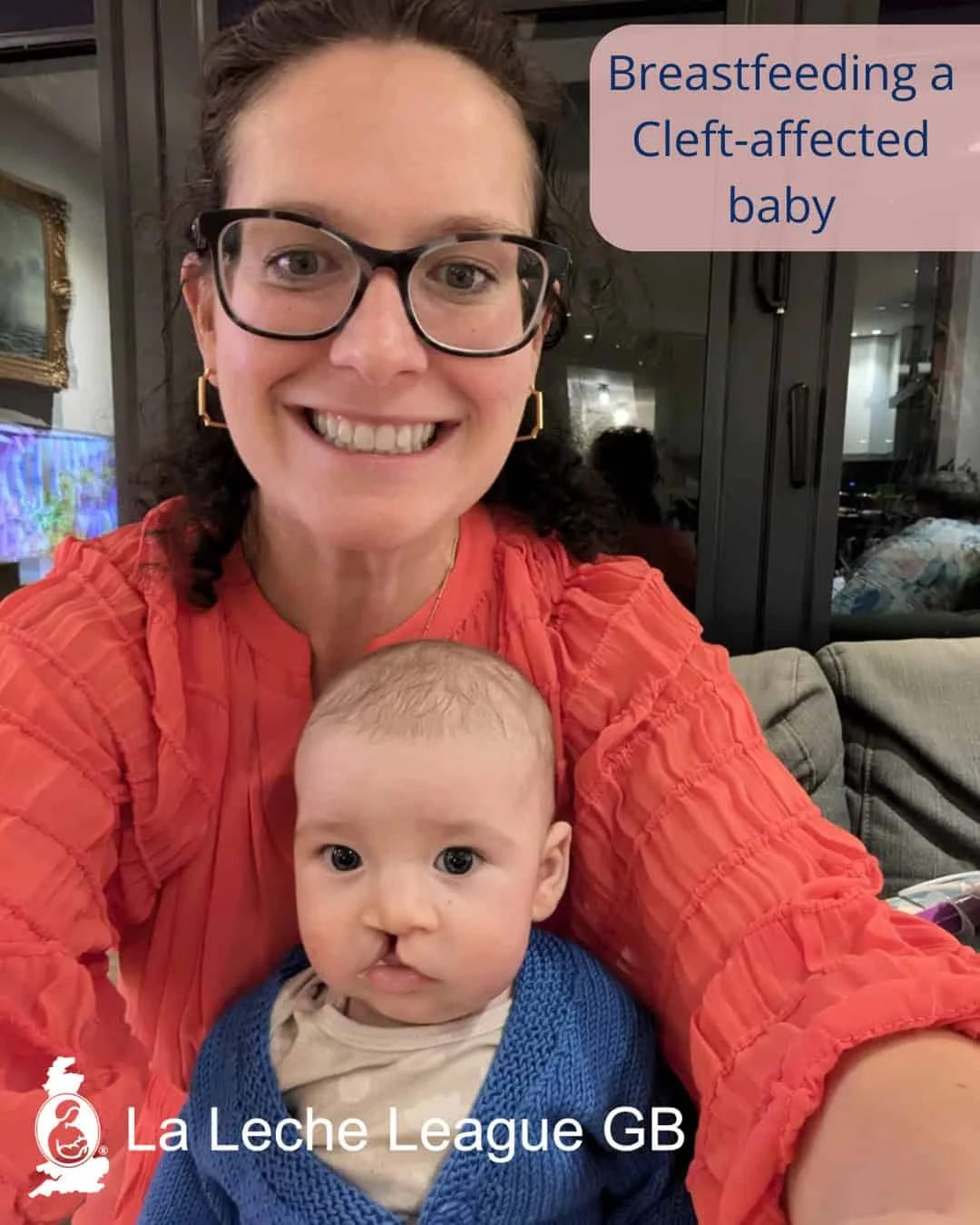
A cleft lip or palate, a congenital condition affecting approximately 1 in 700 babies globally, occurs when the facial structures forming the upper lip or the roof of the mouth fail to join completely during fetal development. This condition presents unique challenges for infant feeding, particularly breastfeeding, due to its direct impact on a baby’s ability to create the necessary suction for milk transfer. While a cleft lip alone often allows for breastfeeding with adaptations, a cleft palate significantly impedes a baby’s capacity to generate the crucial suction pressure required to draw milk from the breast, necessitating surgical intervention before unassisted direct breastfeeding typically becomes viable.
The journey for families receiving a diagnosis of a cleft-affected baby, whether prenatally or postnatally, often begins with a mix of emotions, including concern about feeding. However, medical advancements and dedicated support systems have made breastfeeding a realistic and highly beneficial option, albeit one that frequently demands considerable perseverance, strategic planning, and extensive support from healthcare professionals and peer groups.
Understanding Cleft Conditions and Their Impact on Feeding
Cleft lip and cleft palate are among the most common birth differences worldwide. A cleft lip can range from a minor notch to a complete separation extending into the nose. A cleft palate, often more complex, involves an opening in the roof of the mouth that can extend from the soft palate (near the throat) to the hard palate (near the front of the mouth). The precise location and severity of the cleft dictate the feeding challenges.
Babies with only a cleft lip often possess sufficient palate integrity to form a seal around the nipple and areola, enabling them to breastfeed effectively, sometimes with minor adjustments in positioning or latch. The primary hurdle might be achieving a deep enough latch to compensate for the lip’s structural difference. In contrast, a cleft palate creates an open connection between the mouth and the nasal cavity. This opening prevents the oral cavity from sealing off, making it impossible for the baby to create the vacuum necessary for suction. Without this suction, milk cannot be efficiently removed from the breast. Consequently, babies with cleft palates typically require alternative feeding methods until surgical repair can be performed, usually between 6 and 18 months of age, depending on the specific case and medical protocol.

The Crucial Role of Breast Milk and Early Intervention
For any infant, breast milk provides optimal nutrition and immunological benefits. For a cleft-affected baby, these benefits are even more profound. Human milk contains antibodies and living cells that help protect against infections, which is particularly vital for infants who may undergo multiple surgeries and are at a higher risk of ear infections and respiratory issues due to their anatomy. Breast milk also promotes healing and recovery, making it the ideal first food for babies facing surgical procedures.
Upon diagnosis, proactive research and planning are invaluable. Families are encouraged to engage with their cleft specialist nurse, lactation consultants, and support organizations like La Leche League (LLL) early on. These resources offer guidance on establishing and maintaining milk supply, exploring alternative feeding techniques, and navigating the emotional aspects of their feeding journey. LLL Leaders, for instance, provide accessible, ongoing support throughout the entire process, from initial discovery to post-operative feeding adjustments.
Establishing and Maintaining Milk Production: A Foundation for Success
Whether a baby can feed directly from the breast immediately or not, the paramount priority is to establish and maintain the mother’s milk production. This ensures a steady supply of breast milk for the baby and keeps the pathway open for direct breastfeeding once the baby is able.
- Timely Initiation: Ideally, milk expression or direct feeding should commence within the first few hours after birth. This early stimulation is critical for signaling the breasts to begin robust milk production.
- Frequent Milk Removal: In the initial days and weeks, the breasts learn how much milk the baby needs. To establish a full milk supply, most mothers need to express or breastfeed at least 8-12 times in a 24-hour period. The principle is "supply and demand": the more milk removed, the more milk the body will produce. Consistent removal prevents milk production from slowing down, which occurs when breasts feel full.
- Efficient Expression Tools: For mothers whose babies cannot feed efficiently at the breast, a double electric "hospital grade" breast pump is generally the most effective tool. These pumps are designed for maximum efficiency in milk removal and can significantly aid in establishing and maintaining a full supply. Cleft specialist nurses often have access to rental programs or can facilitate borrowing these pumps. While smaller pumps or hand expression can be useful, they may not be sufficient for exclusive expressing to build a full supply.
- The Demanding Early Weeks: The first few weeks of establishing milk supply while a baby cannot fully breastfeed are undeniably challenging. Mothers are advised to seek as much practical support as possible from family, friends, and support networks to allow them to focus on their baby and milk production. While intense initially, many mothers find that they can gradually reduce expression frequency later on while still maintaining a consistent milk volume.
Feeding Adaptations in the Early Days

In the immediate postnatal period, when babies consume small amounts of milk per feed, various methods can be employed to deliver expressed breast milk (or donor milk/formula if necessary) to the baby.
- Syringes and Teaspoons: These are useful for delivering colostrum and small volumes of milk in the first day or two. However, as milk production increases and the baby’s intake grows, these methods quickly become impractical.
- Specialized Bottles: Several brands offer bottles and teats specifically designed for cleft-affected babies. These often feature softer, longer teats, or one-way valves that facilitate milk flow without requiring strong suction. The cleft specialist nurse can provide guidance on selecting the most appropriate type for an individual baby’s needs.
- Nursing Supplementers (Supplemental Nursing Systems/Lactation Aids): These devices allow a baby to latch onto the breast and receive supplemental milk (expressed breast milk, donor milk, or formula) through a thin tube positioned alongside the nipple. This method offers numerous benefits, including the stimulation of the mother’s milk supply through direct breast contact, fostering skin-to-skin bonding, and teaching the baby to associate the breast with feeding.
- Types of Supplementers:
- Syringe-based: A simple, cost-effective option for short-term or smaller feeds, often used with a thin feeding tube.
- Bottle-based: Features a bottle for milk storage with tubes extending to the nipple.
- Bag-based: Similar to bottle systems, but uses a disposable bag for milk, which can be squeezed to assist milk flow.
- Delivering Milk with Supplementers: Babies with cleft palates may struggle to draw milk through the supplementer tube solely by suction. In such cases, the milk may need to be actively delivered. This can involve gently squeezing a bag or bottle system, or, more commonly, using a syringe to push milk through the tube.
- Syringe-delivery Technique: Attach a feeding tube (e.g., 5-8 French gauge) to a syringe containing expressed milk. Position the baby at the breast with a good latch, and gently insert the tube into the corner of the baby’s mouth, ensuring it rests near the nipple. Slowly depress the plunger to deliver milk as the baby sucks. This allows the baby to practice latching and sucking motions while still receiving adequate nourishment.
- Tips for Using Supplementers:
- Preparation: Have all components clean and ready before feeding.
- Positioning: Experiment with different positions to find what works best for tube placement and baby’s comfort.
- Flow Control: Adjust the flow rate of milk delivery based on the baby’s cues to prevent overwhelming them.
- Patience and Practice: Using a supplementer requires practice and can feel cumbersome initially. Persistence is key, and with time, it often becomes a smoother process.
- The experience of mothers like Sarah, who successfully used a nursing supplementer with a syringe to feed her cleft-affected baby, Russell, highlights the profound emotional and practical rewards of this method. Her ability to "already be breastfeeding" through this adaptation brought immense joy and validated her efforts, demonstrating that direct breast contact can be maintained even when suction is compromised.
- Types of Supplementers:
Optimizing Feeding Positions
Finding a comfortable and effective feeding position is crucial for both mother and baby. There is no single "right" position for a cleft-affected baby; what works best is highly individual. Key considerations include:
- Upright Position: Holding the baby in a more upright or semi-upright position can help gravity assist milk flow and reduce the risk of milk entering the nasal passages.
- Cross-Cradle Hold: This popular position allows the mother to support the baby’s head and neck, guiding them to the breast. The hand not holding the baby can gently support the breast and compress it to encourage milk flow.
- Football Hold (Clutch Hold): This position allows good visibility of the baby’s mouth and the cleft, enabling the mother to guide the nipple more precisely and manage the flow of milk. It also keeps the baby’s body tucked alongside the mother, which can be comfortable after a C-section.
- Dancer Hand Hold: For babies struggling with latch or stability, this technique provides support to the baby’s chin and cheeks, helping them maintain a wider gape and a more secure latch.
- Side-Lying Position: While potentially less ideal for some cleft types due to gravity, some mothers find this comfortable for nighttime feeds or to relieve pressure.
Regardless of the position, ensuring a deep latch that covers as much of the nipple and areola as possible is paramount. For babies with a cleft lip, strategic positioning can sometimes help to seal the gap in the lip against the breast.
The Surgical Journey and Post-Operative Breastfeeding
Cleft lip repair typically occurs around 3-6 months of age, while cleft palate repair is often performed between 6-18 months. These surgeries aim to restore normal anatomy and function, including the ability to generate suction for feeding and to speak clearly.

For babies who could not feed directly from the breast pre-surgery, the period immediately following palate repair marks a significant turning point. It is highly beneficial if the baby has maintained some level of breast contact, even if supplemented, before surgery. This helps them "remember" the breast and understand it as a source of nourishment.
Post-surgery, a baby’s mouth anatomy changes, and they may need time to adapt. Swelling, discomfort, and the healing process can make direct breastfeeding challenging for several weeks. During this recovery period, it is crucial for mothers to continue expressing frequently to maintain their milk supply. The immunological and nutritional properties of breast milk are even more critical during healing, aiding in tissue repair and preventing infections. With patience, continued support from lactation consultants, and the baby’s gradual recovery of strength and coordination, many babies successfully transition to full or partial direct breastfeeding after surgery.
Broader Impact and Implications: Beyond Nutrition
The decision and effort to breastfeed a cleft-affected baby extend far beyond mere nutrition.
- Immunological Protection: Breast milk provides unparalleled immune protection, reducing the incidence and severity of ear infections, respiratory illnesses, and gastrointestinal issues—conditions to which cleft-affected infants are often more susceptible. This can lead to fewer hospitalizations and a smoother surgical recovery.
- Oral Development: While debated, some studies suggest that the act of breastfeeding, even with adaptations, can contribute to better oral motor development, potentially influencing speech outcomes and facial muscle development.
- Bonding and Emotional Well-being: The physical closeness, skin-to-skin contact, and emotional connection fostered through breastfeeding are profoundly beneficial for both mother and baby. For parents navigating the stress and challenges of a cleft diagnosis and multiple surgeries, breastfeeding can be a source of immense comfort, empowerment, and a way to feel actively involved in their baby’s healing and growth. It helps normalize the feeding experience and reinforces the parent-child bond.
- Parental Empowerment: Successfully overcoming feeding obstacles empowers parents, boosting their confidence and resilience in managing other aspects of their child’s care.
- Economic Impact: While not explicitly stated in the original article, breastfeeding can reduce healthcare costs associated with formula, specialized feeding equipment (though some are still needed), and fewer illness-related medical visits.
The Indispensable Role of Multidisciplinary Support
The successful feeding journey of a cleft-affected baby relies heavily on a coordinated, multidisciplinary approach. Cleft teams typically include plastic surgeons, orthodontists, speech and language therapists, ENT specialists, and cleft specialist nurses. Lactation consultants and peer support organizations like La Leche League are vital additions to this team, providing specialized expertise in breastfeeding and emotional support.

- Cleft Specialist Nurses: These professionals often serve as the primary point of contact for families, coordinating care, providing practical advice on feeding equipment, and offering emotional support.
- Lactation Consultants: Internationally Board Certified Lactation Consultants (IBCLCs) possess the in-depth knowledge and clinical skills to assess feeding dynamics, troubleshoot latch issues, demonstrate alternative feeding methods, and develop personalized feeding plans.
- Peer Support: Connecting with other mothers who have successfully nursed cleft-affected babies, through organizations like LLL or online forums, provides invaluable empathy, practical tips, and encouragement. Sharing stories of triumph and perseverance can be a powerful motivator.
Conclusion
Breastfeeding a cleft-affected baby is a testament to parental dedication, medical innovation, and the power of human milk. While the path may be fraught with challenges, from establishing milk supply with alternative methods to navigating post-surgical adaptations, the benefits—nutritional, immunological, developmental, and emotional—are immeasurable. With early planning, access to specialized tools, continuous expert guidance, and a robust support network, families can confidently embark on this unique feeding journey, ensuring their cleft-affected babies receive the best possible start in life and thrive through their medical care. The stories of mothers who have successfully breastfed their cleft-affected babies serve as powerful reminders that with perseverance and the right support, this seemingly daunting task can transform into a deeply rewarding experience.
