

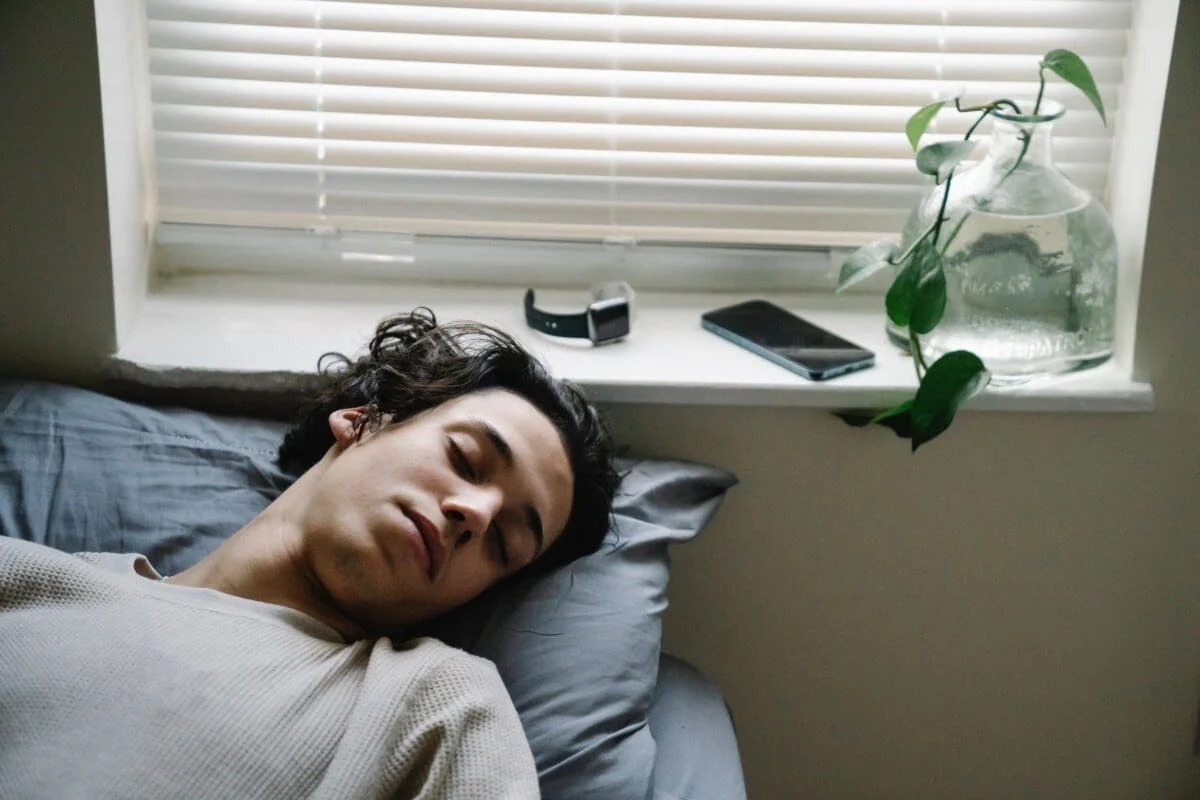
Summer vacation, a period synonymous with newfound freedom and a reprieve from academic pressures, often brings a significant shift in children’s sleep patterns. While this relaxation can be beneficial, it also raises concerns for parents regarding the potential disruption of healthy sleep habits, particularly for teenagers. As the days lengthen and structured school routines dissolve, many young individuals find their internal body clocks recalibrating, leading to later bedtimes and wake-up times. This phenomenon, while natural, can create challenges when it’s time to re-enter the academic year, potentially impacting not only a student’s readiness for learning but also their overall well-being. Understanding these summer sleep dynamics is crucial for parents aiming to foster healthy habits that can persist beyond the break.
The Shifting Sands of Summer Sleep Schedules
For younger children, typically from infancy through elementary school, summer often brings a less drastic alteration to their sleep schedules. These early risers tend to maintain their usual wake times, perhaps shifting slightly later, but are frequently guided by the natural light cycles. The extended daylight hours of summer can, paradoxically, lead to them waking even earlier than during the school year.
However, as children enter adolescence, a significant biological shift occurs. Puberty is associated with a delay in the natural sleep-wake cycle, often by as much as three hours. This "sleep phase delay" means that teenagers’ bodies are naturally inclined to fall asleep later and wake up later. When coupled with the relaxed structure of summer vacation, this biological predisposition can manifest as significantly later bedtimes and wake-up times, unless external commitments like summer camps or part-time jobs necessitate earlier rising.
Research has begun to quantify these shifts. A study focusing on early adolescents, aged 12 to 14, observed an average shift in their sleep schedule timing by approximately 41 minutes later during the summer months compared to their school year sleep patterns. While data on older teenagers is less extensive, this finding underscores a tangible alteration in adolescent sleep chronobiology during their summer break. This innate inclination for later sleep can be exacerbated by the lack of strict schedules, creating a compounding effect that moves their sleep significantly out of sync with the demands of the academic year.
Reassessing Summer Sleep Expectations: Is Relaxation Always Beneficial?
Many parents might feel inclined to adopt a more relaxed approach to sleep during the summer, allowing their children to "catch up" on rest. Indeed, a substantial portion of teenagers are chronically sleep-deprived during the school year. Some researchers suggest that allowing teens to align their sleep with their natural, later body clock during the summer can be a period of necessary recuperation. However, this perspective is not without its caveats.
The Weighty Implications of Summer Sleep Deprivation:
A significant concern directly linked to altered summer sleep patterns is the potential for weight gain in children, particularly those already struggling with obesity. The "Structured Days Hypothesis" offers a framework for understanding this phenomenon. During the summer, children often experience a reduction in daily structure. This can translate into less consistent meal times, increased access to less healthy food choices, reduced physical activity, and, crucially, disrupted and later sleep schedules. These factors, when combined, create an "obesogenic" environment, increasing the predisposition to weight gain. Studies have indicated that this summer weight gain can contribute significantly to the cumulative weight challenges faced by children throughout the year.
The Fallacy of "More Sleep" in Summer:
Contrary to the assumption that summer vacation automatically equates to more sleep, evidence suggests otherwise for some age groups. A study involving seven-year-olds in New Zealand revealed that these children actually slept less on weekends and during summer days compared to weekdays during the school year. Further research indicates that particularly vulnerable groups, such as urban minority girls, may continue to experience sleep deprivation throughout the summer months. This highlights the complexity of summer sleep, suggesting that freedom from school schedules does not automatically guarantee adequate rest.
The Link Between Later Sleep and Poorer Dietary Choices:
The timing and duration of sleep during the summer can also have a direct impact on dietary habits. A study involving over a hundred gifted students aged 9 to 15 explored the relationship between sleep timing and food choices. Participants were categorized based on their "midsleep time" – the midpoint of their sleep duration. Those in the "late group" (midsleep time of 6:14 am during the summer) were found to be more likely to make less healthy dietary choices. This included increased consumption of sugary and caffeinated beverages, as well as foods with high energy density and poor nutritional content. This finding adds to a growing body of research suggesting a correlation between shorter sleep durations, later sleep times, and an increased risk of childhood obesity.
Parental Influence: The Unseen Architect of Summer Sleep
Despite the natural inclination for teenagers to assert independence, parents retain a significant influence over their children’s sleep habits, even during adolescence. The aforementioned study on sleep timing and dietary choices also revealed that children in the earlier sleep group were more likely to have parents who set a bedtime. This suggests that parental expectations and the way sleep is discussed within the family unit can play a pivotal role in shaping sleep behaviors. While it may not always feel like it, parental guidance regarding sleep remains a powerful tool.
The Question of Bedtimes During Summer Break
For children up to the age of fourteen, establishing a bedtime, even a slightly later one, is generally recommended. Beyond this age, for older teenagers, focusing on a consistent wake time on weekdays may be a more effective strategy, allowing for some flexibility in their bedtime.
The Perils of Sleeping All Day
While it might be tempting to allow teenagers to sleep in excessively, making a habit of sleeping all day can create significant difficulties in readjusting to the school year’s demands. This prolonged sleep can lead to a more pronounced struggle with "social jet lag" – the mismatch between an individual’s internal body clock and the social or work schedule.
Identifying Excessive Sleep in Teenagers
While teenagers generally require more sleep than younger children, consistently needing more than 10 to 11 hours per night could indicate an underlying sleep disorder. In such cases, consulting a pediatrician is advisable. However, it’s more common for teenagers who appear to be sleeping excessively to simply have an inconsistently late bedtime.
Strategic Sleep Management for Summer Success
To mitigate the negative impacts of disrupted sleep schedules and ensure a smoother transition back to school, parents can implement several key strategies throughout the summer months.
1. Gradual Schedule Adjustments with Parental Input:
For children aged 12 to 14, maintaining a set bedtime is advisable, even if it’s adjusted to be later than their school-year schedule. For younger children, a modest shift of one hour later for both bedtime and wake-up time is often manageable. For older teens, a more collaborative approach is often more successful. Negotiating a wake-up time and allowing them to set their own bedtime can foster a sense of autonomy while still promoting a structured sleep pattern. The goal is to avoid extreme shifts that will be difficult to reverse.
2. Injecting Structure and Activity into Summer Days:
Summer schedules are not solely about sleep; daytime activities play a crucial role in regulating sleep-wake cycles. While structured programs like camps or jobs are ideal, they are not universally accessible. Nevertheless, ensuring children engage in physical activity and get exposure to natural sunlight daily is vital. Simple measures like assigning chores, encouraging outdoor play, and facilitating morning social interactions can provide the necessary structure to promote healthier sleep patterns.
3. Mindful Management of Electronic Devices:
The allure of electronic devices can be a significant disruptor of summer sleep. While a degree of leniency with screen time is understandable, allowing unchecked use throughout the day and night can be detrimental. A minimum guideline should be to keep all electronic devices out of the bedroom at night. Implementing screen time limits, especially during hours that should be dedicated to sleep, is essential. The blue light emitted from screens can interfere with melatonin production, making it harder to fall asleep.
4. Vigilance in Ensuring Sufficient Sleep:
Parents should not take it for granted that their children are getting enough sleep during the summer. Regularly checking in on their child’s sleep duration and quality is paramount. The recommended sleep durations vary by age, with school-aged children (6-12 years) needing 9-12 hours and teenagers (13-18 years) requiring 8-10 hours per 24-hour period, according to the American Academy of Sleep Medicine. While some variation is normal, consistently falling outside these ranges warrants discussion with a pediatrician.
It is important to remember that these guidelines apply to average days. Occasional late nights due to social events, such as sleepovers, are generally not cause for alarm and are a normal part of childhood and adolescence.
Preparing for the School Year: The Pre-Academic Sleep Tune-Up
As the end of summer vacation approaches, parents should proactively consider how to reintroduce their children to their school-year sleep schedules. A sudden and drastic shift can lead to a challenging adjustment period, often referred to as "social jet lag," which can impact a student’s academic performance and overall mood at the start of the school year.
For students who have experienced significant sleep schedule disruptions, a "sleep tune-up" in the month leading up to school can be highly beneficial. This is particularly true for those with pre-existing circadian rhythm issues. The beginning of the school year sets the tone for academic success, and students struggling with sleep may face an uphill battle. Parents are encouraged to evaluate their child’s current sleep habits and identify any necessary readjustments well in advance of school resumption.
To gauge whether a sleep adjustment is needed, parents can ask two key questions:
- Is my child consistently waking up more than two hours later than their school wake-up time (for teens) or one hour later (for pre-teens and younger) on days without scheduled activities?
- Is my child’s current summer sleep schedule significantly out of sync with the demands of the upcoming school year?
If the answer to either of these questions is yes, it’s time to implement a gradual plan to shift their sleep schedule.
The Importance of a Gradual Transition
Adjusting a child’s sleep schedule at the end of the summer vacation requires a methodical approach. For children who are sleeping very late, a gradual rollback of their sleep schedule is often necessary. This might involve waking them up 15-30 minutes earlier each day for a week, gradually progressing towards their desired school-year wake-up time. For example, getting a child up around 8 am for a week before school starts, and ensuring they get some morning sunshine and a brief walk, can help their body clock naturally adjust to an earlier schedule.
Re-establishing Healthy Bedtime Routines
While a slightly more relaxed approach to routines is acceptable during summer, normalizing screen use in the bedroom at night should be avoided. If teenagers have become accustomed to using screens before bed, it is crucial to begin curtailing this habit. Clear rules should be established regarding the placement of cell phones, tablets, and televisions outside the bedroom during sleep hours. Furthermore, selecting a bedtime that allows for adequate sleep duration, as recommended by age, is essential for a successful return to school.
The recommended sleep durations by age, as outlined by the American Academy of Sleep Medicine, provide a valuable guideline:
| Age | Recommended Sleep per 24 Hours |
|---|---|
| Infants 4–12 months | 12–16 hours (including naps) |
| Toddlers 1–2 years | 11–14 hours (including naps) |
| Preschoolers 3–5 years | 10–13 hours (including naps) |
| School age 6–12 years | 9–12 hours |
| Teenagers 13–18 years | 8–10 hours |
It is important to note that these are general recommendations, and some children may fall outside these ranges while still being healthy. However, if a child consistently requires significantly more or less sleep than recommended, consulting with a pediatrician is advisable to rule out any underlying sleep disorders or other health concerns.
Ultimately, navigating the summer sleep landscape requires a balance of allowing for relaxation and maintaining fundamental sleep hygiene principles. By understanding the biological shifts in adolescent sleep, recognizing the potential pitfalls of unchecked summer sleep schedules, and implementing proactive strategies, parents can help their children transition back to school with energy, focus, and a foundation of healthy sleep habits. The investment in these adjustments can pay dividends throughout the academic year, contributing to a more successful and less stressful educational experience.
