

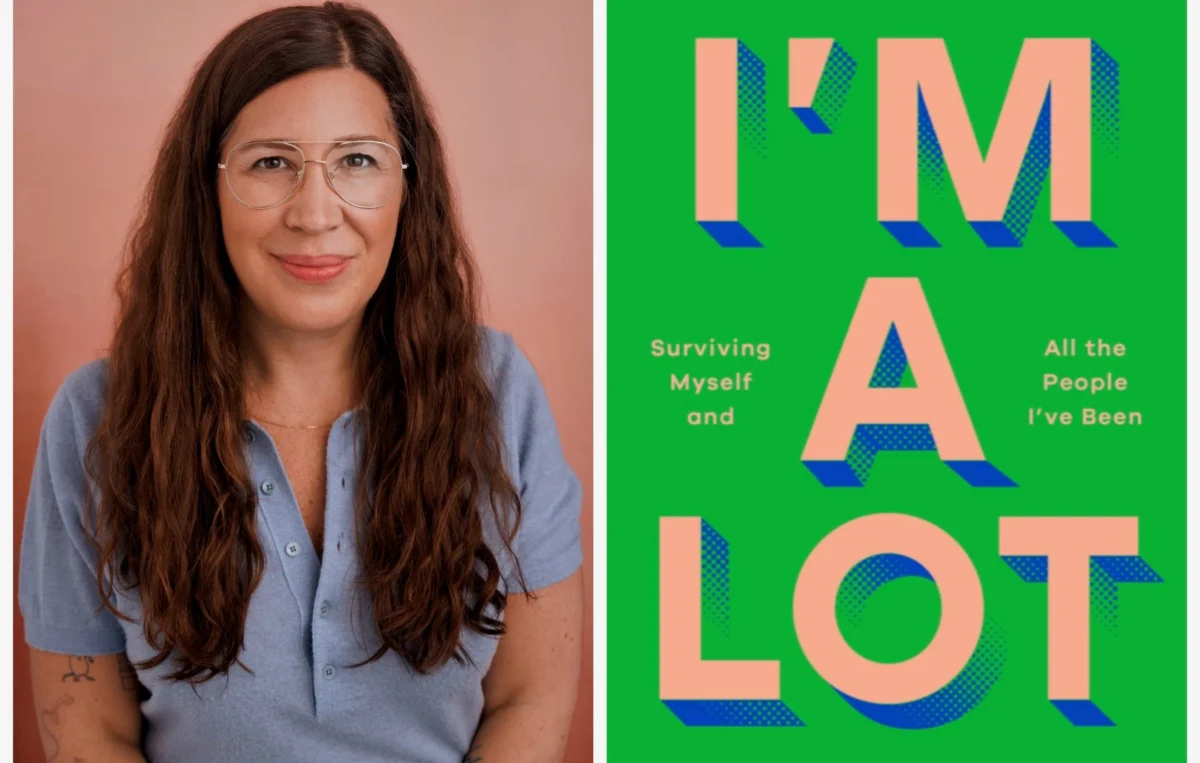
The publication of Alison Leiby’s new essay collection, I’m a Lot, marks a significant moment in the cultural discourse surrounding the "only child" experience, providing a nuanced perspective on a demographic that has long been subject to psychological scrutiny and social stereotyping. Leiby, a prominent writer and producer known for her work on The Marvelous Mrs. Maisel and Life & Beth, utilizes her memoir to deconstruct the myths of the "spoiled" or "lonely" only child, instead offering a portrait of a family life defined by adult-centric maturity, unique traditions, and the looming complexities of sole caregiving. As the American family structure continues to shift toward smaller units, Leiby’s reflections serve as both a personal history and a sociological touchstone for understanding the "singleton" household in the 21st century.
The Evolution of the Only Child Identity
For decades, the "only child" was often viewed through the lens of a 19th-century psychological study by G. Stanley Hall, who famously characterized being an only child as "a disease in itself." This stigma persisted through much of the 20th century, manifesting in popular culture as the trope of the maladjusted, selfish, or socially awkward child. However, Leiby’s narrative challenges these archaic perceptions by highlighting the advantages of the singleton experience, such as the development of early intellectual maturity and a deep, peer-like bond with parents.
Leiby’s upbringing in the 1990s coincided with a media landscape that largely ignored the three-person family unit. She notes that the "TGIF" lineup on ABC, which featured shows like Full House and Family Matters, prioritized large, often blended families. This lack of representation created a sense of "otherness" for only children, whose domestic lives—characterized by quiet reading and adult conversations rather than sibling rivalry—were deemed insufficiently dramatic for television. Leiby’s work suggests that this absence of media representation contributed to the enduring stereotypes that only children are "freaks" who lack the ability to handle conflict.
Sociological Trends and Demographic Shifts
The release of I’m a Lot arrives at a time when the one-child family is becoming increasingly common in the United States and across the developed world. According to data from the U.S. Census Bureau and the Pew Research Center, the percentage of mothers who have only one child at the end of their childbearing years has doubled since the mid-1970s, rising from approximately 11% to 22%. Economic factors, including the rising cost of childcare and housing, along with a shift toward later marriage and increased career prioritization for women, have contributed to this trend.
Sociologists note that the "resource dilution theory"—the idea that parental resources (time, money, and attention) are spread thinner as more children are added—often works in favor of the only child. Leiby’s description of her family’s "separate vacations" and their eventual "no gifts" policy in favor of luxury travel to Aruba exemplifies the concentrated investment often found in singleton households. This financial and emotional focus allows for unique family traditions that are often logistically or financially impossible for larger families.

Psychological Perspectives on Birth Order
While popular culture remains obsessed with birth order personality traits, modern psychological research offers a more complex view. Toni Falbo, a professor of educational psychology at the University of Texas at Austin and a leading expert on only children, has conducted extensive meta-analyses comparing only children to those with siblings. Her research consistently finds that only children do not differ significantly from their peers in terms of sociability, self-esteem, or personality. In fact, only children often score higher on measures of achievement motivation and personal adjustment.
Leiby’s memoir corroborates these findings, describing a childhood where she was treated more as a peer than a subordinate. This "adult-centric" upbringing, while perhaps isolating at times, fostered a level of comfort with authority figures and a sophisticated communication style. Leiby recounts her ability to converse with teachers and engage with adult topics like those found on 60 Minutes, a trait common among children who spend the majority of their time in the company of adults.
The "Sisterhood" Gap and Peer Socialization
One of the more poignant themes in Leiby’s work is the acknowledgement of what is lost in the absence of siblings, particularly the "gatekeeper" role of an older sister. In her essays, she reflects on the trial-and-error nature of navigating puberty and feminine social norms without a mentor. This highlights a specific sociological phenomenon where only children must look outward to peers or media for the "social scripts" that siblings typically provide.
However, the absence of siblings also necessitates the development of "chosen families." Psychologists suggest that only children often place a higher value on their friendships, treating close friends as surrogate siblings. Leiby’s ability to "decompress" in silence, much like an adult after a long day, suggests a high level of self-regulation and comfort with solitude—traits that are increasingly valuable in a modern, hyper-connected world.
The Looming Challenge: Sole Caregiving and the Sandwich Generation
Perhaps the most significant contribution of Leiby’s narrative is her candid discussion of the "adult only child" experience. As the Baby Boomer generation ages, many only children are finding themselves in the position of sole caregiver. Unlike those with siblings, only children cannot distribute the emotional, physical, or financial burden of caring for aging parents.
This "lone caregiver" status presents a unique set of challenges:

- Decision-Making Pressure: Without siblings to consult, the only child bears the full weight of medical and end-of-life decisions.
- Financial Strain: The cost of elder care, which has risen significantly over the last decade, must be managed without the possibility of cost-sharing among siblings.
- Emotional Isolation: The "shared history" of a family dies with the parents; for an only child, there is no one else who remembers their childhood in the same intimate way.
Leiby’s admission of being "unbelievably scared" of this future resonates with a growing segment of the population. Data from the AARP indicates that nearly 1 in 4 caregivers is a Millennial, and a significant portion of these are only children. The "sandwich generation"—those caring for both children and aging parents—is a well-documented phenomenon, but the "singleton sandwich" is a more recent and less-discussed variation that Leiby’s work brings to the forefront.
Institutional and Market Responses
The market is beginning to respond to the reality of the one-child family. From "micro-living" real estate developments to travel packages designed for three-person families, the economy is adapting to the "singleton" norm. In the publishing world, Leiby’s I’m a Lot joins a growing list of titles, such as Lauren Sandler’s One and Only, that seek to provide a more accurate and positive portrayal of the singleton life.
Furthermore, the "no-gift" travel trend mentioned by Leiby is reflective of a broader societal shift toward "experience-based" consumption. For a three-person family, the ability to pivot resources toward a single, high-quality annual event like the Aruba trip represents a lifestyle choice that prioritizes collective memory-making over material accumulation.
Conclusion: A New Definition of Normal
Alison Leiby’s I’m a Lot serves as a vital correction to the historical narrative of the only child. By blending humor with raw honesty about the future, she provides a roadmap for understanding the modern family unit. The "normal" family, as Leiby notes, is a myth; what remains is the reality of diverse household structures, each with its own set of advantages and anxieties.
As birth rates continue to decline and the "only child" becomes a standard rather than an exception, the insights provided by Leiby and the supporting sociological data suggest that the singleton experience is not one of deficit, but of a different kind of abundance. The strength of the three-person bond, the early development of maturity, and the creation of intentional traditions are the hallmarks of this demographic. While the challenges of sole caregiving remain a daunting reality, the resilience and independence fostered in the "quiet rooms" of only-childhood may well be the very tools needed to navigate the complexities of the future.
