


The Roy Rogers, a non-alcoholic beverage consisting of cola and grenadine garnished with a maraschino cherry, is experiencing a notable revival among younger demographics and within high-end dining establishments. Often characterized as the masculine or "darker" counterpart to the Shirley Temple—which utilizes ginger ale or lemon-lime soda—the Roy Rogers serves as a bridge between the traditional "kiddie cocktail" and the sophisticated zero-proof movement currently sweeping the global hospitality industry. As dining habits shift and consumers seek more complex flavor profiles without alcohol, this vintage preparation is being re-evaluated not merely as a children’s treat, but as a staple of classic Americana that appeals to preteens and teenagers seeking a more mature aesthetic.
The Historical Genesis of the Roy Rogers and the Shirley Temple
To understand the current standing of the Roy Rogers, one must look back to the mid-20th century, an era when Hollywood celebrities often inspired culinary trends. The Shirley Temple, widely considered the first "mocktail," was created in the 1930s at Chasen’s in West Hollywood to serve the child star of the same name. As its popularity grew, a demand emerged for a variation that felt distinct from the bright, pink profile of the ginger-ale-based original.
Named after Roy Rogers, the "King of the Cowboys" and a massive star in the 1940s and 1950s, the Roy Rogers drink swapped the pale base for Coca-Cola. This change altered the beverage’s visual identity, moving it away from the pastel aesthetics of the Shirley Temple toward a deeper, more sophisticated mahogany hue. For decades, the drink remained a standard offering on American restaurant menus, particularly in "red-sauce" Italian joints and classic steakhouses. However, by the late 1990s and early 2000s, it had largely faded into the background, often replaced by standard soft drinks or modern flavored lemonades.
The Musso & Frank Connection: Cinematic Influence on Consumption
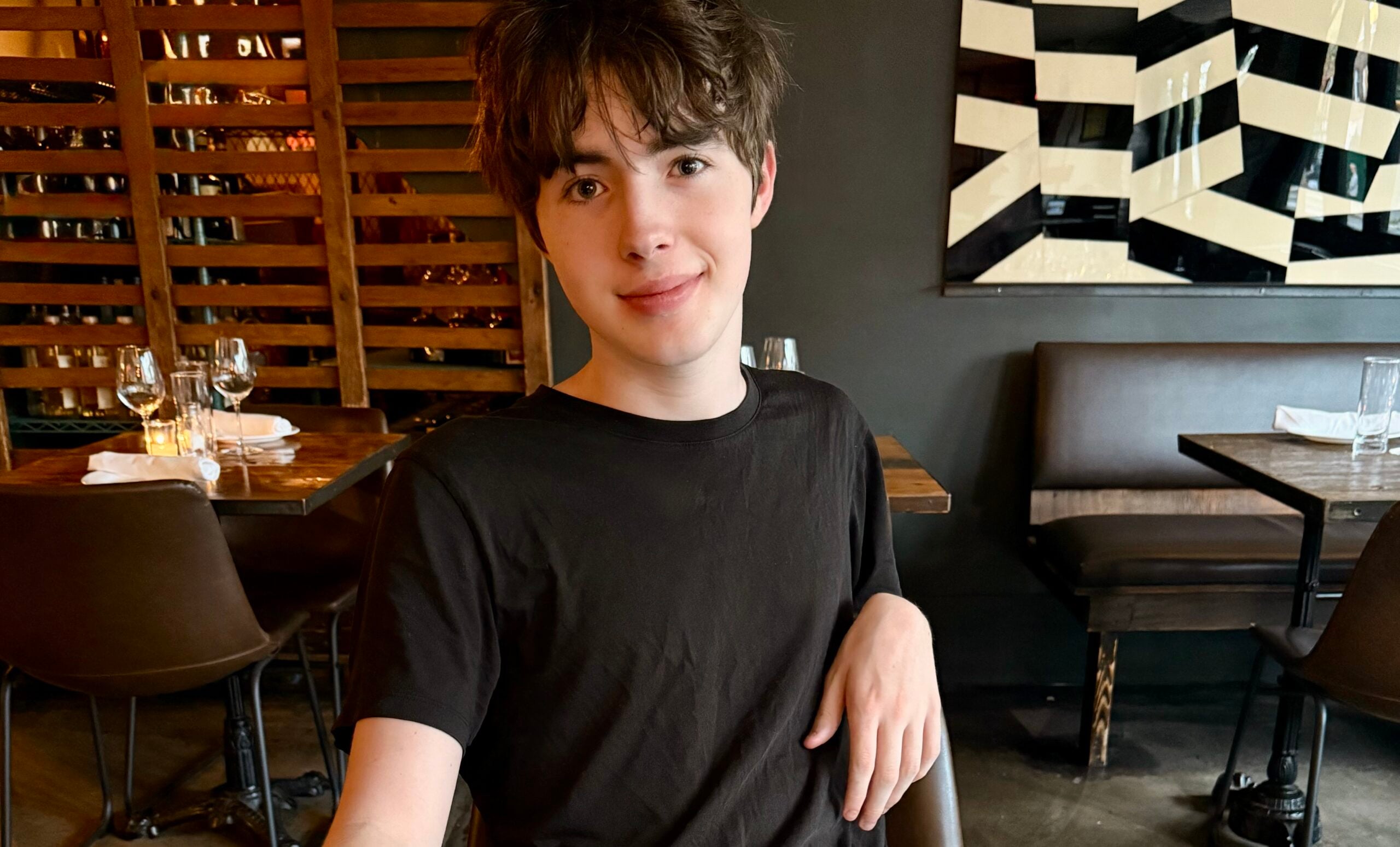
The resurgence of interest in the Roy Rogers is frequently tied to the preservation of "Old Hollywood" dining institutions. Establishments such as Musso & Frank Grill in Los Angeles—the city’s oldest restaurant, founded in 1919—play a pivotal role in maintaining the cultural relevance of these drinks. The restaurant’s atmosphere, characterized by dim lighting, red leather booths, and career bartenders in formal attire, provides a backdrop that elevates a simple soda-and-syrup mixture into a cinematic experience.
Recent observations from young diners indicate that the appeal of the Roy Rogers is often linked to its atmospheric associations. The visual language of these historic bars, which have appeared in films ranging from Once Upon a Time in Hollywood to various noir classics, creates a sense of "historical immersion" for the consumer. When a bartender who mirrors the iconic, stoic figures of 20th-century cinema—such as the character Lloyd from Stanley Kubrick’s The Shining—prepares a Roy Rogers, the act of consumption becomes a performance of nostalgia. This "horror movie" or "noir" aesthetic is a significant draw for the Gen Z and Gen Alpha demographics, who often view dining out as a curated, shareable experience.
Demographic Shifts: The Preteen and Teen Market
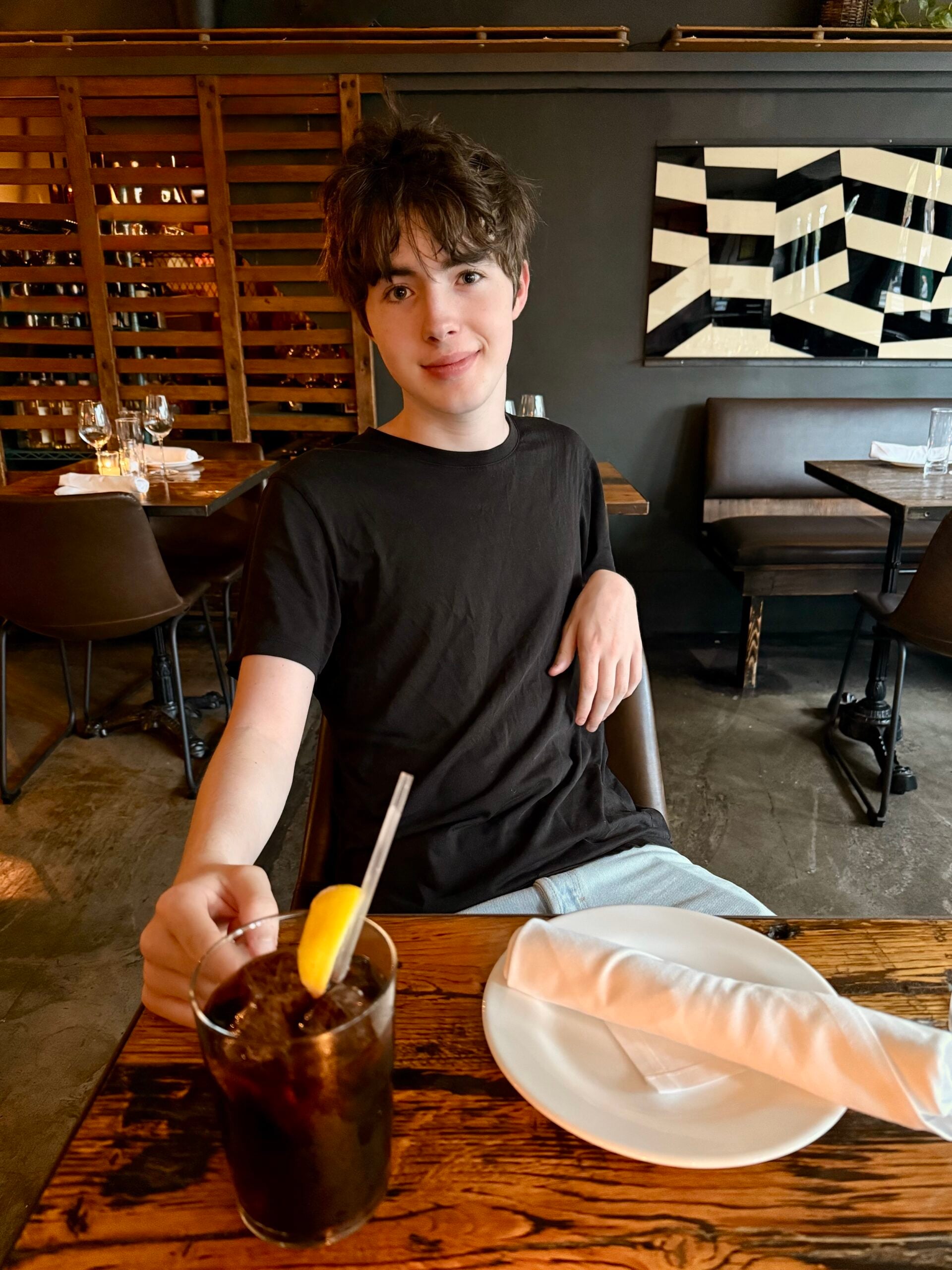
Market analysis suggests that the Roy Rogers is finding a specific niche among preteens and teenagers. While younger children may still gravitate toward the sweetness of a Shirley Temple, older minors often seek a "bridge" beverage. The Roy Rogers, with its caffeine content and deeper flavor profile, offers a sense of maturity. As noted by contemporary young consumers, the drink provides a "Coke-y" base that is familiar but enhanced by the tartness of pomegranate-based grenadine, creating a more complex palate than a standard fountain soda.
Furthermore, there is a social element to the "Roy Rogers vs. Shirley Temple" debate. In the 1980s, the drink was a well-known order that required no explanation. Today, its relative obscurity among younger waitstaff adds an element of "insider knowledge" for the diner. When a patron has to describe the drink—"grenadine with Coke"—it asserts a level of culinary specificity that aligns with the broader trend of "bespoke" or "customized" dining.
Supporting Data: The Rise of the Zero-Proof Economy
The revival of the Roy Rogers does not exist in a vacuum; it is supported by significant economic data regarding the non-alcoholic beverage sector. According to reports from IWSR Drinks Market Analysis, the market value of no-alcohol and low-alcohol products surpassed $11 billion in 2022 and is projected to grow by a compound annual growth rate (CAGR) of 7% through 2026.
While much of this growth is driven by dealcoholized wines and botanical spirits, the "classic mocktail" segment remains a foundational element for restaurants. For high-end establishments, offering a Roy Rogers allows them to maintain a high price point for a non-alcoholic item—often charging between $5 and $12—by branding it as a "house specialty" or a "classic preparation" rather than a simple soft drink. This profit margin is essential in an era where alcohol consumption among younger generations is statistically declining compared to their predecessors at the same age.
Technical Analysis of the Flavor Profile
From a gastronomic perspective, the Roy Rogers succeeds where other soda-based drinks fail because of the chemical interaction between the cola’s acidity and the grenadine’s sugar content. High-quality grenadine, traditionally made from pomegranate juice and sugar, provides a tannic backbone that cuts through the phosphoric acid and caramel notes of the cola.
In elite dining environments, the quality of the maraschino cherry also dictates the success of the drink. While casual restaurants may use the bright red, dyed varieties, "fancy" restaurants—as identified by young advocates of the drink—often utilize Luxardo or brandied cherries. This elevates the Roy Rogers from a "sugar bomb" to a balanced beverage. The addition of a "heavy pour" of grenadine ensures that the cherry flavor is pervasive, a characteristic that differentiates it from "Cherry Coke," where the flavoring is often more subtle and integrated during the bottling process.

Chronology of Popularity and Cultural Ebb and Flow
- 1940s–1950s: The drink is established as a "masculine" alternative to the Shirley Temple, popularized by the fame of cowboy star Roy Rogers.
- 1960s–1970s: It becomes a staple of American family dining, frequently appearing on menus in suburban steakhouses and diners.
- 1980s: The Roy Rogers reaches its peak "name recognition" among the general public; it is a standard order for children at formal events and weddings.
- 1990s–2010s: The rise of "extreme" soda flavors and the expansion of fast-food fountain options lead to a decline in manual "mocktail" preparation in casual dining.
- 2020s–Present: The "Mocktail Renaissance" and the "Sober Curious" movement lead to a rediscovery of classic recipes. Social media and "Old Hollywood" aesthetics drive a new generation to seek out the drink at historic venues.
Industry Reactions and Professional Standards
Bartenders at historic venues like Musso & Frank or New York’s Keens Steakhouse have noted a steady demand for these classic preparations. Professional hospitality staff emphasize that the key to a proper Roy Rogers is the ratio. Too much grenadine makes the drink cloying; too little makes it indistinguishable from a standard cola.
"Waiters don’t always know it by name anymore," observes one industry veteran, "but they know the ingredients. When a young person orders it, it signals a desire for a specific type of service—one that respects the traditions of the bar even if the patron isn’t ordering spirits." This interaction fosters a sense of mutual respect between the staff and the younger demographic, who are often overlooked in "fine dining" settings.
Broader Implications for the Future of Dining
The continued relevance of the Roy Rogers suggests that the future of the beverage industry is not just in new technology or "lab-grown" spirits, but in the curation of nostalgia. As Gen Z and Gen Alpha continue to influence market trends, restaurants are finding that "legacy" items provide a sense of stability and "cool factor" that modern inventions often lack.
The Roy Rogers represents a broader cultural shift where "preteens and teens" are being treated as serious consumers with specific tastes. The advice for modern families is clear: in a casual setting, a standard soda suffices, but in the "theaters of gastronomy"—the fancy, dim-lit, historic restaurants of the world—the Roy Rogers is the appropriate choice. It is a drink that respects the environment in which it is served, proving that even a mixture of cola and syrup can carry the weight of history and the sophistication of a well-aged classic.
