

The transmission of personal history through oral storytelling remains a cornerstone of domestic life, serving as a primary tool for emotional bonding and cognitive development within the family unit. Recent discourse surrounding the role of "childhood lore" has highlighted how specific, often humorous, anecdotes from a parent’s past can significantly influence a child’s sense of identity and resilience. A recent account shared by a contributor to the lifestyle platform Cup of Jo illustrates this phenomenon, detailing how a simple story about a misplaced bathing suit became a foundational piece of family history. By examining the mechanics of these narratives, researchers and developmental experts suggest that the "bathing suit down the toilet" story is more than a humorous aside; it is a vehicle for teaching problem-solving, autonomy, and the normalization of human error.
Chronology of the Narrative Event
The specific event in question dates back several decades, originating at a multi-generational family gathering. According to the account, the subject, then four years old, was attending a barbecue at her grandparents’ residence. The afternoon’s activities centered around the swimming pool, involving several cousins and extended family members.
During the course of the afternoon, the subject experienced a common logistical challenge for young children: the frequent need to exit the pool to use the restroom, which interrupted high-value play activities such as "mermaids" and diving board rotations. Upon the fifth instance of this interruption, the four-year-old subject reached a developmental threshold for frustration regarding her wet swimwear.
The timeline of the incident concludes with a decisive, albeit unconventional, act of problem-solving. After utilizing the restroom, the subject opted not to struggle with the cold, wet fabric of her sequined one-piece suit. Instead, she removed the garment entirely and deposited it into the toilet. She then attempted to return to the pool area in the nude, operating under the childhood logic that speed would provide a sufficient veil for her lack of attire. The attempt was immediately intercepted by a teenage cousin, identified as Lupe, and the subject’s mother, who promptly concluded the swimming session.
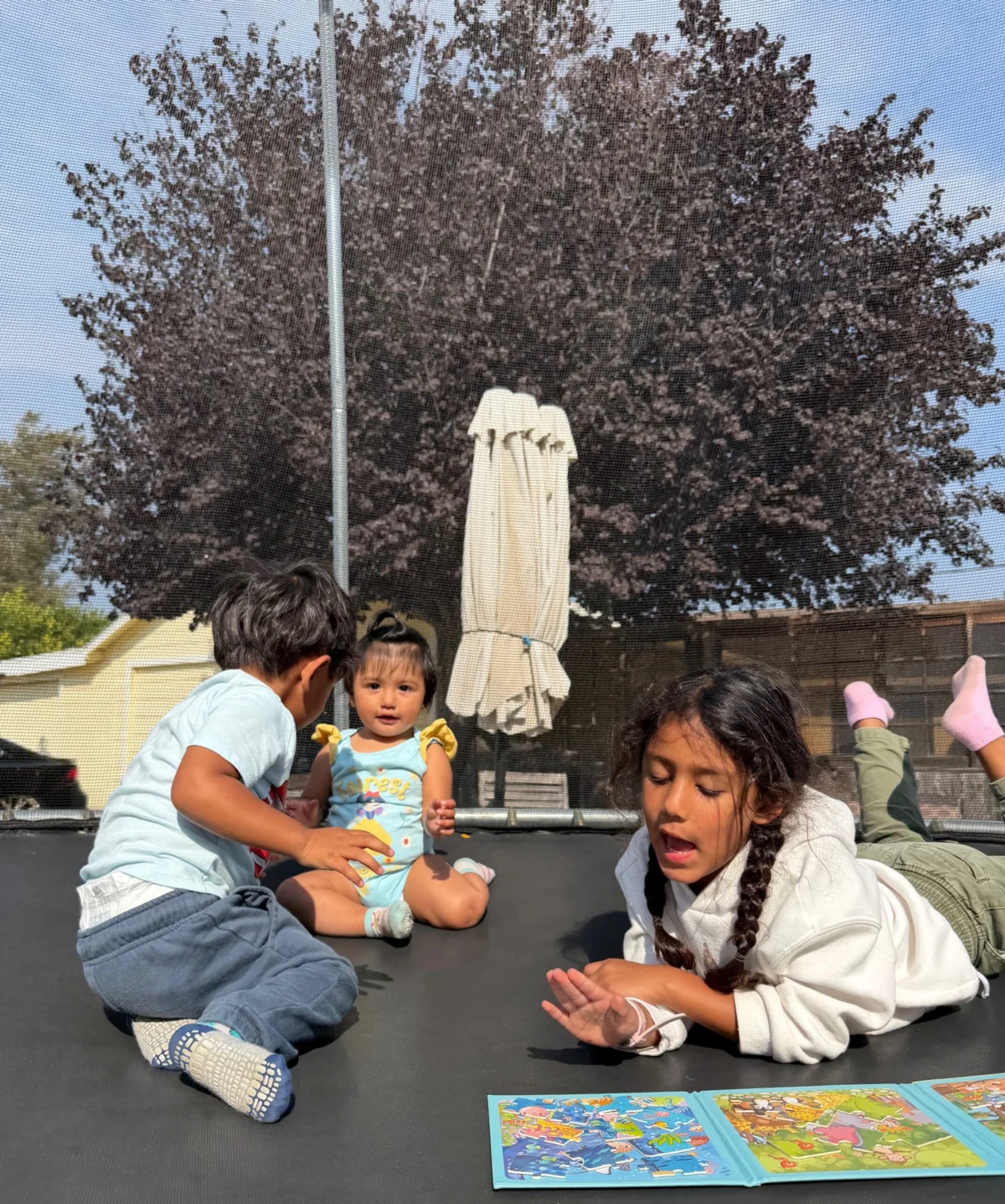
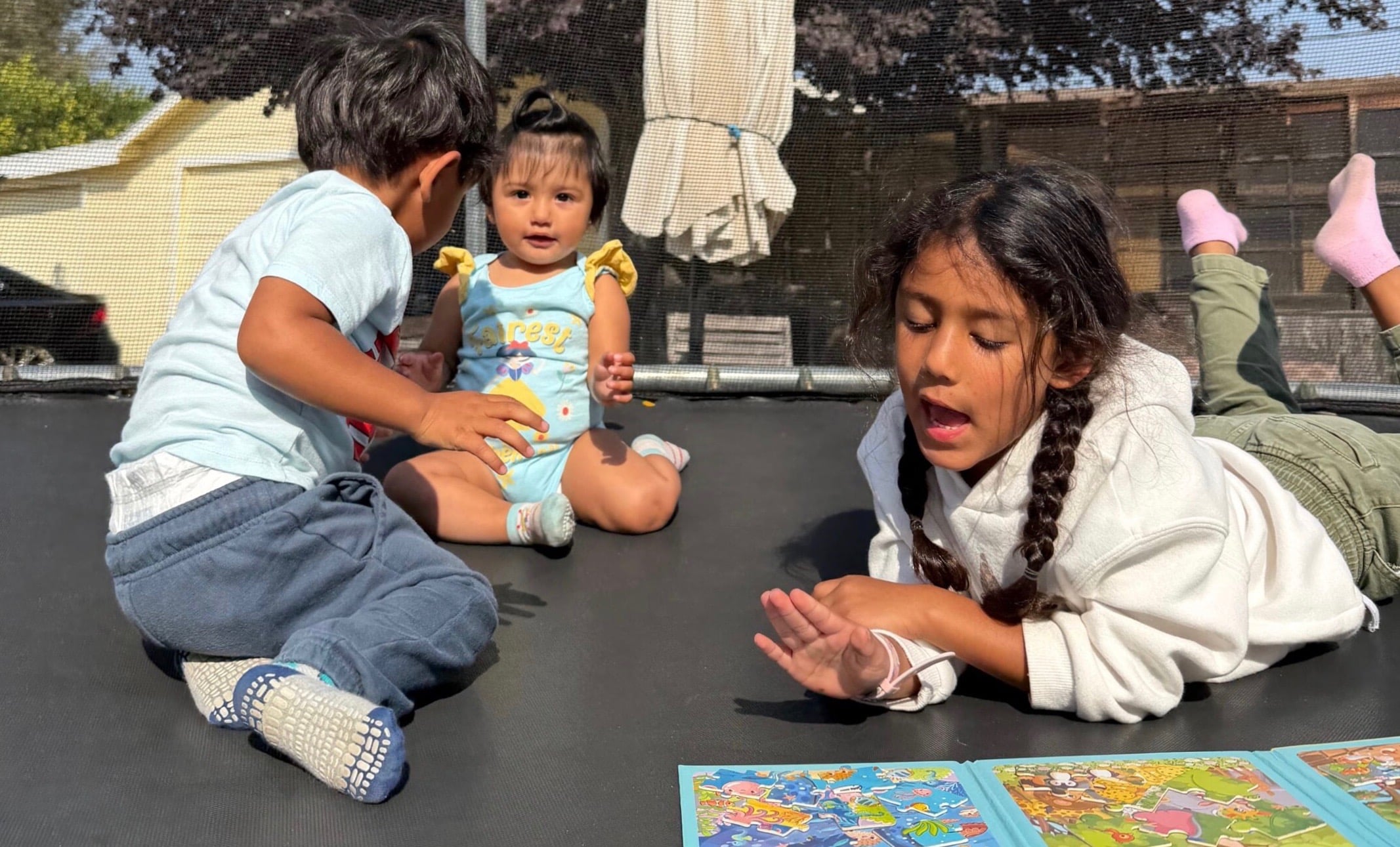
In the contemporary setting, this memory was reactivated during a leisure period on a backyard trampoline involving the subject and her three children. The retelling was prompted by her five-year-old daughter, Ella, who requested a story from her mother’s childhood. The immediate and enthusiastic reception of the story—marked by repetitive requests for retellings—highlights the enduring power of parental vulnerability in storytelling.
The Developmental Importance of Family Stories
The resonance of such stories is supported by extensive psychological research, most notably the work conducted by Dr. Marshall Duke and Dr. Robyn Fivush at Emory University. Their research into the "intergenerational self" suggests that children who possess a robust knowledge of their family’s history—including the struggles and humorous mishaps of their parents—exhibit higher levels of self-esteem and a stronger belief in their ability to control their own lives.
The Emory researchers developed a "Do You Know?" scale, which asks children twenty questions about their family history. The data indicated a high correlation between a child’s knowledge of family lore and their emotional health. Stories like the "bathing suit down the toilet" incident fall into the category of "oscillating narratives," which show that families can have ups and downs, successes and failures, but ultimately remain cohesive.
When a parent shares a story of their own childhood "failure" or unconventional decision-making, it serves several functions:
- Humanization of Authority: It reduces the perceived distance between the parent and child, framing the parent as a relatable figure who once navigated the same complexities of childhood.
- Normalizing Mistakes: It provides a safe environment for the child to process the concept of social faux pas and mistakes without the sting of immediate personal shame.
- Cognitive Mapping: It helps the child understand the passage of time and the concept of growth—that the "big person" they see now was once a "small person" who made illogical choices.
Analysis of Autonomy and Problem-Solving
From a developmental perspective, the subject’s childhood decision to discard her swimsuit can be analyzed through the lens of Erik Erikson’s stages of psychosocial development. At age four, a child is typically navigating the transition between "Autonomy vs. Shame and Doubt" and "Initiative vs. Guilt."
The subject’s reflection that she felt a "mixture of pride and fascination" because she had been a "big girl" and solved a "cumbersome problem" by herself is significant. In the mind of a four-year-old, the swimsuit was a barrier to efficiency. By removing it, she exercised initiative. While the solution was socially unacceptable and logistically flawed, the underlying impulse was one of self-efficacy.
By retelling this story, the mother reinforces to her own children that the impulse to solve one’s own problems is valuable, even when the execution results in a humorous or awkward outcome. This encourages a "growth mindset," where the focus is on the attempt and the subsequent learning rather than the initial embarrassment.
The Role of Humor in Domestic Bonding
The reaction of the five-year-old daughter, Ella, who was reportedly "rolling on the trampoline laughing," underscores the role of humor as a social lubricant within the family. Humor allows for the transmission of values and history without the didactic tone of a lecture.
Sociological data suggests that families who laugh together over shared stories develop stronger internal cultures. These stories become "insider information" that defines the boundaries of the family unit, creating a sense of belonging. The "bathing suit down the toilet" story has transitioned from a private memory of a minor disciplinary moment into a piece of "lore" that is now part of the children’s own identity.
Broader Implications and Digital Community Reactions
The dissemination of this story on a platform like Cup of Jo reflects a broader trend in modern parenting: the move toward "vulnerability-based parenting." In previous generations, parental figures often maintained a facade of perfection to command respect. However, the current cultural shift emphasizes authenticity.
Public reaction to the narrative was significant, with over 115 comments recorded shortly after publication. These reactions often include "reciprocal storytelling," where other parents share similar anecdotes of childhood mishaps. This communal exchange serves to validate the parenting experience and provides a database of narratives that other families can use to spark their own storytelling sessions.
Common themes in the responses included:
- Resilience through Embarrassment: Stories of public nudity or social errors that, in retrospect, provided the foundation for a sense of humor.
- Childhood Logic: Recounting instances where children applied rigorous, if incorrect, logic to solve everyday problems (e.g., "washing" a cat with dish soap or "planting" coins to grow a money tree).
- The Persistence of Memory: Discussions on why certain mundane events from age four or five remain crystal clear while other, more significant events fade.
Conclusion
The "bathing suit down the toilet" incident serves as a quintessential example of how personal anecdotes are converted into family capital. By documenting and sharing these moments, parents provide their children with a "narrative template" for handling life’s inevitable absurdities.
As children grow, these stories act as emotional anchors. They remind the next generation that their parents were once small, impulsive, and capable of making "big girl" decisions that ended in a towel-wrapped walk of shame. In the professional view of developmental psychologists, the regular practice of sharing such childhood lore is not merely a way to pass the time on a trampoline; it is a critical investment in the emotional intelligence and psychological stability of the developing child. The "best piece of childhood lore" is, therefore, a powerful tool for building a resilient, connected, and communicative family structure.
