

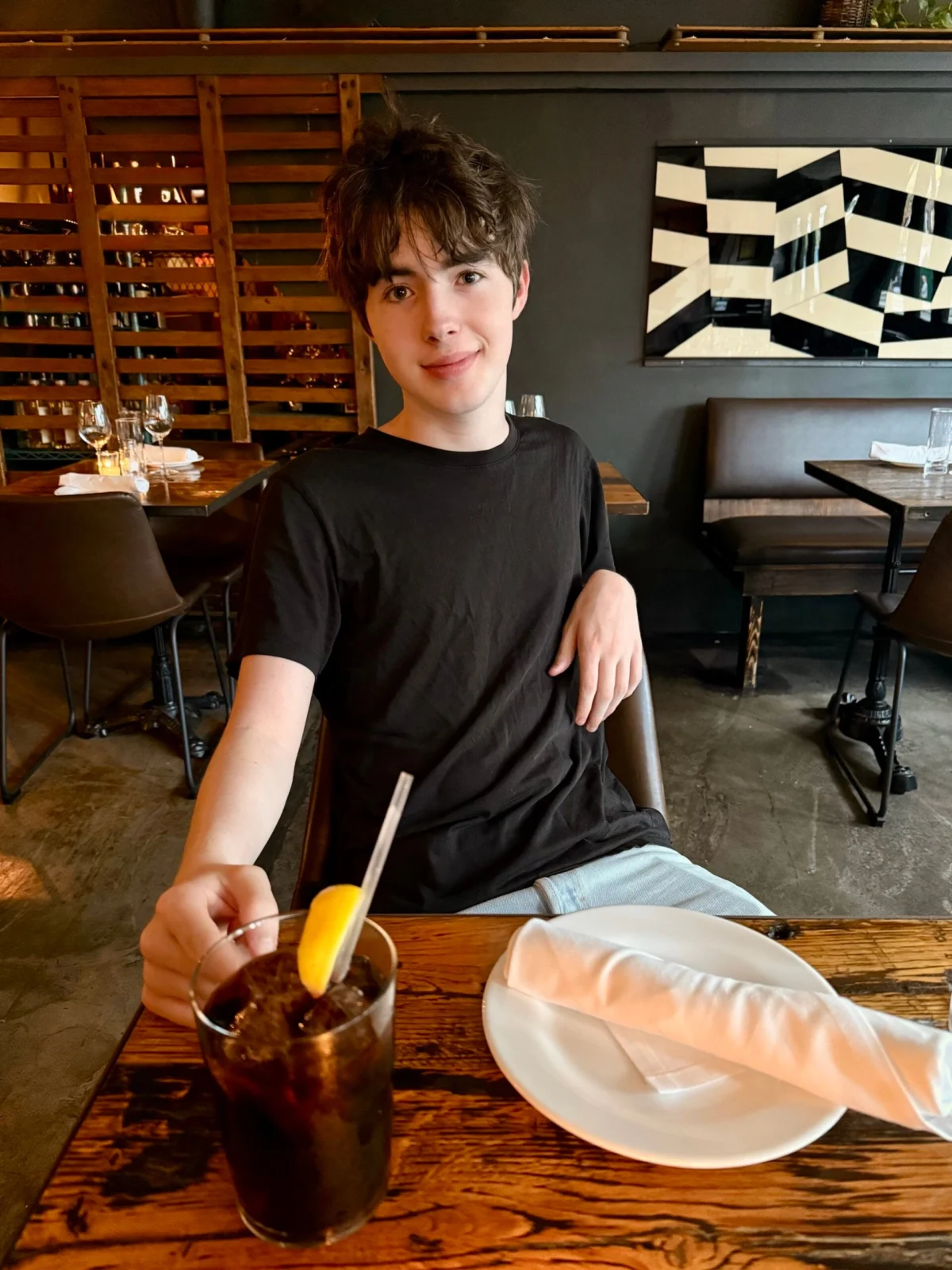
The traditional landscape of the American beverage industry is witnessing a notable resurgence in classic non-alcoholic preparations, driven in part by a demographic of younger diners seeking more sophisticated alternatives to standard soft drinks. This shift is exemplified by the rising popularity of the Roy Rogers, a vintage "mocktail" consisting of cola and grenadine, which has recently re-emerged as a preferred choice for preteens and teenagers navigating formal dining environments. Observers of this trend, including youth culture commentators and frequent diners like Toby Goddard-Williams, suggest that the drink offers a level of complexity and social "maturity" that its more ubiquitous counterpart, the Shirley Temple, lacks. As restaurants across the United States adapt to a more discerning younger clientele, the history, composition, and social implications of these classic beverages provide a unique window into the evolution of hospitality.
The Anatomy of a Classic: Defining the Roy Rogers
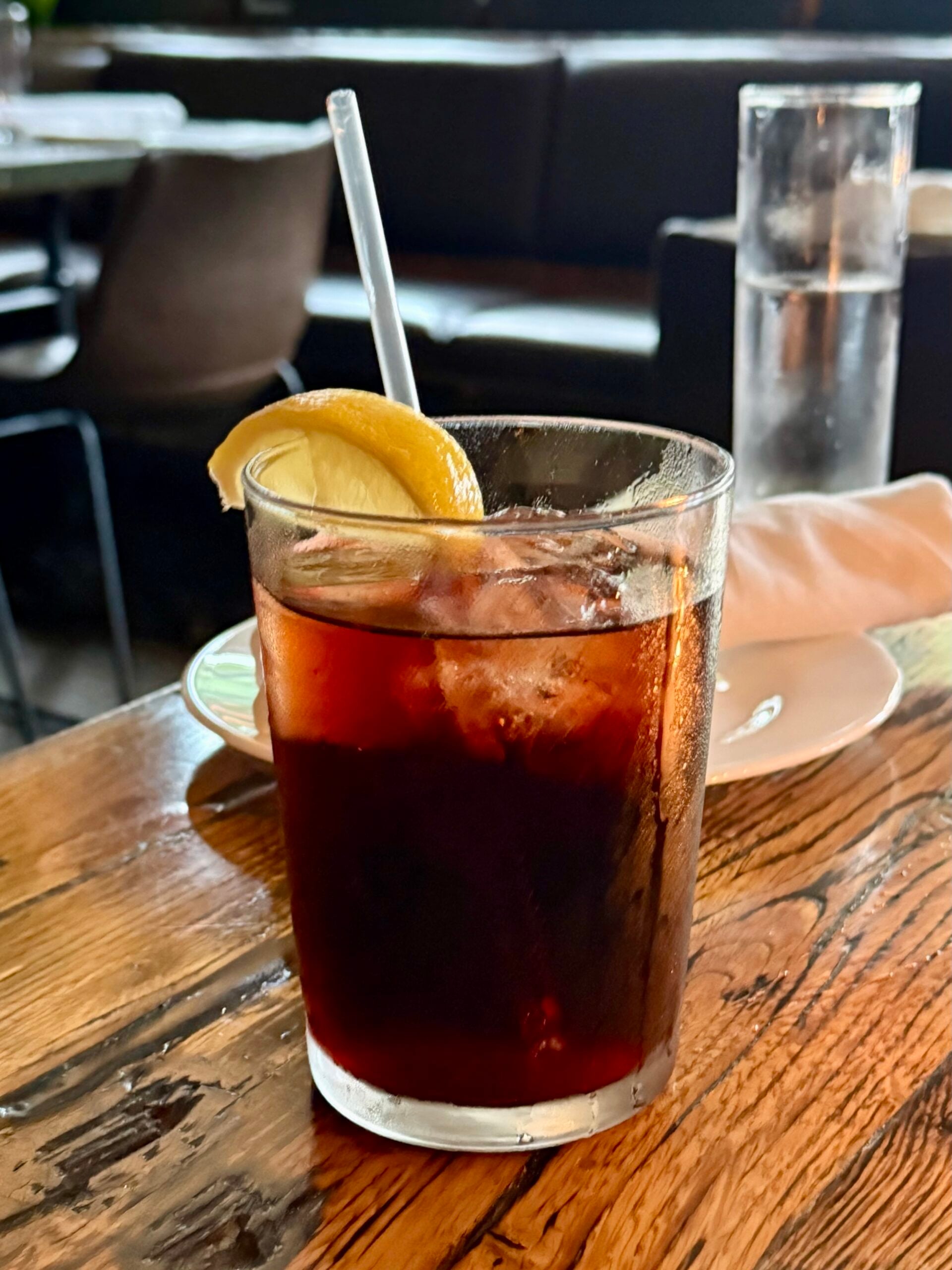
The Roy Rogers is a non-alcoholic beverage typically served in a highball glass, garnished with a maraschino cherry. Its primary components are cola—most frequently Coca-Cola—and a measure of grenadine syrup. While the Shirley Temple utilizes ginger ale or lemon-lime soda (such as Sprite or 7-Up) as its base, the Roy Rogers relies on the deeper, more caramel-forward profile of cola. According to Toby Goddard-Williams, a regular patron of the New York and Los Angeles dining scenes, the appeal lies in the specific flavor balance. "You 100% taste the cherry, but it’s also Coke-y," Goddard-Williams noted, highlighting a sensory experience that bridges the gap between childhood soda consumption and the more complex palates of adulthood.
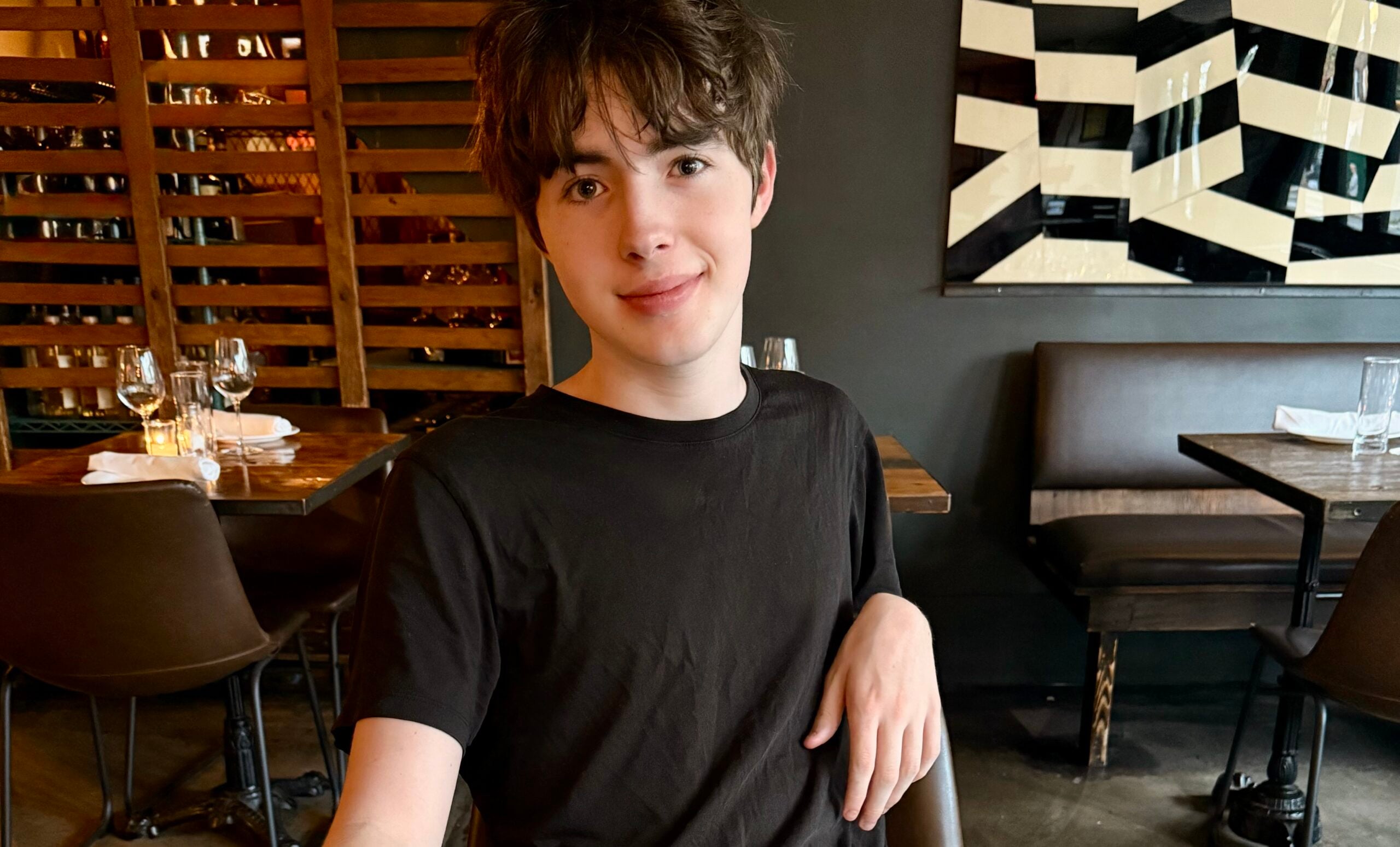
The distinction between the two drinks is more than just a matter of ingredients; it is often perceived as a developmental milestone in youth dining. While the bright pink, citrus-heavy Shirley Temple is frequently associated with early childhood, the darker, richer Roy Rogers is increasingly viewed as a "preteen" or "teen" alternative. This transition mirrors broader trends in the beverage industry, where consumers are increasingly looking for "adult" flavor profiles—bitterness, spice, and deep sweetness—without the presence of alcohol.
Historical Context and the Legacy of Musso & Frank Grill
The Roy Rogers drink is named after the mid-20th-century American singer and actor Roy Rogers, known as the "King of the Cowboys." Rogers, a prominent figure in Western films and television, was a noted teetotaler, leading to the creation of a namesake drink that allowed him to participate in the social rituals of the Hollywood elite without consuming alcohol. This historical pedigree remains a significant part of the drink’s allure, particularly when ordered in establishments that preserve the atmosphere of "Old Hollywood."
A primary example of such an establishment is the Musso & Frank Grill in Los Angeles. Founded in 1919, Musso & Frank is the oldest restaurant in Hollywood and has served as a filming location for numerous cinematic productions, including Quentin Tarantino’s Once Upon a Time in Hollywood. For younger diners, the restaurant provides a visceral connection to film history. Goddard-Williams described the experience of visiting Musso & Frank with his father, noting the "dim lights" and the presence of professional bartenders whose appearance and demeanor evoke the golden age of cinema. The atmosphere has been compared to the stylized aesthetics of films like Top Gun: Maverick and even the eerie, formal tension of Stanley Kubrick’s The Shining. In these settings, the act of ordering a Roy Rogers becomes a performance of cultural participation, allowing the diner to feel integrated into a storied lineage of hospitality.
The Economics and Growth of the Non-Alcoholic Market
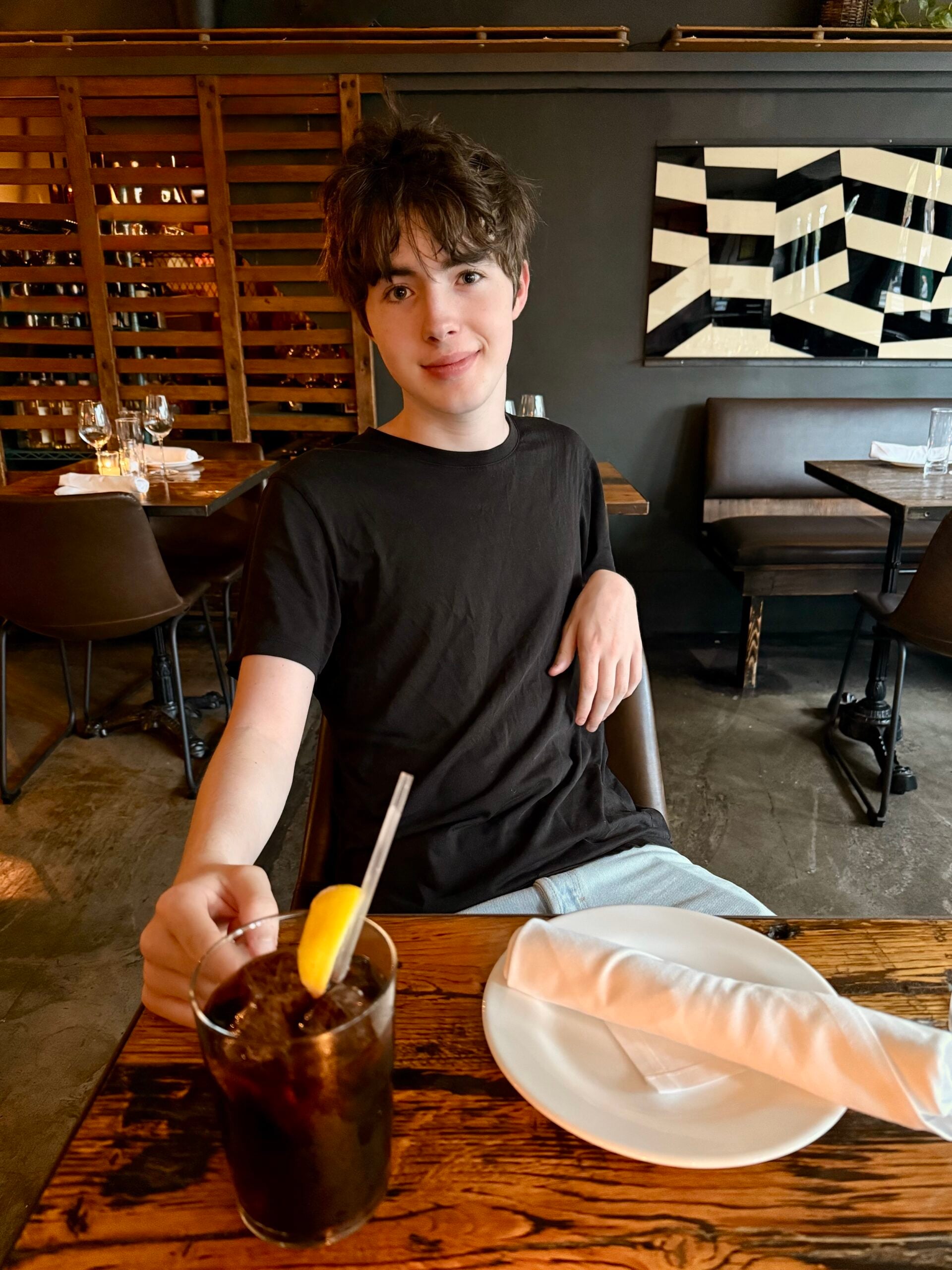
The preference for drinks like the Roy Rogers is situated within a much larger economic trend: the explosive growth of the non-alcoholic (NA) beverage sector. According to data from NielsenIQ, the non-alcoholic beverage market in the United States surpassed $500 million in sales in recent years, with a significant portion of that growth coming from "sophisticated" NA options rather than traditional sodas.
Market analysts attribute this growth to several factors:
- The "Sober Curious" Movement: While primarily an adult trend, the normalization of non-alcoholic choices has trickled down to younger generations, making the "mocktail" a standard menu item rather than a specialty request.
- Premiumization: Restaurants are increasingly charging premium prices for non-alcoholic drinks that feature high-quality syrups, fresh garnishes, and professional presentation.
- Social Media Influence: The visual appeal of a well-crafted Roy Rogers, often served in a chilled glass with multiple cherries, aligns with the aesthetic demands of platforms like Instagram and TikTok, where younger diners document their culinary experiences.
As the industry evolves, the Roy Rogers serves as a "legacy mocktail" that provides a high-margin opportunity for restaurants. The cost of production—pennies for cola and a splash of grenadine—contrasts with the $5 to $9 price point often found in upscale urban eateries, making it a lucrative staple for hospitality groups.
Chronology of the Roy Rogers in Popular Culture
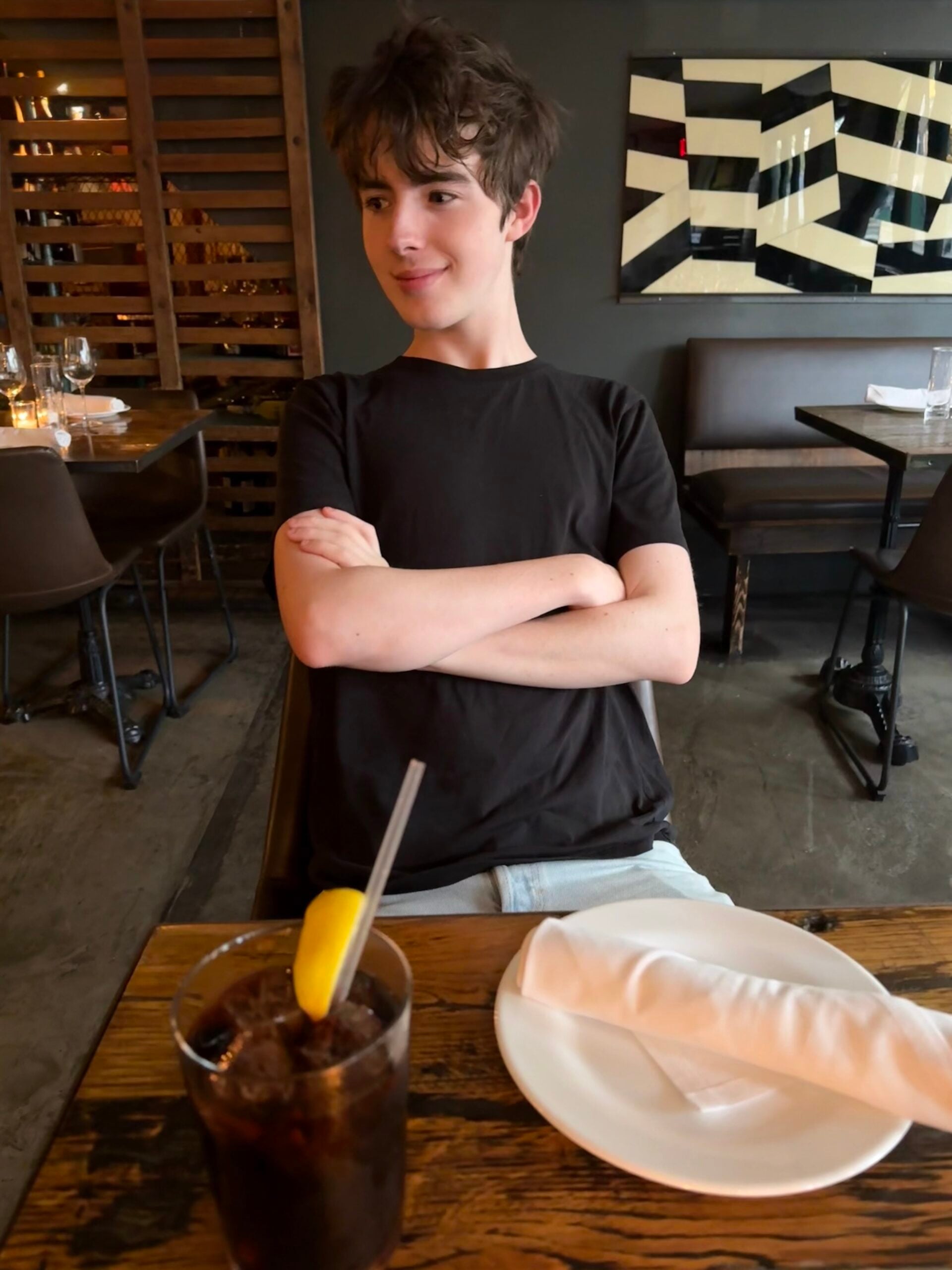
The timeline of the Roy Rogers drink follows the trajectory of American celebrity culture and the evolution of the "family-friendly" restaurant.
- 1940s–1950s: The drink gains popularity alongside the career of Roy Rogers. It becomes a staple in American diners and "supper clubs" as a way to accommodate children in adult spaces.
- 1980s: The drink remains a common request, though it begins to be overshadowed by the more marketing-heavy Shirley Temple. This period is often cited by traditionalists as the last era where the name "Roy Rogers" was universally recognized by service staff.
- 2000s–2010s: The rise of fast-casual dining and the standardization of soda fountains lead to a decline in the "hand-mixed" Roy Rogers. Many younger waiters are no longer trained on the recipe.
- 2020s–Present: A revival occurs. Driven by a nostalgia for vintage Americana and a desire for "cinematic" dining experiences, the Roy Rogers returns to menus in major metropolitan hubs like New York City and Los Angeles.
Social Etiquette and the "Pro-Teen" Dining Strategy
The resurgence of the Roy Rogers also highlights a shift in how children and teenagers are taught to navigate formal restaurants. Goddard-Williams offers a "pro tip" for his peers: the choice of drink should match the venue. "If you’re at a casual restaurant, just get a Sprite or something," he advises. "But if you’re at Musso & Frank or another fancy restaurant, then you better get a Roy Rogers."
This perspective suggests a burgeoning awareness of "social capital" among younger diners. The ability to order an off-menu or "older" drink demonstrates a level of cultural literacy that is often rewarded with better service and a more respectful interaction from the staff. However, a challenge remains: the generational gap in service knowledge. Because the Roy Rogers is considered an "older" drink, many modern waiters may not recognize it by name. The successful young diner must therefore be prepared to describe the ingredients—grenadine and Coke—effectively acting as a bridge between the traditions of the past and the service standards of the present.
Broader Implications for the Hospitality Industry
The popularity of the Roy Rogers among the "Generation Alpha" and "Generation Z" cohorts suggests that the future of dining will be defined by inclusivity and customization. Restaurants that fail to offer sophisticated non-alcoholic options risk alienating a demographic that is increasingly influential in family spending decisions.
Industry experts suggest that the "Roy Rogers model"—taking a standard beverage and elevating it with a single, classic modification—is a blueprint for modern menu design. It allows for a sense of "occasion" without the need for the complex infusions or expensive de-alcoholized spirits required for more contemporary mocktails. Furthermore, the drink’s association with "horror movie" lighting and "Top Gun" vibes indicates that for the modern young diner, the restaurant experience is as much about atmosphere and identity as it is about the food.
As we look toward the mid-2020s, the Roy Rogers stands as a testament to the enduring power of the American mocktail. It is a drink that carries the weight of Hollywood history, the sweetness of childhood nostalgia, and the burgeoning sophistication of a new generation of diners. Whether served in a red-leather booth in Los Angeles or a neighborhood bistro in Brooklyn, the Roy Rogers remains a definitive symbol of the "grown-up" childhood experience.
