

A startling 530% increase in melatonin overdoses among children over the past decade, with a particularly sharp acceleration since the onset of the COVID-19 pandemic, has prompted urgent warnings from medical professionals. This escalating trend, which has seen melatonin become a leading cause of emergency room visits for young children, highlights critical gaps in regulation, parental awareness, and product consistency. The data underscores a growing concern: while melatonin is widely perceived as a benign sleep aid, its misuse and accidental ingestion by children present significant and potentially severe health risks.
The Escalating Crisis: Melatonin’s Grip on Emergency Rooms
Recent studies paint a concerning picture of melatonin’s growing presence in pediatric emergency rooms. A comprehensive analysis of emergency visits revealed that approximately 7% of all ingestions treated in children under the age of five were attributed to melatonin. Alarmingly, about half of these incidents involved melatonin gummies, a form that closely resembles candy, making it particularly appealing and accessible to young children. This statistic alone points to a significant public health challenge, as these ingestions often lead to urgent medical interventions for a substance that many parents assume is harmless.
Further research, including a systematic review published in 2026 by Kracht et al., confirms that the rise in melatonin usage among children is a global phenomenon. This review also highlighted a critical deficit in scientific evidence: there is a lack of robust efficacy data for melatonin use in children under six years old. With only a limited number of trials conducted on children, the review concluded that young children are more likely to experience adverse effects from overdoses than to receive any scientifically proven benefit. This scientific uncertainty, coupled with widespread parental use, creates a dangerous disconnect between perceived safety and actual risk.
A Decade of Escalation: Tracing the Rise of Melatonin Overdoses
The initial indicators of this burgeoning crisis emerged from a pivotal study published in 2022 by Lelak. This research, titled "Pediatric Melatonin Ingestions—United States, 2012-2021," meticulously reviewed data from poison control centers over a ten-year period. The findings were stark: a dramatic increase in melatonin-related ingestions, signaling a trend that would continue to accelerate.

The Lelak study identified key demographics at higher risk, noting that male children and those under five years of age were disproportionately represented in ingestion cases. The majority of these incidents were managed at home, underscoring the need for greater public awareness and accessible information for parents. However, a follow-up study in 2024 reinforced the alarming rate of emergency room visits, confirming that 7% of all ER visits for accidental ingestions in children under five were due to melatonin, with gummy formulations being a significant contributor. This reinforces the notion that the palatable nature of many melatonin products is a primary driver of accidental ingestions by curious and young children.
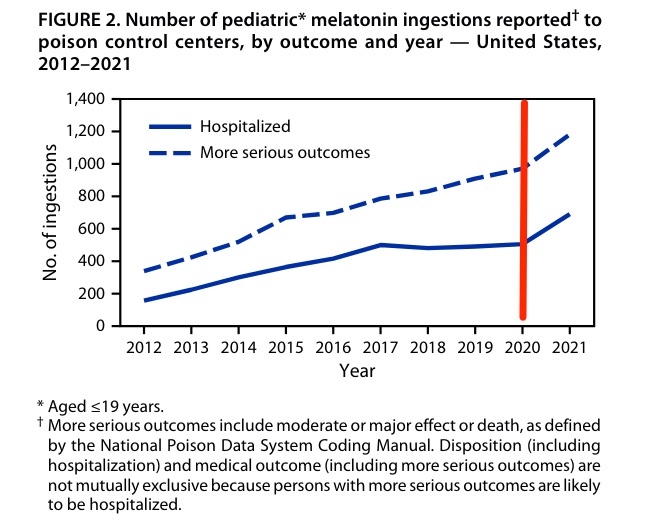
While most ingestions are managed outside of healthcare facilities, a notable percentage require medical attention. The Lelak study indicated that 10.7% of ingestions were handled by healthcare providers. Among these, 14.7% resulted in hospitalization, and 1% necessitated intensive care unit (ICU) stays. For perspective, these figures are higher than the average hospitalization and ICU admission rates for all accidental ingestions. It is crucial to note that hospitalizations for older children, particularly teenagers, are often linked to intentional ingestions, which carry their own set of complex psychological implications and safety protocols. However, the most substantial increase in hospitalizations was observed in children under the age of five, a demographic most vulnerable to accidental overdose due to their size and developmental stage.
Tragically, the data also includes two reported deaths linked to melatonin ingestions during the period studied: one in a 13-month-old and another in a 2-month-old infant. Both incidents occurred within the home environment. The authors noted that one case involved intentional misuse, while the cause in the other remained unknown, highlighting the ultimate severity that melatonin ingestions can unfortunately reach.
The Unprecedented Surge: Quantifying the Increase
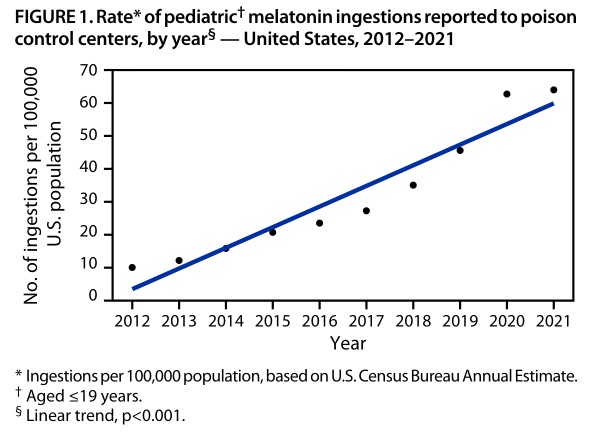
The sheer scale of the increase in melatonin ingestions is staggering. Over the past decade, a total of 260,435 reported ingestions were documented. This represents a significant portion, 2.25%, of all ingestions reported during the same timeframe. The trend line is particularly concerning when looking at the proportion of ingestions attributed to melatonin. In 2012, melatonin accounted for a mere 0.6% of reported ingestions. By 2021, this figure had ballooned to 4.9%, a nearly eightfold increase in its relative contribution to ingestion incidents.
This quantitative surge is visually represented by trend lines showing a consistent and marked increase in melatonin ingestions reported to poison control centers from 2012 to 2022. The data illustrates a steady climb, punctuated by a notable acceleration during and after the COVID-19 pandemic, a period marked by increased stress, disrupted routines, and a rise in at-home remedies.
Underlying Causes: Why the Dramatic Increase?
Several intertwined factors contribute to this alarming rise in pediatric melatonin overdoses.
1. Poor Regulation and the "Candy" Effect:
A significant issue lies in the regulatory landscape of melatonin in the United States. Unlike in many other developed nations, melatonin is classified as a dietary supplement, meaning it is not subject to the rigorous pre-market approval and quality control standards that apply to pharmaceuticals. In the United Kingdom, for instance, melatonin is available only by prescription. In Canada, it is an over-the-counter medication but falls under specific health product regulations. Australia has a more nuanced approach, with melatonin being prescription-only for children and only down-scheduled for adults over 55 with primary insomnia, and then only for specific doses.
This lack of stringent oversight in the U.S. leads to a significant problem: the quality and actual dosage of melatonin products can vary wildly. An often-cited study revealed that the amount of melatonin in supplements can deviate from the labeled dose by as much as -83% to +478%. This means a 3 mg dose could actually contain anywhere from 0.5 mg to 14 mg. Furthermore, lot-to-lot variability within the same brand can be as high as 465%, meaning one bottle could contain more than four times the amount of melatonin as another. Compounding these issues, the same research found serotonin, a neurotransmitter with its own set of physiological effects, present in 71% of tested samples. Similar concerns have been raised about the inaccurate labeling of melatonin and CBD gummy combinations, further contributing to the unpredictability of these products.
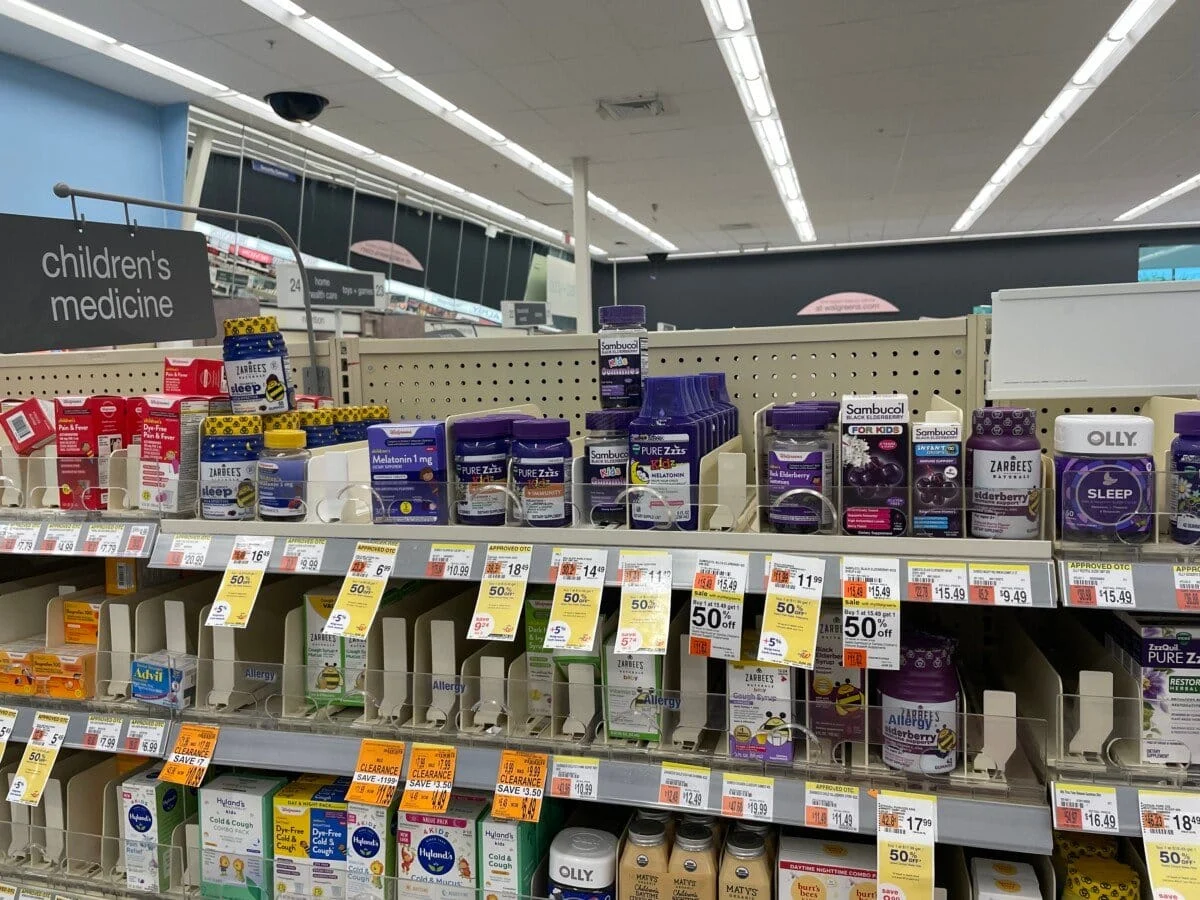
The visual appeal of melatonin gummies, designed to look and taste like popular candies, is a critical factor. Children, naturally drawn to colorful and sweet treats, often ingest these products indiscriminately, leading to accidental overdoses. The abundance of these products on pharmacy shelves, often prominently displayed and marketed towards children, exacerbates the problem.
2. Parental Misconceptions and Lack of Information:
Many parents, influenced by the widespread availability and marketing of melatonin, perceive it as a harmless, natural sleep aid. They may not be fully aware of the potential risks associated with its use, particularly in young children. The lack of clear, standardized dosage information and the variability in product strength further complicate matters. In clinical settings, physicians often find that parents are unsure of the exact dosage their child is taking, relying on imprecise measures like "one milliliter" or "two pills" without knowing the actual milligram content.
3. Drug Interactions and Unforeseen Consequences:
Melatonin is not without its potential drug interactions. It is metabolized by the liver enzyme CYP1A2. Substances that inhibit or induce this enzyme can significantly alter the amount of active melatonin in the body. For instance, inhibitors like fluvoxamine and ciprofloxacin can increase melatonin levels, while inducers like carbamazepine and even certain dietary habits like consuming grilled meats or cruciferous vegetables can decrease them.
Furthermore, melatonin can interact with various drug classes, potentially increasing bleeding risk with anticoagulants, reducing the efficacy of anticonvulsants and antihypertensives, affecting blood glucose levels in diabetic individuals, interfering with immunosuppressants, and increasing morning drowsiness when taken with other sedating medications. These interactions, often overlooked by parents and even some healthcare providers, add another layer of risk to melatonin use.
Potential Side Effects of Melatonin Overdose
When children ingest too much melatonin, the consequences can range from mild to severe. Reported side effects include:
- Drowsiness and Sleepiness: This is the most common effect, often leading to excessive sleepiness during the day.
- Delirium and Confusion: Some children may experience altered mental states.
- Gastrointestinal Distress: Nausea and vomiting are frequently reported.
- Sleep Disturbances: Paradoxically, some children may experience night-time awakenings.
- Dizziness and Irritability: Behavioral changes and physical discomfort can occur.
- Bedwetting: This can be a consequence of disrupted sleep patterns.
Official Responses and Expert Recommendations
In light of the escalating crisis, medical organizations and public health bodies are issuing stronger guidance and warnings. The International Pediatric Sleep Association (IPSA) has developed expert consensus recommendations for healthcare providers regarding melatonin use in typically developing children. These recommendations emphasize a cautious approach, prioritizing behavioral interventions for sleep issues before considering pharmacological aids.

For parents concerned about accidental melatonin ingestion, the national Poison Help Hotline at 1-800-222-1222 is a critical resource. Medical professionals are available 24/7 to provide guidance and assistance.
Safe Use of Melatonin in Children: A Cautious Approach
When considering melatonin for children, a prudent and evidence-based approach is essential. The IPSA guidelines, along with general medical advice, suggest the following:
- Consult a Healthcare Professional First: Always discuss sleep issues with a pediatrician or a pediatric sleep specialist before administering melatonin. They can help identify the root cause of the sleep problem and recommend appropriate, non-pharmacological strategies.
- Prioritize Behavioral Interventions: Establish consistent sleep hygiene practices, including a regular bedtime routine, a calming environment, and limiting screen time before bed.
- Understand the Risks: Be fully aware of the potential side effects and drug interactions associated with melatonin.
- Use Only as Prescribed: If melatonin is recommended by a healthcare provider, adhere strictly to the prescribed dosage and schedule.
- Choose Products Wisely: Opt for products from reputable manufacturers with clear labeling. However, even with reputable brands, the inherent variability in supplement regulation remains a concern.
- Secure Storage: Keep all medications, including melatonin, out of reach and sight of children, just as you would with any other medication.
- Consider the Age and Development: Melatonin’s efficacy and safety are not well-established for all age groups, particularly very young children.
- Educate Yourself: Seek out reliable information from medical professionals and reputable organizations to make informed decisions.
Broader Implications and Future Directions
The surge in pediatric melatonin overdoses highlights a critical need for greater regulatory oversight of dietary supplements in the United States. The current system, which places the burden of proof on the government to demonstrate a supplement is unsafe after it is already on the market, is clearly inadequate for substances like melatonin that are widely used by vulnerable populations. Stricter regulations, including mandatory pre-market testing for efficacy and safety, and standardized labeling requirements, are essential to protect children.
Furthermore, there is a pressing need for increased public health campaigns to educate parents about the potential risks of melatonin, the importance of consulting healthcare professionals, and the availability of safer, evidence-based strategies for managing childhood sleep problems. The transformation of melatonin into a ubiquitous, candy-like product has, unfortunately, blurred the lines between a potential therapeutic agent and a recreational substance, with serious consequences for our youngest and most vulnerable citizens. Addressing this complex issue requires a multi-pronged approach involving regulatory reform, enhanced public education, and a commitment from healthcare providers to guide parents towards safe and effective sleep solutions.
