

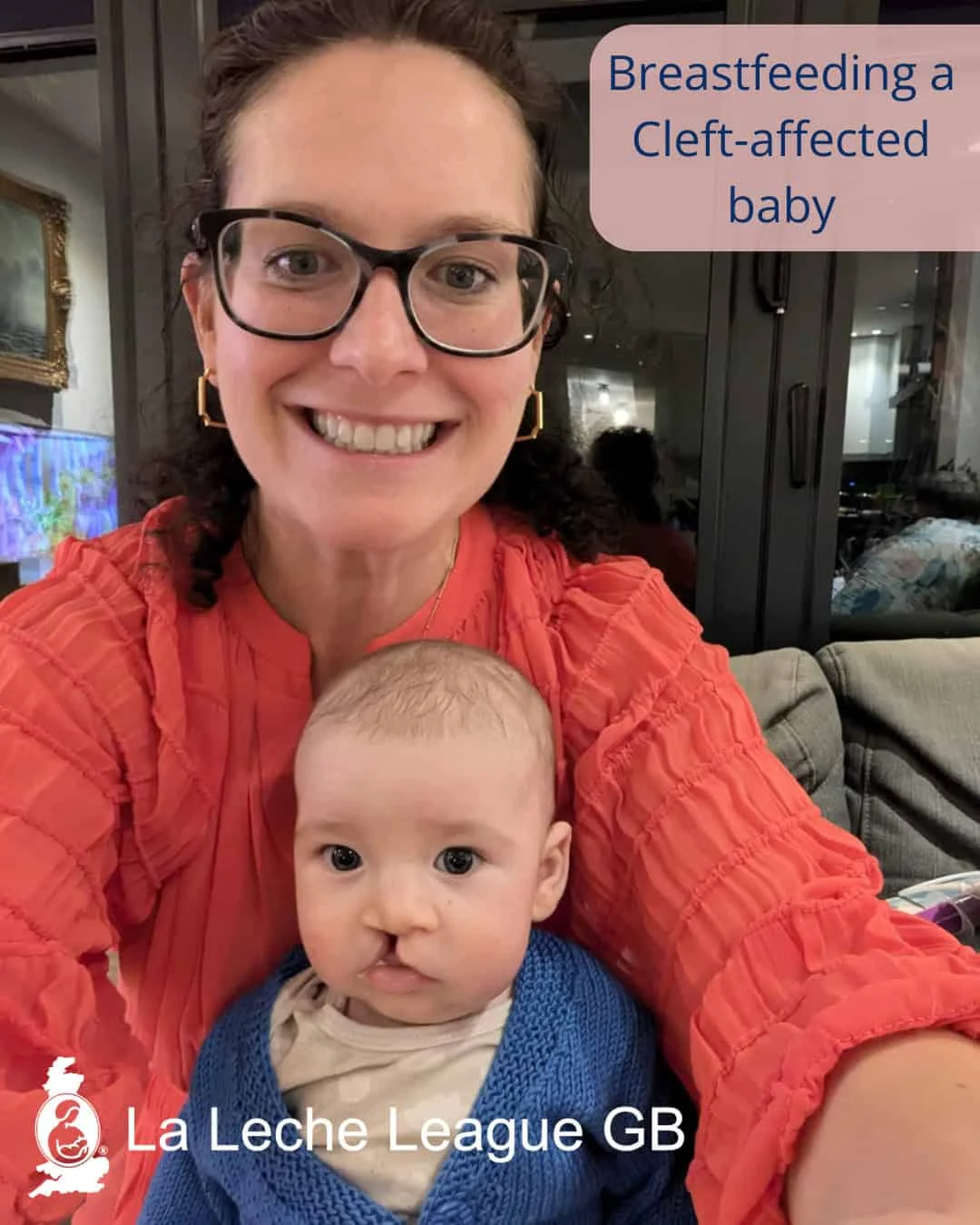
The journey for parents navigating a pregnancy complicated by an antenatal diagnosis often begins with a mix of anticipation and apprehension. For one family, what began as a routine 20-week scan, following a period of personal strain, transformed into an unforeseen challenge with the diagnosis of their unborn son, Russell, with a cleft lip and palate. This revelation, delivered amidst concerns for a family member in intensive care, initiated a complex and determined quest to achieve breastfeeding, a goal initially deemed impossible by early medical advice.
Antenatal Diagnosis and Initial Medical Perspectives
The diagnosis of a cleft lip and palate can be a profoundly emotional moment for expectant parents. In Russell’s case, the sonographer’s casual question, “Have you heard of a cleft lip?” after confirming the baby’s sex, abruptly shifted the pregnancy narrative. A subsequent consultation with a midwife delivered a stark message: breastfeeding would not be possible due to the nature of the cleft. This pronouncement, while rooted in conventional understanding of the condition, deeply affected the mother, Sarah Muir-Little, who had recently weaned her toddler and viewed breastfeeding as an integral aspect of her maternal identity. This initial advice, though well-intentioned, sparked what she described as a "battle" to redefine the possibilities of feeding her child.
Cleft lip and palate are among the most common birth differences, affecting approximately 1 in 700 babies globally. This condition occurs when the structures forming the baby’s upper lip or the roof of the mouth (palate) do not fuse completely during early fetal development. The implications for feeding vary significantly based on the type and severity of the cleft. While many infants with only a cleft lip can breastfeed with certain adaptations, a cleft palate presents a more substantial hurdle. The primary challenge is the inability to create the necessary suction pressure required to draw milk from the breast, a function that relies on an intact palate. Surgical repair is typically required to address the palate, often in stages, with initial operations performed within the baby’s first year, followed by potential further interventions later in childhood. Organizations such as the Cleft Lip and Palate Association (CLAPA) in the UK play a crucial role in providing support and information to affected families, helping them navigate the medical, practical, and emotional complexities of the condition.
A specialist nurse later offered a glimmer of hope, clarifying that a "breastfeeding journey" might still be possible, though it would likely differ significantly from conventional experiences. The exact impact on feeding, particularly concerning the palate, would only be fully understood after Russell’s birth. The prospect of multiple surgeries within his first year – one for the lip and another for the palate – underscored the long-term medical pathway ahead, further complicating the initial goal of direct breastfeeding.
Exploring Alternative Feeding Strategies and Innovations
Undeterred by the initial prognosis, Sarah embarked on an exhaustive search for information and examples of successful breastfeeding post-palate surgery. She meticulously consulted resources from CLAPA, La Leche League (LLL), and other reputable sources. The findings, while limited, provided crucial insights: maintaining a sufficient milk supply was paramount, and direct breastfeeding would likely necessitate the use of a nursing supplementer until palate repair.
Sarah, having successfully breastfed her toddler, was confident in her ability to establish and maintain a robust milk supply, despite past difficulties with pumping. Her experience of hand-expressing small volumes of milk to build a freezer stash, combined with a newfound determination, fueled her belief that she could meet the milk demands. The more complex challenge lay in adapting the feeding method itself.
Nursing supplementers, designed to deliver milk via a thin tube while the baby latches to the breast, emerged as the most viable long-term solution. Two primary systems are available in the UK market for cleft-affected babies: one gravity-fed, offering a slow flow, and another featuring a squeezable bottle for controlled milk delivery. Sarah acquired both systems for experimentation. The gravity-fed option proved too slow, while the squeezable bottle, though effective in milk delivery, was cumbersome to manage. Standard advice often suggests using a "dancer hold" – a technique where the index finger and thumb support the baby’s chin at the breast, aiding attachment – but practicing this with a doll and a supplementer felt impractical and challenging.
Russell’s Arrival and Ingenious Adaptations
Upon Russell’s birth, the initial feeding protocol involved syringe-feeding expressed colostrum, coupled with a finger in his mouth to encourage a sucking reflex, while waiting for the mother’s milk supply to increase. The plan was to transition to breast with a supplementer once milk production was established. A serendipitous discovery occurred when some ordered syringes, unsuitable for direct feeding, perfectly fitted the supplementer tube. Leveraging this, and with the help of the midwifery team who provided larger syringes with screw-on caps, Sarah ingeniously drilled holes in the caps to create a secure, custom-fit system for the supplementer tube. This highlighted the immediate need for resourcefulness and adaptability in navigating unforeseen practical hurdles. It is important to note that any custom feeding tools must adhere to strict safety guidelines, ensuring caps are removed if they pose a choking hazard and that feeding is slow and monitored to ensure the baby’s comfort and safety.
The conventional methods for supplementer use – either inserting the tube after latching or taping it to the breast before latching – presented significant difficulties. Russell’s fragile latch, due to his inability to create suction, made post-latch tube insertion unfeasible. Taping the tube to the breast posed its own challenges, as the long, flapping tube was hard to maneuver into a newborn’s tiny, often bobbing mouth. Through trial and error, involving various tapes and positions, a system was devised where the tube was taped very close to the nipple, allowing for easier insertion. This solution, while effective, often compromised the latch, leading to milk loss and frustration for both mother and baby.
The search for external support proved difficult, as many healthcare professionals lacked direct experience with these highly specialized feeding techniques. Concerns about aspiration (choking on milk) were sometimes voiced, adding to the pressure. However, driven by determination, Sarah persisted, eventually establishing a system that delivered a decent amount of milk at a manageable speed, despite the initial week being a taxing blend of the "magical high" of a home birth and the "frustration" of difficult feeding moments.

Optimizing Positioning and Overcoming Obstacles
The "dancer hold," initially recommended, continued to be a source of stress. Russell struggled to latch, frequently bobbing on and off the breast. Observing that he calmed down and fed readily from the non-taped breast when milk was directly expressed into his mouth, confirmed his hunger. The challenge was to achieve a calm, effective latch with the supplementer.
Drawing on her prior experience, Sarah found the cradle hold most natural and comfortable. A consultation with a specialist at Great Ormond Street Children’s Hospital confirmed that maintaining this familiar position, despite some milk loss from the side of Russell’s mouth, was preferable for a newborn and crucial for fostering relaxed feeds. While some advice suggested plugging the lip cleft with the breast or keeping the cleft side elevated to minimize milk loss, the focus remained on achieving calm feeds with a deep latch in the cradle position. In the early weeks, this often meant both mother and baby were wet from spilled milk, highlighting the fiddly and often frustrating nature of the process, yet the perceived benefits outweighed the difficulties.
Over time, mother and son developed a synchronized feeding rhythm. Sarah learned to deliver milk via the syringe in tandem with Russell’s feeding pauses, avoiding abrupt cessation of milk flow that could upset him. This adaptive approach transformed the feeding experience, moving beyond the mechanical delivery of milk to a nuanced interaction. Friends observing their feeding sessions often remarked on the obvious bond and the visible success, with one friend noting, "Oh, so the worries about Russ not being able to breastfeed didn’t come to fruition!" Such affirmations provided immense emotional validation.
However, the unconventional nature of their feeding method occasionally drew critical remarks. A pediatrician, for instance, expressed reservations, advocating for "safe and effective" specialist cleft bottles, implying that their customized approach might not meet recommended standards. These comments, particularly from healthcare professionals, required considerable resilience to overcome, reinforcing the need for parents to trust their instincts and observe their child’s well-being. Russell’s consistent weight gain and apparent enjoyment of feeding at the breast served as powerful counter-arguments, reinforcing the conviction that their method, though requiring a supplementer, was achieving the crucial benefits of breastfeeding and bonding.
Evolution of Feeding and Long-Term Journey
As Russell grew, his needs and preferences evolved. Around ten weeks of age, he began to show discomfort with the tape. This prompted further adaptation, with the tube initially taped further from the nipple, and eventually, used entirely untaped. This transition demanded increased coordination but became manageable as both mother and baby grew accustomed to the new technique.
The journey was not without its regressions. Moments of refusal or upset feeding were common, but Sarah learned to differentiate between issues specific to his cleft and typical infant behaviors, such as increased distractibility around three months. This perspective helped normalize challenges, allowing for a more measured response.
Russell’s first year included significant surgical interventions to reconstruct his lip and hard palate. Post-surgery, while recovering from morphine, he initially accepted only bottles. However, upon returning to the supplementer, he rejected bottles, perhaps associating them with the difficult recovery period. This preference for the supplementer, while beneficial for maintaining the breast connection, meant the mother continued to express milk daily, a physically and emotionally demanding task. The unwavering support of her husband, who managed bottle washing, night feeds, and provided crucial reassurance, was instrumental in navigating this demanding period, underscoring the team effort required in such challenging circumstances. Each day using the supplementer was viewed as a bonus, contributing to Russell’s health and their bond, validating the immense effort invested.
The Breakthrough: Direct Breastfeeding Achieved
A significant milestone occurred just before Russell’s first birthday, following his palate surgery. Although surgeons advised avoiding suction for a month post-operation, an immediate, subtle shift was observed: Russell began attempting to suck for the first time. Four weeks later, he mastered using a straw, and remarkably, the very next day, he successfully initiated sucking and swallowing directly at the breast.
This breakthrough marked the beginning of a gradual transition away from the supplementer. The frequency of its use steadily decreased as Russell developed the ability to take more milk independently. After 15 months of daily pumping, Sarah was finally able to cease expressing. While Russell’s latch initially differed from a typical latch, it was effective, ensuring his contentment and adequate milk intake. He now breastfeeds once or twice a day, a profound achievement that once seemed unattainable. This ongoing journey, without a definitive end date, continues to evolve, a testament to perseverance and adaptive care.
The experience of Sarah Muir-Little and her son Russell offers compelling insights into the resilience of families facing complex medical conditions. It highlights the critical need for individualized care plans, the importance of empowering parents to innovate and advocate for their children, and the profound emotional and developmental benefits of pursuing breastfeeding, even when conventional wisdom suggests otherwise. Their story underscores that with determination, ingenuity, and a supportive network, the boundaries of what is possible can be significantly expanded, transforming perceived limitations into remarkable achievements.
