

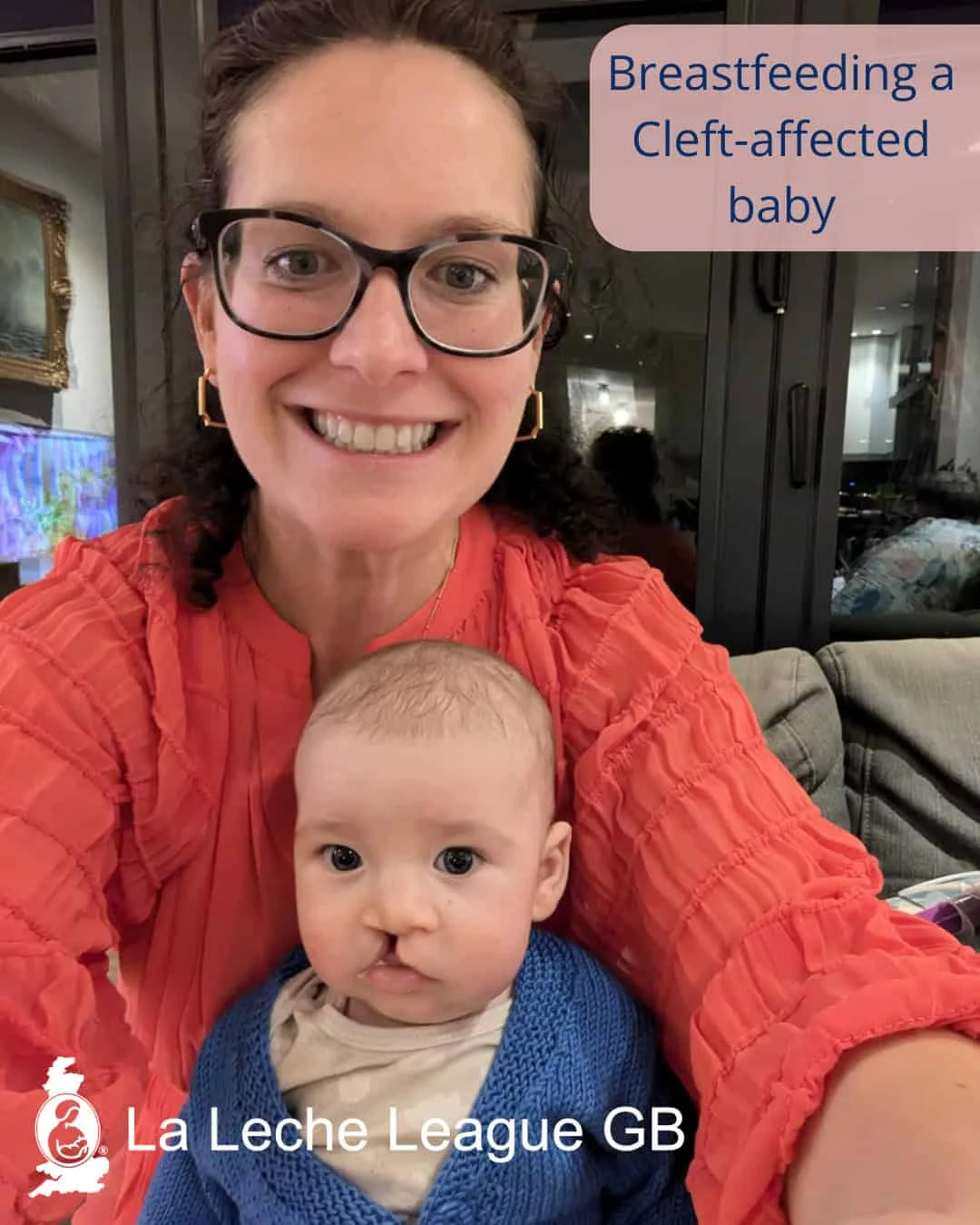
Navigating the journey of parenthood is often filled with unexpected challenges, and for families welcoming a baby with a cleft lip or palate, the initial joy can be accompanied by anxieties, particularly concerning feeding. A cleft lip or palate occurs when the structures forming the baby’s upper lip or the roof of the mouth (palate) do not fuse completely during fetal development. This congenital condition affects approximately 1 in 700 babies globally, making it one of the most common birth differences. While a cleft lip often allows for breastfeeding with specific adaptations, a cleft palate presents a more significant hurdle as babies cannot generate the necessary suction pressure to effectively draw milk from the breast until surgical repair. Despite these challenges, breastfeeding a cleft-affected baby is not only possible but highly beneficial, demanding perseverance, expert support, and tailored strategies.
Understanding Cleft Lip and Palate: A Medical Overview
Cleft conditions are broadly categorized into cleft lip (which can be unilateral or bilateral, complete or incomplete), cleft palate, or a combination of both. The primary medical implication for feeding is the disruption of the oral cavity’s vacuum-sealing mechanism. For babies with a cleft lip, the primary issue might be difficulty latching securely onto the breast, though the palate remains intact, allowing for some suction. However, a baby with a cleft palate has an opening between the mouth and nasal cavity, preventing the creation of negative pressure essential for efficient milk extraction from the breast. This anatomical difference means that milk can escape into the nasal passages, and the baby cannot draw enough milk, leading to insufficient intake and potential feeding fatigue.
The etiology of cleft conditions is multifactorial, involving a complex interplay of genetic predispositions and environmental factors. While specific causes are often elusive, risk factors can include certain medications taken during pregnancy, maternal smoking, diabetes, and genetic syndromes. Early diagnosis, often through prenatal ultrasound, allows expectant parents to prepare and consult with a multidisciplinary cleft team, typically comprising plastic surgeons, orthodontists, speech and language therapists, ENT specialists, and specialist nurses. This preparatory phase is critical for developing a comprehensive feeding plan even before the baby’s arrival.
The Initial Diagnosis and Emotional Impact

Receiving a diagnosis of cleft lip or palate can be an overwhelming experience for new parents. Beyond the immediate medical concerns, there are often emotional impacts ranging from shock and sadness to determination and hope. Many parents initially feel unsure about the feasibility of breastfeeding, a natural instinct often disrupted by the physical realities of the cleft. However, leading healthcare organizations and lactation experts emphasize that direct breastfeeding remains a viable and highly recommended goal, albeit one that requires significant dedication and professional guidance. The reassurance that "breastfeeding is possible" forms the cornerstone of support provided by organizations like La Leche League (LLL) and specialist cleft units. This early affirmation helps parents shift their focus from potential limitations to actionable strategies.
Early Feeding Strategies: A Critical Juncture
The immediate postpartum period is crucial for establishing milk supply, irrespective of how the baby feeds. The principle of "supply and demand" dictates that the more milk removed from the breast, the more milk the body produces. For a cleft-affected baby who may not be able to feed directly or efficiently at the breast, establishing and maintaining a robust milk supply through expressing is paramount. This ensures a continuous supply of breast milk, recognized for its invaluable immunological, nutritional, and developmental benefits, which are even more critical for infants facing surgical procedures and recovery.
Specialist nurses and lactation consultants typically advise initiating milk expression within the first few hours after birth. A hospital-grade double electric breast pump is often recommended for its efficiency in stimulating and maintaining a full milk supply. Mothers are encouraged to express 8-12 times in 24 hours during the first month to signal to the body the demand for a full supply. This intensive regimen is often described by mothers as "hard work" but is vital for keeping the option of direct breastfeeding open for when the baby develops more strength or after surgical repair. As the baby grows and the mother’s supply matures, the frequency of expression may be reduced without compromising output.
In the initial days, when a baby’s intake is small, various methods can be used to supplement direct feeds or deliver expressed milk. These include:
- Syringe feeding: For very small amounts of colostrum or milk.
- Teaspoon feeding: Another gentle method for early supplementation.
- Cup feeding: A useful technique that avoids nipple confusion and allows the baby to control the pace of feeding.
As milk production increases, these methods become less practical due to the volume required. At this stage, specialized feeding bottles or nursing supplementers become invaluable tools.

The Role of Specialised Tools: Nursing Supplementers and Bottles
For babies with cleft palates, who cannot generate suction, or those with cleft lips who struggle with latch, specialized feeding equipment plays a pivotal role. Cleft specialist nurses often guide parents on selecting appropriate bottles and teats designed to facilitate milk flow without requiring strong suction. These bottles typically feature softer, longer teats with a larger hole, sometimes with a one-way valve to control milk flow. Examples include the Haberman Feeder or Dr. Brown’s Specialty Feeding System, which allow parents to gently squeeze the bottle to deliver milk, bypassing the baby’s need for suction.
An equally important, though less common, tool is the nursing supplementer, also known as a supplemental nursing system (SNS) or lactation aid. This ingenious device allows a baby to latch onto the breast while simultaneously receiving additional milk (expressed breast milk, donor milk, or formula) through a thin tube positioned alongside the nipple. The benefits of at-the-breast supplementation are manifold:
- Stimulates milk supply: The baby’s suckling at the breast helps maintain and even increase the mother’s milk production.
- Promotes bonding: Facilitates skin-to-skin contact and the intimate experience of breastfeeding.
- Develops oral motor skills: Helps the baby practice suckling and swallowing at the breast, preparing them for potential full direct breastfeeding post-surgery.
Nursing supplementers come in various designs:
- Gravity-fed reservoir systems: A bag or bottle filled with milk is hung around the mother’s neck or placed nearby, with tubes taped to the breast.
- Syringe-fed systems: A syringe is used to manually deliver milk through a tube taped to the nipple, offering precise control over the flow rate. This method is particularly useful for babies who cannot generate any suction.
- Combination systems: Allowing for flexibility based on the baby’s needs and the mother’s comfort.
Using a nursing supplementer, especially with a syringe, requires practice and patience. Parents often learn to gently squeeze the syringe or bottle to deliver milk, ensuring the baby receives adequate nutrition without having to rely solely on their underdeveloped suction. This technique, though initially challenging, becomes a routine for many families, allowing them to continue the physical and emotional act of breastfeeding while ensuring their baby’s nutritional needs are met. Stories from mothers, such as Sarah, who successfully used a supplementer with her son Russ, highlight the deep satisfaction and bonding achieved through this method, often surprising others who perceive it as "not real breastfeeding."
Optimizing Feeding Positions

Finding a comfortable and effective feeding position is crucial for any breastfeeding dyad, but particularly so for cleft-affected babies. The goal is to maximize the baby’s ability to latch and swallow, minimize air intake, and prevent milk from escaping through the nose. While there is no single "correct" position, common adaptations include:
- Upright or semi-upright positions: Such as the football hold or laid-back feeding, which utilize gravity to help milk flow down and reduce nasal regurgitation.
- Cross-cradle hold: Allows the mother to support the baby’s head and neck, guiding them to the breast.
- Strategic nipple placement: Positioning the nipple towards the intact part of the lip or palate, if possible, can improve the seal.
- Breast compression: Gently compressing the breast can help deliver milk more efficiently, even with weaker suction.
The key is constant adjustment and observation, as what works one day might need modification the next. Specialist lactation consultants or LLL Leaders with experience in cleft feeding can provide invaluable hands-on guidance.
The Surgical Journey and Post-Operative Feeding
Cleft lip and palate are typically repaired through a series of surgeries. Cleft lip repair usually occurs between 3 to 6 months of age, while cleft palate repair is often performed between 9 to 18 months. These surgeries are transformative, not only in terms of appearance but also for function, significantly improving feeding capabilities.
For mothers who have maintained their milk supply and offered the breast, the period after surgery presents a new opportunity for direct breastfeeding. While the physical barrier of the cleft palate is removed, babies may still need time to adjust to their new oral anatomy and build up the strength and coordination required for efficient suction. This adjustment period can last several weeks. During this time, continuing to express milk frequently is vital to support healing and ensure the baby continues to receive the immune-boosting and anti-inflammatory properties of breast milk, which are especially beneficial post-surgery. Perseverance and continued support from lactation professionals are crucial during this transitional phase, helping mothers and babies navigate the path towards successful direct breastfeeding.
The Indispensable Value of Support Systems

The journey of breastfeeding a cleft-affected baby is rarely undertaken alone. A robust support network is critical for success.
- Cleft Specialist Nurses: These dedicated professionals are often the first point of contact and offer ongoing practical advice, connecting families with resources and equipment.
- Lactation Consultants and LLL Leaders: Provide expert guidance on positioning, latch, milk supply management, and the use of supplemental feeding devices. Their personalized approach is invaluable.
- Peer Support Groups: Connecting with other mothers who have navigated similar challenges offers emotional validation, practical tips, and a sense of community. Organizations like the Cleft Lip and Palate Association (CLAPA) in the UK provide extensive resources and peer support networks.
- Family and Friends: Practical support, such as help with household chores or childcare for other children, allows mothers to focus on feeding and bonding with their baby.
Statements from organizations like La Leche League emphasize that "LLL Leaders are available to support you with your feeding journey, whether you have just found out your baby is cleft-affected, or you would like support with how feeding is going." This highlights the continuous nature of support required throughout the breastfeeding journey.
Long-Term Outlook and Broader Implications
The successful breastfeeding of a cleft-affected baby extends beyond immediate nutritional benefits. It fosters a profound bond between mother and child, contributing positively to the baby’s emotional and psychological development. From a health perspective, breast milk continues to offer superior protection against infections, which is particularly important for babies who have undergone surgery. Research consistently demonstrates the long-term health advantages for both mother and child, including reduced risks of certain chronic diseases.
The dedication required from parents, particularly mothers, in managing milk supply through expression and navigating complex feeding methods, often builds incredible resilience. This experience can empower parents, giving them confidence in their ability to overcome significant challenges. Ongoing research continues to explore optimal feeding methods and support systems for cleft-affected infants, continually refining clinical practices to ensure the best possible outcomes for these vulnerable babies and their families.
In conclusion, while the diagnosis of a cleft lip or palate presents unique feeding challenges, direct breastfeeding or feeding expressed breast milk remains a highly achievable and deeply rewarding goal. With early preparation, specialized tools, expert guidance, and unwavering support, families can successfully navigate this journey, ensuring their cleft-affected baby receives the unparalleled benefits of human milk and the profound connection of feeding at the breast. The stories of mothers who have triumphed over these obstacles serve as powerful testaments to the strength of parental love and the transformative power of dedicated support.
