

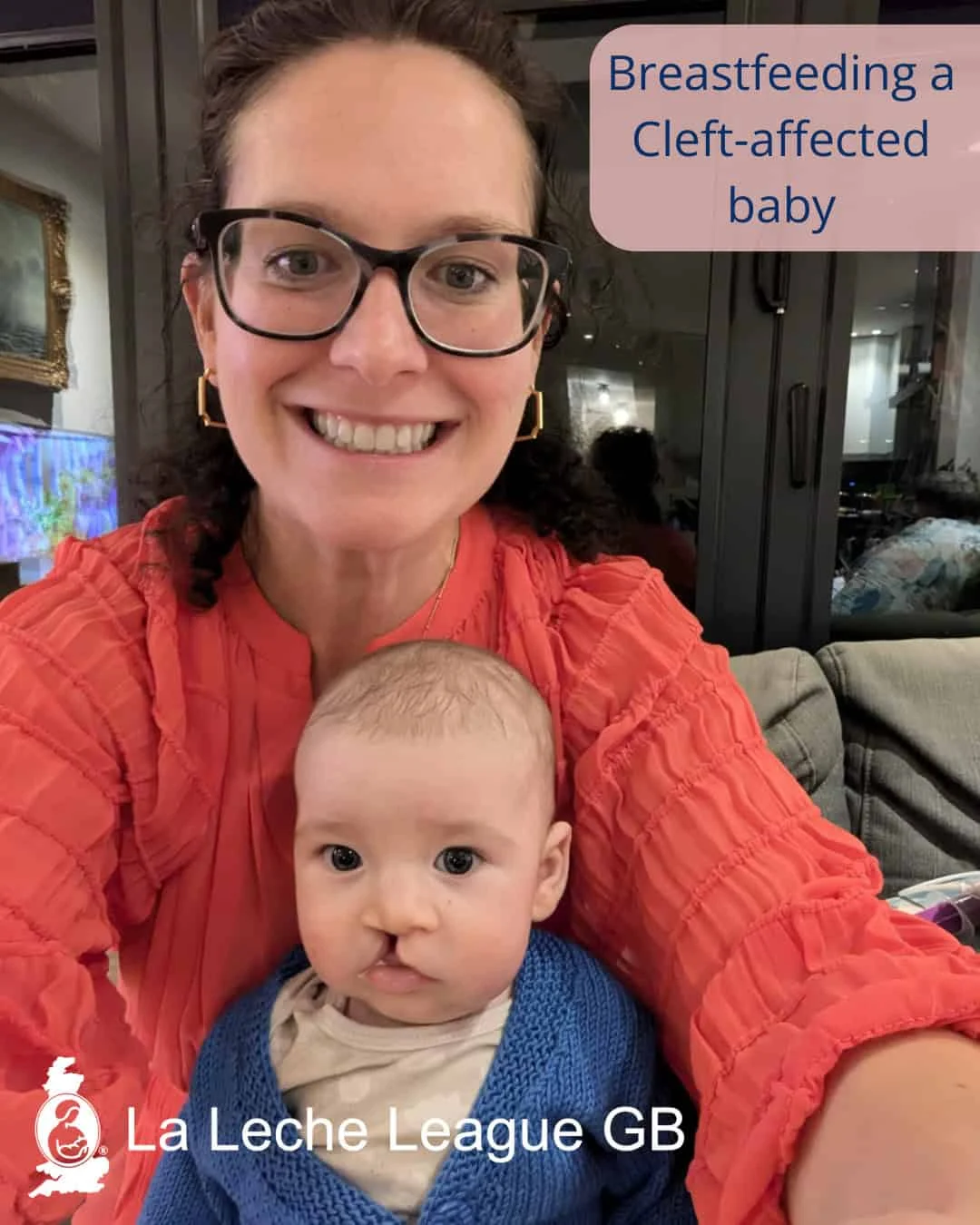
A cleft lip or palate occurs when the structures forming the baby’s upper lip or the roof of the mouth (palate) fail to fuse completely during fetal development in the womb. This congenital condition affects approximately 1 in 700 babies globally, making it one of the most common birth anomalies. While many infants with a cleft lip can successfully breastfeed with some adaptations, babies born with a cleft palate typically cannot generate the necessary suction pressure to efficiently remove milk from the breast until surgical repair. However, with perseverance, comprehensive support, and appropriate strategies, breastfeeding remains a viable and highly beneficial option for many cleft-affected infants.
The journey for parents of a cleft-affected baby often begins with the initial diagnosis, which can occur either prenatally via ultrasound or immediately after birth. This diagnosis frequently brings a mix of emotions, including concern about feeding. Medical professionals universally recognize the profound benefits of human milk for all infants, but especially for those facing health challenges and surgical procedures. Breast milk provides crucial antibodies, easily digestible nutrients, and promotes healing, all of which are invaluable for babies requiring surgery. Consequently, establishing and maintaining a robust milk supply is a primary objective from the outset.
Understanding Cleft Lip and Palate: A Medical Overview
Cleft conditions arise early in pregnancy, typically between the fourth and ninth weeks, when the facial tissues that form the lip and palate do not join properly. A cleft lip can range from a minor notch to a complete separation extending into the nose, while a cleft palate involves an opening in the roof of the mouth, which can affect the hard palate, the soft palate, or both. These conditions can occur in isolation or together. While the exact causes are often multifactorial, a combination of genetic predispositions and environmental factors is thought to play a role.

The immediate implication for feeding is anatomical. A baby with an unrepaired cleft palate cannot create the vacuum necessary for breastfeeding because the oral cavity is not sealed from the nasal cavity. This means air escapes through the nose during attempted suction, preventing effective milk extraction. In contrast, a cleft lip, particularly if it does not involve the palate, often allows for a sufficient seal to be formed around the nipple and areola, though adjustments in positioning and latch may be necessary.
The Multidisciplinary Approach to Care
Upon diagnosis, families are typically introduced to a specialized multidisciplinary cleft team. This team often includes plastic surgeons, ear, nose, and throat (ENT) specialists, speech and language therapists, orthodontists, dentists, geneticists, pediatricians, audiologists, and crucially, specialist cleft nurses and lactation consultants. This integrated approach ensures that all aspects of the child’s development, from feeding and speech to dental health and psychological well-being, are addressed comprehensively from infancy through adolescence.
Chronology of the Breastfeeding Journey: Pre- and Post-Surgery
The breastfeeding journey for a cleft-affected baby often unfolds in distinct phases, heavily influenced by the surgical timeline.

Phase 1: Pre-Surgical Feeding and Milk Supply Establishment
The first priority after birth is to ensure the baby receives adequate nutrition while concurrently establishing the mother’s milk supply.
- Immediate Post-Birth: Even if direct breastfeeding is challenging, initiating milk expression within the first few hours after birth is critical. This early and frequent stimulation signals the body to produce a full milk supply.
- Early Days and Weeks: Mothers are advised to express milk at least 8-12 times in 24 hours to "bring in" and maintain a full supply. This frequency is more important than the duration of each pumping session. A double electric "hospital-grade" breast pump is often recommended for its efficiency, and cleft specialist nurses may assist with rental or loan.
- Alternative Feeding Methods: While the mother’s milk supply is being established, babies may receive expressed breast milk via alternative methods. In the initial days, small amounts can be given via syringe or teaspoon. As milk volume increases, specialized bottles designed for cleft-affected babies, featuring softer teats and a one-way valve to reduce air intake, become essential. Nursing supplementers (also known as supplemental nursing systems or lactation aids) are another powerful tool, allowing a baby to latch at the breast while receiving additional milk through a thin tube positioned alongside the nipple. This method offers the psychological and physiological benefits of skin-to-skin contact and direct breast stimulation, even if the baby isn’t fully extracting milk independently.
Phase 2: Surgical Intervention and Transition
Cleft lip repair typically occurs around 3 to 6 months of age, while cleft palate repair is usually performed between 9 and 18 months, before the development of significant speech patterns.
- Lip Repair: After cleft lip surgery, babies may be able to resume direct breastfeeding more effectively as the lip is now closed, potentially improving the oral seal. However, discomfort and new sensations can still pose temporary challenges.
- Palate Repair: Palate surgery is a significant turning point for breastfeeding. Once the palate is repaired, the baby’s mouth is anatomically capable of creating the necessary suction. This is often the phase where direct, exclusive breastfeeding becomes a realistic goal for babies who previously couldn’t manage it.
- Post-Operative Recovery: The period immediately following surgery can be challenging. Babies may be sore, tired, or confused by their "new" mouth anatomy. Maintaining a strong milk supply through continued expression during this time is crucial, as breast milk aids healing and recovery. It may take several weeks for the baby to build strength and adapt to feeding directly at the breast. Persistence and continued support from lactation consultants are vital.
Supporting Data and Expert Perspectives
The emphasis on breastfeeding for cleft-affected babies is not merely anecdotal; it is strongly supported by medical research and expert consensus.
- Benefits of Breast Milk: The World Health Organization (WHO) and numerous pediatric associations advocate for exclusive breastfeeding for the first six months of life, and continued breastfeeding with complementary foods up to two years or beyond. For cleft-affected infants, these benefits are amplified. Breast milk offers superior immunological protection, reducing the incidence of ear infections (otitis media), respiratory infections, and gastrointestinal issues, which babies with cleft palates are particularly susceptible to due to the open connection between the mouth and nasal cavity. It also promotes optimal growth and neurodevelopment.
- Success Rates: While data can vary, studies indicate that a significant percentage of mothers of cleft-affected infants can successfully provide breast milk, either directly at the breast or through expressed milk. For instance, a review published in the Journal of Pediatric Surgery highlighted that with appropriate guidance and tools, many infants with cleft lip, and a substantial number with cleft palate, can breastfeed effectively post-surgery, or at least receive breast milk via alternative methods for an extended period.
- Professional Endorsement: Organizations like La Leche League (LLL) and the American Cleft Palate-Craniofacial Association (ACPA) actively promote and provide resources for breastfeeding cleft-affected babies. LLL Leaders, for example, offer invaluable peer-to-peer and expert-led support, emphasizing personalized strategies and emotional encouragement. "The determination and love shown by parents who breastfeed their cleft-affected babies is truly inspiring," states a representative from La Leche League. "Our role is to provide the practical tools and unwavering belief that it is possible, helping families navigate the complexities with confidence."
- Technological Advancements: The development of specialized feeding equipment, such as one-way valve bottles and sophisticated nursing supplementers, has significantly improved feeding outcomes for these infants, bridging the gap until surgical repair.
Navigating Practicalities: Strategies for Success

Successful breastfeeding for a cleft-affected baby often hinges on a combination of persistent milk supply management, adaptable feeding techniques, and robust support.
Maintaining Milk Production: The Foundation
- Frequency and Consistency: The principle of supply and demand is paramount. Frequent milk removal, ideally every 2-3 hours around the clock in the early weeks, is essential to signal the body to produce a full supply.
- Efficient Expression: A hospital-grade double electric breast pump is highly recommended for its efficiency in stimulating milk ejection and removing milk. Some mothers find wearable pumps or hand expression useful for supplementary sessions or comfort.
- Support for the Mother: This intensive pumping schedule can be exhausting. Practical support from partners, family, and friends – whether it’s helping with chores, bringing meals, or simply offering emotional encouragement – is crucial for the mother’s well-being and ability to sustain milk production.
Feeding in the Early Days: Bridging the Gap
- Specialized Bottles: Cleft specialist nurses are key resources for advising on and providing access to bottles and teats specifically designed to assist babies with clefts. These often feature elongated teats, a wider base to aid lip seal, or softer materials that respond to gentle compression rather than strong suction.
- Nursing Supplementers (SNS): A Detailed Look:
- Mechanism: An SNS allows a baby to latch onto the breast and receive milk through a fine tube positioned at the nipple. The milk flows from a reservoir (bottle or bag) attached to the mother.
- Benefits: Beyond delivering milk, SNS promotes skin-to-skin contact, encourages nipple stimulation (which helps maintain supply), and allows the baby to associate the breast with satiation, fostering the foundational skills for future direct feeding.
- Types: Commercial systems often involve a bottle or bag that can be hung around the neck, or simpler tube-and-syringe setups for controlled delivery.
- Delivery Control: Babies with cleft palates often require assistance with milk delivery. Gently squeezing the bag/bottle or using a syringe to push milk through the tube ensures they receive adequate amounts without relying solely on their limited suction. For instance, a syringe-based method involves attaching a small syringe (e.g., 5ml) to the end of the supplementer tube, filling it with expressed milk, and slowly depressing the plunger while the baby is latched.
- Tips for Use: Taping the tube securely to the breast, positioning the tube just past the nipple in the baby’s mouth, and adjusting the flow rate to match the baby’s suckling rhythm are important for success. It often takes practice and patience to master. As one mother, Sarah, shared regarding her son Russ’s journey, "A friend saw us feeding from across a restaurant table and said, ‘Oh, so the worries about Russ not being able to breastfeed didn’t come to fruition!’ Comments like these make me feel so happy I could cry." This highlights the immense emotional reward of successfully navigating this complex feeding method.
Optimal Feeding Positions: Finding Comfort and Efficiency
- Upright Positioning: Holding the baby in a more upright position, often with their head higher than their bottom, can help manage milk flow and prevent milk from entering the nasal cavity, reducing discomfort and potential for aspiration.
- Football Hold (Clutch Hold): This position can provide excellent head and neck support, allowing the mother to guide the baby’s head towards the breast and ensure a deep latch. It also allows for better visibility of the baby’s mouth.
- Cradle Hold and Cross-Cradle Hold: These classic positions can also work, with careful attention to ensuring a good seal and supporting the baby’s head and neck effectively.
- Experimentation: Every baby and mother pair is unique. Experimenting with different positions and seeking guidance from a lactation consultant can help find what works best. Pillows and blankets can be used to provide additional support and comfort.
Broader Impact and Implications

The journey of breastfeeding a cleft-affected baby extends beyond mere nutrition; it profoundly impacts the parent-child bond, the child’s long-term health, and parental empowerment.
- Enhanced Bonding: The physical closeness and nurturing involved in breastfeeding contribute significantly to bonding, which can be particularly important for parents navigating the emotional complexities of a birth anomaly.
- Long-Term Health Outcomes: Beyond the immediate benefits of immunity and growth, successful breastfeeding may have long-term positive implications for oral motor development, potentially aiding speech development after palate repair.
- Parental Resilience: Successfully overcoming the challenges of feeding a cleft-affected baby builds immense parental confidence and resilience, empowering them for future hurdles in their child’s development and care.
- Advocacy and Awareness: The stories of families who successfully breastfeed their cleft-affected babies serve as powerful testaments, raising awareness and providing hope for others facing similar circumstances. Continued advocacy from organizations and healthcare professionals ensures that comprehensive support and resources remain available.
In conclusion, while a diagnosis of cleft lip or palate presents unique challenges for breastfeeding, it is by no means an insurmountable barrier. With early planning, consistent milk supply management, the use of specialized feeding tools like nursing supplementers, and unwavering support from healthcare professionals and peer networks such as La Leche League, mothers can successfully provide the invaluable benefits of human milk to their cleft-affected infants. This dedication not only nourishes the child but also fosters a profound bond and contributes significantly to their overall health and developmental journey.
